Choosing the Perfect Home Accessories: A Comprehensive Comparison Guide
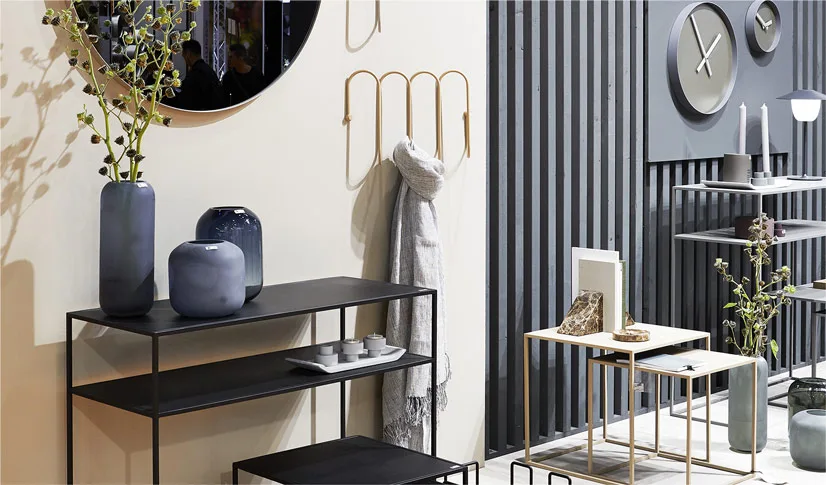
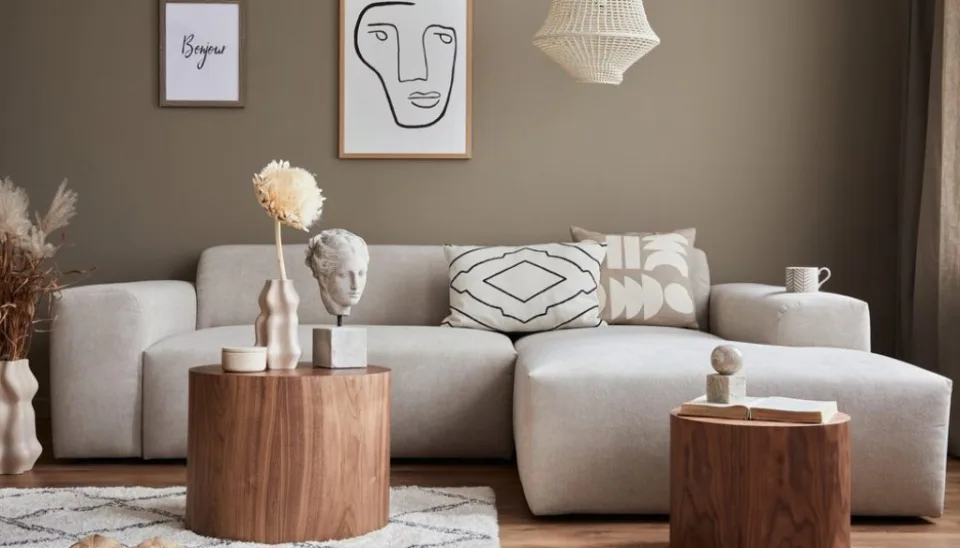
Home accessories are the unsung heroes of interior design. They transform a house into a home, infusing personality, comfort, and style into every room. From decorative accents to functional pieces, the right home accessories can elevate your living space from ordinary to extraordinary. However, with a vast array of options available, making the right choices can feel overwhelming. This comprehensive guide will help you navigate the world of home accessories by comparing popular product categories, offering insights into trends, and providing practical tips for selecting pieces that truly resonate with your aesthetic and needs.
Understanding the Role of Home Accessories
Before diving into comparisons, it's crucial to understand why home accessories are so important. They are not merely decorative; they serve multiple purposes:
- Personalization: Accessories allow you to express your unique style and tell your personal story.
- Functionality: Many accessories, like storage solutions or lighting, offer practical benefits.
- Ambiance: The right accessories can set the mood and create a desired atmosphere in a room.
- Completeness: They fill in the gaps, adding layers and depth to your interior design.
- Budget-Friendly Updates: Accessories are often the most affordable way to refresh your decor.
Comparing Popular Home Accessory Categories
The world of home accessories is diverse. We'll explore and compare some of the most popular categories to help you make informed decisions.
1. Decorative Accents vs. Functional Pieces
This is a fundamental distinction when choosing accessories. While many items can serve both purposes, understanding the primary role helps in prioritizing your purchases.
Decorative Accents
These items are primarily chosen for their aesthetic appeal. They add color, texture, and visual interest to a space.
- Examples: Vases, sculptures, decorative bowls, picture frames, ornamental pillows, wall art, candles, figurines.
- Pros:
- Enhance visual appeal and style.
- Allow for easy and frequent updates to your decor.
- Can be a more affordable way to introduce trends.
- Express personality and taste.
- Cons:
- Can contribute to clutter if not curated carefully.
- May offer little to no practical utility.
- Can be fragile and require careful handling.
- Best For: Adding personality, color pops, and finishing touches to any room. Ideal for those who enjoy frequent decor changes.
Functional Pieces
These accessories serve a practical purpose while also contributing to the overall design of a room.
- Examples: Storage baskets, trays, throw blankets, rugs, lighting fixtures (lamps, string lights), clocks, coasters, kitchen utensils with aesthetic appeal.
- Pros:
- Offer practical utility, helping to organize or enhance comfort.
- Can be stylish and blend seamlessly with decor.
- Often more durable and long-lasting.
- Reduce clutter by providing designated storage.
- Cons:
- May have less impact on immediate visual style compared to purely decorative items.
- Can be a larger investment if they are high-quality functional items.
- Choosing the wrong functional item can lead to inconvenience.
- Best For: Enhancing usability, organization, and comfort in a space. Essential for creating a well-functioning home.
Comparison Table: Decorative Accents vs. Functional Pieces
| Feature | Decorative Accents | Functional Pieces |
|---|---|---|
| Primary Purpose | Aesthetics | Utility |
| Impact on Style | High | Moderate to High |
| Practicality | Low to None | High |
| Lifespan | Varies, can be shorter for trend-driven items | Often longer, especially for quality items |
| Cost | Can range from very low to high | Can range from moderate to high, often reflecting quality |
| Risk of Clutter | Higher | Lower, can help reduce clutter |
2. Textiles: Throws, Pillows, and Rugs
Textiles are incredibly versatile and can dramatically alter the feel and look of a room. They add warmth, color, texture, and comfort.
Throw Pillows
These are perhaps the most accessible and impactful textile accessories. They can be easily swapped out to reflect seasonal changes or new decor directions.
- Materials: Cotton, linen, velvet, faux fur, wool, polyester blends.
- Styles: Solid colors, geometric patterns, floral prints, abstract designs, textured weaves, embroidered.
- Pros:
- Instant color and pattern boost.
- Add comfort and coziness to sofas and chairs.
- Easy to store and change.
- Relatively affordable.
- Cons:
- Can accumulate dust and require cleaning.
- May not be durable enough for heavy use if made of delicate fabrics.
- Can become a breeding ground for allergens if not maintained.
- Considerations: Size, shape, fill material (down vs. polyester), and how they coordinate with existing upholstery and decor.
Throw Blankets
Beyond providing warmth, throw blankets add a layer of texture and visual interest, draped over furniture or folded neatly.
- Materials: Wool, cashmere, cotton, fleece, chenille, faux fur, acrylic.
- Styles: Chunky knits, cable knits, ribbed textures, smooth finishes, patterned designs.
- Pros:
- Add significant warmth and coziness.
- Introduce luxurious textures.
- Can soften the look of hard furniture.
- Versatile for both style and function.
- Cons:
- Can be more expensive, especially for natural fibers.
- May require special cleaning (e.g., wool).
- Can be bulky to store.
- Considerations: Weight, softness, durability, and washability.
Rugs
Rugs define spaces, add warmth underfoot, absorb sound, and anchor furniture arrangements. They are a significant investment but can transform a room.
- Materials: Wool, cotton, jute, sisal, polyester, polypropylene, silk.
- Styles: Persian, Oriental, modern abstract, geometric, vintage, shag, flatweave.
- Pros:
- Define zones within open-plan spaces.
- Add significant warmth and comfort.
- Dampen noise.
- Protect flooring.
- Can be a major style statement.
- Cons:
- Can be expensive, especially for larger or natural fiber rugs.
- Require regular vacuuming and occasional professional cleaning.
- Can be difficult to move or replace.
- May require a rug pad for slip resistance and cushioning.
- Considerations: Size (crucial for room layout), material (durability, feel, maintenance), pile height, and pattern.
Comparison Table: Textiles
| Feature | Throw Pillows | Throw Blankets | Rugs |
|---|---|---|---|
| Primary Purpose | Comfort, Accent Color/Pattern | Comfort, Texture, Warmth | Space Definition, Comfort, Style Statement |
| Impact on Style | High (easy to change) | High (adds texture/color) | Very High (anchors room) |
| Practicality | Moderate (comfort) | High (warmth, comfort) | High (comfort, acoustics, floor protection) |
| Lifespan | Moderate (can fade/wear) | Moderate to High | High (with care) |
| Cost | Low to Moderate | Moderate to High | Moderate to Very High |
| Maintenance | Washing covers | Washing blankets | Vacuuming, professional cleaning |
3. Lighting: Ambient, Task, and Accent
Lighting is often overlooked as an accessory, yet it's fundamental to the atmosphere and functionality of a home. Different types of lighting serve distinct purposes.
Ambient Lighting
This is the general, overall illumination of a room. It provides a comfortable base level of light.
- Examples: Ceiling fixtures (chandeliers, flush mounts), floor lamps with upward-facing shades, recessed lighting.
- Pros:
- Provides essential illumination for navigation and general activity.
- Sets the overall mood of the room.
- Can be a significant design element itself.
- Cons:
- Can be harsh if not diffused properly.
- May not be sufficient for specific tasks.
- Installation can be complex for some fixtures.
- Considerations: Brightness (lumens), color temperature (warm vs. cool), and style of the fixture.
Task Lighting
This type of lighting is focused and directed to illuminate specific activities.
- Examples: Desk lamps, reading lamps beside an armchair, under-cabinet lighting in the kitchen, pendant lights over a kitchen island.
- Pros:
- Reduces eye strain and improves focus during activities.
- Enhances functionality of specific areas.
- Can be easily controlled and adjusted.
- Cons:
- May not contribute much to overall room ambiance if not integrated well.
- Requires careful placement to avoid glare or shadows.
- Considerations: Directionality, intensity, and ease of adjustment.
Accent Lighting
Accent lighting is used to highlight specific features or objects, drawing attention to artwork, architectural details, or plants.
- Examples: Track lighting, spotlights, picture lights, LED strip lights.
- Pros:
- Adds depth and dimension to a room.
- Showcases decorative items and architectural features.
- Can create dramatic visual effects.
- Cons:
- Can be less useful for general illumination.
- Requires careful planning of what to highlight.
- Can be energy-intensive if not using LEDs.
- Considerations: Beam angle, intensity, and positioning.
Comparison Table: Lighting Types
| Feature | Ambient Lighting | Task Lighting | Accent Lighting |
|---|---|---|---|
| Primary Purpose | General illumination | Focused illumination for activities | Highlighting specific features |
| Impact on Style | Sets overall mood | Enhances functionality | Adds drama and dimension |
| Light Distribution | Broad | Directed | Focused |
| Examples | Ceiling lights, floor lamps | Desk lamps, under-cabinet lights | Spotlights, picture lights |
4. Wall Decor: Art, Mirrors, and Shelving
Walls are blank canvases waiting to be adorned. Wall decor is crucial for adding personality and visual interest.
Wall Art
From framed prints and paintings to tapestries and macrame, wall art is a primary way to express personal taste.
- Types: Paintings, prints, photographs, drawings, tapestries, textile art, sculptures.
- Styles: Abstract, landscape, portrait, minimalist, vintage, contemporary.
- Pros:
- Strongest form of personal expression.
- Can be a focal point of a room.
- Adds color, texture, and mood.
- Cons:
- Can be a significant investment.
- Choosing the right piece can be challenging.
- Requires appropriate framing and hanging.
- Considerations: Size relative to the wall, color palette, subject matter, and the overall style of the room. Consider gallery walls for a curated look.
Mirrors
Mirrors are both decorative and functional, capable of making a space feel larger and brighter.
- Types: Wall mirrors, floor mirrors, vanity mirrors, decorative mirrors.
- Styles: Ornate frames, minimalist frames, frameless, sunburst, geometric.
- Pros:
- Reflect light, making rooms feel brighter and larger.
- Add a decorative element and focal point.
- Can serve practical purposes (e.g., checking appearance).
- Cons:
- Can be heavy and require secure mounting.
- Placement is crucial to avoid reflecting unflattering views.
- Can be prone to smudges and require regular cleaning.
- Considerations: Size, shape, frame style, and placement (opposite a window for maximum light reflection).
Shelving
Shelving offers both display and storage opportunities, bringing vertical interest to walls.
- Types: Floating shelves, wall-mounted shelves, bookcases, corner shelves.
- Materials: Wood, metal, glass, acrylic.
- Pros:
- Provide storage for books, decor, and essentials.
- Allow for curated displays of personal items.
- Add architectural interest and verticality.
- Cons:
- Can contribute to clutter if not organized well.
- Requires careful installation for stability.
- Limited by wall space and weight capacity.
- Considerations: Load-bearing capacity, style, depth, and how they integrate with other decor.
Comparison Table: Wall Decor
| Feature | Wall Art | Mirrors | Shelving |
|---|---|---|---|
| Primary Purpose | Personal expression, visual interest | Light reflection, aesthetic appeal, perceived space increase | Storage, display, vertical interest |
| Impact on Style | Very High | High | Moderate to High |
| Practicality | Low (primarily decorative) | Moderate (functional check) | High (storage/display) |
| Lifespan | Varies greatly by taste and trend | High | High |
| Cost | Moderate to Very High | Moderate to High | Moderate to High |
5. Greenery and Natural Elements
Bringing the outdoors in is a timeless trend that adds life, color, and a sense of calm to any space.
Live Plants
The benefits of live plants are numerous, from air purification to stress reduction.
- Types: Potted plants, hanging plants, succulents, terrariums, flowering plants.
- Pros:
- Improve air quality.
- Reduce stress and enhance mood.
- Add natural color and texture.
- Create a sense of tranquility.
- Cons:
- Require regular care (watering, sunlight, pruning).
- Can attract pests if not managed.
- Some plants can be toxic to pets or children.
- Considerations: Light requirements, watering needs, and space available. Choose plants suited to your lifestyle and environment.
Artificial Plants and Flowers
A more low-maintenance alternative to live plants.
- Types: Realistic artificial plants, silk flowers, dried arrangements.
- Pros:
- No watering or maintenance required.
- Long-lasting and always look "fresh."
- Good for spaces with low light or for those with busy schedules.
- Can be more affordable than live plants in the long run.
- Cons:
- Lack the air-purifying benefits of live plants.
- Can sometimes look obviously fake, detracting from the decor.
- Dust can accumulate on them.
- Considerations: Quality of materials is key to realism. Look for well-made, natural-looking options.
Natural Decorative Elements
Incorporating natural materials can add texture and organic appeal.
- Examples: Driftwood, stones, shells, pinecones, dried branches, woven baskets.
- Pros:
- Add unique texture and organic shapes.
- Connect the space to nature.
- Often inexpensive or free if collected responsibly.
- Cons:
- May require cleaning or treatment.
- Can be fragile.
- Need to be curated to avoid looking cluttered.
- Considerations: How they fit with the overall aesthetic and whether they need to be sealed or cleaned.
Comparison Table: Greenery and Natural Elements
| Feature | Live Plants | Artificial Plants/Flowers | Natural Decorative Elements |
|---|---|---|---|
| Primary Purpose | Air purification, mood enhancement, aesthetics | Aesthetics, low maintenance | Texture, organic appeal, visual interest |
| Maintenance | High (watering, care) | Low (dusting) | Low to Moderate (cleaning) |
| Lifespan | Perennial (with care) | Long | Varies |
| Cost | Varies (initial + ongoing care) | Varies (initial investment) | Low to Moderate |
| Benefits | Air quality, well-being | Always looks good | Unique texture, natural connection |
Current Trends in Home Accessories
Staying abreast of trends can inspire your decor choices, but remember to adapt them to your personal style.
- Biophilic Design: Increased use of plants, natural materials (wood, stone, rattan), and nature-inspired colors.
- Textural Play: Mixing and matching different textures – chunky knits, boucle, velvet, rough wood, smooth metal.
- Warm Neutrals: A move away from stark whites towards warmer tones like beige, cream, taupe, and earthy browns.
- Sustainable and Ethical Sourcing: Growing demand for accessories made from recycled, upcycled, or sustainably sourced materials.
- Artisanal and Handmade: Appreciation for unique, handcrafted items that tell a story.
- Bold Colors and Patterns: While warm neutrals are popular, there's also a resurgence of vibrant colors and eye-catching patterns in select pieces.
- Vintage and Retro Finds: Incorporating unique pieces from past eras for character and sustainability.
Tips for Choosing and Styling Home Accessories
Making the right choices is only half the battle; effective styling brings them to life.
- Consider Scale and Proportion: Ensure accessories are appropriately sized for the space and furniture they are placed on or near. A tiny vase on a massive coffee table will look lost.
- Create a Color Palette: Select accessories that complement your existing color scheme. You can use accessories to introduce accent colors or reinforce your primary palette.
- Layer Textures: Mix smooth, rough, soft, and hard textures to add depth and visual interest.
- The Rule of Three: Grouping items in odd numbers, especially three, often creates a more visually pleasing arrangement.
- Don't Forget Functionality: While aesthetics are important, ensure your accessories serve a purpose or at least don't hinder the usability of your space.
- Edit Ruthlessly: Less is often more. Avoid overcrowding surfaces, which can lead to a cluttered and chaotic look.
- Personalize Your Space: Choose items that have meaning to you, whether they are souvenirs, family heirlooms, or pieces of art you love.
- Think About Lighting: How will your accessories look under different lighting conditions? Consider how they interact with ambient, task, and accent lighting.
- Consider the Room's Purpose: Accessories in a living room might focus on comfort and conversation, while those in a bedroom might lean towards tranquility and relaxation.
- Rotate and Refresh: Don't be afraid to swap out accessories seasonally or when you feel your decor needs a refresh.
Conclusion
Home accessories are the soul of your interior design. By understanding the different categories, comparing their pros and cons, and considering current trends, you can make informed decisions that enhance both the beauty and functionality of your home. Whether you're drawn to the tactile warmth of textiles, the mood-setting power of lighting, the artistic expression of wall decor, or the life-giving presence of greenery, each category offers unique opportunities to personalize your space. Remember to balance decorative appeal with practical needs, and always choose pieces that resonate with your personal style. With thoughtful selection and strategic styling, your home accessories will transform your house into a truly inviting and expressive sanctuary.