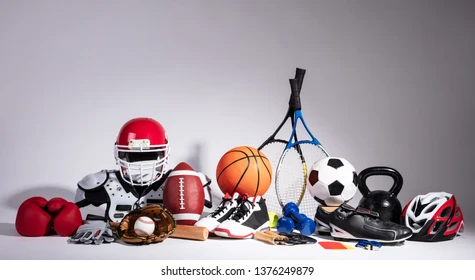
Choosing the Right Sports Gear: A Comprehensive Comparison Guide
The world of sports is vast and diverse, offering something for everyone, from the casual enthusiast to the seasoned athlete. Whether you're hitting the gym, pounding the pavement, or competing on the field, having the right sports gear can significantly enhance your performance, comfort, and overall enjoyment. However, with a seemingly endless array of options available, making informed purchasing decisions can be a daunting task. This comprehensive guide aims to demystify the process by comparing popular product categories within the sports niche, providing insights to help you select the best equipment for your needs.
Footwear: The Foundation of Athletic Performance
Your feet are your primary point of contact with the ground, making footwear arguably the most critical piece of sports equipment. The wrong shoes can lead to discomfort, injuries, and hindered performance. We'll compare some of the most common types of athletic footwear.
Running Shoes vs. Training Shoes
While both are designed for athletic activity, running shoes and training shoes serve distinct purposes. Understanding these differences is crucial for selecting the appropriate footwear for your chosen activity.
| Feature | Running Shoes | Training Shoes |
|---|---|---|
| Primary Purpose | Forward motion, impact absorption, and propulsion | Multi-directional movements, stability, and support |
| Cushioning | High, especially in the heel and forefoot, to absorb shock from repetitive impact | Moderate, balanced cushioning for stability during various movements |
| Flexibility | Highly flexible in the forefoot to allow for a natural toe-off | Less flexible, designed to provide a stable base for lateral movements |
| Support | Varies by type (neutral, stability, motion control) to address pronation | Focuses on lateral support and ankle stability for quick changes in direction |
| Outsole | Designed for traction on various surfaces, often with specific tread patterns for road or trail | Durable and designed for grip on gym floors or other indoor surfaces, often with pivot points |
| Best For | Road running, trail running, long-distance running | Gym workouts, cross-training, weightlifting, court sports (basketball, tennis), HIIT |
Key Takeaway: If your primary activity involves continuous forward motion, running shoes are your best bet. For activities that involve a variety of movements, including lateral steps and jumps, training shoes offer superior stability and support.
Trail Running Shoes vs. Road Running Shoes
Even within the realm of running shoes, there are specialized designs for different terrains. Trail running shoes are built to handle the unpredictable nature of off-road paths, while road running shoes are optimized for smooth, paved surfaces.
- Trail Running Shoes:
- Traction: Feature aggressive, deep lugs on the outsole for superior grip on mud, rocks, and loose terrain.
- Protection: Often include reinforced toe caps and rock plates to shield your feet from sharp objects.
- Durability: Constructed with more robust materials to withstand abrasion and rough conditions.
- Water Resistance: Some models offer water-resistant or waterproof membranes to keep feet dry in wet conditions.
- Support: May offer more ankle support for uneven ground.
- Road Running Shoes:
- Cushioning: Prioritize plush cushioning to absorb the repetitive impact of running on hard surfaces.
- Flexibility: Designed for a smooth heel-to-toe transition and optimal energy return.
- Lightweight: Generally lighter than trail shoes to facilitate speed and efficiency.
- Breathability: Often feature highly breathable mesh uppers to keep feet cool.
Key Takeaway: If you plan to run primarily on trails, invest in trail running shoes. For road or treadmill running, road running shoes will provide the comfort and performance you need.
Activewear: Comfort, Performance, and Style
The materials and design of your activewear can significantly impact your comfort and ability to perform. Modern activewear utilizes advanced fabrics that wick away moisture, regulate temperature, and offer freedom of movement.
Synthetic Fabrics vs. Natural Fabrics (e.g., Cotton)
The choice of fabric for your activewear is a critical decision. While cotton is a popular everyday fabric, it's often not the best choice for intense physical activity.
| Feature | Synthetic Fabrics (Polyester, Nylon, Spandex) | Cotton |
|---|---|---|
| Moisture Wicking | Excellent. They pull sweat away from the skin to the fabric's surface, where it can evaporate. | Poor. Cotton absorbs moisture and holds onto it, making the fabric heavy and clammy. |
| Drying Time | Fast. They dry quickly, keeping you comfortable. | Slow. Remains wet for a long time. |
| Breathability | Generally good, especially with modern weaves and technologies. | Can be breathable when dry, but becomes less so when saturated with sweat. |
| Durability | High. Resistant to stretching, shrinking, and wear. | Can lose shape and become less durable with frequent washing and stretching. |
| Odor Retention | Can sometimes retain odors if not washed properly, but many modern fabrics have anti-odor treatments. | Tends to hold onto odors, especially after repeated sweating. |
| Comfort During Exercise | High. Keeps skin dry and reduces chafing. | Low. Can lead to chafing, discomfort, and feeling cold when wet. |
| Best For | All forms of exercise, especially high-intensity activities and endurance sports. | Low-impact activities, casual wear, or as a base layer in very cold, dry conditions. |
Key Takeaway: For most athletic pursuits, synthetic fabrics are the superior choice due to their moisture-wicking and quick-drying properties. Cotton should generally be avoided for workouts.
Compression Wear: Benefits and Considerations
Compression wear, such as leggings, shorts, and tops, applies gentle pressure to muscles and tissues. It's become increasingly popular for both performance enhancement and recovery.
- Potential Benefits:
- Improved Blood Circulation: The compression can help boost blood flow, potentially delivering more oxygen to muscles.
- Reduced Muscle Fatigue and Soreness: Some studies suggest compression wear can help reduce post-exercise muscle soreness (DOMS) and fatigue.
- Enhanced Performance: By supporting muscles and potentially improving proprioception (the body's awareness of its position), it might contribute to better stability and efficiency.
- Injury Prevention: The added support may help stabilize muscles and reduce the risk of minor strains.
- Temperature Regulation: Many compression garments are made from moisture-wicking materials, helping to keep you cool or warm.
- Considerations:
- Fit is Crucial: Compression wear should be snug but not constricting. If it's too tight, it can impede circulation. If it's too loose, it won't provide the intended benefits.
- Not a Magic Bullet: While beneficial, compression wear is a supplement to, not a replacement for, proper training, nutrition, and rest.
- Individual Results Vary: The effectiveness of compression wear can differ from person to person.
Key Takeaway: Compression wear can be a valuable addition to your sports wardrobe, offering potential benefits for performance and recovery. Ensure a proper fit for optimal results.
Protective Gear: Safety First
For many sports, protective gear is not just recommended; it's essential for preventing injuries. The type of protective gear you need will depend heavily on the specific sport you participate in.
Helmets: Head Protection Across Sports
Helmets are paramount in sports with a high risk of head impact, such as cycling, skiing, snowboarding, American football, and hockey.
- Key Features to Consider:
- Fit: A properly fitting helmet is crucial. It should sit level on your head, not tilted back or forward, and should not move excessively. Use the adjustment system to ensure a snug fit.
- Certification: Look for helmets that meet safety standards set by recognized organizations (e.g., CPSC for cycling in the US, CE EN 1078 for cycling in Europe).
- Ventilation: Adequate ventilation helps keep you cool during activity.
- Weight: Lighter helmets are generally more comfortable for extended wear.
- MIPS (Multi-directional Impact Protection System): This technology is designed to reduce rotational forces on the brain during angled impacts.
Key Takeaway: Never compromise on head protection. Always choose a certified helmet that fits correctly for the specific sport you are playing.
Pads and Guards: Protecting Joints and Extremities
Sports like skateboarding, rollerblading, basketball, and volleyball often involve falls or impacts that can injure knees, elbows, and wrists.
- Types of Pads:
- Knee Pads: Essential for sports involving falls or impacts to the knees. Look for ones with good padding and a secure strapping system.
- Elbow Pads: Protect the elbows from scrapes and impacts.
- Wrist Guards: Crucial for sports where you might instinctively put your hands out to break a fall, preventing fractures.
- Shin Guards: Primarily used in sports like soccer and hockey to protect the lower legs from kicks and pucks.
- Material and Construction:
- Hard Shell: Offers maximum protection against direct impacts.
- Soft Padding: Provides comfort and shock absorption, often used in conjunction with a hard shell.
- Straps: Adjustable straps ensure a secure and comfortable fit.
Key Takeaway: Assess the risks associated with your sport and invest in appropriate padding to protect vulnerable joints and extremities.
Sports Equipment: Tools for Performance
Beyond apparel and protective gear, specialized equipment is often necessary to participate in and excel at various sports.
Strength Training Equipment: Dumbbells vs. Kettlebells
Both dumbbells and kettlebells are versatile tools for strength training, but they offer different training experiences and benefits.
| Feature | Dumbbells | Kettlebells |
|---|---|---|
| Shape and Design | Two weighted ends connected by a handle. Allows for isolation of specific muscle groups. | A cast-iron ball with a handle. The off-center weight distribution engages more stabilizer muscles. |
| Movement Patterns | Primarily used for controlled, linear movements (e.g., bicep curls, bench press, shoulder press). | Ideal for dynamic, ballistic movements (e.g., swings, cleans, snatches, Turkish get-ups) that engage the entire body. |
| Muscle Engagement | Excellent for targeting and isolating specific muscle groups. | Engages multiple muscle groups simultaneously, promoting functional strength and core stability. |
| Cardiovascular Benefit | Can be incorporated into cardio circuits, but less inherently suited for high-intensity cardio than kettlebells. | Excellent for high-intensity interval training (HIIT) due to the explosive nature of many kettlebell exercises. |
| Learning Curve | Generally lower. Easier to learn basic exercises. | Higher. Proper technique is crucial to avoid injury, especially for ballistic movements. |
| Versatility | Highly versatile for a wide range of strength-building exercises. | Versatile for strength, power, endurance, and conditioning. |
| Best For | Building muscle mass, targeted strength training, rehabilitation. | Developing explosive power, functional strength, cardiovascular fitness, and overall conditioning. |
Key Takeaway: Dumbbells are excellent for targeted muscle building and isolation, while kettlebells excel at developing full-body functional strength, power, and cardiovascular fitness.
Cardio Equipment: Treadmill vs. Elliptical Trainer
For cardiovascular training, treadmills and elliptical trainers are popular choices, each offering a different workout experience.
- Treadmill:
- Pros: Mimics natural walking and running, allows for precise control over speed and incline, great for simulating outdoor running conditions.
- Cons: High impact on joints, can be monotonous, requires more space.
- Best For: Runners, walkers, individuals who want to simulate outdoor conditions, those looking for precise pace control.
- Elliptical Trainer:
- Pros: Low impact on joints, engages both upper and lower body, can provide a challenging cardiovascular workout.
- Cons: Less natural movement pattern than running, may not provide the same bone-density benefits as weight-bearing exercises.
- Best For: Individuals with joint issues, those seeking a full-body workout, people who want a less impactful cardio option.
Key Takeaway: If you're a runner or want to replicate outdoor running, a treadmill is ideal. For a low-impact, full-body cardio workout, an elliptical trainer is a great choice.
Emerging Trends and Considerations
The sports industry is constantly evolving, with new technologies and trends shaping how we train and compete.
- Smart Technology: Wearable fitness trackers, smartwatches, and connected gym equipment are providing real-time data on performance, sleep, and recovery, allowing for more personalized training.
- Sustainable Materials: There's a growing demand for sports gear made from recycled and eco-friendly materials, reflecting a broader shift towards sustainability.
- Personalized Training: Advances in data analytics and AI are leading to more customized training plans and equipment recommendations.
- Functional Fitness: A continued emphasis on training movements that mimic everyday activities, promoting overall health and injury prevention.
Conclusion
Choosing the right sports gear is an investment in your health, performance, and enjoyment of physical activity. By understanding the differences between various product categories and considering your specific needs and goals, you can make informed decisions that will support you on your athletic journey. Remember to prioritize fit, function, and safety, and don't hesitate to seek advice from knowledgeable retailers or coaches. Happy training!
