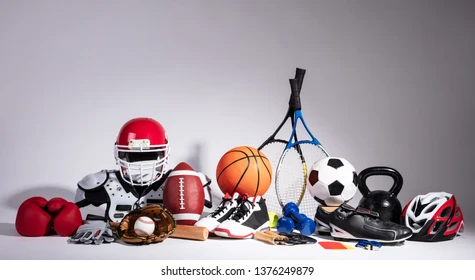
Choosing the Right Sports Gear: A Comprehensive Comparison Guide
The world of sports offers a vast array of activities, each demanding specific equipment to ensure safety, performance, and enjoyment. Whether you're a seasoned athlete or just starting your fitness journey, making informed decisions about your gear can significantly impact your experience. This guide delves into comparisons of popular sports gear categories, offering insights to help you select the best options for your needs without focusing on any single brand.
Footwear: The Foundation of Performance
Shoes are arguably the most critical piece of sports equipment. The right footwear provides support, cushioning, and traction, preventing injuries and enhancing athletic capabilities. Different sports require vastly different shoe designs, and understanding these distinctions is paramount.
Running Shoes vs. Training Shoes
While both are designed for athletic activities, running shoes and training shoes serve distinct purposes. This comparison highlights their key differences:
| Feature | Running Shoes | Training Shoes (Cross-Trainers) |
|---|---|---|
| Primary Use | Forward motion, long distances, repetitive impact | Multi-directional movements, varied exercises (lifting, agility, short runs) |
| Cushioning | High, especially in the heel and forefoot, to absorb impact | Moderate, balanced for stability and shock absorption |
| Support | Varies (neutral, stability, motion control) to guide foot strike | Focus on lateral stability for side-to-side movements |
| Flexibility | More flexible in the forefoot for natural toe-off | Generally stiffer for overall support |
| Outsole | Designed for grip on roads or trails, often with specific tread patterns | Durable, with good traction for various surfaces |
When to Choose Running Shoes: If your primary activity is running, whether on roads, trails, or treadmills, dedicated running shoes are essential. They are engineered to handle the consistent impact and biomechanics of running. Consider the type of running you do (road, trail, minimalist) and your foot type (pronation) when selecting.
When to Choose Training Shoes: For gym workouts, cross-training, circuit training, or sports involving a lot of lateral movement (like basketball or tennis), training shoes are a better choice. They offer a stable platform for lifting weights and the flexibility to handle quick changes in direction.
Trail Running Shoes vs. Road Running Shoes
The terrain you run on dictates the type of running shoe you need. The differences are crucial for safety and performance:
- Trail Running Shoes:
- Outsole: Feature aggressive lugs (deep, widely spaced treads) for superior grip on dirt, mud, rocks, and uneven surfaces.
- Protection: Often include rock plates in the midsole to protect feet from sharp objects and reinforced uppers to resist abrasion from branches and debris.
- Stability: Generally offer more lateral support to handle uneven terrain and prevent ankle rolls.
- Water Resistance: Some models may offer water-resistant or waterproof membranes for wet conditions.
- Road Running Shoes:
- Outsole: Designed with flatter, smoother surfaces for optimal traction on pavement and other hard, consistent surfaces.
- Cushioning: Prioritize shock absorption for the repetitive impact of running on hard surfaces.
- Weight: Tend to be lighter than trail shoes for efficiency over long distances.
- Flexibility: Designed for a smooth heel-to-toe transition.
Recommendation: Always match your footwear to your primary running environment. Using road shoes on technical trails can lead to poor grip and increased risk of slips and falls. Conversely, trail shoes on roads can feel clunky and wear down faster.
Apparel: Comfort, Protection, and Performance
Sports apparel goes beyond mere aesthetics; it plays a vital role in regulating body temperature, wicking away sweat, providing freedom of movement, and protecting the body.
Compression Gear vs. Regular Athletic Wear
Compression apparel has gained significant popularity, but how does it stack up against traditional athletic wear?
| Feature | Compression Gear | Regular Athletic Wear |
|---|---|---|
| Primary Function | Enhance blood circulation, muscle support, reduce fatigue, aid recovery | Comfort, freedom of movement, moisture-wicking, temperature regulation |
| Fit | Tight, form-fitting, designed to apply pressure | Loose to fitted, depending on the activity and personal preference |
| Material | Elastic, high-stretch fabrics (e.g., spandex, nylon) | Varied, including cotton, polyester, blends; focus on breathability and wicking |
| Benefits | Potential for improved performance, reduced muscle soreness, faster recovery | Comfortable, versatile, allows for natural movement |
| Drawbacks | Can be restrictive for some, potential for overheating if not breathable | May not offer the same level of muscle support or recovery benefits |
When to Choose Compression Gear: Athletes often use compression gear for intense training sessions, during competition, and for post-exercise recovery. It's particularly beneficial for endurance sports and activities involving significant muscle exertion. If you experience muscle soreness or fatigue quickly, compression might offer relief.
When to Choose Regular Athletic Wear: For general fitness, casual sports, or activities where maximum freedom of movement is prioritized without the need for intense muscle support, regular athletic wear is perfectly suitable. It offers comfort and breathability for a wide range of activities.
Synthetic Fabrics vs. Natural Fabrics (e.g., Cotton) for Activewear
The material of your activewear can significantly impact your comfort and performance.
- Synthetic Fabrics (Polyester, Nylon, Spandex):
- Moisture-Wicking: Excellent at pulling sweat away from the skin to the fabric's surface, where it can evaporate. This keeps you drier and cooler.
- Durability: Generally more durable and resistant to stretching, shrinking, and fading than natural fibers.
- Quick Drying: Dry much faster than cotton.
- Breathability: Modern synthetics are engineered for high breathability.
- Natural Fabrics (Cotton):
- Softness and Comfort: Very soft and comfortable against the skin for casual wear.
- Breathability: Breathable when dry.
- Moisture Absorption: Highly absorbent, which is a major drawback for activewear. Cotton holds onto moisture, becoming heavy, clammy, and can lead to chafing and temperature regulation issues during exercise.
- Durability: Can lose shape and shrink over time, especially with repeated washing and drying.
Conclusion: For any sport or exercise that involves significant sweating, synthetic fabrics are the superior choice. Cotton is best reserved for very light activity or rest. Look for labels that specify "moisture-wicking" or "quick-drying" for activewear.
Protective Gear: Safety First
Safety is paramount in many sports. The right protective gear can prevent serious injuries, allowing you to participate with confidence.
Helmets: Cycling vs. Skiing vs. Hockey
While all helmets are designed to protect the head, their specific designs cater to the unique risks of their respective sports.
| Sport | Key Helmet Features | Primary Risks Addressed |
|---|---|---|
| Cycling | Lightweight, good ventilation, aerodynamic design, impact absorption foam, secure chin strap. Often features a MIPS (Multi-directional Impact Protection System) layer. | Falls, collisions with objects or other cyclists, impact to the skull and brain. |
| Skiing/Snowboarding | Robust shell for impact protection, often with ear coverings for warmth, adjustable ventilation, compatibility with goggles, strong retention system. | Falls on hard snow/ice, collisions with trees, rocks, or other skiers, impact to the head. |
| Hockey | Hard outer shell, thick impact-absorbing liner, full facial protection (cage or visor), chin cup, secure fit. Designed for high-velocity impacts. | Puck impacts, stick checks, collisions with players, falls, head trauma. |
General Advice: Never use a helmet designed for one sport in another, as they are not tested or certified for the specific risks involved. Ensure any helmet you purchase meets the relevant safety standards for its intended sport (e.g., CPSC for cycling, ASTM for skiing). Always ensure a proper, snug fit.
Protective Pads: Kneepads vs. Elbow Pads vs. Shin Guards
These pads offer localized protection for joints and limbs.
- Kneepads:
- Purpose: Protect the knee joint from impact, abrasions, and hyperextension.
- Sports: Essential in skateboarding, rollerblading, volleyball, BMX biking, and some contact sports.
- Design: Typically feature a hard outer shell, thick foam padding, and straps for secure attachment.
- Elbow Pads:
- Purpose: Protect the elbow joint from impact and abrasions.
- Sports: Crucial for skateboarding, rollerblading, BMX, volleyball, and martial arts.
- Design: Similar to kneepads, with a hard shell and padded interior.
- Shin Guards:
- Purpose: Protect the shins from kicks, impacts from balls, and collisions.
- Sports: Mandatory in soccer, used in martial arts, and some extreme sports.
- Design: Can range from simple sleeves to hard-shell guards that cover the entire shin, often secured with straps.
Key Consideration: The level of padding and the rigidity of the outer shell should be chosen based on the intensity and risk level of the sport. For sports with high-impact falls, more substantial padding is recommended.
Fitness Equipment: Training at Home and Beyond
Home fitness has exploded in popularity, offering convenience and flexibility. Comparing different types of equipment can help you build an effective home gym.
Resistance Bands vs. Free Weights (Dumbbells/Kettlebells)
Both resistance bands and free weights are excellent for strength training, but they offer different training experiences.
| Feature | Resistance Bands | Free Weights (Dumbbells/Kettlebells) |
|---|---|---|
| Resistance Type | Variable tension that increases as the band is stretched | Constant weight, resistance is consistent throughout the movement |
| Portability | Extremely portable, lightweight, easy to store | Portable but heavier and bulkier, especially for a range of weights |
| Versatility | Can be used for a wide range of exercises, targeting multiple muscle groups | Versatile for many strength exercises, but some movements may be limited by weight |
| Muscle Activation | Engages stabilizing muscles effectively due to variable resistance | Excellent for building strength and muscle mass, requires good form to engage stabilizers |
| Progression | Progress by using stronger bands or combining bands | Progress by increasing the weight |
| Cost | Generally very affordable | Can be a significant investment, especially for a full set |
When to Choose Resistance Bands: Ideal for beginners, travelers, those with limited space or budget, and for adding variety to workouts. They are excellent for rehabilitation, warm-ups, and can provide a challenging workout for all fitness levels.
When to Choose Free Weights: Best for individuals focused on building significant strength and muscle mass. They offer a more direct and quantifiable way to overload muscles and are fundamental for many compound strength exercises.
Yoga Mats vs. Pilates Mats
While both are designed for floor exercises, they cater to slightly different needs.
- Yoga Mats:
- Thickness: Typically range from 3mm to 6mm. Thicker mats offer more cushioning for comfort, especially on hard floors.
- Grip: Designed for excellent grip, especially in sweaty conditions, to prevent slipping during poses. Materials vary (PVC, TPE, rubber, cork).
- Texture: Often have a slightly textured surface for added traction.
- Purpose: Primarily for yoga, but can be used for other floor exercises where grip and cushioning are important.
- Pilates Mats:
- Thickness: Generally thinner than yoga mats, often around 1/4 inch (6mm) or less. This allows for better connection to the floor, which is crucial for the precise movements and core engagement in Pilates.
- Firmness: Tend to be firmer to provide a stable surface.
- Grip: Good grip is still important, but the emphasis is more on stability.
- Purpose: Specifically designed for Pilates exercises, focusing on core strength, alignment, and controlled movements.
Which to Choose: If you practice yoga regularly, a good yoga mat with excellent grip and cushioning is essential. If your primary focus is Pilates, a thinner, firmer mat will likely be more beneficial for proper form and efficacy. Many mats can serve both purposes, but understanding the nuances helps in making the best choice for your primary activity.
Conclusion: Informed Choices Lead to Better Performance
Selecting the right sports gear is a critical step in maximizing your enjoyment, safety, and performance. By understanding the distinct features and benefits of different product categories, from footwear and apparel to protective gear and fitness equipment, you can make informed decisions that align with your specific athletic pursuits. Remember to consider the nature of your sport, your personal needs, and the quality of the materials and construction. Investing in appropriate gear is an investment in your health and your athletic journey.