Choosing the Right Sports Gear: A Comprehensive Comparison Guide
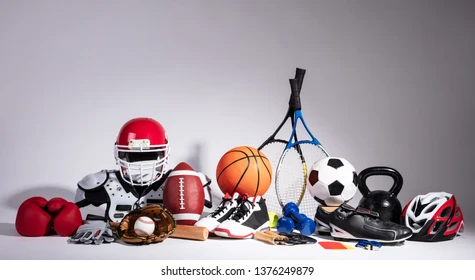
The world of sports offers a vast array of activities, each demanding specific equipment to ensure optimal performance, safety, and enjoyment. Whether you're a seasoned athlete or a beginner looking to dive into a new discipline, understanding the nuances of sports gear is paramount. This guide delves into a comparative analysis of popular sports product categories, helping you make informed decisions to enhance your athletic journey without endorsing any specific brand.
Running Shoes: Cushioning vs. Stability
For runners, the choice of footwear is arguably the most critical. Two primary categories dominate the market: cushioned shoes and stability shoes. Understanding their distinct features and benefits will help you select the pair best suited to your foot type and running style.
Cushioned Running Shoes
Target Audience: Neutral pronators, runners who prioritize comfort, and those running on hard surfaces like asphalt.
Key Features:
- Ample Midsole Padding: Designed with soft, shock-absorbing materials (like EVA foam or proprietary blends) to minimize impact on joints.
- Flexibility: Generally more flexible, allowing for a natural foot movement.
- Lightweight: Often lighter than stability shoes, contributing to a less fatigued stride.
- Versatility: Suitable for a wide range of running distances and terrains.
Pros:
- Exceptional shock absorption, reducing stress on knees, ankles, and hips.
- Enhanced comfort, especially for long-distance runs or on hard surfaces.
- Promotes a natural foot strike and roll.
Cons:
- May offer less support for runners with overpronation.
- Can wear out faster due to the softer cushioning materials.
Stability Running Shoes
Target Audience: Runners with mild to moderate overpronation (where the foot rolls inward excessively), those needing extra arch support.
Key Features:
- Medial Support: Features denser foam or guide rails on the inner side of the midsole to control pronation.
- Structured Upper: Often has a more rigid upper to provide a secure and supportive fit.
- Firmer Ride: While still offering cushioning, they tend to have a slightly firmer feel due to the support elements.
- Durability: The reinforced structure can contribute to longer-lasting performance.
Pros:
- Effectively controls overpronation, preventing injuries associated with excessive inward rolling.
- Provides enhanced arch support for a more stable gait.
- Can offer a more responsive feel for some runners.
Cons:
- May feel less flexible and comfortable for neutral runners.
- Can be heavier than cushioned shoes.
- Might feel restrictive for those with a neutral foot strike.
Comparison Table: Running Shoes
| Feature | Cushioned Shoes | Stability Shoes |
|---|---|---|
| Pronation Control | Minimal to none | Moderate to high |
| Arch Support | Moderate | High |
| Shock Absorption | Excellent | Good |
| Flexibility | High | Moderate |
| Weight | Lighter | Heavier |
| Ideal For | Neutral runners, hard surfaces, long distances | Overpronators, arch support needs |
Cycling Helmets: Road vs. Mountain Bike
Safety is paramount in cycling, and helmets are non-negotiable. While the core function remains protection, road bike helmets and mountain bike helmets are designed with distinct features to cater to the specific demands of each discipline.
Road Bike Helmets
Environment: Paved roads, racing, endurance riding.
Key Features:
- Aerodynamics: Often feature a more streamlined, aerodynamic profile to reduce drag.
- Ventilation: Designed with numerous large vents to maximize airflow and keep the rider cool during intense efforts.
- Lightweight: Prioritize low weight for comfort on long rides.
- Minimalist Design: Typically lack visors and have fewer external protrusions.
Pros:
- Excellent airflow for superior cooling.
- Reduced wind resistance, leading to potential performance gains.
- Lightweight and comfortable for extended periods.
Cons:
- Lack of a visor means less protection from sun glare and debris.
- Less coverage on the back of the head compared to some MTB helmets.
Mountain Bike (MTB) Helmets
Environment: Trails, off-road riding, downhill, enduro.
Key Features:
- Extended Rear Coverage: Provide more protection for the back of the head, crucial for falls on uneven terrain.
- Integrated Visor: A prominent visor shields the eyes from sun, branches, and mud.
- Robust Construction: Often built with more durable materials and a slightly thicker shell.
- Lower Profile: While still ventilated, they may have fewer, smaller vents to maintain structural integrity and accommodate the visor.
Pros:
- Superior protection for the back of the head and face.
- Visor offers practical benefits for trail riding.
- More durable for rugged use.
Cons:
- Can be less aerodynamic and offer less ventilation than road helmets.
- May feel heavier and bulkier.
Comparison Table: Cycling Helmets
| Feature | Road Bike Helmets | Mountain Bike Helmets |
|---|---|---|
| Aerodynamics | High | Moderate |
| Ventilation | Excellent | Good |
| Rear Head Coverage | Standard | Extended |
| Visor | None | Integrated |
| Weight | Lighter | Slightly Heavier |
| Durability | Standard | Higher |
| Ideal For | Paved roads, racing, speed | Trails, off-road, technical descents |
Team Sports Balls: Durability vs. Performance
The ball is the heart of many sports. Whether it's soccer, basketball, or volleyball, the material and construction of the ball significantly impact play. We'll compare the trade-offs between balls prioritizing durability and those focusing on peak performance.
Durable Sports Balls
Target Audience: Recreational play, public parks, training sessions, youth leagues, environments with rough surfaces.
Key Features:
- Tough Outer Shell: Often made from synthetic leather, rubber, or a thick composite material designed to withstand abrasion.
- Robust Stitching/Bonding: Seams are reinforced to prevent splitting or de-laminating.
- Water Resistance: Generally designed to perform adequately in various weather conditions.
- Consistent Bounce: Engineered for a predictable bounce, though it might not be as lively as performance balls.
Pros:
- Longer lifespan, especially in demanding conditions.
- Cost-effective for frequent use and less experienced players.
- Resilient to wear and tear from rough surfaces.
Cons:
- May feel harder and less responsive to the touch.
- Can have a heavier feel, impacting ball control and speed.
- Performance characteristics (like spin or trajectory) might be less refined.
Performance Sports Balls
Target Audience: Professional athletes, competitive leagues, serious enthusiasts seeking optimal playability.
Key Features:
- High-Quality Materials: Often use premium synthetic leather, microfiber composites, or specialized materials for a softer touch and better grip.
- Advanced Construction: May feature bonded seams or specialized bladder construction for optimal shape retention and responsiveness.
- Aerodynamic Design: Engineered for predictable flight paths and consistent spin.
- Lively Bounce: Designed to offer a responsive and dynamic bounce, crucial for intricate play.
Pros:
- Superior feel, grip, and control.
- Enhanced responsiveness and dynamic play.
- Optimized for precise trajectory and spin.
- More enjoyable for skilled players.
Cons:
- More susceptible to damage from rough surfaces or aggressive play.
- Higher cost due to premium materials and construction.
- May require more careful handling and maintenance.
Comparison Table: Sports Balls
| Feature | Durable Balls | Performance Balls |
|---|---|---|
| Outer Material | Tough synthetics, rubber | Premium synthetics, microfiber |
| Construction | Reinforced stitching/bonding | Bonded seams, advanced bladder |
| Feel/Grip | Harder, less tactile | Softer, better grip |
| Responsiveness | Moderate | High |
| Durability | Excellent | Good |
| Cost | Lower | Higher |
| Ideal For | Recreational, training, rough surfaces | Competitive, professional, optimal play |
Fitness Trackers: Basic Activity vs. Advanced GPS
For athletes across all disciplines, tracking progress is key. Fitness trackers have evolved from simple pedometers to sophisticated devices. The main differentiation lies between basic activity trackers and those with advanced GPS capabilities.
Basic Activity Trackers
Focus: Step counting, calorie expenditure, sleep tracking, general daily activity monitoring.
Key Features:
- Accelerometers: Measure movement to estimate steps and distance.
- Heart Rate Monitoring (Optional): Some models include optical heart rate sensors.
- Sleep Tracking: Analyze sleep patterns based on movement and heart rate.
- Basic Notifications: Display time, steps, and sometimes call/text alerts.
- App Integration: Sync data to a smartphone app for historical tracking and analysis.
Pros:
- Affordable and accessible.
- Simple to use and understand.
- Effective for monitoring general health and fitness goals.
- Long battery life.
Cons:
- Limited accuracy for distance and pace during specific activities like cycling or swimming.
- No built-in GPS for precise route mapping.
- Fewer advanced metrics for performance analysis.
Advanced GPS Fitness Trackers
Focus: Precise tracking of outdoor activities, performance metrics, route mapping, navigation.
Key Features:
- Built-in GPS: Accurately tracks location, distance, pace, and route for outdoor activities.
- Advanced Sensors: May include barometric altimeters for elevation tracking, compasses, and more sophisticated heart rate monitors.
- Multi-Sport Modes: Designed to track a wider range of activities (running, cycling, swimming, hiking, etc.) with sport-specific metrics.
- Performance Metrics: Often provide data like VO2 max estimates, recovery time, training load, and cadence.
- Smartwatch Features: Many offer music control, contactless payments, and more advanced notifications.
Pros:
- Highly accurate for outdoor activities.
- Provides in-depth performance data for training optimization.
- Enables route planning and navigation.
- Versatile for tracking multiple sports.
Cons:
- Significantly more expensive.
- Can be more complex to operate.
- GPS usage can drain battery faster.
- May be overkill for users who only need basic activity tracking.
Comparison Table: Fitness Trackers
| Feature | Basic Activity Trackers | Advanced GPS Trackers |
|---|---|---|
| Primary Function | General activity & sleep monitoring | Precise outdoor activity tracking & performance analysis |
| GPS | No | Yes |
| Accuracy (Outdoor) | Low | High |
| Sport Modes | Limited | Extensive |
| Performance Metrics | Basic (steps, calories) | Advanced (VO2 max, recovery, etc.) |
| Price | Lower | Higher |
| Battery Life | Longer | Shorter (with GPS use) |
| Ideal For | Casual users, general health monitoring | Runners, cyclists, hikers, serious athletes |
Conclusion
Navigating the world of sports gear can seem daunting, but by understanding the core differences between product categories and their intended uses, you can make informed choices that enhance your performance, safety, and overall enjoyment of your chosen activity. Whether it's selecting the right running shoe for your gait, a helmet suited to your cycling discipline, a ball that matches your playing style, or a fitness tracker that aligns with your training goals, prioritizing your needs and understanding the features available will lead you to the best possible equipment. Remember to consider your personal preferences, the environment in which you'll be participating, and your specific athletic objectives when making your final decision.