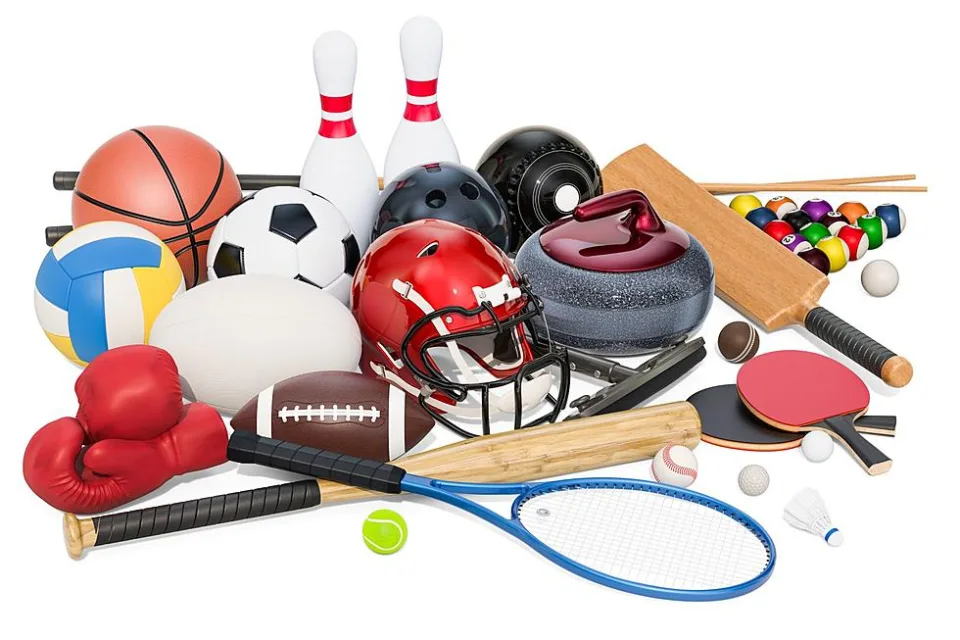
Choosing the Right Sports Gear: A Comprehensive Comparison Guide
The world of sports is vast and diverse, offering something for everyone, from the casual weekend warrior to the dedicated professional athlete. To truly excel and enjoy your chosen activity, having the right sports gear is paramount. It's not just about comfort; it's about performance, safety, and maximizing your potential. However, with an overwhelming array of options available, making informed decisions can be a daunting task. This guide aims to demystify the process by comparing popular categories of sports gear, helping you understand the key differences, benefits, and considerations when making your next purchase.
Footwear: The Foundation of Performance
Sports footwear is arguably the most critical piece of equipment for any athlete. The right shoes provide support, cushioning, traction, and stability, directly impacting your performance and preventing injuries. We'll compare some of the most common types of sports shoes.
Running Shoes vs. Training Shoes
While both are designed for athletic activity, running shoes and training shoes serve distinct purposes.
| Feature | Running Shoes | Training Shoes (Cross-Trainers) |
|---|---|---|
| Primary Purpose | Forward motion, cushioning for impact, propulsion. | Multi-directional movement, stability, support for various exercises. |
| Cushioning | High, especially in the heel and forefoot, to absorb shock from repetitive impact. | Moderate, balanced cushioning for comfort during diverse activities. |
| Flexibility | Highly flexible, particularly in the forefoot, to allow for a natural stride. | More rigid, offering better lateral support for side-to-side movements. |
| Support | Varies from neutral to stability and motion control, focusing on foot strike. | Emphasizes overall foot stability, ankle support, and grip for various exercises. |
| Traction | Designed for grip on roads or trails, with patterns optimized for forward movement. | Durable outsoles with multi-directional tread patterns for grip on various gym surfaces. |
| Best For | Road running, trail running, long-distance running. | Gym workouts, HIIT, weightlifting, cross-training, team sports practice. |
Key Considerations for Running Shoes:
- Pronation: Understanding your foot's natural roll (overpronation, neutral, supination) is crucial for selecting the right support level.
- Terrain: Road running shoes differ significantly from trail running shoes in terms of outsole grip and upper protection.
- Cushioning Level: More cushioning is generally preferred for longer distances or heavier runners.
Key Considerations for Training Shoes:
- Stability: Look for shoes that offer good lateral stability to prevent ankle rolls during quick changes in direction.
- Durability: Training shoes are often subjected to more wear and tear due to varied movements.
- Versatility: If you participate in a variety of activities, a good cross-trainer is essential.
Court Shoes vs. Field Shoes
These categories are more specialized, designed for specific sports environments.
- Court Shoes: Examples include basketball shoes, tennis shoes, and volleyball shoes. They are designed for quick stops, starts, and lateral movements on hard, indoor surfaces. Key features include excellent ankle support, durable outsoles with excellent grip for hardwood or clay, and often a cushioned midsole to absorb impact from jumping.
- Field Shoes: This category encompasses cleats or spikes used in sports like soccer, football, baseball, and track and field. The defining characteristic is the outsole with studs or spikes that dig into the ground, providing essential traction for acceleration, quick pivots, and stability on grass, turf, or track surfaces. The design varies significantly based on the sport, with different stud configurations and materials for optimal grip and performance.
Apparel: Comfort, Performance, and Protection
Sports apparel goes beyond aesthetics; it plays a vital role in regulating body temperature, wicking away moisture, providing freedom of movement, and even offering protection. We'll compare different fabric types and their applications.
Moisture-Wicking Fabrics vs. Cotton
The choice of fabric can dramatically impact your comfort during physical activity.
| Feature | Moisture-Wicking Fabrics (Synthetics like Polyester, Nylon, Spandex blends) | Cotton |
|---|---|---|
| Moisture Management | Designed to draw sweat away from the skin to the fabric's surface, where it can evaporate quickly. Keeps you feeling dry. | Absorbs moisture and holds onto it, making the fabric heavy, clingy, and slow to dry. Can lead to chafing. |
| Breathability | Generally highly breathable, allowing air to circulate and aid in cooling. | Can be breathable when dry, but becomes less so when saturated with sweat. |
| Weight | Lightweight and often designed to feel comfortable against the skin. | Becomes significantly heavier when wet. |
| Durability | Often very durable and resistant to stretching and shrinking. | Can lose its shape and shrink over time, especially with repeated washing and drying. |
| Odor Retention | Some synthetic fabrics can retain odors more than natural fibers, though advancements in anti-odor treatments are common. | Less prone to retaining odors when washed properly. |
| Best For | High-intensity workouts, endurance sports, humid conditions, any activity where staying dry is a priority. | Low-intensity activities, casual wear, cooler climates where sweat is less of an issue. Not recommended for strenuous exercise. |
Key Considerations for Moisture-Wicking Apparel:
- Activity Level: The more intense your activity, the more crucial moisture-wicking properties become.
- Climate: In hot and humid environments, these fabrics are indispensable.
- Layering: Moisture-wicking base layers are essential for effective temperature regulation in cold weather.
Key Considerations for Cotton Apparel:
- Comfort: Many people find cotton to be soft and comfortable for everyday wear.
- Low-Impact: For light activities like a leisurely walk or stretching, cotton can be perfectly adequate.
Compression Wear vs. Regular Athletic Wear
Compression garments are designed to apply pressure to muscles and soft tissues, offering several potential benefits.
- Compression Wear: These garments are made from tight-fitting, elastic materials. They aim to improve blood circulation, reduce muscle fatigue and soreness, enhance recovery, and provide a sense of muscle support. They are often used by athletes during and after strenuous activities.
- Regular Athletic Wear: This encompasses a wide range of looser-fitting or standard-fitting athletic clothing made from various breathable and moisture-wicking fabrics. The primary focus is on comfort and freedom of movement without the targeted pressure of compression garments.
Benefits of Compression Wear:
- Improved blood flow and oxygen delivery to muscles.
- Reduced muscle oscillation and vibration, potentially leading to less fatigue.
- Faster muscle recovery post-exercise.
- Enhanced proprioception (awareness of body position).
- Support for muscles and joints.
When to Choose Compression Wear:
- During endurance events to help delay fatigue.
- After intense workouts to aid in recovery.
- For athletes who experience significant muscle soreness or fatigue.
- For individuals seeking a feeling of muscle support and stability.
When Regular Athletic Wear is Sufficient:
- For low-intensity activities or casual sports.
- When comfort and unrestricted movement are the sole priorities.
- For individuals who do not experience significant muscle fatigue or soreness.
Protective Gear: Safety First
Safety is paramount in sports, and protective gear is designed to mitigate the risk of injury. The type of protective gear needed varies greatly depending on the sport.
Helmets: Impact Protection for the Head
Helmets are non-negotiable for many sports. We'll compare different types based on their primary function.
- Multi-Sport Helmets: These are often designed for a range of activities like cycling, skateboarding, and scootering. They typically offer good all-around protection with a hard outer shell and EPS foam liner. They are generally well-ventilated and comfortable for general use.
- Specialized Sport Helmets: These are engineered for the specific demands of a particular sport.
- Cycling Helmets: Lightweight, aerodynamic, and heavily ventilated for heat dissipation during intense cycling. They are designed to protect against rotational forces in addition to direct impact.
- Football/Hockey Helmets: Robust and designed to withstand significant impact forces, often with advanced padding systems and face masks to protect the entire head and face.
- Ski/Snowboard Helmets: Insulated for warmth, with robust construction to handle impacts common in snow sports, often with features for goggle integration.
- Contact Sport Helmets (e.g., Lacrosse, Rugby): Offer varying levels of protection, focusing on impact absorption and preventing cuts and abrasions, with some allowing for more visibility and communication than full-face helmets.
Key Considerations for Helmets:
- Fit: A properly fitting helmet is crucial for its effectiveness. It should sit level on your head, not too far forward or back, and the straps should be snug.
- Certification: Ensure the helmet meets relevant safety standards for your sport (e.g., CPSC for cycling in the US).
- Ventilation: Important for comfort, especially during strenuous activities.
- Durability: Helmets have a lifespan and should be replaced after a significant impact or if they show signs of wear and tear.
Pads and Guards: Joint and Limb Protection
Pads and guards protect specific body parts from impacts, abrasions, and sprains.
- Knee Pads: Essential for sports involving falls or impacts on the knees, such as skateboarding, rollerblading, volleyball, and certain martial arts. They typically consist of a hard outer shell and soft padding underneath.
- Elbow Pads: Similar to knee pads, they protect the elbows from impact and abrasions, commonly used in skateboarding, rollerblading, and contact sports.
- Shin Guards: Primarily used in sports like soccer, hockey, and lacrosse to protect the lower leg from kicks, sticks, or the ball. They can range from lightweight sleeves to rigid plastic shells.
- Wrist Guards: Crucial for sports where falls onto outstretched hands are common, such as skateboarding, rollerblading, and snowboarding. They provide support and prevent fractures and sprains.
- Mouthguards: Vital for contact sports like boxing, martial arts, football, and hockey to protect teeth, gums, and jaw from impact. They can be stock, boil-and-bite, or custom-fitted.
Key Considerations for Pads and Guards:
- Coverage: Ensure the pads offer adequate coverage for the specific area you need to protect.
- Flexibility vs. Protection: A balance is often needed; overly rigid pads can restrict movement, while overly flexible ones may not offer enough protection.
- Attachment System: Straps or sleeves should be secure and comfortable, preventing the pads from slipping during activity.
Equipment for Specific Sports: The Tools of the Trade
Beyond footwear, apparel, and general protection, many sports require specialized equipment to participate.
Racquets/Paddles vs. Sticks/Clubs
This comparison highlights the difference in equipment used for sports involving striking an object.
- Racquets/Paddles: Used in sports like tennis, badminton, squash, pickleball, and table tennis. They feature a frame with an open hoop strung with strings or a solid surface (paddle) used to hit a ball or shuttlecock. The size, weight, string tension (for racquets), and material of these items significantly impact power, control, and spin.
- Sticks/Clubs: Found in sports like hockey (ice and field), lacrosse, golf, and baseball/softball. These are typically solid implements designed for striking or propelling an object with force.
- Hockey Sticks: Long shafts with a blade at the bottom, used to control and shoot a puck or ball. Materials and blade curves vary for different playing styles and positions.
- Lacrosse Sticks: Feature a net or "pocket" at the end of a shaft, used to catch, carry, and throw a lacrosse ball. The pocket's depth and construction are critical for ball control.
- Golf Clubs: A set of clubs with varying head designs (drivers, irons, putters) used to strike a golf ball into a hole. Each club is designed for specific distances and shot types.
- Baseball/Softball Bats: Cylindrical implements used to hit a pitched ball. Materials (wood, aluminum, composite) and lengths/weights vary greatly depending on the league and player.
Key Considerations for Racquets/Paddles:
- Weight and Balance: Affects maneuverability and power.
- Head Size/Surface Area: Larger heads offer a bigger sweet spot; smaller heads offer more control.
- String Tension (Racquets): Tighter strings offer more control; looser strings offer more power.
Key Considerations for Sticks/Clubs:
- Material: Affects weight, flex, and durability.
- Length and Weight: Crucial for proper technique and power generation.
- Design-Specific Features: (e.g., blade curve in hockey, pocket depth in lacrosse, club loft in golf) are tailored to the sport's demands.
Balls and Protective Eyewear
While seemingly simple, the type of ball and the need for eyewear can be critical.
- Sports Balls: The size, weight, material, and construction of a ball are tailored to its sport. For example, a basketball is larger and bouncier than a baseball, while a tennis ball is smaller and pressurized compared to a shuttlecock. Choosing the correct ball ensures proper play and adherence to sport rules.
- Protective Eyewear: Essential in sports where flying objects or physical contact pose a risk to the eyes, such as racquetball, squash, basketball, soccer, and paintball. These are typically made from impact-resistant polycarbonate and designed to fit snugly and comfortably, often with ventilation to prevent fogging.
Key Considerations for Balls:
- Sport-Specific Regulations: Always use balls that meet the official specifications for your sport.
- Playing Surface: Some balls are designed for specific surfaces (e.g., indoor vs. outdoor basketballs).
Key Considerations for Protective Eyewear:
- Impact Resistance: Look for eyewear that meets ANSI Z87.1 standards or equivalent.
- Fit and Comfort: Essential for ensuring they stay in place and don't distract from play.
- Anti-Fog/Anti-Scratch Coatings: Enhance visibility and durability.
Conclusion: Making Informed Choices for Your Sporting Journey
Navigating the world of sports gear can seem overwhelming, but by understanding the fundamental differences between various categories and their specific applications, you can make more informed and beneficial choices. Whether you're selecting the perfect running shoes, the most comfortable athletic apparel, or essential protective equipment, prioritize functionality, safety, and suitability for your chosen activity. Remember that investing in quality gear is an investment in your performance, your enjoyment, and your long-term well-being in the pursuit of your sporting passions.


