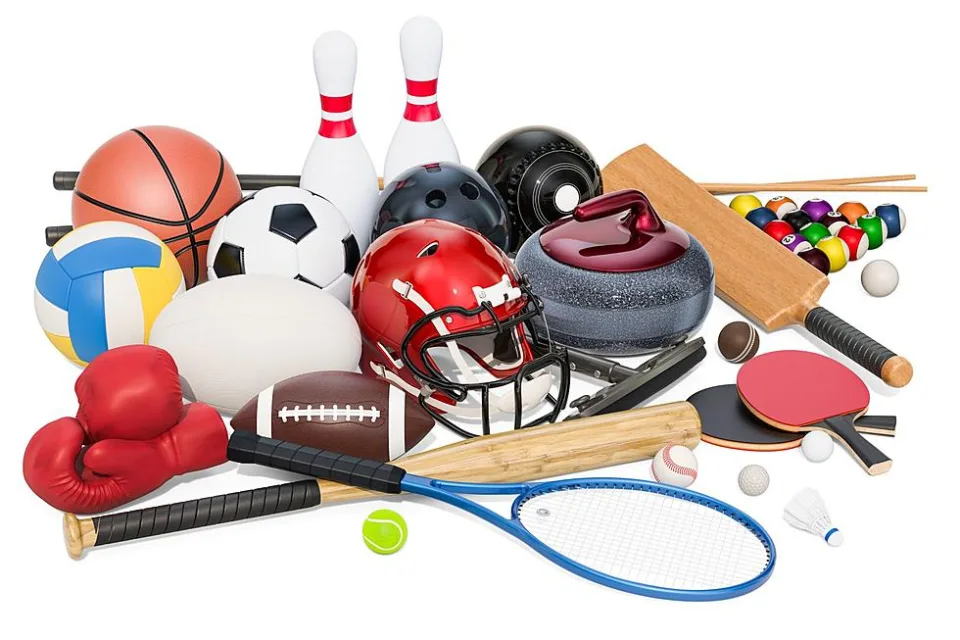
Choosing the Right Sports Gear: A Comprehensive Comparison Guide
The world of sports offers a vast array of activities, from the adrenaline-pumping thrill of team games to the serene focus of individual pursuits. Regardless of your chosen discipline, the right equipment can make a significant difference in your performance, enjoyment, and even safety. This guide delves into a comparative analysis of popular sports gear categories, helping you navigate the choices and make informed decisions to elevate your athletic endeavors.
I. Footwear: The Foundation of Athletic Performance
Your feet are your primary connection to the ground, and the shoes you wear are critical. Different sports place unique demands on footwear, necessitating specialized designs. We'll compare common categories to help you find the perfect fit.
A. Running Shoes vs. Training Shoes
While both are designed for comfort and support, running shoes and training shoes serve distinct purposes. Understanding these differences is key to preventing injuries and optimizing your workouts.
| Feature | Running Shoes | Training Shoes (Cross-Trainers) |
|---|---|---|
| Primary Focus | Forward motion, shock absorption, cushioning for repetitive impact. | Lateral stability, multi-directional movement support, versatility for various exercises. |
| Cushioning | Generally higher, especially in the heel and forefoot, to absorb impact from consistent strides. | Moderate cushioning, balanced throughout the shoe for stability during diverse movements. |
| Sole Design | Flexible sole with deep grooves for traction and propulsion in a linear direction. Often features specific heel-to-toe drop. | Flatter sole with a wider base for stability, reinforced sidewalls for lateral support. Less pronounced heel-to-toe drop. |
| Upper Material | Lightweight, breathable mesh to keep feet cool and reduce weight. | More durable and supportive materials, often with overlays for added structure. |
| Best For | Road running, track running, treadmill workouts. | Gym workouts, weightlifting, circuit training, cross-training, short sprints, some court sports. |
Key Takeaway: If your primary activity is running, invest in dedicated running shoes. For a mix of gym activities, cross-training, or if you're unsure, training shoes offer superior versatility and stability.
B. Cleats vs. Court Shoes
This comparison is crucial for athletes involved in field sports and indoor court sports.
| Feature | Cleats | Court Shoes |
|---|---|---|
| Purpose | Provide traction and grip on soft, natural surfaces like grass or turf. | Offer excellent grip and stability on smooth, hard indoor surfaces like wood or synthetic courts. |
| Sole Design | Feature studs (cleats) of varying lengths and patterns designed to dig into the ground for maximum grip and prevent slipping. | Flat, non-marking rubber soles with intricate tread patterns (often circular or herringbone) for multi-directional grip and quick pivots. |
| Support | Varying levels of ankle support, from low-cut to high-top, depending on the sport and player preference. | Emphasis on lateral support and ankle lockdown to prevent rolls during quick changes in direction. |
| Durability | Generally robust to withstand the rigors of outdoor play and abrasive surfaces. | Designed for indoor wear, focusing on durability against friction and impact on court surfaces. |
| Common Sports | Soccer, football, baseball, lacrosse, rugby, track and field (specific events). | Basketball, volleyball, tennis, badminton, squash, handball. |
Key Takeaway: Using the wrong type of shoe can lead to poor performance and increased risk of injury. Cleats are for outdoor fields, while court shoes are for indoor surfaces.
II. Apparel: Performance and Protection
Beyond aesthetics, sports apparel plays a vital role in comfort, temperature regulation, and freedom of movement. Let's compare different types of performance fabrics and styles.
A. Compression Wear vs. Loose-Fit Apparel
The debate between snug compression gear and comfortable loose-fit clothing is ongoing. Each offers distinct advantages.
| Feature | Compression Wear | Loose-Fit Apparel |
|---|---|---|
| Primary Benefit | Muscle support, improved blood circulation, potential for faster recovery, reduced muscle vibration. | Freedom of movement, breathability, comfort, ability to layer. |
| Fit | Tight, second-skin fit that applies gentle pressure to muscles and joints. | Roomy and relaxed fit that allows for unrestricted movement. |
| Material | Typically made from a blend of synthetic materials like spandex, nylon, and polyester for elasticity and moisture-wicking. | Can be made from a variety of materials, including cotton (less ideal for intense activity), polyester, or blends, prioritizing breathability and softness. |
| Temperature Regulation | Can help retain body heat in cooler conditions, but advanced fabrics also offer moisture-wicking to keep you dry. | Generally more breathable, allowing air to circulate and cool the body, especially in warmer conditions. |
| Best For | Endurance sports (running, cycling), strength training, post-workout recovery, activities where muscle support is desired. | Team sports, activities requiring a wide range of motion, casual sports, warm-weather training. |
Key Takeaway: Compression wear can offer performance and recovery benefits, particularly for endurance athletes. Loose-fit apparel prioritizes comfort and freedom of movement, making it suitable for a broader range of activities.
B. Synthetic Fabrics vs. Natural Fibers (e.g., Merino Wool)
The choice of fabric significantly impacts how your apparel performs during exercise.
- Synthetic Fabrics (Polyester, Nylon, Spandex):
- Pros: Excellent moisture-wicking properties, quick-drying, durable, resistant to stretching and shrinking, often lightweight. Ideal for high-intensity activities where sweat management is crucial.
- Cons: Can sometimes retain odors more than natural fibers, may feel less soft against the skin for some individuals.
- Natural Fibers (e.g., Merino Wool):
- Pros: Naturally odor-resistant, excellent temperature regulation (keeps you warm when it's cold and cool when it's hot), soft and comfortable against the skin, good moisture management (can absorb moisture without feeling wet). Ideal for varied conditions and longer-duration activities.
- Cons: Can be more expensive, may take longer to dry than synthetics, can be less durable than some synthetics if not cared for properly.
Key Takeaway: For intense workouts and activities where rapid sweat evaporation is key, synthetics are often the top choice. For versatile performance across different temperatures, odor resistance, and comfort, especially in cooler or variable conditions, merino wool is an excellent option.
III. Protective Gear: Safety First
When engaging in sports that involve impact, speed, or physical contact, protective gear is non-negotiable. Comparing different types of protection ensures you're adequately safeguarded.
A. Helmets: Cycling vs. Ski/Snowboard Helmets
While the primary function of all helmets is head protection, specialized designs cater to the unique risks of different sports.
| Feature | Cycling Helmets | Ski/Snowboard Helmets |
|---|---|---|
| Primary Design Focus | Lightweight, excellent ventilation for cooling during strenuous activity, protection against impact from falls on hard surfaces. | Maximum impact absorption from falls on snow/ice, often with insulation for warmth, protection against cold and wind. |
| Ventilation | Numerous large vents to maximize airflow and keep the rider cool. | Fewer, often smaller vents, sometimes adjustable, to balance ventilation with warmth. Some have integrated ventilation systems. |
| Coverage | Typically covers the top and sides of the head, with a small brim at the front. | Often offer more coverage, especially at the back of the head and around the ears, for greater protection in multi-directional impacts. |
| Weight | Prioritize being as lightweight as possible to minimize neck strain. | Can be slightly heavier due to added padding and structural reinforcement for cold-weather protection and impact resistance. |
| Additional Features | Often have a visor, compatibility with sunglasses, and a secure retention system. | May include goggle clips, ear pads, and compatibility with audio systems. Some have integrated visors. |
Key Takeaway: Never use a helmet designed for one sport in another. Cycling helmets prioritize ventilation and lightweight design, while ski/snowboard helmets offer greater insulation and impact protection for colder, potentially more severe falls.
B. Pads: Knee Pads vs. Elbow Pads
These are essential for sports involving falls or direct impact to joints.
- Knee Pads:
- Purpose: Protect the knee joint from impacts, abrasions, and direct blows. Crucial for sports like skateboarding, rollerblading, BMX biking, volleyball, and some forms of martial arts.
- Design Considerations: Look for a hard outer shell to absorb impact, ample padding underneath for cushioning, and a secure strap system to keep them in place during activity. Some offer articulation for better flexibility.
- Elbow Pads:
- Purpose: Protect the elbow joint from similar impacts and abrasions as knee pads. Essential for skateboarding, rollerblading, BMX, volleyball, and any sport where falls onto outstretched arms are common.
- Design Considerations: Similar to knee pads, a hard outer shell and sufficient padding are key. Ensure they fit snugly without restricting arm movement too much.
Key Takeaway: Both knee and elbow pads are vital for preventing common injuries in high-impact or fall-prone sports. Ensure a proper fit and adequate protection for the specific demands of your activity.
IV. Sports Equipment: Tools of the Trade
Beyond apparel and protective gear, the actual equipment used in sports can vary immensely. This section compares common equipment types within broader categories.
A. Racquets: Tennis Racquets vs. Badminton Racquets
While both involve hitting a projectile with a strung frame, the design differences are significant.
| Feature | Tennis Racquets | Badminton Racquets |
|---|---|---|
| Size and Weight | Larger head size, heavier weight (typically 250-350 grams strung). | Smaller head size, much lighter weight (typically 75-100 grams unstrung). |
| String Tension | Higher string tensions are common, providing more control. | Lower string tensions are typical, prioritizing power and shuttlecock speed. |
| Frame Construction | More robust and thicker frames to withstand the impact of a heavier ball. | Thinner, more flexible frames to generate speed and power with a lightweight shuttlecock. |
| Projectile | Tennis ball (dense, fuzzy, heavier). | Shuttlecock (lightweight, feathered or synthetic). |
| Play Style | Focus on power, spin, and court coverage. | Emphasis on speed, precision, and quick reflexes. |
Key Takeaway: Tennis racquets are built for power and durability against a heavier ball, while badminton racquets are designed for speed and agility with a lightweight shuttlecock.
B. Balls: Basketballs vs. Soccer Balls
The material, size, and construction of sports balls are tailored to their specific sport.
- Basketballs:
- Material: Typically made of leather (for indoor use) or composite materials (for indoor/outdoor use). The pebbled surface provides grip.
- Size and Weight: Standard sizes vary for men's (size 7), women's (size 6), and youth (size 5). Weight is also standardized.
- Construction: Designed for dribbling, shooting, and passing with hands. The bounce and grip are crucial.
- Soccer Balls:
- Material: Can be made of synthetic leather or polyurethane. The panels are stitched or thermally bonded.
- Size and Weight: Standard size 5 for adults and older youth, with smaller sizes for younger players. Weight is also regulated.
- Construction: Designed for kicking with feet. The aerodynamics and predictable flight are important. A smooth or slightly textured surface is common.
Key Takeaway: Basketballs are optimized for hand grip and bounce, while soccer balls are designed for foot control and predictable flight through the air.
V. Emerging Trends and Innovations
The sports industry is constantly evolving with new technologies and approaches to enhance athlete experience and performance.
A. Smart Wearables and Sensors
Wearable technology is revolutionizing how athletes train and monitor their progress.
- Functionality: These devices, often integrated into apparel or worn as accessories, can track a multitude of metrics including heart rate, GPS location, pace, cadence, sleep patterns, and even biomechanical data like stride length or power output.
- Benefits:
- Personalized training plans based on real-time data.
- Injury prevention through early detection of fatigue or overtraining.
- Objective performance analysis and goal setting.
- Enhanced engagement and motivation.
- Comparison Points: When choosing, consider the specific sport you participate in, the metrics you want to track, battery life, comfort, and compatibility with other devices or apps.
B. Sustainable Sports Gear
There's a growing movement towards eco-friendly sports equipment and apparel.
- Materials: Brands are increasingly using recycled plastics, organic cotton, bamboo, and other sustainable materials in the production of footwear, apparel, and equipment.
- Manufacturing Processes: Focus on reducing water usage, energy consumption, and chemical waste in production.
- Benefits: Reduces environmental impact, appeals to environmentally conscious consumers, and often results in high-quality, durable products.
- Considerations: Look for certifications or transparent information about the sustainability practices of brands.
VI. Making Your Final Choice: Key Considerations
Selecting the right sports gear involves more than just looking at features. Here are crucial factors to keep in mind:
- Sport Specificity: Always prioritize gear designed for your primary sport. Using general-purpose items might suffice for casual participation but will likely hinder performance and increase injury risk for serious athletes.
- Fit and Comfort: This is paramount. Ill-fitting gear can cause blisters, chafing, pain, and impede movement. Try on items whenever possible and ensure they feel supportive and comfortable without being restrictive.
- Performance Needs: Consider your goals. Are you aiming for peak performance, enhanced recovery, or simply enjoyment? Your needs will dictate whether you lean towards advanced technological features or more basic, comfortable options.
- Durability and Quality: Investing in well-made gear, even if it's a bit more expensive upfront, often pays off in the long run through increased lifespan and better performance.
- Budget: Set a realistic budget. While top-tier gear can be costly, there are excellent mid-range options that offer great value. Research and compare prices, and consider buying during sales events.
- Personal Preference: Ultimately, what feels right for you is crucial. Some athletes prefer a minimalist feel, while others need maximum cushioning and support. Trust your instincts and what works best for your body and style of play.
By carefully considering these comparisons and factors, you can confidently select the sports gear that will best support your athletic journey, enhance your performance, and ensure your safety and enjoyment for years to come.


