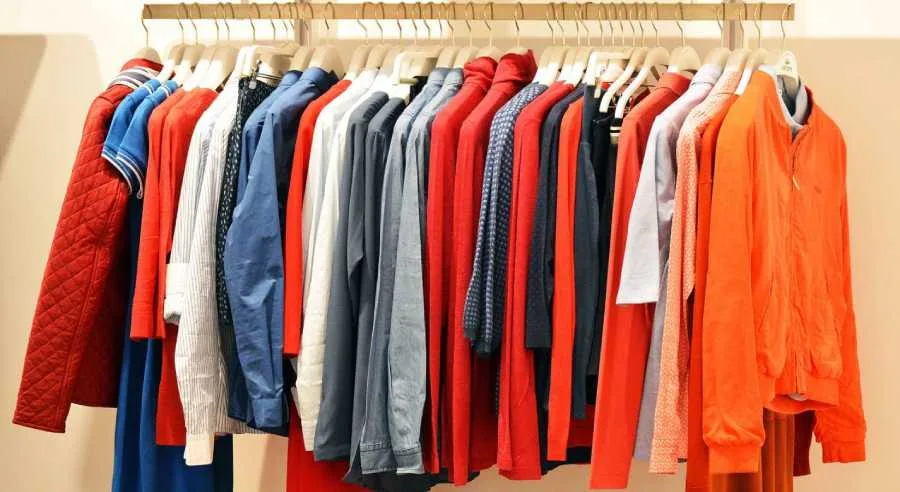
Natural Fibers vs. Synthetic Fabrics: A Comprehensive Guide to Choosing Your Apparel
In the vast world of apparel and clothing, the debate between natural fibers and synthetic fabrics is as old as the modern textile industry itself. Whether you are building a sustainable capsule wardrobe, preparing for an intense athletic workout, or looking for the perfect formal attire, the fabric you choose dictates your comfort, durability, and environmental footprint. Understanding the nuances of these materials is essential for any conscious consumer looking to make informed purchasing decisions.
This guide dives deep into the characteristics, pros, and cons of both categories, helping you navigate the aisles of your favorite clothing stores with confidence.
Understanding Natural Fibers: The Essence of Nature
Natural fibers are derived from plants and animals. They have been used by humans for millennia and are often prized for their breathability, hypoallergenic properties, and biodegradable nature. The most common natural fibers include cotton, wool, silk, and linen.
1. Cotton: The Everyday Essential
Cotton is arguably the most popular fabric in the world. It is soft, absorbent, and breathable, making it the go-to choice for t-shirts, denim, and casual loungewear. Because it is a plant-based fiber, it is highly comfortable against the skin, especially for those with sensitive conditions.
2. Wool: Nature’s Performance Fabric
Wool is a protein fiber obtained from sheep and other animals. It is famous for its thermoregulating properties—it keeps you warm in the winter and cool in the summer. Furthermore, wool is naturally moisture-wicking and odor-resistant, making it a favorite for outdoor enthusiasts and luxury knitwear.
3. Linen: The King of Summer
Made from the flax plant, linen is celebrated for its incredible breathability and moisture-wicking capabilities. Its structured yet relaxed aesthetic makes it the quintessential fabric for warm-weather apparel. While it is prone to wrinkling, many fashion enthusiasts view this as part of its charm.
Exploring Synthetic Fabrics: Engineered for Performance
Synthetic fabrics are man-made through chemical processes, typically derived from petroleum-based products. These materials were engineered to overcome the limitations of natural fibers—specifically regarding durability, wrinkle resistance, and moisture management.
1. Polyester: The Durable Workhorse
Polyester is the most widely used synthetic fiber. It is incredibly durable, resistant to shrinking and stretching, and dries very quickly. You will find it in everything from fast-fashion dresses to high-performance sportswear.
2. Nylon: Strength and Elasticity
Nylon was the first truly synthetic fiber to be mass-produced. It is known for its high strength, elasticity, and abrasion resistance. It is commonly used in activewear, swimwear, and hosiery where a snug fit and durability are required.
3. Spandex (Elastane): The Key to Flexibility
Rarely used on its own, spandex is almost always blended with other fibers to add stretch. It can expand to many times its original size and snap back to its shape, making it indispensable for leggings, skinny jeans, and form-fitting garments.
Comparison Table: Natural vs. Synthetic Fabrics
| Feature | Natural Fibers | Synthetic Fabrics |
|---|---|---|
| Breathability | High | Low to Moderate |
| Durability | Moderate | High |
| Moisture Management | Absorbent | Wicking (Quick-dry) |
| Environmental Impact | Biodegradable (mostly) | Non-biodegradable (microplastics) |
| Maintenance | Requires care (shrinking) | Easy care (machine wash) |
How to Choose the Right Fabric for Your Needs
Deciding between natural and synthetic isn't about choosing a "better" material; it is about choosing the right material for the specific context of your apparel.
For Activewear and Athletics
If you are heading to the gym, synthetic blends are generally superior. Materials like polyester and nylon are designed to wick sweat away from the body, preventing the heavy, damp feeling associated with cotton. Look for "moisture-wicking" labels that indicate engineered synthetic blends.
For Daily Comfort and Loungewear
For everyday wear, natural fibers win hands down. Cotton, modal, and bamboo-derived fibers provide a soft, breathable experience that is gentle on the skin. They are perfect for sleepwear, loungewear, and casual daily outfits where extreme durability is less of a concern than comfort.
For Formal and Professional Attire
In professional settings, a blend is often the best of both worlds. A wool-polyester blend, for instance, offers the structure and warmth of wool while gaining the wrinkle resistance and durability of polyester. This is why high-quality suits often utilize blended fabrics.
Sustainability Considerations in Apparel
As the fashion industry faces scrutiny regarding its environmental impact, the choice between natural and synthetic has taken on a new dimension. Here is what you should consider:
- Microplastics: Synthetic fabrics shed microplastics during every wash, which eventually find their way into the oceans. If you choose synthetics, consider using a laundry bag designed to catch microfibers.
- Resource Consumption: While natural fibers are biodegradable, they are not always eco-friendly. Conventional cotton, for example, requires vast amounts of water and pesticides. Look for "Organic Cotton" or "GOTS Certified" labels to ensure lower environmental impact.
- Longevity: The most sustainable garment is the one that lasts the longest. Sometimes, a high-quality synthetic blend that lasts ten years is more sustainable than a natural fiber garment that wears out in six months.
The Rise of Semi-Synthetic Fibers
To bridge the gap between natural and synthetic, the industry has embraced semi-synthetic fibers like Tencel (Lyocell) and Viscose. These are made from wood pulp (a natural source) but undergo chemical processing to create a fabric. They often offer the breathability of natural fibers with the drape and softness of silk or rayon, providing a compelling middle ground for modern apparel.
Conclusion: Building a Balanced Wardrobe
There is no rule that says your closet must be exclusively natural or exclusively synthetic. The most functional and stylish wardrobes are built on a foundation of both. By understanding the unique properties of these materials, you can curate a collection of clothing that looks great, feels comfortable, and serves its purpose effectively.
When shopping, take a moment to check the garment tags. Ask yourself: Is this for high-intensity activity, or is it for all-day comfort? Does it require frequent washing, or does it need to be breathable? By aligning the material properties with your lifestyle needs, you will not only improve your personal comfort but also extend the life of your apparel, making you a more savvy and sustainable shopper in the process.
Ultimately, the best choice is one that balances your personal style, your budget, and your values. Whether you gravitate toward the crisp feel of linen or the reliable performance of polyester, knowing what you are wearing is the first step toward a more intentional approach to fashion.