The Ultimate Guide to Choosing the Perfect Home Accessories
Elevate your living space from ordinary to extraordinary with the right home accessories. More than just decorative elements, these carefully selected items can transform the ambiance, functionality, and overall feel of your home. Whether you're looking to add a touch of personality, enhance comfort, or simply organize your belongings, understanding how to choose the best home accessories is key. This comprehensive guide will walk you through the essential considerations, popular trends, and practical tips to help you curate a home that truly reflects your style and meets your needs.
Understanding the Role of Home Accessories
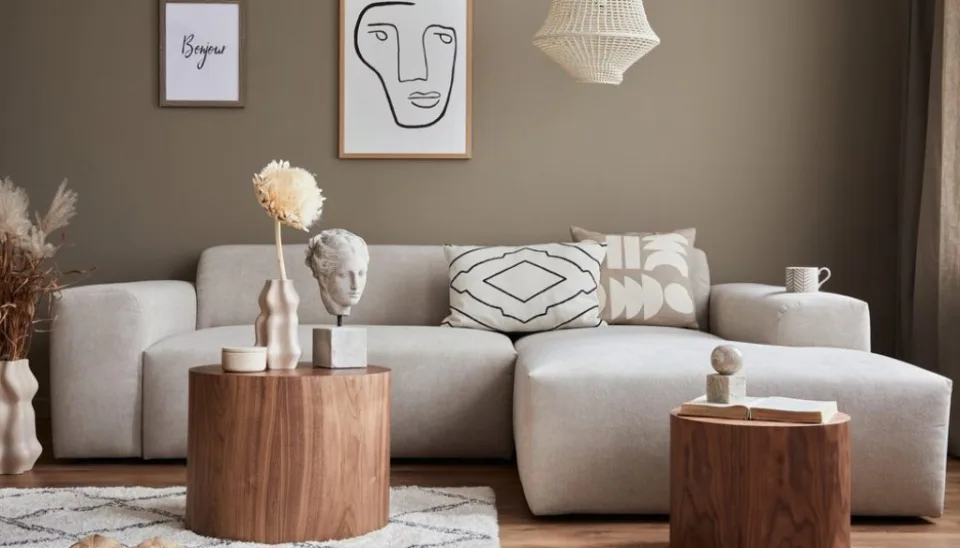
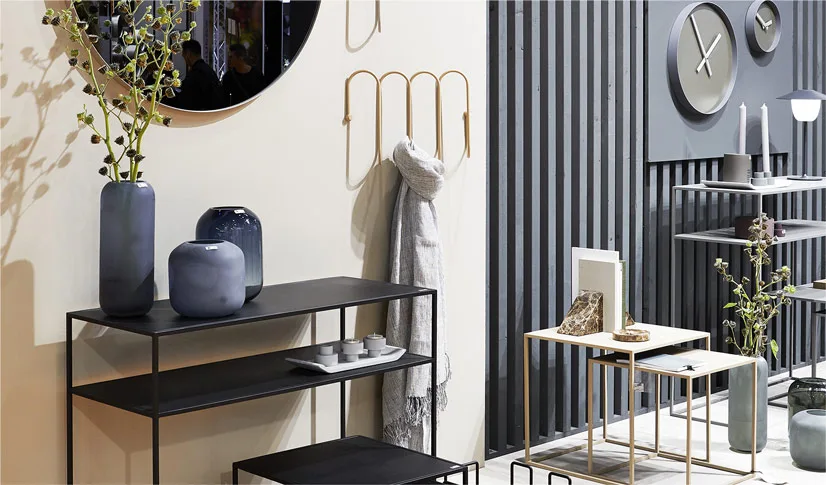
Home accessories are the finishing touches that bring a room to life. They are the elements that go beyond essential furniture and appliances, adding character, warmth, and personality. Think of them as the jewelry for your home – they complete the look and make a statement. Their role extends beyond aesthetics; they can also:
- Enhance Functionality: Many accessories serve practical purposes, such as storage solutions, lighting, or even comfort enhancers like throws and cushions.
- Define Style: Accessories are powerful tools for expressing your personal taste, whether it's minimalist, bohemian, modern, or classic.
- Create Ambiance: The right lighting, scent, and textures from accessories can significantly influence the mood and atmosphere of a room.
- Add Personality: Unique pieces, artwork, and personal mementos showcased through accessories tell your story and make your home feel truly yours.
- Improve Comfort: Soft textiles, ergonomic cushions, and ambient lighting all contribute to a more comfortable and inviting living environment.
Key Considerations When Choosing Home Accessories
Before you start browsing, it's crucial to have a clear vision and consider several factors to ensure your accessory choices complement your existing decor and lifestyle. This strategic approach will prevent impulse buys and lead to a more cohesive and satisfying outcome.
1. Your Personal Style and Aesthetic
This is the most important factor. What is your preferred design style? Are you drawn to clean lines and neutral palettes (minimalist), vibrant colors and eclectic patterns (bohemian), sleek surfaces and geometric shapes (modern), or timeless elegance and traditional motifs (classic)? Identifying your core style will guide your choices and ensure a harmonious look.
- Minimalist: Opt for simple, functional items with clean lines and a limited color palette. Think sleek vases, geometric planters, and understated throws.
- Bohemian: Embrace textures, patterns, and a mix of global influences. Consider macrame wall hangings, colorful rugs, and an abundance of plants.
- Modern: Focus on sleek, sophisticated pieces. Look for metallic accents, abstract art, and sculptural decorative objects.
- Farmhouse/Rustic: Incorporate natural materials and a sense of warmth. Woven baskets, wooden accents, and vintage-inspired decor work well.
- Coastal: Bring the outdoors in with blues, whites, and natural textures. Seashells, driftwood, and nautical-themed items are perfect.
2. The Room's Function and Purpose
Consider how each room is used. A living room might require cozy throws and decorative pillows for comfort, while a kitchen might benefit from stylish utensil holders and decorative canisters. A bedroom could be enhanced by soft lighting and calming artwork.
- Living Room: Focus on comfort and conversation. Cushions, throws, decorative trays, coffee table books, and accent lamps are great choices.
- Bedroom: Aim for tranquility and relaxation. Soft bedding, bedside lamps, artwork, and perhaps a decorative mirror.
- Kitchen: Prioritize functionality with a touch of style. Decorative bowls, utensil crocks, stylish cutting boards, and tea towels.
- Bathroom: Think about organization and spa-like elements. Decorative soap dispensers, plush towels, small plants, and scented candles.
- Home Office: Blend productivity with inspiration. Desk organizers, stylish pen holders, motivational artwork, and task lighting.
3. Scale and Proportion
The size of your accessories should be proportionate to the size of the room and the furniture within it. Oversized items can overwhelm a small space, while tiny accessories can get lost in a large room. Measure your space and visualize how the accessory will fit before purchasing.
- Large Rooms: Consider larger statement pieces like oversized floor vases, large-scale artwork, or substantial sculptures.
- Small Rooms: Opt for smaller, more delicate items. A cluster of small vases, a medium-sized rug, or wall-mounted shelves can add impact without clutter.
- Furniture Placement: Ensure accessories don't obstruct pathways or make furniture feel cramped. A coffee table tray should be large enough to be useful but not so large it hinders movement.
4. Color Palette and Cohesion
Accessories are a fantastic way to introduce or complement your room's color scheme. You can either stick to a consistent palette for a serene look or use accessories to add pops of contrasting color for visual interest.
- Monochromatic: Use varying shades and textures of a single color for a sophisticated and unified feel.
- Complementary Colors: Introduce accent colors that are opposite each other on the color wheel for a vibrant and dynamic look.
- Analogous Colors: Use colors that are next to each other on the color wheel for a harmonious and pleasing effect.
- Neutrals with Accents: A neutral base allows you to easily introduce accent colors through accessories, making it easy to update your decor seasonally.
5. Material and Texture
The materials and textures of your accessories play a significant role in the overall sensory experience of a room. Mixing different textures adds depth and visual interest, making your space feel more inviting and dynamic.
- Natural Materials: Wood, rattan, jute, linen, and cotton bring warmth and an organic feel.
- Metals: Brass, gold, silver, and copper can add a touch of glamour and sophistication.
- Glass: Clear, colored, or frosted glass can add elegance and play with light.
- Ceramics and Stone: Offer a grounded and earthy feel, perfect for vases, planters, and decorative objects.
- Textiles: Velvet, silk, wool, and faux fur add softness, comfort, and luxury.
6. Budget
Home accessories range from budget-friendly finds to high-end investments. Set a realistic budget for your accessory purchases to avoid overspending. You can achieve a stylish look with a mix of affordable and splurge items.
- Affordable Finds: Look for great deals at discount stores, thrift shops, or during sales events.
- Mid-Range Options: Many online retailers and home decor stores offer a good balance of quality and price.
- Investment Pieces: Consider splurging on a few key items that you truly love and that will stand the test of time, such as a high-quality throw or a unique piece of art.
Popular Home Accessory Categories and How to Choose
Let's dive into some of the most popular categories of home accessories and provide specific guidance for selecting the best items.
Decorative Objects
These are the pieces that add personality and visual interest. They can be anything from sculptures and vases to decorative bowls and figurines.
- Vases: Choose vases that complement your style. Ceramic vases for a rustic look, glass vases for modern elegance, or metallic vases for a touch of glamour. Consider their size and shape for floral arrangements or as standalone decorative pieces.
- Sculptures: From abstract art to animal figures, sculptures add a focal point. Ensure the material and style align with your decor.
- Decorative Bowls: Perfect for coffee tables or entryways, decorative bowls can hold keys, remotes, or simply stand alone as art pieces.
- Candles and Candle Holders: Create ambiance and a pleasant scent. Opt for holders that match your decor, from minimalist glass to ornate metal designs.
Textiles: Cushions, Throws, and Rugs
Soft furnishings are crucial for comfort and layering. They add color, pattern, and texture to a room.
- Cushions (Pillows): Mix and match sizes, shapes, and textures. Combine solid colors with patterns, and smooth fabrics with textured ones. They are an easy way to update your sofa or armchair.
- Throws: A cozy throw adds warmth and a touch of luxury. Consider materials like wool, cashmere, or soft cotton. Drape it over a sofa, armchair, or the foot of a bed.
- Rugs: A rug can define a space, add warmth, and absorb sound. Consider the material (wool for durability, jute for a natural look), size (ensure it's proportionate to the furniture arrangement), and pattern.
Wall Decor: Art, Mirrors, and Shelving
Transforming your walls can dramatically change the feel of a room.
- Artwork: Choose pieces that resonate with you. Consider prints, paintings, photographs, or even tapestries. Grouping smaller pieces can create a gallery wall effect.
- Mirrors: Mirrors not only add decorative flair but also make spaces appear larger and brighter by reflecting light. Consider ornate frames for a classic look or simple, frameless mirrors for a modern aesthetic.
- Shelving: Floating shelves, wall-mounted units, or decorative ladder shelves provide both storage and display space for smaller accessories, books, and plants.
Lighting Accessories
Lighting is a key element in creating atmosphere and functionality.
- Table Lamps: Provide task lighting or ambient light. Choose bases and shades that complement your decor.
- Floor Lamps: Offer general illumination or can be used to highlight specific areas.
- String Lights/Fairy Lights: Add a whimsical and cozy touch, perfect for bedrooms, patios, or festive occasions.
Storage and Organization Accessories
Keep your home tidy and stylish with functional storage solutions.
- Baskets: Woven baskets, wire baskets, or fabric bins are excellent for storing blankets, magazines, toys, or other items.
- Trays: Decorative trays are perfect for organizing items on coffee tables, ottomans, or dressers. They can also be used to serve drinks or snacks.
- Organizers: Drawer organizers, desk organizers, and vanity trays help keep smaller items neat and accessible.
Current Trends in Home Accessories
Staying updated with trends can inspire your choices, but remember to adapt them to your personal style rather than blindly following them.
Sustainable and Eco-Friendly Materials
There's a growing demand for accessories made from recycled, upcycled, or sustainably sourced materials. Think bamboo, cork, reclaimed wood, and organic cotton.
Biophilic Design Elements
Bringing the outdoors in continues to be a strong trend. This includes an abundance of houseplants, natural materials, and nature-inspired patterns and colors.
Textural Richness
Layering different textures is key to creating a cozy and inviting space. Expect to see more of boucle, velvet, chunky knits, and natural woven materials.
Statement Pieces
Bold colors, unique shapes, and eye-catching designs are being used to create focal points and add personality to rooms.
Vintage and Retro Influences
Incorporating vintage finds or retro-inspired pieces adds character and a sense of history to a home.
Tips for Styling and Arranging Home Accessories
Once you've chosen your accessories, the art of arrangement comes into play. Here are some tips to help you create visually appealing displays:
- The Rule of Three: Grouping items in odd numbers (especially three) often creates a more dynamic and pleasing arrangement than even numbers.
- Vary Heights and Shapes: Combine tall items with short ones, and varied shapes to create visual interest.
- Create Focal Points: Use larger or more striking accessories to draw the eye.
- Don't Overcrowd: Leave some empty space. "Less is often more" when it comes to accessories.
- Consider the Flow: Ensure your accessories don't impede movement or make the space feel cluttered.
- Balance: Distribute accessories evenly throughout the room to avoid making one area feel too heavy or too sparse.
- Layering: Place smaller items in front of larger ones, or use trays to group items together.
Where to Find Quality Home Accessories
The market for home accessories is vast. You can find great pieces from a variety of sources:
| Source Type | Pros | Cons |
|---|---|---|
| Online Retailers (e.g., Amazon, Wayfair, Etsy) | Vast selection, convenience, competitive pricing, user reviews. | Cannot see/touch items before buying, potential for shipping damage. |
| Specialty Home Decor Stores | Curated selections, expert advice, unique finds, tactile experience. | Can be more expensive, limited selection compared to online. |
| Department Stores | Wide variety of styles and price points, often have sales. | May lack the unique appeal of specialty stores. |
| Antique Shops & Flea Markets | Unique, one-of-a-kind items with history and character. | Requires patience and searching, condition may vary. |
| DIY & Upcycling | Cost-effective, highly personalized, sustainable. | Requires time, effort, and creativity. |
Conclusion
Choosing the right home accessories is an art form that transforms a house into a home. By carefully considering your personal style, the function of each room, scale, color, material, and budget, you can curate a collection of accessories that not only enhances your living space but also reflects your unique personality. Don't be afraid to experiment, mix and match, and most importantly, choose pieces that bring you joy. With thoughtful selection and strategic arrangement, your home accessories will elevate your everyday living experience, making your home a true sanctuary.