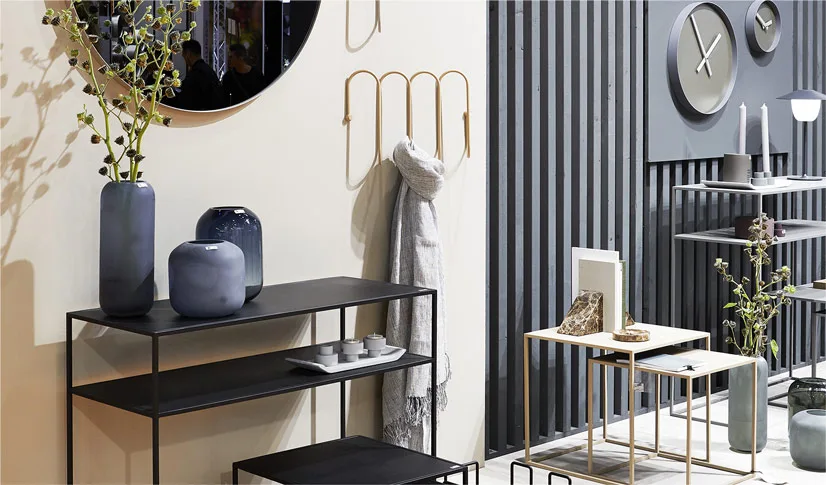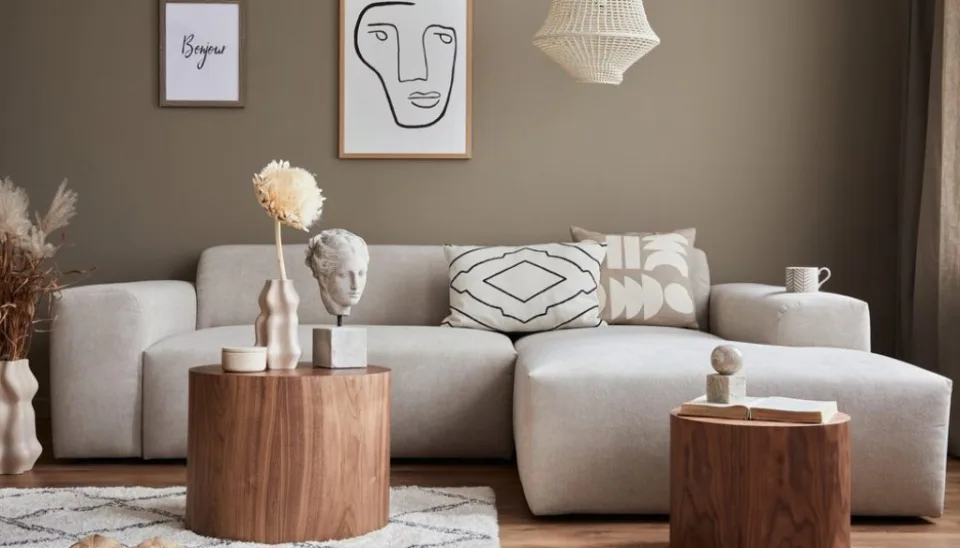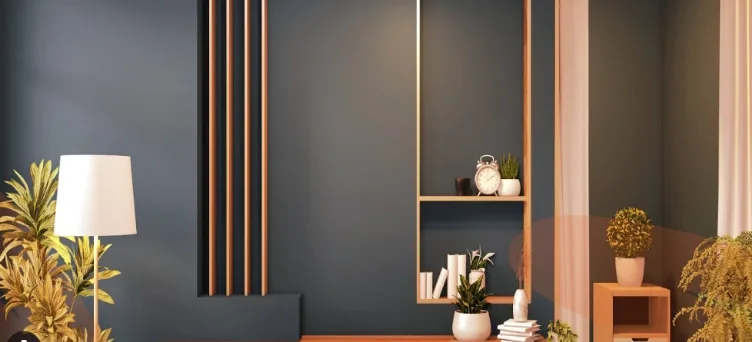
The Ultimate Guide to Choosing the Perfect Home Accessories
Elevating your living space goes beyond furniture and paint. It's the thoughtful selection of home accessories that truly breathes life, personality, and functionality into your home. From the smallest decorative accent to the most practical organizational tool, home accessories are the finishing touches that transform a house into a sanctuary. This comprehensive guide will walk you through the essential considerations when choosing home accessories, ensuring you create a space that is both aesthetically pleasing and perfectly suited to your lifestyle.
Understanding the Role of Home Accessories
Before diving into the specifics of selection, it's crucial to understand what constitutes a home accessory and its impact on your interior design. Home accessories are typically smaller items that complement the larger pieces of furniture and architectural elements of a room. They serve a variety of purposes:
- Aesthetics: Accessories add color, texture, pattern, and visual interest, breaking up monotony and creating focal points.
- Personality: They are a powerful way to express your individual style, interests, and experiences. Think of art, travel souvenirs, or unique handcrafted items.
- Functionality: Many accessories serve practical purposes, such as providing lighting, storage, or comfort. Examples include lamps, decorative boxes, and throw pillows.
- Cohesion: Well-chosen accessories tie different elements of a room together, creating a harmonious and balanced feel.
- Mood Setting: Accessories can significantly influence the atmosphere of a room, whether it's cozy, energizing, sophisticated, or relaxed.
Key Factors to Consider When Buying Home Accessories
The world of home accessories is vast and varied. To make informed decisions, consider these crucial factors:
1. Your Personal Style and Aesthetic
This is arguably the most important factor. Your home should reflect who you are. Are you drawn to minimalist, modern designs with clean lines and neutral palettes? Or do you prefer a more eclectic, bohemian vibe with vibrant colors and mixed patterns? Perhaps a classic, traditional style with timeless pieces appeals to you. Identifying your core aesthetic will guide your choices and prevent impulse buys that don't fit your overall vision.
Identifying Your Style: A Quick Checklist
- What colors do you gravitate towards?
- What textures do you find appealing (e.g., smooth, rough, soft, metallic)?
- Do you prefer simple and understated or bold and expressive?
- What kind of atmosphere do you want to create in each room?
- Are there any particular eras or design movements that inspire you?
2. The Room's Purpose and Functionality
Consider the primary function of the room you are accessorizing. A living room might benefit from cozy throws and decorative pillows for comfort, alongside statement art pieces. A home office, on the other hand, will prioritize functional desk accessories, organizational tools, and perhaps an inspiring piece of art. A bedroom might focus on creating a serene atmosphere with soft lighting and plush textiles.
| Room Type | Key Functional Accessories | Key Aesthetic Accessories |
|---|---|---|
| Living Room | Throw pillows, blankets, decorative trays, coasters, floor lamps, accent lighting | Wall art, sculptures, vases, decorative bowls, candles, mirrors |
| Bedroom | Bedding, throw blankets, bedside lamps, decorative storage boxes | Wall art, accent pillows, decorative mirrors, plants, personal photos |
| Kitchen | Utensil holders, decorative canisters, cutting boards, placemats, kitchen towels | Wall art, decorative jars, small plants, unique serving dishes |
| Home Office | Desk organizers, pen holders, task lighting, storage baskets, waste bins | Wall art, desk plants, decorative paperweights, inspirational quotes |
| Bathroom | Towel racks, soap dispensers, toothbrush holders, storage caddies, bath mats | Decorative mirrors, small plants, scented candles, framed prints |
3. Scale and Proportion
The size of your accessories is critical to achieving a balanced look. Oversized items can overwhelm a small space, while tiny accessories can get lost in a large room. Always measure your space and consider the scale of existing furniture before purchasing. For example, a large, sprawling sofa might call for bigger throw pillows, while a delicate accent chair would be better complemented by smaller, more refined accessories.
- For small spaces: Opt for fewer, larger pieces rather than many small ones. Wall-mounted shelves and vertical storage can also maximize space.
- For large spaces: Use accessories to fill empty areas and create defined zones. Grouping smaller items together can also create a more impactful display.
4. Color Palette and Harmony
Accessories are your secret weapon for introducing color and tying your room's color scheme together. You can use them to:
- Introduce accent colors: Add pops of vibrant color through pillows, throws, or decorative objects.
- Reinforce the existing palette: Choose accessories in shades that already exist in your room's paint, furniture, or other decor.
- Create contrast: Use accessories in complementary colors to make certain elements stand out.
Consider the 60-30-10 rule: 60% of the room's color should be dominant, 30% secondary, and 10% accent. Accessories are perfect for the 10% accent color, adding personality without overwhelming the space.
5. Texture and Material
Texture adds depth and visual interest, preventing a room from feeling flat. Mixing different textures is key to creating a rich and inviting environment. Consider:
- Soft textures: Think plush velvet pillows, chunky knit throws, faux fur rugs.
- Smooth textures: Polished metal, glass, lacquered finishes.
- Natural textures: Woven baskets, wooden accents, stone elements, natural fibers like linen and cotton.
- Rough textures: Unfinished wood, terracotta, rough-hewn ceramics.
Combining these different textures in your accessories will create a more layered and sophisticated look.
6. Lighting as an Accessory
Lighting is not just functional; it's a crucial decorative element. Beyond overhead lighting, consider:
- Table lamps: Provide task lighting and add a decorative touch to side tables, consoles, and desks.
- Floor lamps: Offer ambient light and can act as a sculptural element in a room.
- Accent lighting: Small spotlights or picture lights can highlight artwork or architectural features.
- Candles and string lights: Create a warm, inviting, and cozy ambiance.
The style of your lamps – from modern metal designs to classic ceramic bases – will also contribute to your room's overall aesthetic.
7. Wall Decor: More Than Just Pictures
Your walls are a blank canvas for expressing your style. Beyond traditional framed artwork, consider:
- Mirrors: Reflect light, create the illusion of space, and add a decorative element. Choose frames that match your style, from ornate to minimalist.
- Wall tapestries and hangings: Introduce texture, color, and a bohemian or artisanal feel.
- Shelving: Functional and decorative, shelves can display books, plants, and curated collections.
- Gallery walls: A curated collection of art, photos, and decorative objects arranged together.
- Wall sculptures and metal art: Add three-dimensional interest and a unique focal point.
8. Decorative Objects and Accents
These are the smaller items that add personality and polish. Think about:
- Vases: Whether filled with fresh flowers or displayed empty, vases come in countless shapes, sizes, and materials.
- Bowls and trays: Useful for corralling small items on coffee tables, entryways, or dressers, and can also be decorative on their own.
- Sculptures and figurines: Add a touch of artistry and personal interest.
- Candles and diffusers: Engage the sense of smell and add a warm glow.
- Plants: Bring life, color, and a sense of calm to any space.
9. Storage Solutions as Accessories
Clutter can detract from even the most beautiful decor. Smart storage solutions can be both functional and stylish:
- Decorative baskets: Perfect for storing blankets, magazines, toys, or other essentials in plain sight.
- Storage ottomans and benches: Offer hidden storage and extra seating.
- Trays and boxes: Keep surfaces tidy and organized, from remote controls on the coffee table to toiletries in the bathroom.
- Wall-mounted shelves and cabinets: Provide storage without taking up floor space.
Trending Home Accessories for Today's Homes
Keeping an eye on current trends can inspire your choices, but remember to adapt them to your personal style rather than blindly following fads.
1. Sustainable and Eco-Friendly Materials
There's a growing emphasis on accessories made from natural, recycled, or sustainably sourced materials. Think bamboo, rattan, reclaimed wood, recycled glass, and organic cotton.
2. Biophilic Design Elements
Bringing the outdoors in remains a strong trend. This includes an abundance of houseplants, natural materials, and nature-inspired motifs.
3. Textured Neutrals
While bold colors are always in, there's a significant trend towards layering various textures within a neutral color palette. Think chunky knits, bouclé fabrics, woven elements, and matte finishes.
4. Artisanal and Handmade Items
There's a renewed appreciation for unique, handcrafted pieces that tell a story. This includes ceramics, macrame, hand-painted items, and custom-made decor.
5. Bold Statement Pieces
While neutrals are popular, a single, well-chosen statement piece – whether it's a large piece of art, a dramatic lamp, or a sculptural vase – can add significant personality and act as a focal point.
6. Smart Home Integration
Accessories that blend technology with design are becoming more common, from smart lighting that can be controlled by an app to stylish smart speakers.
Tips for Buying Home Accessories Effectively
Navigating the market for home accessories can be overwhelming. Here are some practical tips to make your shopping experience more successful:
- Start with a plan: Before you buy, have a clear idea of what you need and what you're looking for.
- Measure your space: Always measure the dimensions of the area where the accessory will go.
- Shop around: Compare prices and styles from different retailers, both online and in-store.
- Don't be afraid to mix and match: Combine accessories from different sources and styles to create a unique look.
- Consider quality over quantity: Invest in a few high-quality pieces that will last rather than many cheap items that will need replacing.
- Read reviews: For online purchases, check customer reviews for insights into product quality and durability.
- Think about maintenance: Some materials require more care than others. Choose accessories that fit your lifestyle and willingness to maintain them.
- Buy in layers: You don't need to buy all your accessories at once. Build your collection over time, adding pieces that truly resonate with you.
- Trust your instincts: Ultimately, the best accessories are the ones that you love and that make you feel happy in your home.
Conclusion: Creating a Cohesive and Personal Space
Home accessories are the unsung heroes of interior design. They are the elements that inject personality, warmth, and functionality into your living spaces. By carefully considering your personal style, the purpose of each room, scale, color, texture, and the latest trends, you can curate a collection of home accessories that not only enhances your home's aesthetics but also creates a truly comfortable and inviting environment. Remember that your home should be a reflection of you, so choose pieces that bring you joy and make your house feel like a home.