The Ultimate Guide to Choosing the Perfect Home Accessories
Your home is more than just a place to live; it's a sanctuary, a reflection of your personality, and a space where memories are made. While furniture forms the backbone of any room, it's the carefully curated home accessories that truly bring a space to life, infusing it with character, comfort, and style. From decorative accents to functional essentials, home accessories play a pivotal role in transforming a house into a welcoming and aesthetically pleasing abode. This comprehensive guide will walk you through the process of selecting the perfect home accessories, covering everything from understanding your style to navigating the vast array of options available.
Understanding Your Personal Style: The Foundation of Great Decor
Before diving into the world of cushions, throws, and decorative objects, it's crucial to identify your personal aesthetic. This will serve as your compass, ensuring that every accessory you choose harmonizes with your existing decor and contributes to a cohesive and inviting atmosphere. Consider the following to pinpoint your style:
1. Explore Different Interior Design Styles:
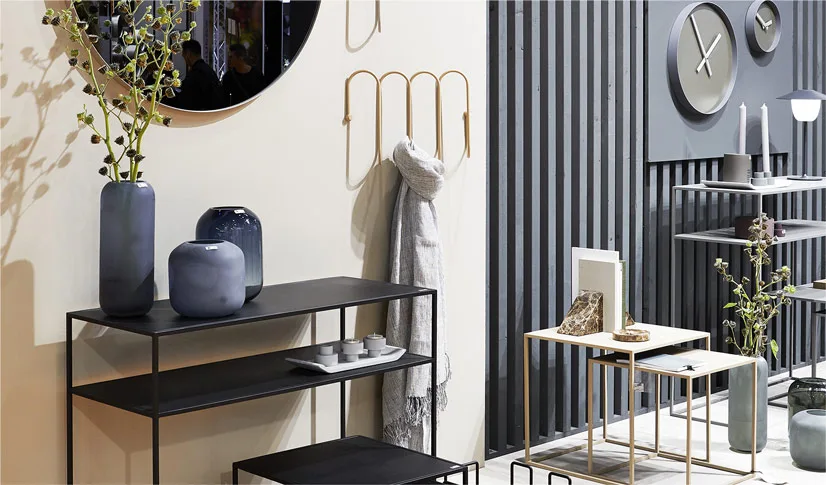
- Minimalist: Characterized by clean lines, a neutral color palette, and a focus on essential items. Accessories are functional, understated, and thoughtfully placed. Think sleek vases, simple sculptures, and high-quality textiles.
- Bohemian (Boho): Embraces a free-spirited and eclectic vibe, often incorporating natural elements, vibrant colors, and global influences. Look for macrame wall hangings, patterned rugs, woven baskets, and an abundance of plants.
- Mid-Century Modern: Celebrates organic shapes, retro flair, and a blend of natural and man-made materials. Accessories might include atomic-inspired clocks, geometric patterns, and furniture-like decorative pieces.
- Industrial: Draws inspiration from factories and urban lofts, featuring raw materials like metal, brick, and wood. Accessories often have a utilitarian feel, such as exposed bulb lighting, metal shelving, and distressed finishes.
- Farmhouse: Evokes a sense of rustic charm and comfort, with a focus on natural materials, vintage finds, and a cozy, lived-in feel. Think galvanized metal accents, wooden signs, gingham patterns, and antique-inspired pieces.
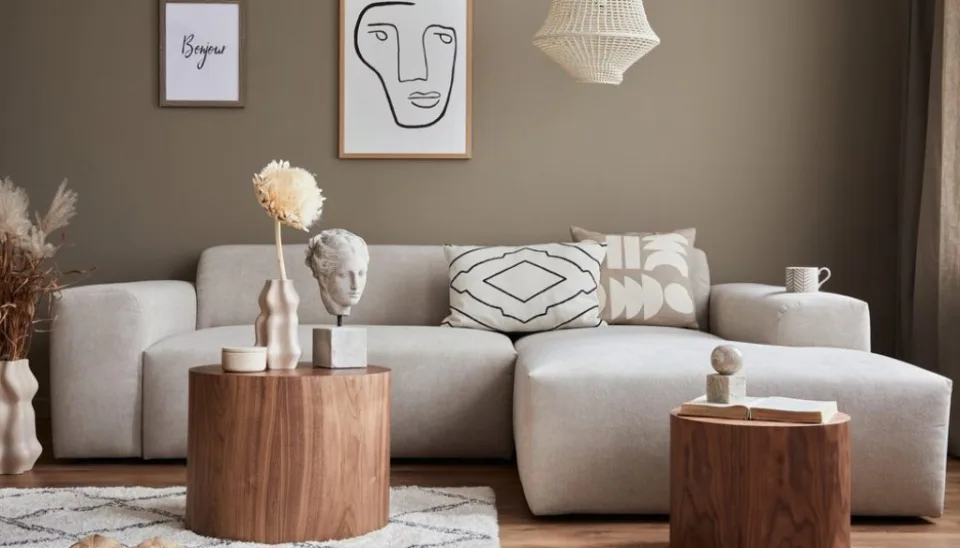
- Scandinavian: Prioritizes simplicity, functionality, and a connection to nature. Characterized by light colors, natural wood, and cozy textiles. Accessories include soft throws, minimalist artwork, and simple ceramic pieces.
2. Gather Inspiration:
Immerse yourself in visual inspiration. Browse interior design magazines, Pinterest boards, Instagram accounts, and home decor websites. Save images that resonate with you and analyze what elements you're drawn to – the color schemes, the textures, the types of objects, and the overall mood.
3. Assess Your Existing Furniture and Color Palette:
Your home accessories should complement, not clash with, your existing furniture and the dominant colors in your rooms. If you have bold furniture, opt for more subtle accessories, and vice versa. Consider the color wheel to understand which colors work well together.
Key Categories of Home Accessories and How to Choose Them
The world of home accessories is vast and varied. Understanding the different categories will help you make informed decisions and create a well-rounded look.
1. Textiles: The Comfort and Color Creators
Textiles are arguably the most impactful home accessories, instantly adding warmth, texture, and color to any space. They are also highly versatile and can be easily updated to reflect changing seasons or moods.
a. Cushions and Throws:
- Material: Consider the feel and durability. Cotton, linen, and wool offer natural breathability and texture. Velvet and faux fur add a luxurious and cozy feel.
- Size and Shape: Mix and match different sizes and shapes for visual interest. Larger cushions provide back support, while smaller ones can add pops of color.
- Pattern and Color: Use cushions and throws to introduce patterns and colors that might be absent in your larger furniture pieces. A neutral sofa can be instantly elevated with vibrant, patterned cushions.
- Seasonality: Opt for lighter, breathable fabrics like linen and cotton for summer, and heavier, warmer materials like wool and faux fur for winter.
b. Rugs: The Grounding Element:
- Size: A rug should anchor your furniture. In a living room, it should be large enough for at least the front legs of your sofa and chairs to rest on it. In a bedroom, it should extend beyond the sides of your bed.
- Material: Wool is durable and luxurious. Jute and sisal offer a natural, textured look. Synthetic materials like polyester and nylon are often more affordable and stain-resistant.
- Pattern and Color: Rugs can be a statement piece. A bold patterned rug can define a space, while a neutral rug provides a subtle foundation.
- Pile Height: High-pile rugs are plush and comfortable, while low-pile rugs are easier to clean and maintain.
c. Curtains and Blinds: The Functional and Decorative Finish:
- Light Control: Consider whether you need blackout curtains for bedrooms, sheer curtains for diffused light, or standard drapes for privacy and light filtering.
- Material and Texture: Linen, cotton, velvet, and silk all offer different aesthetics and levels of opacity.
- Color and Pattern: Curtains can be a significant design element. They can either blend in with your wall color or provide a contrasting focal point.
- Hardware: Don't forget the curtain rods and finials, which can add a decorative touch.
2. Decorative Objects: The Personality Enhancers
These are the items that truly express your individuality and add character to your home. They can be functional or purely aesthetic.
a. Vases and Planters:
- Material: Ceramic, glass, metal, and terracotta all offer different looks.
- Size and Scale: Choose vases and planters that are proportionate to the space and the plants or flowers they will hold. A large floor vase can make a statement in an empty corner.
- Style: From minimalist ceramic to ornate vintage pieces, select styles that align with your overall decor.
- Plants: Incorporating live plants is a fantastic way to bring life, color, and improved air quality into your home.
b. Artwork and Wall Decor:
- Medium: Paintings, prints, photographs, tapestries, and sculptures all offer unique ways to adorn your walls.
- Subject Matter: Choose art that speaks to you and evokes the desired mood. Abstract art can add a modern touch, while landscapes can bring a sense of tranquility.
- Framing: The frame can be as important as the artwork itself. Consider how the frame complements your decor.
- Gallery Walls: A collection of smaller pieces arranged together can create a dynamic and personalized display.
c. Sculptures and Figurines:
- Material: Metal, wood, stone, and ceramic are common choices.
- Theme: Whether it's abstract, animal-themed, or figurative, select pieces that resonate with your interests.
- Placement: These can be displayed on shelves, mantels, or side tables, adding a touch of artistry.
d. Candles and Candle Holders:
- Fragrance: Choose scents that create a relaxing or invigorating atmosphere. Be mindful of overpowering scents in smaller spaces.
- Material: Glass, metal, ceramic, and wood candle holders offer diverse styles.
- Ambiance: The warm glow of candles instantly creates a cozy and inviting ambiance.
3. Functional Accessories: The Practical and Stylish Essentials
These are the items that serve a purpose while also enhancing the aesthetic of your home.
a. Lighting:
- Layering Light: Combine ambient (general illumination), task (for specific activities), and accent (to highlight features) lighting.
- Lamps: Table lamps, floor lamps, and desk lamps can provide both functional light and decorative appeal. Consider the shade material, base material, and overall style.
- Decorative Lighting: String lights, neon signs, and unique pendant lights can add personality and charm.
b. Storage Solutions:
- Baskets and Bins: Woven baskets, decorative bins, and storage ottomans are stylish ways to hide clutter and organize items like blankets, magazines, or toys.
- Trays: Decorative trays are perfect for corralling remotes on a coffee table, organizing toiletries on a vanity, or serving drinks.
- Shelving: Floating shelves, wall-mounted shelves, and decorative bookcases offer both display and storage opportunities.
c. Mirrors:
- Functionality: Mirrors can make a space feel larger and brighter by reflecting light.
- Style: From ornate antique mirrors to sleek modern designs, mirrors can be a significant decorative element.
- Placement: Hang a mirror opposite a window to maximize natural light or in an entryway to check your appearance before leaving.
d. Clocks:
- Design: Clocks are no longer just timekeepers; they are decorative pieces that can add character to a wall.
- Style: Choose a clock that complements your room's aesthetic, whether it's a vintage wall clock, a minimalist desk clock, or a statement piece.
Tips for Selecting and Arranging Home Accessories
Once you have a good understanding of your style and the types of accessories available, here are some practical tips for making the best choices and arranging them effectively.
1. Consider Scale and Proportion:
Accessories should be proportionate to the furniture and the overall size of the room. A tiny vase on a large coffee table will look lost, just as an oversized sculpture might overwhelm a small shelf.
2. Create Focal Points:
Use accessories to draw the eye to specific areas. A striking piece of art above a fireplace, a vibrant rug in the center of a room, or a collection of decorative objects on a mantelpiece can all serve as focal points.
3. The Rule of Three:
When arranging smaller decorative items, grouping them in odd numbers, particularly threes, often creates a more visually appealing and balanced composition.
4. Mix Textures and Materials:
A variety of textures adds depth and interest to a room. Combine smooth, rough, soft, and hard materials for a richer sensory experience.
5. Don't Forget Functionality:
While aesthetics are important, many home accessories also serve a practical purpose. Ensure that your chosen items are not only beautiful but also useful for your lifestyle.
6. Layering is Key:
Think about layering different elements. A throw blanket draped over a cushion, a stack of books on a tray, or plants placed in front of artwork can add depth and dimension.
7. Edit and Refine:
It's better to have a few well-chosen accessories than too many that clutter the space. Don't be afraid to remove items that no longer serve your vision or feel overwhelming.
8. Consider Lighting:
How will your accessories look in different lighting conditions? Natural light can highlight textures, while artificial light can create mood and atmosphere.
Popular Home Accessory Trends to Watch
Staying abreast of current trends can inspire your choices and help you create a modern and stylish home. However, always prioritize your personal style over fleeting trends.
| Trend | Description | Examples of Accessories |
|---|---|---|
| Biophilic Design | Bringing the outdoors in through natural elements, organic shapes, and earthy tones. | Large potted plants, natural wood accents, botanical prints, stone-like textures. |
| Sustainable and Eco-Friendly | Focus on materials and products that are ethically sourced and environmentally conscious. | Recycled glass vases, bamboo storage baskets, organic cotton throws, reclaimed wood decor. |
| Textural Play | Emphasis on tactile surfaces and a variety of textures to add depth and interest. | Bouclé cushions, ribbed ceramics, woven rugs, velvet throws, natural stone elements. |
| Bold Colors and Patterns | Injecting personality with vibrant hues and eye-catching patterns. | Statement rugs, brightly colored cushions, abstract art, patterned wallpaper accents. |
| Vintage and Nostalgic Pieces | Incorporating antique or retro-inspired items for a unique and personal touch. | Antique mirrors, vintage pottery, retro-inspired clocks, old books. |
| Minimalist Functionality | A return to clean lines, uncluttered spaces, and accessories that serve a dual purpose. | Sleek storage solutions, minimalist lighting, functional yet beautiful servingware. |
Where to Find Home Accessories
The market for home accessories is diverse, offering options for every budget and style preference.
- Department Stores: Offer a wide range of options across various styles and price points.
- Specialty Home Decor Stores: Focus on specific aesthetics or types of accessories, often providing unique and curated selections.
- Online Retailers: Provide unparalleled convenience and a vast array of choices from numerous brands and independent sellers.
- Boutiques and Artisan Shops: Ideal for finding unique, handcrafted, and one-of-a-kind items.
- Flea Markets and Antique Shops: Perfect for discovering vintage treasures and adding character with pre-loved pieces.
- DIY and Upcycling: For the creative individual, transforming existing items or crafting your own accessories can be a rewarding and cost-effective approach.
Conclusion: Crafting Your Dream Space, One Accessory at a Time
Home accessories are the unsung heroes of interior design. They are the details that transform a functional space into a truly personal and inviting sanctuary. By understanding your personal style, exploring the diverse categories of accessories, and applying thoughtful selection and arrangement principles, you can elevate your home decor to new heights. Remember that your home should be a reflection of you, so have fun with the process, experiment with different elements, and enjoy the journey of creating a space that you love.