The Ultimate Guide to Choosing the Perfect Home Accessories
Your home is more than just a place to live; it's a sanctuary, a reflection of your personality, and a space where memories are made. While the foundational elements like furniture and architecture are crucial, it's the carefully curated home accessories that truly breathe life into a space, transforming it from functional to fabulous. These are the details that add character, comfort, and style, making your house feel like a home. From the practical to the purely decorative, home accessories play a vital role in both the aesthetics and the usability of your living environment. This comprehensive guide will walk you through everything you need to know to select the perfect home accessories, ensuring your space is not only beautiful but also perfectly tailored to your lifestyle.
Understanding the Power of Home Accessories
Before diving into the specifics of choosing, it's essential to grasp why home accessories are so impactful. They are the finishing touches that tie a room together, offering opportunities for personalization and expressing individual taste. Think of them as the jewelry for your home – they can elevate a simple outfit (or room) into something extraordinary. Accessories can:
- Define a Style: A few well-chosen pieces can instantly convey a specific aesthetic, whether it's minimalist, bohemian, industrial, or classic.
- Add Personality: Unique finds, inherited items, or travel souvenirs inject your personal story into your decor.
- Enhance Comfort: Soft throws, plush cushions, and ambient lighting create a cozy and inviting atmosphere.
- Improve Functionality: Storage solutions, decorative trays, and organizational tools make everyday living smoother.
- Introduce Color and Texture: Accessories are a fantastic way to experiment with new color palettes or introduce tactile elements without committing to large, permanent changes.
- Create Focal Points: A striking piece of art, a statement vase, or an eye-catching lamp can draw the eye and anchor a room.
Key Categories of Home Accessories
The world of home accessories is vast and varied. To navigate it effectively, it helps to break it down into key categories. Understanding these will help you identify what you need and what you desire for your home.
Decorative Accents
These are the items primarily chosen for their aesthetic appeal. They add visual interest and personality to shelves, tables, and walls.
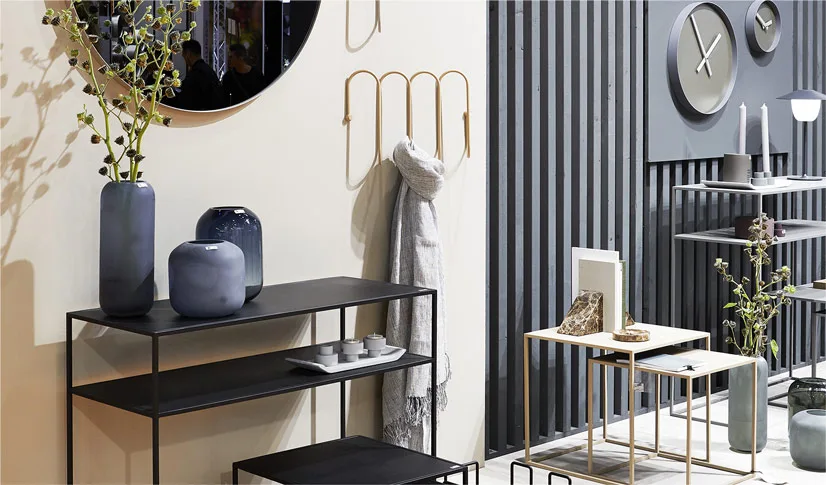
- Vases and Planters: Whether holding fresh flowers or greenery, or standing alone as sculptural pieces, vases and planters add life and color.
- Sculptures and Figurines: From abstract art to charming animal figures, these add a touch of whimsy or sophistication.
- Candles and Candle Holders: Beyond their ambient glow, candles and their holders are decorative objects in themselves, offering various materials, shapes, and sizes.
- Picture Frames: Displaying cherished photos or artwork personalizes your space and adds a warm, intimate feel.
- Decorative Bowls and Trays: These can hold small items, act as centerpieces, or simply add a layer of visual interest to surfaces.
Textiles
Textiles bring warmth, comfort, and texture into a home, significantly impacting the overall feel of a room.
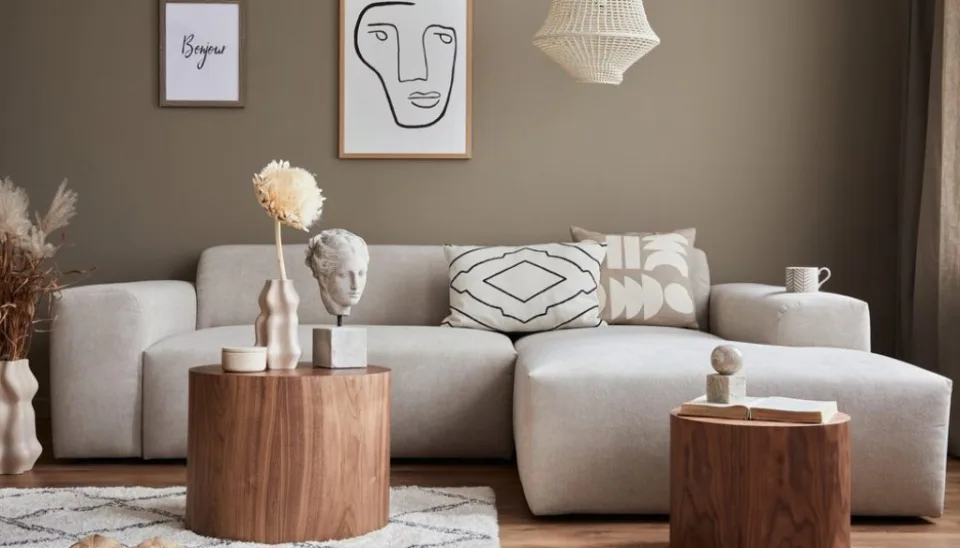
- Cushions and Throws: These are the easiest way to add color, pattern, and coziness to sofas, chairs, and beds.
- Rugs: A well-placed rug can define a space, add warmth underfoot, and introduce pattern and color.
- Curtains and Blinds: While functional for light control and privacy, they also play a crucial role in the room's aesthetic, framing windows and adding softness or structure.
- Table Linens: Tablecloths, placemats, and napkins can elevate a dining experience and add a decorative touch to your kitchen or dining room.
Lighting
Lighting is a fundamental element of home design, and accessories in this category can dramatically alter the mood and functionality of a space.
- Table Lamps: Provide task lighting and add decorative flair to side tables, consoles, and nightstands.
- Floor Lamps: Offer ambient or task lighting and can serve as a sculptural element in a room.
- Sconces: Wall-mounted lights can provide accent lighting and add architectural interest.
- String Lights: Create a magical and cozy ambiance, perfect for bedrooms, patios, or living areas.
Functional and Organizational Accessories
These accessories serve a practical purpose while also contributing to the overall aesthetic.
- Storage Baskets and Boxes: Keep clutter at bay while adding texture and style to shelves and floors.
- Trays: Ideal for corralling remotes, keys, or displaying decorative items on coffee tables and ottomans.
- Wall Hooks and Hangers: Practical for entryways and bedrooms, many designs are stylish enough to be decorative features.
- Bookends: Keep your bookshelves tidy and add a decorative touch to your reading nook.
- Mirror: Beyond their practical use, mirrors can make a space feel larger and brighter by reflecting light.
How to Choose Home Accessories: A Step-by-Step Approach
Selecting the right home accessories can feel overwhelming, but a systematic approach can make the process enjoyable and effective. Follow these steps to curate a collection that truly enhances your home.
1. Define Your Style and Vision
Before you buy anything, take stock of your existing decor and your desired aesthetic. What look are you aiming for? Are you drawn to clean lines and neutral tones (minimalist), vibrant colors and eclectic patterns (bohemian), or a more traditional and elegant feel?
- Look for Inspiration: Browse interior design magazines, Pinterest, Instagram, and home decor blogs. Save images of rooms and accessories that resonate with you.
- Analyze Your Existing Space: What colors, textures, and materials are already present in your room? Your new accessories should complement these or provide a deliberate contrast.
- Consider Your Lifestyle: Are you a busy professional who needs practical, easy-to-maintain items? Do you entertain frequently and need stylish servingware? Your accessories should serve your daily life.
2. Assess Your Needs and Functionality
While aesthetics are important, functionality should not be overlooked. Think about what your room needs in terms of practical use.
- Identify Gaps: Does your living room need more ambient lighting? Could your entryway benefit from a stylish tray for keys?
- Prioritize: If your budget is limited, focus on accessories that offer both style and function. A beautiful storage basket, for instance, serves a dual purpose.
- Consider Scale and Proportion: Ensure accessories are appropriately sized for the space they will occupy. An oversized vase on a tiny side table will look awkward, just as a small trinket on a vast coffee table will get lost.
3. Color and Texture Palette
Accessories are your best friends when it comes to playing with color and texture. They allow for experimentation without a significant commitment.
- Complementary Colors: Choose accessories in colors that are opposite each other on the color wheel to create a vibrant contrast.
- Analogous Colors: Select colors that are next to each other on the color wheel for a harmonious and calming effect.
- Monochromatic Scheme: Use varying shades and tints of a single color for a sophisticated and cohesive look.
- Texture Play: Mix different textures – smooth, rough, soft, shiny – to add depth and visual interest. Think of a velvet cushion against a linen throw, or a ceramic vase next to a wooden tray.
4. Material Matters
The materials of your accessories will contribute significantly to the overall feel and durability of your decor.
- Natural Materials: Wood, rattan, jute, and stone bring warmth, texture, and an organic feel.
- Metals: Brass, gold, silver, and iron can add a touch of elegance, modernity, or industrial chic.
- Ceramics and Glass: Offer a wide range of finishes, colors, and translucency, from matte pottery to high-gloss glazed pieces.
- Fabrics: Cotton, linen, wool, velvet, and silk offer different levels of comfort, texture, and visual appeal.
5. Scale and Placement
The size of your accessories and where you place them is critical for creating a balanced and visually pleasing arrangement.
- The Rule of Three: Grouping items in odd numbers, particularly three, often creates a more dynamic and aesthetically pleasing display than even numbers.
- Vary Heights: When arranging multiple items, vary their heights to create visual interest. Use books, risers, or different-sized objects.
- Consider Sightlines: Place decorative items where they will be seen and appreciated. Avoid cluttering high-traffic areas.
- Balance: Distribute accessories evenly throughout the room to avoid making one area feel too heavy or sparse.
6. Don't Forget the Senses
Home accessories aren't just about sight; they can engage other senses too.
- Scent: Candles, diffusers, and potpourri can add a delightful aroma to your home.
- Touch: The tactile quality of fabrics, the smoothness of polished wood, or the roughness of natural stone can enhance the sensory experience of your space.
- Sound: While not a typical accessory, a well-placed wind chime or a decorative music box can add subtle auditory elements.
Trends in Home Accessories
Staying abreast of current trends can help you make informed choices, but remember to choose pieces that you genuinely love and that fit your personal style, rather than blindly following fads.
Sustainable and Eco-Friendly Materials
There's a growing emphasis on accessories made from recycled, upcycled, or sustainably sourced materials. Think bamboo, recycled glass, organic cotton, and reclaimed wood.
Biophilic Design Elements
Bringing the outdoors in is a significant trend. This includes an abundance of houseplants, natural materials like wood and stone, and nature-inspired patterns and colors.
Statement Pieces
Bold, oversized, or uniquely crafted accessories are making a comeback. A single, striking piece can become the focal point of a room.
Textural Richness
Layering different textures continues to be popular, adding depth and warmth. Think boucle, velvet, chunky knits, and woven materials.
Warm Neutrals and Earthy Tones
While bold colors are always in, there's a strong movement towards warm neutrals like beige, cream, terracotta, and muted greens and browns, creating a sense of calm and grounding.
Vintage and Global Influences
Incorporating vintage finds or items with a global artisanal feel adds character and a sense of history to a space.
Tips for Buying Home Accessories
When you're ready to start shopping, keep these practical tips in mind to make the most of your budget and find pieces you'll cherish.
- Start Small: You don't need to redecorate your entire home at once. Begin with one room or even just a single surface, like a coffee table or mantelpiece.
- Quality Over Quantity: It's often better to invest in a few high-quality, timeless pieces than to fill your home with cheap, disposable items.
- Shop Around: Compare prices and styles from different retailers, both online and in-store. Don't be afraid to explore antique shops, flea markets, and local artisan boutiques.
- Consider DIY: Many home accessories can be created or customized yourself. Painting a plain vase, creating your own wall art, or sewing new cushion covers can be rewarding and cost-effective.
- Measure Twice, Buy Once: Always check the dimensions of an item and ensure it will fit your intended space.
- Read Reviews: If shopping online, take the time to read customer reviews to gauge the quality and accuracy of product descriptions.
- Think About Maintenance: Consider how easy an item will be to clean and care for, especially if it's in a high-traffic area or prone to spills.
Creating Cohesive Displays
Arranging accessories effectively is an art form. Here are some principles to guide you in creating beautiful and harmonious displays:
The Art of Grouping
Instead of scattering items, group them together on surfaces like coffee tables, consoles, or shelves. This creates a focal point and prevents a cluttered look.
Balance and Symmetry
Achieve balance by distributing visual weight evenly. This can be symmetrical (identical items on either side of a central point) or asymmetrical (different items that have similar visual weight).
Varying Heights and Shapes
A display with items of similar heights can look static. Mix tall vases with shorter objects, or place books under smaller items to add dimension.
Adding a Personal Touch
Incorporate items that have personal meaning, such as travel souvenirs, family heirlooms, or handmade crafts. These tell your story and make your space uniquely yours.
The Importance of Negative Space
Don't feel the need to fill every inch. Empty space, or negative space, allows your chosen accessories to stand out and prevents the display from feeling overwhelming.
Conclusion
Home accessories are the unsung heroes of interior design. They are the elements that transform a house into a home, infusing it with personality, warmth, and style. By understanding the various categories, following a thoughtful selection process, and paying attention to trends, materials, and placement, you can curate a collection of accessories that not only looks beautiful but also enhances your daily life. Remember that your home is a reflection of you, so choose pieces that bring you joy and make your space a true sanctuary.