The Ultimate Guide to Choosing the Perfect Home Accessories
Transforming your house into a warm, inviting, and stylish sanctuary is a deeply personal journey. While the foundation of any beautiful home lies in its architecture and furniture, it's the carefully curated home accessories that truly breathe life into a space, reflecting your personality and enhancing its functionality. From the subtle elegance of decorative objects to the practical necessity of lighting, home accessories are the unsung heroes of interior design. This comprehensive guide will walk you through everything you need to know to select the perfect home accessories, ensuring your living spaces are not only aesthetically pleasing but also comfortable and deeply personal.
Understanding the Importance of Home Accessories
Home accessories are more than just decorative items; they are the finishing touches that elevate a room from ordinary to extraordinary. They serve multiple purposes:
- Aesthetic Enhancement: Accessories add color, texture, pattern, and visual interest, breaking up monotony and creating focal points.
- Personalization: They are the primary way to inject your unique style, memories, and interests into your home. Think of framed photos, travel souvenirs, or handcrafted pieces.
- Functionality: Many accessories serve practical purposes, such as lighting, storage, comfort, and organization.
- Mood Setting: The right accessories can significantly influence the atmosphere of a room, creating a cozy, vibrant, sophisticated, or tranquil ambiance.
- Budget-Friendly Updates: Unlike major renovations or furniture purchases, accessories offer a more accessible way to refresh and update your decor.
Key Categories of Home Accessories
To navigate the vast world of home accessories, it's helpful to break them down into key categories. Understanding these will help you identify what your space needs and what aligns with your personal style.
1. Decorative Accents
These are the items that primarily serve an aesthetic purpose, adding personality and visual appeal.
- Vases and Planters: Whether holding fresh flowers or lush greenery, vases and planters add a touch of nature and color. Consider materials like ceramic, glass, metal, or terracotta to match your decor style.
- Sculptures and Figurines: From abstract art pieces to charming animal figurines, these add character and a sense of artistry.
- Candles and Candle Holders: Beyond their ambient glow, candles and their holders can be statement pieces, available in various materials, sizes, and designs.
- Picture Frames: Displaying cherished memories is a cornerstone of personalization. Choose frames that complement your furniture and the artwork within.
- Decorative Trays: Useful for organizing small items on coffee tables, consoles, or vanities, trays also add a polished look.
- Wall Art: Paintings, prints, photographs, tapestries, and decorative mirrors can transform blank walls into captivating displays.
- Cushions and Throws: These are essential for adding comfort, color, texture, and pattern to sofas, chairs, and beds.
2. Lighting Accessories
Lighting is crucial for both functionality and ambiance. The right lighting accessories can dramatically alter the mood and usability of a room.
- Table Lamps: Perfect for task lighting or creating a cozy glow in living rooms and bedrooms.
- Floor Lamps: Offer ambient or task lighting and can act as a decorative element in larger spaces.
- Pendant Lights and Chandeliers: These are often statement pieces that hang from the ceiling, providing general illumination and visual interest.
- Wall Sconces: Provide accent lighting and can add a sophisticated touch to hallways, dining areas, or living rooms.
- Light Bulbs: The type and color temperature of light bulbs (warm white, cool white, daylight) significantly impact the mood of a room.
3. Functional Accessories
These accessories blend utility with style, helping to keep your home organized and efficient.
- Storage Baskets and Boxes: Ideal for decluttering, these come in various materials like wicker, fabric, metal, and wood, adding texture and organization.
- Coasters and Placemats: Protect your surfaces while adding a touch of style to your dining and living areas.
- Rugs and Doormats: Define spaces, add warmth, absorb sound, and introduce color and pattern.
- Clocks: A classic functional accessory that can also be a significant decorative element.
- Bookends: Keep your bookshelves tidy and add a decorative touch to your literary collection.
- Organizers: From desk organizers to drawer dividers, these help maintain order in various parts of your home.
4. Textile Accessories
Fabrics play a vital role in adding softness, warmth, and personality to a home.
- Curtains and Blinds: Control light, provide privacy, and add color, pattern, and texture to windows.
- Rugs: As mentioned, rugs are key for defining spaces, adding comfort, and introducing visual elements.
- Cushions and Throws: These are the workhorses of textile accessories, offering endless possibilities for color, pattern, and texture.
- Table Linens: Tablecloths, runners, and napkins can elevate a dining experience and add a decorative flair.
How to Choose Home Accessories: A Step-by-Step Approach
Selecting the right home accessories requires a thoughtful approach. Here’s a guide to help you make informed decisions:
Step 1: Define Your Style and Aesthetic
Before you start browsing, take time to understand your personal style. Are you drawn to modern minimalism, rustic charm, bohemian eclecticism, or classic elegance? Consider the existing furniture and color palette of your room. Your accessories should complement, not clash with, your current decor.
- Identify your preferred color palette: Do you lean towards neutrals, bold colors, or a mix?
- Consider textures: Do you like smooth, polished surfaces, or do you prefer natural, rough textures?
- Look for inspiration: Browse interior design magazines, Pinterest, or Instagram for ideas that resonate with you.
Step 2: Assess Your Space and Needs
Think about the function of the room and what accessories would enhance its usability and comfort. Consider the scale and proportions of your space. Overcrowding a small room with too many accessories can make it feel cluttered, while a large room might feel bare without enough decorative elements.
- Functionality: What does the room need? More lighting? Better organization? More comfort?
- Scale: Choose accessories that are proportionate to the size of the room and the furniture within it.
- Flow: Ensure accessories don't obstruct movement or create a sense of clutter.
Step 3: Consider Material and Quality
The materials of your accessories will impact their look, feel, durability, and price. Investing in quality pieces, even if fewer in number, can often be more rewarding in the long run.
- Natural materials: Wood, rattan, linen, and cotton often add warmth and texture.
- Metals: Brass, gold, silver, and iron can add a touch of sophistication or industrial chic.
- Glass and Ceramic: Versatile materials that can be sleek and modern or rustic and artisanal.
- Durability: For items that will see a lot of use, like rugs or cushions, prioritize durable materials.
Step 4: Balance and Proportion
The art of accessorizing lies in creating a balanced composition. Avoid placing all your decorative items on one surface or in one corner of the room. Distribute them thoughtfully to create visual interest throughout the space.
- Rule of Three: Grouping items in odd numbers (especially three) often creates a more visually appealing arrangement.
- Vary heights and sizes: Combine tall items with shorter ones, and large pieces with smaller accents.
- Negative space: Don't be afraid to leave some areas empty. Negative space allows the eye to rest and makes your chosen accessories stand out more.
Step 5: Don't Forget the Senses
Home accessories aren't just about sight. Engage other senses to create a truly immersive experience.
- Scent: Scented candles, diffusers, or potpourri can add a delightful aroma to your home.
- Touch: Plush cushions, soft throws, and textured rugs invite tactile interaction.
- Sound: While not always an accessory in the traditional sense, the right music or a gentle wind chime can contribute to the ambiance.
Popular Home Accessory Trends to Consider
Staying aware of current trends can inspire your choices, but remember to adapt them to your personal style rather than blindly following them.
1. Biophilic Design Elements
Bringing the outdoors in remains a strong trend. This involves incorporating plants, natural materials, and earthy tones to create a calming and refreshing atmosphere.
- Indoor plants: From large statement plants to small succulents, greenery adds life.
- Natural fibers: Rattan, bamboo, jute, and wood are popular choices for baskets, furniture, and decor.
- Earthy color palettes: Greens, browns, beiges, and terracotta hues evoke a sense of nature.
2. Sustainable and Eco-Friendly Choices
Conscious consumerism is on the rise, leading to a demand for accessories made from recycled, upcycled, or sustainably sourced materials.
- Recycled glass vases.
- Upcycled wood decor.
- Organic cotton textiles.
- Fair-trade handcrafted items.
3. Textured Layers
Adding depth and visual interest through a variety of textures is a timeless trend that continues to evolve.
- Bouclé fabrics for cushions and throws.
- Woven baskets for storage and decor.
- Ceramic pieces with unique glazes.
- Natural stone accents for tabletops or decor.
4. Bold Colors and Patterns
While neutrals provide a calming base, injecting pops of vibrant color and eye-catching patterns through accessories can inject personality and energy into a space.
- Statement cushions with geometric or floral prints.
- Artistic rugs that act as a focal point.
- Colorful vases and decorative objects.
- Bold wallpaper on an accent wall, complemented by simpler accessories.
5. Vintage and Retro Influences
Incorporating vintage finds or pieces with a retro feel adds character and a sense of history to a home.
- Antique mirrors.
- Retro-inspired lighting fixtures.
- Vintage pottery and decorative objects.
- Second-hand furniture with unique charm.
Tips for Styling Your Home Accessories
Once you've chosen your accessories, the next step is to arrange them effectively. Here are some styling tips:
1. Create Vignettes
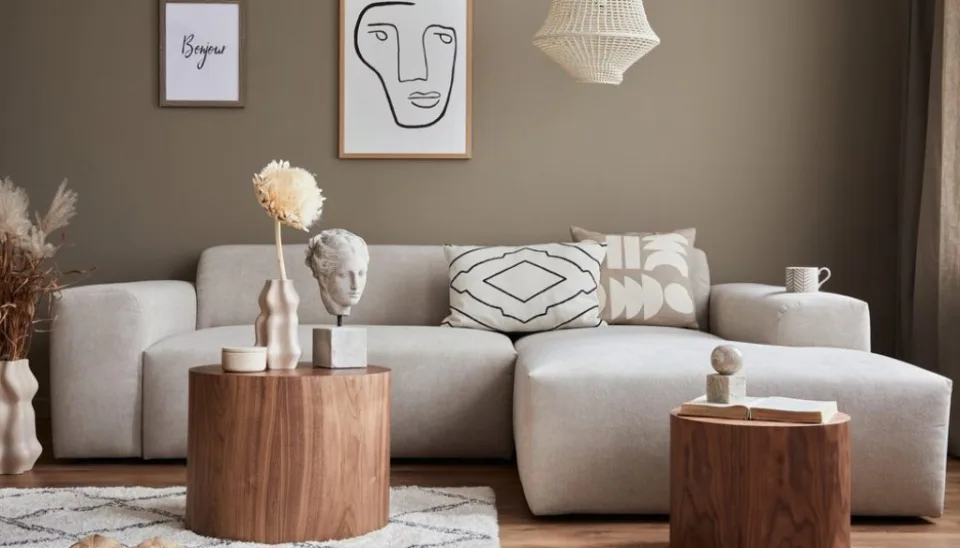
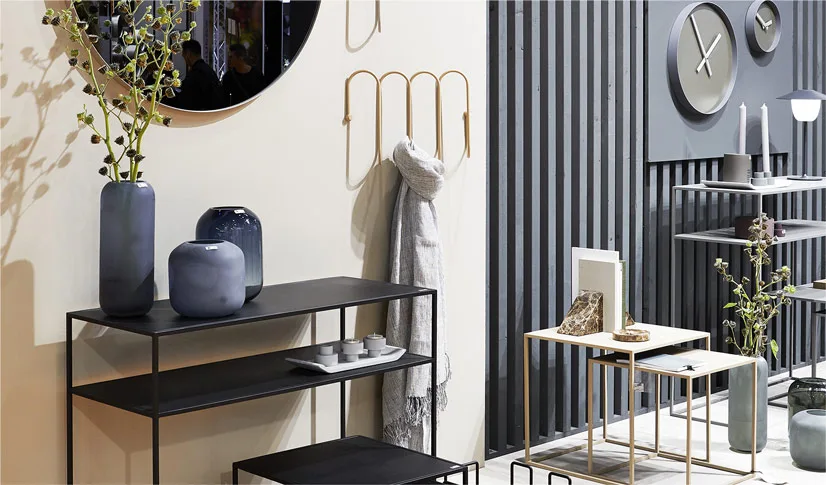
A vignette is a small, artfully arranged grouping of decorative objects. These can be placed on coffee tables, console tables, bookshelves, or mantels. Aim for a mix of heights, textures, and shapes within each vignette.
- Start with a larger base item (e.g., a tray, a book).
- Add a taller element (e.g., a vase, a candle holder).
- Incorporate smaller decorative pieces (e.g., figurines, small bowls).
- Consider adding a touch of greenery (e.g., a small plant, a faux floral stem).
2. Layer Your Textiles
Layering cushions on a sofa or throws on a bed adds depth and comfort. Mix and match patterns, colors, and textures for a cozy and inviting look.
- Start with a base cushion in a solid color or subtle pattern.
- Add a few accent cushions in complementary colors or bolder patterns.
- Drape a soft throw blanket over the back or arm of the sofa or bed.
3. Use Lighting to Highlight
Strategic lighting can draw attention to your favorite accessories. Table lamps can illuminate a side table vignette, while a spotlight can highlight a piece of wall art.
- Place lamps at varying heights to create visual interest.
- Use dimmable bulbs to control the ambiance.
- Consider accent lighting for artwork or display shelves.
4. Don't Overdo It
It's tempting to fill every surface, but less can often be more. Negative space is important for allowing your chosen accessories to shine and preventing a cluttered appearance.
- Edit your collection regularly.
- Rotate accessories seasonally or when you feel the need for a change.
- Embrace the "less is more" philosophy for a cleaner, more sophisticated look.
5. Personalize with Meaningful Items
The most beautiful accessories are often those that hold personal significance. Displaying items that tell your story makes your home unique and deeply yours.
- Framed photographs of loved ones.
- Souvenirs from travels.
- Handmade gifts or crafts.
- Heirloom pieces passed down through generations.
Where to Find Quality Home Accessories
The market for home accessories is vast, offering options for every budget and style. Here are some general places to explore:
| Type of Retailer | What to Expect | Best For |
|---|---|---|
| Large Home Goods Stores | Wide selection, variety of price points, trendy and classic styles. Often have dedicated sections for different types of accessories. | One-stop shopping, budget-friendly options, finding common decor items. |
| Specialty Boutiques | Curated collections, unique and artisanal items, often higher quality. May focus on specific styles (e.g., modern, bohemian). | Finding distinctive pieces, supporting smaller creators, investing in quality. |
| Online Retailers | Vast selection, convenience, competitive pricing. Can be overwhelming, so having a clear idea of what you're looking for is key. | Broadest selection, price comparison, finding niche items. |
| Antique Shops & Flea Markets | One-of-a-kind vintage finds, unique character, sustainable options. Requires patience and a good eye. | Adding character and history, finding unique treasures, budget-friendly unique items. |
| DIY & Craft Stores | Materials for creating your own accessories, customizable options. | Personalized creations, budget-friendly DIY projects. |
Conclusion
Home accessories are the soul of your interior design. They are the elements that transform a house into a home, reflecting your personality, enhancing functionality, and creating an atmosphere that nurtures and inspires. By understanding the different categories, following a thoughtful selection process, staying aware of trends, and applying smart styling techniques, you can confidently choose and arrange home accessories that will make your living spaces truly shine. Embrace the joy of decorating, and let your home accessories tell your unique story.