The Ultimate Guide to Choosing the Perfect Home Accessories
Transforming your house into a cozy, stylish, and functional home is an art form. While the foundational elements like furniture and paint colors set the stage, it's the carefully curated home accessories that truly bring a space to life. These are the details that express your personality, enhance comfort, and elevate the overall aesthetic of your living environment. From the soft glow of a decorative lamp to the comforting texture of a throw blanket, home accessories are the unsung heroes of interior design.
Navigating the vast world of home accessories can be both exciting and overwhelming. With endless options available, it's easy to get lost in trends or make impulse purchases that don't quite fit your vision. This comprehensive guide is designed to empower you with the knowledge and confidence to select the ideal home accessories that will not only beautify your space but also serve a purpose, creating a harmonious and inviting atmosphere for you and your guests.
Understanding the Role of Home Accessories
Before diving into specific types of accessories, it's crucial to understand their fundamental role in interior design. Home accessories are not mere decorations; they are integral components that contribute to the overall ambiance, functionality, and character of a room.
Enhancing Aesthetics and Style
Accessories are your primary tools for injecting personality and style into your home. They allow you to express your unique taste, whether it's minimalist chic, bohemian flair, or classic elegance. Through color, texture, shape, and material, accessories can:
- Define a Color Palette: Accent pieces can introduce pops of color or reinforce an existing scheme, creating visual interest and cohesion.
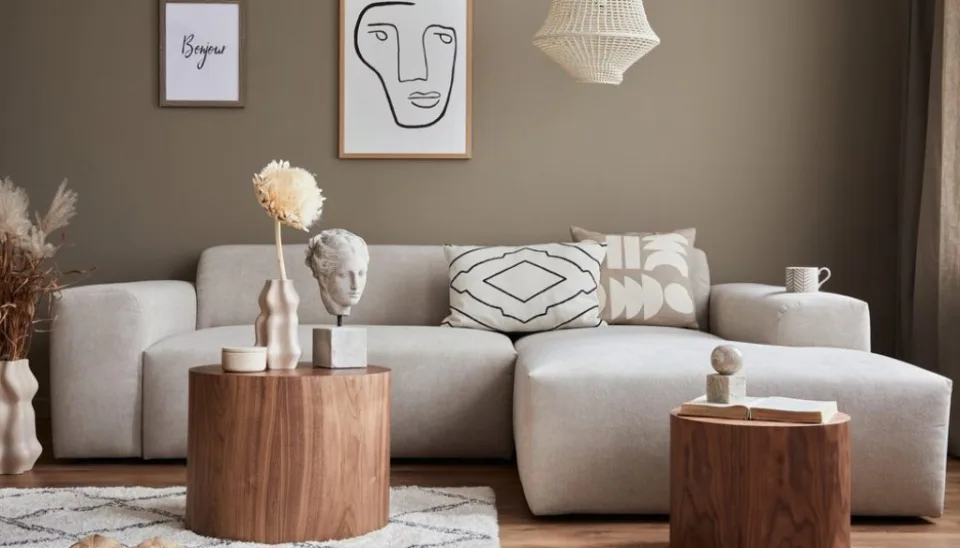
- Add Texture and Depth: Incorporating various textures, such as woven baskets, plush cushions, or smooth ceramic vases, adds a tactile dimension that makes a room feel richer and more inviting.
- Introduce Patterns and Motifs: From geometric prints on throw pillows to intricate designs on rugs, patterns can break up monotony and add a dynamic element to your decor.
- Reflect Personal Interests: Displaying artwork, photographs, or collectible items allows you to showcase your passions and create a deeply personal sanctuary.
Improving Functionality and Comfort
Beyond their decorative appeal, many home accessories serve practical purposes, enhancing the comfort and usability of your living spaces.
- Optimize Lighting: Lamps, fairy lights, and candles provide ambient, task, and accent lighting, creating different moods and improving visibility.
- Increase Storage Solutions: Decorative baskets, storage boxes, and shelving units offer stylish ways to declutter and organize your belongings.
- Boost Comfort Levels: Soft furnishings like throw blankets, cushions, and rugs add warmth, coziness, and a sense of relaxation to seating areas and bedrooms.
- Enhance Sensory Experience: Scented candles, diffusers, and natural elements like plants can engage your senses, promoting well-being and a pleasant atmosphere.
Creating Focal Points and Visual Interest
Strategic placement of accessories can draw the eye, creating focal points that anchor a room and guide attention. A striking piece of art above a fireplace, a unique sculptural object on a console table, or a dramatic floor lamp can instantly elevate the visual appeal of any space.
Key Categories of Home Accessories and How to Choose Them
The world of home accessories is vast, encompassing a wide array of items. Understanding the different categories will help you make informed decisions that align with your needs and aesthetic preferences.
1. Textiles: Cushions, Throws, and Rugs
Textiles are arguably the most impactful home accessories for adding comfort, color, and texture. They are versatile and can be easily updated to reflect seasonal changes or evolving style preferences.
Choosing Cushions:
- Material: Consider the feel and durability. Cotton, linen, and wool offer natural textures, while polyester blends are often more stain-resistant and affordable. Velvet and silk add a touch of luxury.
- Size and Shape: Mix and match different sizes and shapes (square, rectangular, bolster) for visual interest. Ensure they complement the scale of your furniture.
- Color and Pattern: Use cushions to introduce accent colors, complement your existing decor, or add playful patterns. A good rule of thumb is to have a mix of solid colors, subtle textures, and bolder patterns.
- Placement: Arrange cushions on sofas, armchairs, beds, and even floor seating to add comfort and style.
Choosing Throws:
- Material: Opt for soft, cozy materials like wool, cashmere, fleece, or chunky knits for warmth and comfort. Lightweight cotton or linen throws are suitable for warmer climates or as decorative layers.
- Weight: Consider the intended use. A heavier throw is perfect for snuggling on a chilly evening, while a lighter one can serve as a decorative drape.
- Color and Texture: A neutral-toned throw can add subtle texture, while a brightly colored or patterned one can become a statement piece.
- Draping: Drape throws casually over the back or arm of a sofa or armchair, or fold them neatly at the foot of a bed.
Choosing Rugs:
Rugs define spaces, add warmth underfoot, and can significantly impact the room's overall look and feel.
- Size: The rug should be appropriately sized for the area. In a living room, it should be large enough for at least the front legs of your main furniture pieces to rest on it. In a dining room, ensure chairs can be pulled out without falling off the rug.
- Material: Natural fibers like wool, cotton, and jute offer durability and a classic look. Synthetic materials like polyester or polypropylene are often more affordable and stain-resistant, making them suitable for high-traffic areas.
- Pile Height: Low-pile rugs are easier to clean and maintain, ideal for busy households. High-pile or shag rugs offer more plushness and comfort but require more care.
- Color and Pattern: A neutral rug can create a calming foundation, while a patterned rug can add personality and tie together different elements of the room. Consider the existing color scheme and the desired impact.
2. Decorative Objects: Vases, Sculptures, and Figurines
These are the pieces that truly speak to your individual style and add character to shelves, tables, and mantels.
Choosing Vases:
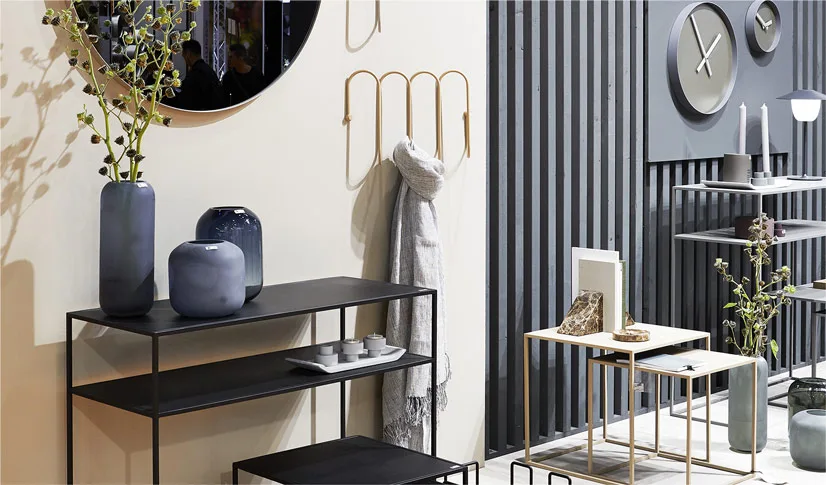
- Material: Ceramic, glass, metal, and wood offer different aesthetics. Ceramic vases are versatile, glass can be transparent or colored, metal adds a modern or industrial touch, and wood brings natural warmth.
- Size and Shape: Consider where you'll place them. Tall, slender vases work well on floors or console tables, while smaller, wider ones are perfect for coffee tables or shelves. Think about whether you'll use them with or without flowers.
- Color and Finish: Matte finishes offer a contemporary feel, while glossy ones add sophistication. Bold colors can be statement pieces, while neutrals blend seamlessly.
- Purpose: Will it hold fresh flowers, dried arrangements, or stand alone as a sculptural element?
Choosing Sculptures and Figurines:
- Style: Abstract, figurative, minimalist, or whimsical – choose pieces that resonate with your personal taste and the room's decor.
- Material: Metal, stone, wood, resin, or ceramic can all contribute to the aesthetic.
- Scale: Ensure the size of the sculpture or figurine is proportionate to the surface it will occupy and the surrounding decor. A tiny figurine on a vast surface can get lost, while an oversized piece can overwhelm a small space.
- Placement: Group smaller items together on a tray or shelf for impact, or let a single larger piece be a standalone statement.
3. Lighting: Lamps and Candles
Lighting is crucial for setting the mood, enhancing functionality, and adding a decorative touch.
Choosing Lamps:
- Type: Table lamps, floor lamps, desk lamps, and wall sconces all serve different purposes. Consider the task lighting needed for specific areas (e.g., reading nook, workspace) and ambient lighting for overall atmosphere.
- Style: From modern and industrial to rustic and traditional, lamps are available in a vast array of designs to complement any decor.
- Material: The base can be made from ceramic, metal, wood, or glass, while the shade can be fabric, paper, or metal.
- Light Output: Consider the wattage and type of bulb (LED, incandescent) to achieve the desired brightness and warmth of light.
Choosing Candles:
- Scent: Choose scents that create the desired ambiance – calming lavender for bedrooms, invigorating citrus for kitchens, or warm vanilla for living rooms.
- Material: Soy wax, beeswax, and paraffin wax are common options, each with its own burning characteristics and environmental considerations.
- Container: Candles come in decorative jars, tins, or pillars, which can also serve as decorative elements even when unlit.
- Safety: Always place candles on a stable, heat-resistant surface away from flammable materials and drafts. Never leave a burning candle unattended.
4. Wall Decor: Art, Mirrors, and Shelving
The walls are a blank canvas waiting to be adorned with items that reflect your personality and enhance the room's character.
Choosing Wall Art:
- Subject Matter: Abstract, landscape, portrait, photography, or text-based art – choose pieces that resonate with you and complement the room's theme.
- Style: Consider the overall aesthetic of your home. Modern art can suit contemporary spaces, while traditional art fits classic interiors.
- Size and Scale: The artwork should be proportionate to the wall space. A large piece can be a focal point, while a gallery wall of smaller pieces can create a dynamic display.
- Framing: The frame plays a crucial role in the artwork's presentation. A simple frame can let the art speak for itself, while an ornate frame can add a decorative element.
Choosing Mirrors:
- Purpose: Mirrors can create the illusion of more space, reflect light, and serve as decorative focal points.
- Frame: The frame is a key design element. Ornate frames add a vintage or glamorous touch, while minimalist frames suit modern interiors.
- Placement: Position mirrors opposite windows to maximize natural light or in narrow hallways to create a sense of openness.
Choosing Shelving:
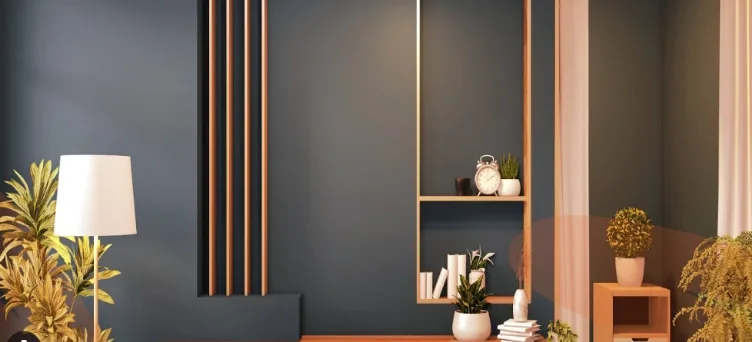
- Type: Floating shelves offer a clean, minimalist look, while traditional bookshelves provide ample storage. Wall-mounted shelves can be used for displaying decorative items, books, or plants.
- Material: Wood, metal, or glass shelves can all contribute to the room's aesthetic.
- Functionality: Consider what you intend to display. If it's heavy items, ensure the shelves are sturdy and properly installed.
5. Greenery: Plants and Faux Botanicals
Bringing nature indoors adds life, color, and a sense of tranquility to any space.
Choosing Plants:
- Light Requirements: Match plants to the available light in your home. Low-light plants like snake plants or ZZ plants are ideal for dimmer areas, while succulents and cacti thrive in bright, sunny spots.
- Care Level: If you're a beginner, opt for low-maintenance plants that are forgiving of occasional neglect.
- Size and Placement: Consider the scale of the plant and where it will be placed. A large floor plant can fill an empty corner, while smaller plants can adorn shelves and tabletops.
- Pots and Planters: Choose pots that complement your decor. Terracotta offers a rustic feel, ceramic is versatile, and metal can add a modern touch.
Choosing Faux Botanicals:
For those without a green thumb or with limited natural light, high-quality faux plants and flowers can be a great alternative.
- Realism: Look for faux plants that mimic the texture, color, and shape of real ones as closely as possible.
- Quality: Invest in well-made faux botanicals; cheap versions can often look artificial and detract from your decor.
- Maintenance: While they require no watering or sunlight, they do need occasional dusting to keep them looking fresh.
Tips for Selecting and Arranging Home Accessories
Once you understand the different categories, it's time to focus on the art of selection and arrangement.
1. Define Your Style and Color Palette
Before you start shopping, take time to identify your personal style and the overall aesthetic you want to achieve. Pinterest boards, home decor magazines, and online inspiration can be invaluable resources. Once you have a clear idea of your style, establish a color palette for your room. This will guide your choices and ensure a cohesive look.
2. Consider Scale and Proportion
The size of your accessories should be in proportion to the furniture and the room itself. A tiny vase on a large coffee table will look lost, while an oversized lamp on a small side table can feel overwhelming. Think about how each piece will interact with its surroundings.
3. Mix and Match Textures and Materials
To create a visually interesting and inviting space, combine different textures and materials. For example, pair a soft velvet cushion with a chunky knit throw on a linen sofa. Mixing smooth surfaces with rough ones adds depth and tactile appeal.
4. Create Balance and Symmetry (or Asymmetry)
Consider how your accessories are arranged. You can achieve balance through symmetry, where items are placed in a mirror image on either side of a central point, or through asymmetry, where different items are used but their visual weight is balanced. Don't be afraid to experiment.
5. Group Items for Impact
Instead of scattering accessories randomly, group them together in threes or fives. This creates visual anchors and makes a stronger statement. For example, arrange a vase, a stack of books, and a small decorative object on a tray.
6. Don't Forget Functionality
While aesthetics are important, always consider the practical use of your accessories. A beautiful vase that's too small to hold flowers effectively, or a rug that's too slippery, will ultimately be a source of frustration.
7. Layer Your Lighting
Utilize a combination of ambient, task, and accent lighting to create a warm and inviting atmosphere. Floor lamps, table lamps, and accent lights can all contribute to the overall mood of a room.
8. Incorporate Personal Touches
Your home accessories are a reflection of you. Displaying personal photographs, artwork you love, or souvenirs from your travels will make your space feel unique and cherished.
9. Less Can Be More
It's tempting to fill every surface, but sometimes, less is more. Clutter can make a space feel chaotic. Curate your accessories carefully, choosing pieces you truly love and that contribute to the overall design.
10. Rotate and Refresh
Home decor doesn't have to be permanent. Don't be afraid to rotate your accessories seasonally or when you feel your space needs a refresh. This keeps your home feeling dynamic and prevents it from becoming stale.
Common Pitfalls to Avoid When Buying Home Accessories
Even with the best intentions, it's easy to make mistakes when selecting home accessories. Being aware of these common pitfalls can help you make smarter purchasing decisions.
- Impulse Buying: Purchasing items simply because they are on sale or look attractive at first glance without considering how they fit into your overall decor can lead to regret.
- Ignoring Scale: Buying accessories that are too large or too small for the intended space is a frequent error that can throw off the room's balance.
- Over-Accessorizing: Too many decorative items can make a space feel cluttered and overwhelming, detracting from the intended aesthetic.
- Under-Accessorizing: Conversely, a space with too few accessories can feel bare, unfinished, and lacking in personality.
- Chasing Trends Blindly: While trends can be inspiring, incorporating them without considering your personal style or the longevity of the trend can result in a dated look quickly.
- Neglecting Quality: Opting for the cheapest option often means sacrificing quality, which can lead to items that don't last or don't look as good as intended.
- Forgetting Functionality: Prioritizing aesthetics over practicality can lead to accessories that are beautiful but ultimately unusable or inconvenient.
- Inconsistent Style: Mixing too many disparate styles without a unifying element can create a chaotic and unharmonious look.
The Future of Home Accessories: Trends to Watch
The world of home accessories is constantly evolving, driven by new materials, sustainable practices, and changing lifestyle needs. Here are some trends to keep an eye on:
- Sustainability and Eco-Friendliness: A growing emphasis on recycled materials, natural fibers, and ethically sourced products.
- Biophilic Design: Integrating natural elements, patterns, and materials into interior spaces to connect with nature. This includes more plants, natural wood, and nature-inspired art.
- Smart Home Integration: Accessories that blend technology with design, such as smart lighting, voice-activated decor, and integrated charging solutions.
- Texture Play: A continued fascination with tactile surfaces, from boucle fabrics and chunky knits to ribbed ceramics and natural stone.
- Personalization and Craftsmanship: A move towards unique, handmade, and artisanal pieces that tell a story and offer a sense of individuality.
- Multifunctional Accessories: Items that serve dual purposes, maximizing space and utility, especially in smaller living areas.
- Bold Colors and Patterns: A resurgence of vibrant hues and eye-catching patterns as a way to express personality and add energy to spaces.
Conclusion
Home accessories are the finishing touches that transform a house into a home. By understanding their purpose, exploring the diverse categories, and applying thoughtful selection and arrangement principles, you can curate a living space that is not only beautiful but also deeply personal and functional. Remember to define your style, consider scale and proportion, mix textures, and always prioritize pieces that bring you joy. With this guide, you are well-equipped to embark on your journey of selecting the perfect home accessories to create a sanctuary you'll love coming back to, time and time again.