The Ultimate Guide to Choosing the Perfect Home Accessories
Elevate your living space from ordinary to extraordinary with the right home accessories. These carefully selected items are the unsung heroes of interior design, breathing personality, style, and functionality into every room. Whether you're aiming for a cozy sanctuary, a chic entertaining hub, or a minimalist haven, the power of home accessories lies in their ability to transform a house into a home. This comprehensive guide will walk you through everything you need to know to select the perfect home accessories, from understanding their role to navigating trends and making informed purchasing decisions.
Understanding the Crucial Role of Home Accessories
Home accessories are more than just decorative objects; they are essential elements that complete a room's aesthetic and enhance its livability. They offer a unique opportunity to express your personal style without committing to major renovations. Think of them as the finishing touches that tie everything together, adding layers of texture, color, and interest.
Defining Home Accessories
In the realm of interior design, home accessories encompass a broad range of items that are not structural or essential for the basic function of a room but significantly contribute to its overall appeal and comfort. This includes, but is not limited to:
- Decorative Items: Vases, sculptures, picture frames, candles, decorative bowls, figurines.
- Textiles: Throw pillows, blankets, rugs, curtains, tablecloths.
- Lighting: Table lamps, floor lamps, accent lighting.
- Functional Decor: Trays, storage baskets, coasters, clocks, mirrors.
- Wall Art: Paintings, prints, photographs, tapestries.
- Greenery: Potted plants, artificial plants, floral arrangements.
The Impact of Accessories on Ambiance and Style
The right accessories can dramatically alter the mood and perception of a space. For instance, plush throw pillows and soft blankets can instantly create a sense of warmth and coziness, inviting relaxation. A strategically placed mirror can make a small room feel larger and brighter by reflecting light. Vibrant artwork or colorful textiles can inject energy and personality into a neutral palette. Conversely, poorly chosen or excessive accessories can lead to a cluttered and chaotic environment.
Balancing Aesthetics and Functionality
The most successful home accessory choices strike a harmonious balance between beauty and practicality. While a striking sculpture might be visually appealing, a well-designed tray can serve both decorative and functional purposes, keeping surfaces tidy while adding a touch of elegance. Consider how each accessory will integrate into your daily life. Will it be purely for show, or will it serve a purpose? Prioritizing functionality without sacrificing style, and vice versa, is key to creating a space that is both beautiful and livable.
Key Considerations When Selecting Home Accessories
Choosing home accessories is a personal journey, but certain guiding principles can help you make choices that will stand the test of time and truly enhance your home. Consider these factors before you start shopping.
1. Define Your Style and Theme
Before you buy anything, take time to identify your personal interior design style. Are you drawn to modern minimalism, rustic farmhouse charm, bohemian eclecticism, or classic elegance? Understanding your preferred aesthetic will act as a filter, ensuring that the accessories you choose align with your overall vision. You can also consider a specific theme for a room, such as a coastal theme for a beach house or a vintage theme for a study.
Popular Interior Design Styles and Corresponding Accessories:
Here's a quick guide to some popular styles and the types of accessories that complement them:
| Style | Key Characteristics | Recommended Accessories |
|---|---|---|
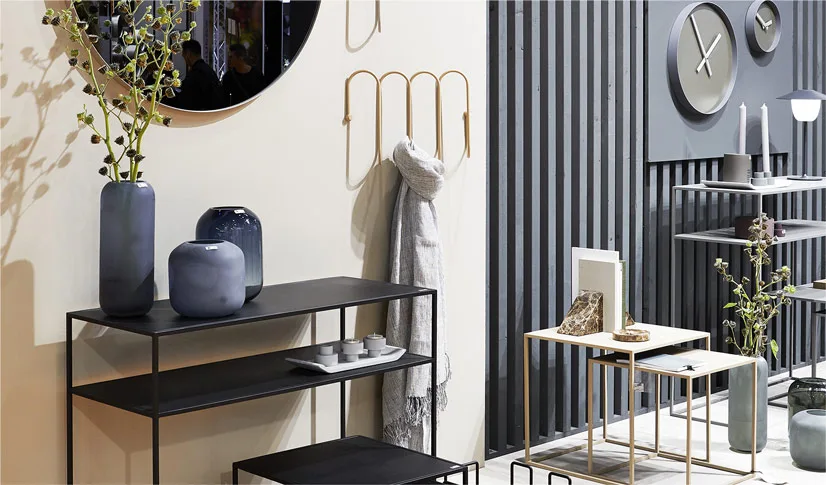
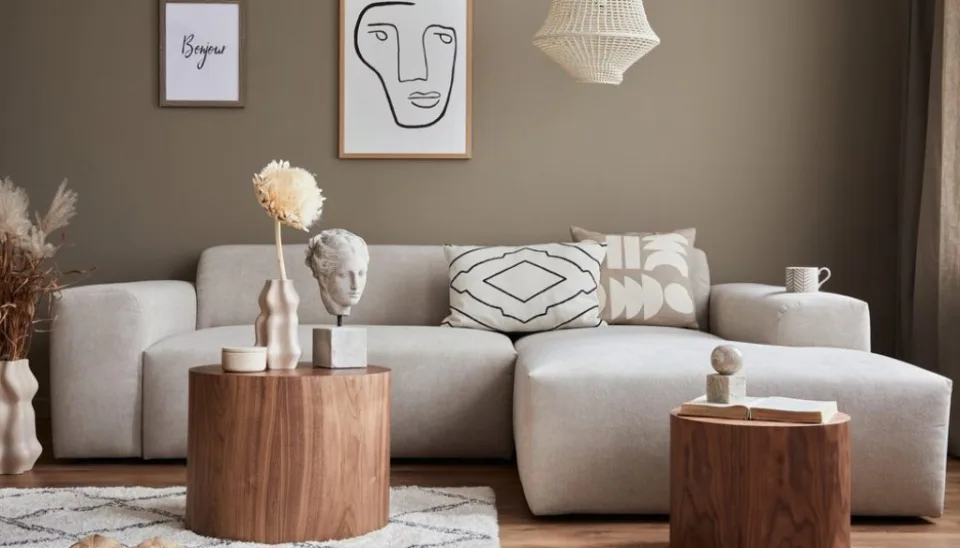
| Modern Minimalist | Clean lines, neutral color palettes, uncluttered spaces, focus on form and function. | Geometric vases, simple ceramic sculptures, sleek metal trays, monochrome art prints, natural wood accents. |
| Bohemian (Boho) | Eclectic, layered, colorful, relaxed, global influences, natural materials. | Macrame wall hangings, patterned throw pillows, woven baskets, vintage rugs, plants, beaded decor. |
| Farmhouse | Cozy, rustic, natural materials, vintage-inspired, comfortable. | Galvanized metal accents, wooden crates, mason jars, floral patterns, antique-style clocks, linen textiles. |
| Mid-Century Modern | Retro, organic shapes, wood tones, pops of color, functional design. | Abstract art, Sputnik chandeliers, ceramic planters, teak wood accessories, graphic prints. |
| Coastal/Nautical | Light and airy, natural textures, blues and whites, beach-inspired elements. | Seashells, driftwood, coral decor, blue and white pottery, rope accents, nautical maps. |
2. Consider Color Palette and Texture
Accessories are a fantastic way to introduce color and texture into a room. If your furniture and walls are neutral, accessories can be your opportunity to experiment with bold hues or rich textures. Conversely, if your room is already vibrant, opt for more subdued accessories to create balance. Think about how different textures – smooth glass, rough wood, soft velvet, woven natural fibers – can add depth and sensory appeal to your space.
- Color Harmony: Ensure new accessories complement your existing color scheme. You can use the 60-30-10 rule as a guide: 60% dominant color, 30% secondary color, and 10% accent color. Accessories are perfect for introducing your accent colors.
- Tactile Experience: Mix and match textures to create visual interest and a more inviting feel. A rough jute rug can be softened by a velvet throw pillow, for example.
3. Scale and Proportion
The size of your accessories matters. Oversized items can overwhelm a small space, while tiny trinkets can get lost in a large room. Aim for accessories that are proportionate to the furniture and the overall size of the room. A large coffee table might need a substantial decorative tray or a cluster of books, while a bedside table might only accommodate a small lamp and a framed photo.
- Rule of Thumb: Generally, accessories should not be wider than two-thirds of the furniture they are placed on.
- Visual Weight: Consider the visual weight of an item. A dark, heavy-looking accessory will feel different from a light, airy one, even if they are the same size.
4. Functionality and Purpose
As mentioned earlier, functionality is a key aspect of home accessories. Before purchasing, ask yourself: What purpose will this accessory serve? Is it purely decorative, or does it have a practical use? Combining both is often the most effective approach.
- Decorative: Vases, sculptures, art pieces.
- Functional: Storage baskets, trays, coasters, lamps.
- Dual Purpose: Decorative bowls for keys, stylish bookends, attractive tissue box covers.
5. Lighting and Placement
Lighting can make or break the impact of your accessories. Consider how natural and artificial light will interact with your chosen items. A beautifully crafted vase might be best placed where it catches the sunlight, while a metallic sculpture could gleam under accent lighting. The placement of accessories is also crucial for creating visual flow and focal points within a room.
- Focal Points: Use larger or more striking accessories to create focal points on mantels, shelves, or coffee tables.
- Grouping: Cluster smaller items together in odd numbers (e.g., three or five) for a more visually pleasing arrangement.
- Negative Space: Don't be afraid of empty space. It allows your accessories to breathe and prevents a cluttered look.
Exploring Popular Home Accessory Categories
Let's delve into some of the most popular categories of home accessories and what makes them essential for a well-designed home.
Textiles: The Soft Touch
Textiles are the workhorses of home accessories, adding comfort, color, and pattern. They are incredibly versatile and can transform the feel of a room with minimal effort.
- Throw Pillows: Available in countless fabrics, colors, and patterns, throw pillows are an easy way to update your sofa or bed. Mix and match sizes, shapes, and textures for a layered look.
- Blankets and Throws: Drape a cozy knit throw over an armchair or a plush blanket on your bed for instant warmth and inviting texture.
- Rugs: A well-chosen rug can anchor a room, define a space, and add significant warmth and style. Consider material (wool, jute, cotton), pattern, and color.
- Curtains and Drapes: Beyond privacy, curtains add softness, color, and can influence the amount of natural light in a room.
Decorative Objects: Personal Expression
These are the items that truly speak to your personality and interests. They are the pieces that tell a story and add character.
- Vases: From delicate ceramic pieces to bold glass creations, vases can hold fresh flowers or stand alone as sculptural elements.
- Candles and Candle Holders: Create ambiance and a sense of calm with scented or unscented candles. The holders themselves can be decorative statements.
- Picture Frames: Display cherished memories with stylish picture frames. Grouping frames of varying sizes and styles can create an engaging gallery wall.
- Sculptures and Figurines: Add a touch of artistry with small sculptures or decorative figurines that reflect your taste.
Functional Decor: Style Meets Utility
These accessories are designed to be both beautiful and useful, proving that practicality doesn't have to be boring.
- Trays: Perfect for corralling remotes on a coffee table, organizing toiletries on a vanity, or serving drinks, trays add a polished touch.
- Storage Baskets: From woven seagrass to sleek metal, baskets are ideal for storing everything from blankets and toys to magazines and mail, while adding texture.
- Coasters: Protect your furniture with stylish coasters that complement your decor.
- Clocks: A statement clock can be a functional piece of art for your wall.
- Mirrors: Beyond their reflective properties, mirrors can make a room feel larger, brighter, and add a decorative element.
Wall Art and Greenery: The Finishing Touches
These elements complete the look of a room and bring life and visual interest.
- Wall Art: Paintings, prints, photographs, and tapestries are essential for adding personality and color to your walls. Consider the size, style, and subject matter to match your room.
- Plants (Real and Artificial): Greenery brings life and freshness to any space. Real plants purify the air, while high-quality artificial plants offer a low-maintenance alternative.
Navigating Home Accessory Trends
While timeless pieces are always a good investment, staying aware of current trends can help you keep your home feeling fresh and contemporary. However, it's important to incorporate trends thoughtfully, ensuring they align with your personal style rather than simply following fads.
Current Trends in Home Accessories
Here are some of the trending styles and materials making waves in the home accessory market:
- Natural and Sustainable Materials: A growing emphasis on eco-friendly living has led to a surge in accessories made from rattan, bamboo, cork, recycled glass, and organic cotton.
- Biophilic Design: Bringing the outdoors in continues to be a strong trend, with an increased focus on houseplants, natural wood tones, and nature-inspired patterns.
- Textural Variety: Tactile experiences are highly sought after. Think boucle fabrics, ribbed glass, chunky knits, and natural stone finishes.
- Bold Colors and Patterns: While neutrals remain popular, there's a resurgence of vibrant colors and eye-catching patterns, particularly in textiles and artwork. Jewel tones, earthy ochres, and playful geometric designs are making a comeback.
- Vintage and Retro Revival: A love for unique, characterful pieces is driving interest in vintage finds and accessories inspired by past eras, such as Art Deco and Mid-Century Modern.
- Statement Lighting: Lighting fixtures are no longer just functional; they are becoming focal points. Sculptural floor lamps, unique pendant lights, and artistic table lamps are highly desired.
How to Incorporate Trends Wisely
When considering trends, think about how they can be integrated without disrupting your existing decor. Accessories are the perfect way to experiment with new styles.
- Start Small: Introduce a trendy accent pillow, a new set of coasters, or a small decorative object.
- Mix with Classics: Combine trendy items with your timeless pieces to create a balanced and personal look.
- Consider Longevity: Choose trendy items that have a timeless appeal or can be easily updated. For example, a neutral vase can be styled with trendy dried flowers.
- Focus on Personal Connection: The most enduring "trend" is always your personal style. Choose what you genuinely love.
Tips for Shopping for Home Accessories
With so many options available, smart shopping strategies can help you find the best accessories for your home and budget.
Where to Shop
The accessibility of home accessories means you can find them in a wide variety of places:
- Department Stores: Offer a broad selection across various styles and price points.
- Specialty Home Decor Stores: Focus on specific aesthetics or types of accessories, often offering higher quality or unique items.
- Online Retailers: Provide unparalleled variety, convenience, and often competitive pricing. Be sure to read reviews and check return policies.
- Boutiques and Independent Shops: Great for finding unique, artisanal, and handcrafted items.
- Antique Stores and Flea Markets: Ideal for discovering one-of-a-kind vintage treasures with history and character.
- DIY and Craft Stores: For those who enjoy a hands-on approach, these stores offer materials for creating custom accessories.
Budgeting for Accessories
Home accessories can range from very affordable to quite expensive. Setting a budget is crucial.
- Prioritize: Decide which accessories are most important to you and allocate a larger portion of your budget to them.
- Invest in Quality: For items that will see a lot of use or are meant to be long-lasting, consider investing in higher quality.
- Shop Sales: Keep an eye out for seasonal sales and discounts.
- DIY Options: Consider making some accessories yourself to save money and add a personal touch.
The Art of Display
Once you've made your purchases, how you display them can make all the difference.
- The Rule of Three: Grouping items in odd numbers (three, five, seven) is often more visually appealing than even numbers.
- Vary Heights: Use items of different heights within a grouping to create visual interest.
- Negative Space: Don't overcrowd shelves or surfaces. Allow for breathing room around your accessories.
- Tell a Story: Arrange items that have a connection or tell a narrative. For example, group travel souvenirs together.
- Rotate: Don't be afraid to change out your accessories seasonally or as your tastes evolve.
Conclusion: Crafting Your Perfect Home with Accessories
Home accessories are the soul of your interior design. They are the elements that transform a house into a personalized sanctuary, reflecting your personality, lifestyle, and aesthetic preferences. By understanding the role of accessories, considering key factors like style, color, scale, and functionality, and staying aware of trends, you can confidently select pieces that will not only enhance the beauty of your home but also make it a more comfortable and enjoyable place to live. Embrace the power of these details, and let your home accessories tell your unique story.