The Ultimate Guide to Choosing the Perfect Home Accessories
Your home is more than just a structure; it's a sanctuary, a reflection of your personality, and a space where memories are made. While the foundational elements of your home – furniture, paint colors, and layout – set the stage, it's the carefully chosen home accessories that truly bring it to life. These are the details that transform a house into a warm, inviting, and stylish haven. From decorative accents to functional pieces, home accessories play a crucial role in defining your space's aesthetic, enhancing its comfort, and expressing your unique taste. This comprehensive guide will walk you through the essential considerations when selecting home accessories, ensuring you make informed choices that elevate your living environment.
Understanding the Power of Home Accessories
Home accessories are the finishing touches that elevate any room from ordinary to extraordinary. They are the elements that add personality, warmth, and character. Unlike major furniture pieces, accessories are often more budget-friendly and easier to change, allowing for greater flexibility in updating your décor as trends evolve or your tastes change. They can serve a dual purpose: enhancing the visual appeal of a space while also providing practical functionality.
Defining Your Style: The Foundation of Accessory Selection
Before you begin browsing for that perfect vase or throw pillow, it's essential to have a clear understanding of your personal style. This will act as your guiding compass, ensuring that your accessory choices are cohesive and contribute to a harmonious overall look. Consider the following styles:
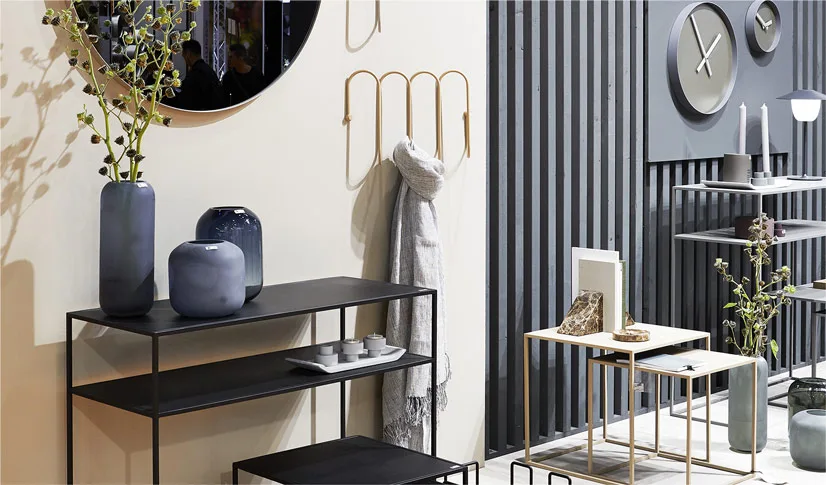
- Modern: Characterized by clean lines, minimalist aesthetics, and a focus on functionality. Materials like metal, glass, and polished wood are common. Accessories tend to be sleek, geometric, and understated.
- Traditional: Embraces classic design elements, rich textures, and intricate details. Think ornate frames, plush fabrics, and antique-inspired pieces. Accessories often feature historical motifs and a sense of timeless elegance.
- Bohemian (Boho): A free-spirited and eclectic style that embraces color, pattern, and texture. It often incorporates natural elements, vintage finds, and a relaxed, lived-in feel. Accessories can be a vibrant mix of global influences and handmade items.
- Farmhouse: Blends rustic charm with a cozy, comfortable feel. Natural materials like wood and metal are prominent, often with a distressed or vintage finish. Accessories might include galvanized metal accents, woven baskets, and vintage signage.
- Industrial: Draws inspiration from warehouses and factories, featuring raw materials like exposed brick, metal, and concrete. Accessories often have an utilitarian and edgy aesthetic, such as metal shelving, Edison bulbs, and distressed leather.
- Scandinavian: Known for its simplicity, functionality, and connection to nature. It emphasizes light colors, natural materials (especially wood), and a clutter-free environment. Accessories are typically understated, functional, and aesthetically pleasing.
Take inspiration from magazines, Pinterest, and your favorite interior design blogs. Consider the existing furniture and color palette of your home. Are you drawn to bold colors or muted tones? Do you prefer a minimalist approach or a more layered, maximalist feel? Answering these questions will help you narrow down your choices and make selections that truly resonate with you.
Key Categories of Home Accessories and How to Choose Them
Home accessories encompass a wide array of items, each contributing to the overall ambiance and functionality of your living space. Understanding the purpose and aesthetic of different categories will empower you to make thoughtful selections.
Decorative Accents: The Soul of Your Space
These are the items that add personality and visual interest. They are often the first things guests notice and are key to expressing your individual style.
Wall Art and Mirrors
Wall art can be a focal point, adding color, texture, and personality to a room. When choosing wall art, consider:
- Scale: Ensure the artwork is appropriately sized for the wall. Too small can look lost, too large can overwhelm.
- Color Palette: Complement or contrast with your existing décor.
- Theme: Choose pieces that reflect your interests or evoke a desired mood.
- Framing: The frame itself is an accessory that can enhance or detract from the artwork.
Mirrors are not just decorative; they can also enhance the sense of space and light in a room. They are excellent for smaller areas or rooms with limited natural light. Consider:
- Placement: Position mirrors to reflect light sources or attractive views.
- Frame Style: Match the frame to your overall décor – ornate for traditional, minimalist for modern.
- Size and Shape: From large floor mirrors to small accent pieces, choose what best suits the wall and the room's proportions.
Vases and Planters
Vases and planters are versatile accessories that can hold fresh flowers, greenery, or stand alone as sculptural elements. When selecting them:
- Material: Ceramic, glass, metal, or natural materials like terracotta offer different aesthetics.
- Size and Shape: Consider where they will be placed and what they will hold. Tall, slender vases work well on mantels, while wider bowls are great for coffee tables.
- Color and Pattern: They can be a pop of color or a subtle texture.
Sculptures and Figurines
These are artistic pieces that add a touch of sophistication or whimsy. Choose items that speak to you and fit your style. They can be placed on shelves, tables, or mantels.
Candles and Candle Holders
Candles create ambiance and add a warm glow. Candle holders are decorative in themselves and can range from simple glass votives to elaborate metallic candelabras. Consider:
- Scent: Choose scents that complement the mood of the room.
- Material and Design: Match the holder to your décor.
- Safety: Always place candles on stable, heat-resistant surfaces.
Textiles: Adding Warmth and Texture
Textiles are crucial for creating a cozy and inviting atmosphere. They add softness, color, and pattern to a room.
Throw Pillows
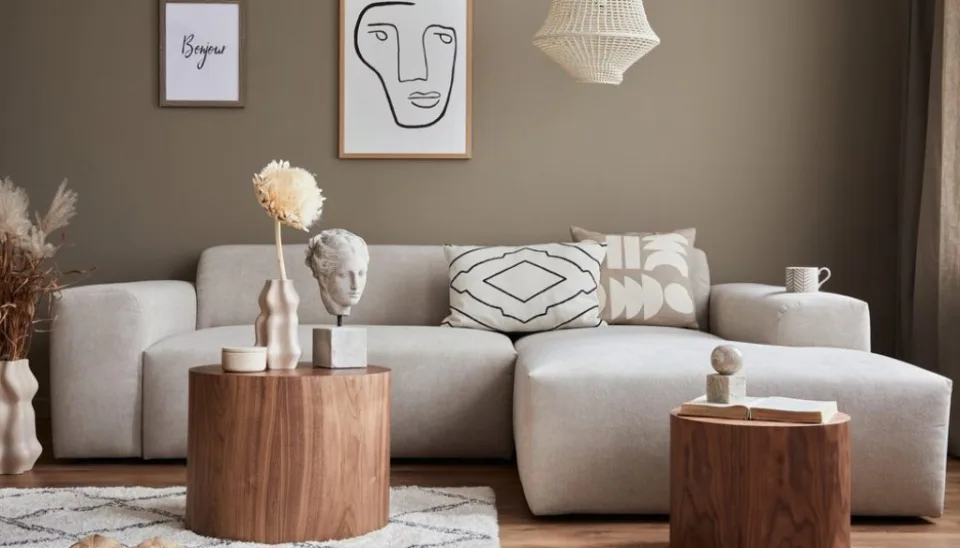
Throw pillows are an easy and affordable way to update your décor. They can add pops of color, introduce new patterns, and provide extra comfort. When choosing:
- Mix and Match: Combine different sizes, textures, and patterns for a layered look.
- Fabric: Consider the feel and durability – velvet for luxury, linen for a casual feel, cotton for everyday use.
- Color and Pattern: Use them to tie together different elements in the room or to introduce a new theme.
Throws and Blankets
Draped over a sofa or armchair, throws and blankets add instant coziness and a touch of luxury. Opt for materials like wool, cashmere, faux fur, or soft cotton for ultimate comfort. Consider the weight and warmth appropriate for your climate and the season.
Rugs
Rugs define spaces, add warmth underfoot, and can anchor a room's design. When selecting a rug:
- Size: Ensure it's appropriately sized for the area. In a living room, at least the front legs of your furniture should rest on the rug.
- Material: Wool is durable and soft, jute offers a natural texture, and synthetic fibers are often more affordable and easier to clean.
- Pattern and Color: A bold pattern can be a statement piece, while a neutral rug can provide a calming foundation.
Functional Accessories: Style Meets Utility
These accessories are designed to serve a purpose while also enhancing your home's aesthetics.
Storage Solutions
Effective storage keeps your home organized and clutter-free, which is essential for a peaceful environment. Consider:
- Baskets and Bins: Ideal for storing blankets, toys, magazines, or other items. Woven baskets add a natural, rustic touch, while metal bins offer a more modern or industrial look.
- Trays: Perfect for organizing remotes on a coffee table, corralling toiletries on a vanity, or serving drinks. They come in various materials like wood, metal, and acrylic.
- Decorative Boxes: A stylish way to hide smaller items like keys, mail, or personal accessories.
Lighting
Beyond overhead lighting, accent lighting adds ambiance and functionality. Consider:
- Table Lamps: Provide task lighting for reading or create a cozy glow. Choose lamps with bases and shades that complement your décor.
- Floor Lamps: Offer ambient or task lighting and can fill empty corners.
- String Lights: Create a magical and whimsical atmosphere, especially in bedrooms or outdoor spaces.
Clocks
A clock is a functional necessity that can also be a stylish decorative piece. From vintage-inspired wall clocks to minimalist desk clocks, choose one that suits your room's aesthetic.
Coasters and Placemats
These protect your furniture surfaces and add a touch of elegance to your dining or living areas. They come in a wide range of materials, from cork and ceramic to leather and fabric.
Tips for Selecting and Arranging Home Accessories
Choosing the right accessories is only half the battle; arranging them effectively is key to creating a cohesive and visually appealing space.
The Rule of Threes
When arranging decorative items, grouping them in odd numbers, particularly threes, often creates a more visually appealing and dynamic composition. This applies to anything from a trio of vases on a shelf to a collection of framed photos on a wall.
Vary Height and Texture
To avoid a monotonous display, mix items of different heights and textures. A tall vase next to a shorter decorative object, or a smooth ceramic piece alongside a rough-hewn wooden item, adds visual interest and depth.
Consider Scale and Proportion
Ensure your accessories are proportionate to the space they occupy and the furniture they are placed on. A tiny trinket on a vast coffee table will get lost, while an oversized sculpture on a small side table will feel overwhelming.
Create Focal Points
Use your accessories to draw attention to specific areas. A striking piece of art above a fireplace or a beautifully arranged vignette on a console table can become a captivating focal point.
Don't Forget Functionality
While aesthetics are important, remember that many accessories serve a practical purpose. Ensure that your decorative choices don't hinder the functionality of the space. For example, a beautiful tray on a coffee table should still leave ample room for drinks and snacks.
Layering is Key
Think about layering your accessories. Start with a base item, such as a tray or a book, and then add smaller items on top. This creates a sense of depth and thoughtfulness.
Edit and Rotate
It's okay to have more accessories than you can display at once. Regularly edit your collection and rotate items seasonally or when you feel like a change. This keeps your décor fresh and prevents a space from feeling cluttered.
Common Pitfalls to Avoid When Buying Home Accessories
While the world of home accessories offers endless possibilities, there are a few common mistakes that can detract from your décor.
Over-Accessorizing
Too many accessories can make a space feel cluttered and chaotic. Remember the principle of "less is more." Every item should have a purpose or bring you joy.
Ignoring Scale
As mentioned earlier, accessories that are too large or too small for their surroundings can disrupt the visual harmony of a room.
Lack of Cohesion
When accessories don't align with your overall style or color scheme, they can look out of place and detract from the intended aesthetic.
Purchasing on Impulse
While impulse buys can sometimes be delightful, it's often best to have a plan. Consider how an item will fit into your existing décor before making a purchase.
Forgetting About Lighting
Accessories can be beautifully enhanced by the right lighting. Don't overlook the importance of lamps and other light sources in showcasing your chosen pieces.
Trends in Home Accessories for Today's Homes
The world of home décor is constantly evolving, and home accessories are at the forefront of these trends. Staying aware of current trends can help you make stylish choices, but always remember to adapt them to your personal taste.
Sustainability and Natural Materials
There's a growing emphasis on eco-friendly and sustainable products. This translates to accessories made from recycled materials, natural fibers like rattan, jute, and bamboo, and ethically sourced wood.
Biophilic Design Elements
Bringing the outdoors in is a significant trend. This includes an abundance of houseplants, botanical prints, and accessories inspired by nature, such as leaf motifs and earthy color palettes.
Textural Variety
Mixing and matching textures is a key element in creating depth and interest. Think plush velvets, chunky knits, smooth ceramics, and rough natural fibers.
Statement Pieces
While minimalism remains popular, there's also a resurgence of bold, statement accessories that act as focal points. This could be a dramatic floor mirror, an oversized piece of art, or a uniquely shaped lamp.
Personalization and Handcrafted Items
In an increasingly mass-produced world, there's a desire for unique, personalized items. Handcrafted accessories, vintage finds, and pieces that tell a story are highly valued.
Smart Home Integration
As technology advances, accessories that blend seamlessly with smart home systems are becoming more prevalent. This includes smart lighting, speakers disguised as décor, and other functional tech items.
A Quick Checklist for Your Next Home Accessory Purchase
Before you head out to shop or browse online, keep this handy checklist in mind:
| Consideration | Questions to Ask Yourself | Notes |
|---|---|---|
| Style Alignment | Does this accessory fit my overall home décor style? | (Modern, Traditional, Boho, etc.) |
| Color Palette | Does the color complement or contrast effectively with my existing colors? | |
| Scale and Proportion | Is the size appropriate for the intended space and surrounding furniture? | |
| Functionality | Does it serve a practical purpose, or is it purely decorative? | (If functional, does it perform well?) |
| Material and Quality | Is the material durable and of good quality for its price? | |
| Uniqueness/Personality | Does it add personality and reflect my individual taste? | |
| Arrangement Potential | How will this piece fit with other accessories I already own or plan to buy? | (Consider the rule of threes, varying heights, etc.) |
| Budget | Does it fit within my allocated budget for this item or category? |
By thoughtfully considering these factors, you can confidently select home accessories that not only enhance the beauty of your living space but also make it a more comfortable, functional, and personal sanctuary. Remember, the magic of home accessories lies in their ability to transform the ordinary into the extraordinary, one thoughtful detail at a time.