The Ultimate Guide to Choosing the Perfect Home Accessories
Your home is more than just a physical space; it's a sanctuary, a reflection of your personality, and a place where memories are made. While the foundation of any beautiful home lies in its architecture and furniture, it's the carefully curated home accessories that truly breathe life into a space, transforming it from ordinary to extraordinary. These are the details that tell your story, enhance comfort, and elevate your everyday living experience. From the soft glow of a strategically placed lamp to the inviting texture of a throw blanket, home accessories are the unsung heroes of interior design.
Navigating the vast world of home accessories can be both exciting and overwhelming. With countless options available, from the purely decorative to the highly functional, how do you make choices that not only look good but also serve a purpose and stand the test of time? This comprehensive guide is designed to empower you with the knowledge and insights needed to select the ideal home accessories for your unique style, needs, and budget. We'll delve into various categories, explore current trends, and provide practical tips to ensure your selections enhance your living environment and bring you joy for years to come.
Understanding the Power of Home Accessories
Before diving into specific choices, it's crucial to understand why home accessories are so impactful. They are the finishing touches that tie a room together, adding personality, warmth, and character. Think of them as the jewelry for your home – they can elevate a simple outfit (your room's basic structure) into something truly stunning.
- Personalization: Accessories are your opportunity to inject your personal style and interests into your home. Whether you love minimalist aesthetics, bohemian vibes, or classic elegance, accessories allow you to express yourself.
- Functionality: Many home accessories serve practical purposes. Think storage solutions, lighting, comfort items, and even decorative pieces that can improve air quality or scent.
- Ambiance and Mood: The right accessories can dramatically alter the mood of a room. Soft lighting can create a cozy atmosphere, while vibrant artwork can energize a space.
- Color and Texture: Accessories are an excellent way to introduce pops of color or introduce varied textures, adding depth and visual interest to a room without committing to large, permanent changes.
- Focal Points: A well-chosen accessory can serve as a striking focal point, drawing the eye and anchoring the design of a room.
Key Categories of Home Accessories to Consider
The realm of home accessories is broad, encompassing a wide array of items. Understanding the different categories will help you approach your selections with a clearer vision.
Decorative Accessories
These are the items primarily chosen for their aesthetic appeal, designed to enhance the visual charm of a space.
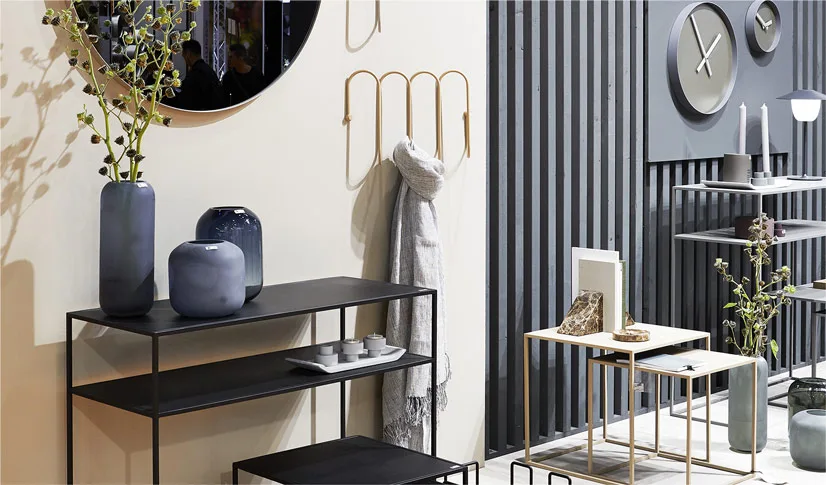
- Vases and Planters: Whether holding fresh flowers, artificial greenery, or standing alone, vases and planters add a touch of nature and color. Consider material (ceramic, glass, metal, terracotta), size, and shape to complement your decor.
- Sculptures and Figurines: These artistic pieces can add a sophisticated or whimsical touch. They can be abstract, representational, or even sentimental.
- Picture Frames and Artwork: Personal photos or curated art prints can tell stories and add personality. The frames themselves can also be decorative elements.
- Candles and Candle Holders: Beyond their ambient lighting, candles add fragrance and a sense of warmth. Candle holders range from minimalist to ornate, becoming decorative pieces in their own right.
- Decorative Trays and Bowls: These can be used on coffee tables, consoles, or shelves to group smaller items, adding organization and a polished look.
- Wall Decor: This includes mirrors, tapestries, decorative plates, and other items that adorn your walls, adding dimension and visual interest.
Functional Accessories
These accessories serve a specific purpose, often blending utility with style.
- Throws and Blankets: Beyond providing warmth, throws add texture, color, and a cozy feel to sofas, chairs, and beds.
- Cushions and Pillows: These are essential for comfort and can instantly transform the look of a sofa or bed. They offer a fantastic opportunity to play with patterns, colors, and textures.
- Rugs and Doormats: Rugs define spaces, add warmth underfoot, and introduce pattern and color. Doormats offer a welcoming first impression and keep dirt at bay.
- Lighting: Lamps (table, floor, desk), pendant lights, and string lights are crucial for setting the mood and providing adequate illumination.
- Storage Solutions: Baskets, decorative boxes, shelving units, and cabinets help keep clutter at bay while adding to the room's aesthetic.
- Kitchen and Dining Accessories: This includes items like stylish utensil holders, decorative serving dishes, placemats, coasters, and unique salt and pepper shakers.
- Bathroom Accessories: Soap dispensers, toothbrush holders, towel racks, and shower curtains can all contribute to a cohesive and stylish bathroom design.
Textiles and Soft Furnishings
These are the elements that add comfort, warmth, and tactile appeal to your home.
- Curtains and Blinds: They control light, provide privacy, and significantly impact the room's overall style and color palette.
- Bedding: Duvet covers, pillowcases, sheets, and quilts are not only for comfort but are major decorative elements in a bedroom.
- Table Linens: Tablecloths, runners, placemats, and napkins can elevate a dining experience and add a touch of elegance or casual charm.
Tips for Selecting the Right Home Accessories
Choosing accessories is an art, and with a few guiding principles, you can make selections that enhance your home beautifully.
1. Define Your Style and Aesthetic
Before you buy anything, take stock of your existing decor and identify your personal style. Are you drawn to:
- Minimalist: Clean lines, neutral colors, uncluttered spaces, focus on form and function.
- Bohemian: Eclectic mix of patterns, textures, colors, natural elements, and vintage finds.
- Modern: Sleek designs, geometric shapes, often with metal and glass accents, neutral palettes with occasional bold colors.
- Traditional: Classic furniture, rich colors, ornate details, and symmetrical arrangements.
- Farmhouse: Rustic charm, natural materials like wood and metal, vintage-inspired pieces, cozy and inviting.
- Coastal: Light and airy, inspired by the sea with blues, whites, and natural textures like rattan and linen.
Once you have a clearer idea of your style, you can select accessories that consistently reinforce it.
2. Consider Scale and Proportion
The size of your accessories matters. An oversized vase on a tiny side table can look awkward, just as a collection of small items can get lost on a large surface.
- For large rooms: Opt for larger statement pieces or group smaller items to create visual weight.
- For small rooms: Choose more compact accessories or items that create vertical interest to draw the eye upwards.
- On shelves: Vary the heights and sizes of your accessories to create a dynamic and balanced display.
3. Think About Color Palette
Accessories are your playground for color. You can either stick to a cohesive color scheme or use accessories to introduce contrasting or complementary colors.
- Monochromatic: Use varying shades and tints of a single color for a sophisticated and calming effect.
- Analogous: Use colors that are next to each other on the color wheel (e.g., blue and green) for a harmonious look.
- Complementary: Use colors opposite each other on the color wheel (e.g., blue and orange) for a bold and vibrant contrast.
- Neutrals: Black, white, grey, beige, and brown are versatile and can anchor bolder accent colors.
Don't be afraid to use accessories to introduce a pop of color that might not be present in your larger furniture pieces.
4. Balance Functionality with Aesthetics
The best home accessories often serve a dual purpose. A beautiful ceramic bowl can hold your keys, a stylish lamp can illuminate your reading nook, and a plush throw can keep you warm while adding texture to your sofa.
- Identify needs: What functional gaps do you have in a room? Do you need more light, storage, or comfort?
- Seek stylish solutions: Look for accessories that fulfill these needs while also complementing your decor.
5. Layer Textures
Texture adds depth, warmth, and visual interest. Mixing different textures can make a room feel more inviting and sophisticated.
- Soft textures: Think plush velvet cushions, chunky knit throws, soft linen curtains.
- Hard textures: Consider sleek metal frames, smooth ceramic vases, polished wood accents.
- Natural textures: Rattan baskets, jute rugs, wooden bowls, and plants bring an organic feel.
Aim for a mix of smooth, rough, soft, and hard textures to create a rich and engaging environment.
6. Don't Forget Lighting
Lighting is arguably one of the most crucial home accessories. It sets the mood, highlights features, and impacts the overall feel of a space.
- Ambient lighting: Provides general illumination (e.g., ceiling lights, floor lamps).
- Task lighting: Focused light for specific activities (e.g., desk lamps, reading lights).
- Accent lighting: Highlights architectural features or artwork (e.g., spotlights, picture lights).
Consider dimmer switches to allow for flexibility in mood setting.
7. Curate, Don't Clutter
It's tempting to fill every surface, but less is often more. A few well-chosen, meaningful accessories will have a greater impact than a room overflowing with items.
- Group items: Use trays or bowls to group smaller accessories together, creating a sense of order.
- Rotate: Don't feel like you have to display everything at once. Rotate seasonal or favorite items to keep your decor fresh.
- Negative space: Allow for empty space around your accessories. This allows each piece to stand out and breathe.
8. Consider the Senses
Home accessories can engage more than just sight. Think about how they can enhance other senses.
- Scent: Candles, diffusers, and potpourri can add delightful aromas.
- Sound: A well-placed wind chime on a balcony or even a quality speaker system can contribute to the ambiance.
- Touch: The feel of soft fabrics, smooth ceramics, or textured wood adds a tactile dimension.
Current Trends in Home Accessories
Staying aware of trends can inspire your choices, but remember to adapt them to your personal style rather than blindly following them.
Sustainable and Eco-Friendly Materials
There's a growing emphasis on accessories made from recycled, upcycled, or sustainably sourced materials. Think bamboo, reclaimed wood, organic cotton, and recycled glass.
Biophilic Design Elements
Bringing the outdoors in remains a strong trend. This includes an abundance of plants, natural materials, and nature-inspired patterns and colors.
Textural Richness
Layering various textures continues to be popular, with a focus on tactile materials like boucle, velvet, chunky knits, and woven natural fibers.
Artisanal and Handmade Items
There's a renewed appreciation for unique, handcrafted pieces that tell a story and support artisans. This includes ceramics, hand-blown glass, and hand-woven textiles.
Warm Neutrals and Earthy Tones
While bold colors have their place, warm neutrals like terracotta, beige, cream, and muted earth tones are prevalent, creating a sense of calm and grounding.
Statement Lighting
Lighting fixtures are increasingly seen as sculptural art pieces, with unique designs and materials taking center stage.
Multi-functional Furniture and Accessories
As living spaces become more versatile, accessories that serve multiple purposes are highly sought after.
A Quick Comparison Table for Common Accessory Choices
To help you visualize and compare, here's a table of common home accessory types, their primary benefits, and considerations:
| Accessory Type | Primary Benefits | Key Considerations | Best For |
|---|---|---|---|
| Decorative Vases/Planters | Adds color, life, natural elements, visual interest. | Material, size, shape, color, placement. | Living rooms, entryways, bedrooms, kitchens. |
| Throw Pillows/Cushions | Comfort, color, pattern, texture, personalization. | Fabric, size, shape, filling, style. | Sofas, chairs, beds, floor seating. |
| Throws/Blankets | Warmth, coziness, texture, color accent. | Material (wool, cotton, fleece), weave, size, color. | Sofas, chairs, beds, outdoor seating. |
| Area Rugs | Defines space, adds warmth, color, pattern, sound absorption. | Size, material, pile height, pattern, color, durability. | Living rooms, dining rooms, bedrooms, hallways. |
| Table Lamps | Task lighting, ambient lighting, decorative element. | Height, base material, shade style, light output. | Bedside tables, end tables, desks, consoles. |
| Wall Art/Mirrors | Personalization, visual interest, light reflection (mirrors). | Size, style, color, frame, subject matter. | Living room walls, bedrooms, hallways, dining rooms. |
| Decorative Trays/Bowls | Organization, grouping items, visual appeal. | Material (metal, wood, ceramic), size, shape. | Coffee tables, console tables, entryways, vanities. |
Putting It All Together: Creating a Cohesive Look
The magic of home accessories lies in their ability to create a cohesive and inviting atmosphere. Here's how to tie it all together:
- Start with a Foundation: Ensure your larger furniture pieces and wall colors provide a solid base. Accessories should complement, not clash with, these core elements.
- Develop a Color Story: Choose a primary color palette and a few accent colors. Use these consistently throughout your accessories.
- Vary Scale and Height: Avoid placing items of the same height or size next to each other. Mix tall lamps with lower vases, and wide trays with smaller decorative objects.
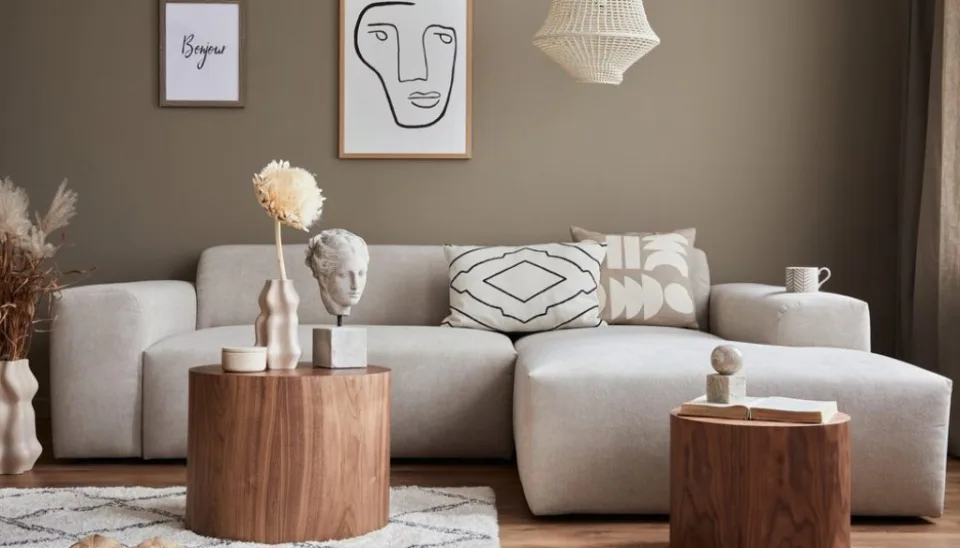
- Create Vignettes: Arrange a few related items together on a surface (like a coffee table or mantelpiece) to create a small, intentional display.
- Don't Overlook the Unexpected: Sometimes, the most impactful accessories are those that are less obvious – a beautiful fruit bowl in the kitchen, a stylish watering can for your plants, or a unique doormat.
- Trust Your Instincts: Ultimately, your home should feel like you. If an accessory brings you joy, even if it doesn't strictly follow a trend, it's likely a good choice.
By thoughtfully selecting and arranging home accessories, you can transform any space into a more comfortable, personal, and aesthetically pleasing environment. They are the elements that allow you to express your individuality, enhance your daily life, and create a home that truly feels like yours.