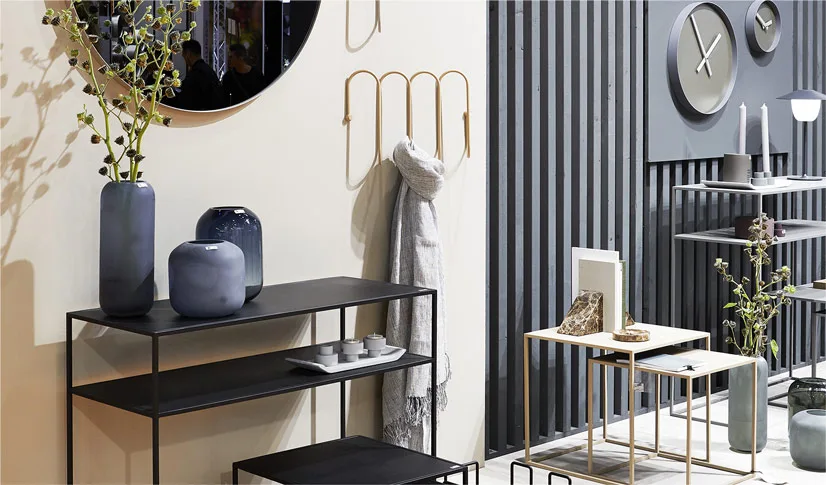
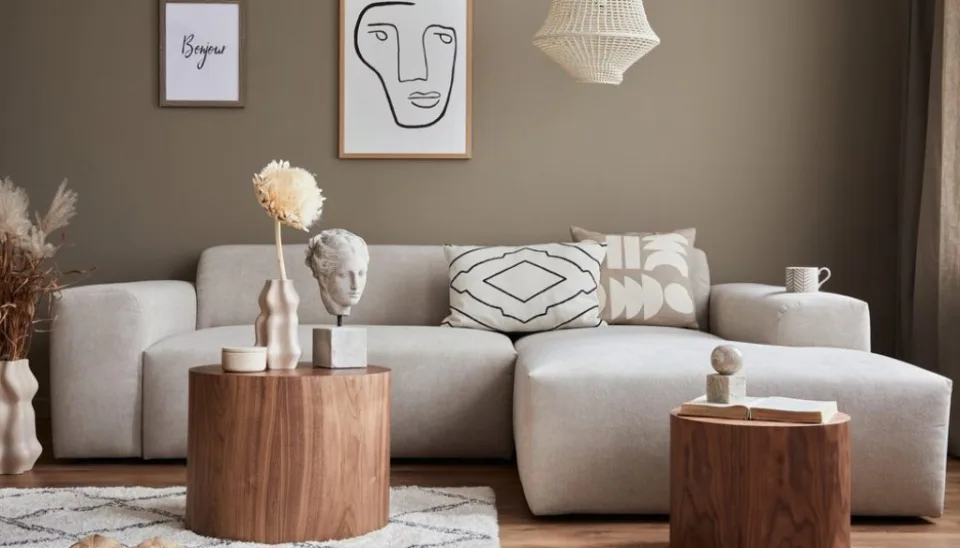
The Ultimate Guide to Choosing the Perfect Home Accessories: A Comparative Approach
Transforming a house into a home is a deeply personal journey, and at its heart lies the art of selecting the right home accessories. These are the elements that inject personality, enhance functionality, and create the desired ambiance. From cozy textiles to striking decorative pieces, the world of home accessories is vast and exciting. However, navigating this landscape can be overwhelming. This comprehensive guide aims to demystify the process by offering a comparative approach, helping you make informed decisions that align with your style, needs, and budget.
Understanding the Spectrum of Home Accessories
Before diving into comparisons, it's crucial to understand the broad categories that fall under the umbrella of home accessories. These aren't just decorative items; they often serve practical purposes too, blending form and function seamlessly. We can broadly categorize them into:
Functional Accessories
These items are primarily chosen for their utility, but their design can significantly contribute to your home's aesthetic. They solve everyday problems while adding a touch of style.
- Storage Solutions: Baskets, decorative boxes, shelving units, and wall organizers. They keep clutter at bay and can be statement pieces themselves.
- Lighting: Table lamps, floor lamps, pendant lights, and string lights. Beyond illumination, they set the mood and highlight architectural features.
- Textiles: Throws, cushions, rugs, and curtains. They add warmth, texture, color, and comfort to any space.
- Kitchen & Dining: Utensil holders, serving platters, placemats, coasters, and decorative bowls. They enhance the dining experience and kitchen organization.
- Bathroom Accessories: Soap dispensers, toothbrush holders, towel racks, and decorative mirrors. They contribute to a spa-like feel and practical organization.
Decorative Accessories
These are the items that truly express your personality and style. While they may not have a primary functional purpose, they are essential for creating a visually appealing and cohesive space.
- Wall Art: Paintings, prints, photographs, tapestries, and decorative mirrors. They are focal points and can define the theme of a room.
- Sculptures & Figurines: Small decorative objects that add artistic flair and a sense of sophistication.
- Vases & Planters: Whether holding fresh flowers or standing alone, they bring life and color into a room.
- Candles & Diffusers: They engage the sense of smell, creating a welcoming and relaxing atmosphere, and often come in beautiful holders.
- Tabletop Decor: Decorative trays, bowls, and objects that adorn coffee tables, side tables, and mantels.
Comparing Popular Home Accessory Categories: A Deeper Dive
Now, let's delve into a comparative analysis of some of the most popular and impactful home accessory categories. This will help you understand their unique contributions and how they can work together.
1. Textiles: The Cozy Cornerstones of Comfort
Textiles are arguably the most versatile and impactful home accessories. They instantly add warmth, texture, and color, making a space feel lived-in and inviting. The choice of textiles can dramatically alter the mood and style of a room.
Comparison: Cushions vs. Throws
| Feature | Cushions | Throws |
|---|---|---|
| Primary Function | Comfort, back support, decorative accents. | Warmth, comfort, layering for coziness. |
| Placement Versatility | Sofas, armchairs, beds, floor seating, window seats. | Draped over sofas, chairs, beds, folded on baskets. |
| Impact on Style | Can introduce bold patterns, vibrant colors, or subtle textures. Easily changed to update a room's look. | Add depth and layering. Can introduce rich textures like chunky knits, faux fur, or soft cotton. |
| Maintenance | Covers are often removable and washable. Fillings vary in care needs. | Vary widely based on material. Some are machine washable, others require dry cleaning. |
| Cost Factor | Can range from very affordable to high-end designer pieces. | Similar price range to cushions, with materials like cashmere or merino wool being more expensive. |
Key Takeaway: Cushions offer more flexibility for introducing diverse patterns and colors, while throws excel at providing an overarching sense of warmth and luxurious texture. Both are essential for creating a comfortable and inviting living space.
Comparison: Rugs vs. Curtains
| Feature | Rugs | Curtains |
|---|---|---|
| Primary Function | Define spaces, add warmth underfoot, reduce noise, protect flooring. | Control light, provide privacy, insulate rooms, enhance acoustics, add decorative element. |
| Placement | Floors of living rooms, bedrooms, dining rooms, hallways. | Windows and doorways. |
| Impact on Style | Can anchor a room, introduce color and pattern, create a focal point. | Frame windows, add softness, introduce color and pattern, affect the perceived height of a room. |
| Material Considerations | Wool, cotton, jute, synthetic fibers (polyester, polypropylene). Durability and pile height are key. | Linen, cotton, velvet, sheer fabrics, blackout materials. Opacity and drape are important. |
| Maintenance | Regular vacuuming. Professional cleaning recommended for deep stains or delicate materials. | Some are machine washable, others require dry cleaning. Regular dusting is advised. |
Key Takeaway: Rugs are foundational elements that define spaces and add comfort from the ground up. Curtains, on the other hand, frame your view, manage light and privacy, and contribute significantly to the room's overall ambiance and energy efficiency.
2. Lighting: Setting the Mood and Highlighting Beauty
Lighting is often underestimated as a decorative element, but it's one of the most powerful tools in your home accessory arsenal. It impacts mood, functionality, and the perception of space.
Comparison: Ambient vs. Accent Lighting
| Feature | Ambient Lighting (e.g., Ceiling fixtures, Floor lamps) | Accent Lighting (e.g., Table lamps, Wall sconces, Spotlights) |
|---|---|---|
| Primary Function | Provides overall illumination for a room. | Highlights specific features, creates focal points, adds depth. |
| Placement | Distributed throughout the room. | Targeted towards artwork, architectural details, plants, or reading areas. |
| Impact on Mood | Sets the general atmosphere; can be bright and energizing or soft and relaxing depending on the fixture and bulb. | Creates drama, intimacy, and visual interest. Can draw attention to desired elements. |
| Style Contribution | The fixture itself is a decorative element; can be modern, traditional, industrial, etc. | Lampshades and bases can be decorative; sconces can add architectural flair. |
| Energy Efficiency | Can be achieved with LED bulbs for overall efficiency. | Can be used strategically to reduce overall energy consumption by illuminating only necessary areas. |
Key Takeaway: A well-lit room utilizes a layered approach. Ambient lighting provides the foundation, while accent lighting adds dimension, highlights your favorite pieces, and creates a more sophisticated and inviting atmosphere.
3. Decorative Objects: Expressing Your Unique Style
These are the pieces that truly speak to your personality and artistic sensibilities. They are the finishing touches that make a house feel like your own.
Comparison: Vases vs. Sculptures
| Feature | Vases | Sculptures |
|---|---|---|
| Primary Function | Holding flowers or greenery; can be decorative on their own. | Purely decorative; intended to be admired for their form and artistry. |
| Placement Versatility | Tabletops, mantels, shelves, floor (for larger pieces), windowsills. | Similar to vases, but often placed where they can be viewed from multiple angles. |
| Dynamic vs. Static | Can be dynamic when filled with fresh flowers, changing with seasons and trends. | Static, offering a consistent visual element. |
| Material & Style Diversity | Ceramic, glass, metal, wood, concrete. Styles range from minimalist to ornate, antique to modern. | Metal, wood, stone, resin, ceramic, glass. Styles are incredibly diverse, from abstract to figurative. |
| Interactivity | Can be interacted with by arranging flowers, changing water. | Primarily for visual appreciation. |
Key Takeaway: Vases offer a dual purpose – functional for displaying botanicals and decorative in their own right, allowing for seasonal updates. Sculptures are purely artistic statements, offering enduring visual interest and a direct expression of taste.
Comparison: Candles vs. Diffusers
| Feature | Candles | Diffusers (Reed, Ultrasonic, Electric) |
|---|---|---|
| Primary Function | Ambiance (light and scent), relaxation. | Scent dispersion, air freshening, creating a specific mood. |
| Sensory Experience | Visual (flickering flame) and olfactory (scent). | Primarily olfactory (scent); ultrasonic/electric can also add visual elements (mist, light). |
| Safety Considerations | Require supervision due to open flame; fire hazard if not used properly. | Generally safer, especially reed and ultrasonic diffusers. Electric diffusers also require attention. |
| Longevity | Finite lifespan based on burn time. | Reed diffusers last weeks to months; ultrasonic/electric diffusers depend on oil refills and usage. |
| Style & Aesthetics | Candle holders themselves can be decorative; the flame adds a warm glow. | Diffuser designs vary widely, from minimalist to ornate. Ultrasonic diffusers often have aesthetic appeal with their mist and light. |
Key Takeaway: Candles offer a romantic, flickering ambiance and scent, but require careful use. Diffusers provide a more consistent and often safer way to introduce fragrance into your home, with various types offering different levels of control and aesthetic integration.
Tips for Choosing Home Accessories Based on Your Style
Your home accessories should be a reflection of your personal style. Here's how to approach choices based on common aesthetic preferences:
Modern & Minimalist
- Focus on: Clean lines, geometric shapes, neutral color palettes (whites, grays, blacks, beiges), high-quality materials.
- Ideal Accessories: Sleek metal sculptures, simple ceramic vases with a single statement plant, abstract art with bold strokes, plain linen cushions in muted tones, minimalist floor lamps with simple shades.
- Avoid: Overly ornate or fussy items, excessive patterns, clutter.
Bohemian & Eclectic
- Focus on: Rich textures, vibrant colors, natural materials, global influences, vintage finds, layering.
- Ideal Accessories: Macrame wall hangings, patterned kilim rugs, colorful embroidered cushions, ceramic pots with lush plants, unique travel souvenirs, mixed-material lanterns.
- Embrace: A curated mix of items that tell a story.
Traditional & Classic
- Focus on: Rich wood tones, classic patterns (florals, damask), antique-inspired pieces, elegant materials (velvet, silk, polished metal).
- Ideal Accessories: Ornate mirrors, porcelain figurines, velvet throws and cushions, crystal lamps, framed botanical prints, antique-style vases.
- Maintain: A sense of order and refinement.
Scandinavian
- Focus on: Light wood, natural materials, functional design, muted colors (pastels, grays, whites), hygge (coziness).
- Ideal Accessories: Sheepskin throws, simple ceramic or wooden bowls, minimalist wall art with nature motifs, soft knitted cushions, clean-lined pendant lights.
- Prioritize: Comfort, simplicity, and natural light.
The Practicalities of Purchasing Home Accessories
Beyond aesthetics, several practical factors should guide your purchasing decisions:
Budgeting
Home accessories can range from budget-friendly finds at discount stores to investment pieces from high-end designers.
- Set a Budget: Determine how much you're willing to spend on each category or for your entire accessory refresh.
- Prioritize: Invest more in items that get a lot of use or are central to your decor (e.g., a quality rug, a comfortable throw).
- DIY & Upcycling: Consider painting old vases, reupholstering cushions, or creating your own wall art to save money.
Material & Durability
The materials used will impact the look, feel, and longevity of your accessories.
- Natural Materials: Wood, cotton, wool, linen, jute, ceramic, and stone often offer a timeless appeal and good durability, though they may require more specific care.
- Synthetic Materials: Polyester, acrylic, and certain metals can be more affordable and easier to clean, but may not always offer the same luxurious feel or longevity.
- Consider Usage: For high-traffic areas or items that will be heavily used, opt for more durable materials.
Scale & Proportion
The size of your accessories relative to your furniture and room dimensions is critical.
- Too Small: Accessories can look lost and insignificant.
- Too Large: They can overwhelm the space and make it feel cramped.
- Rule of Thumb: Measure your space and furniture. For example, a rug should ideally fill about two-thirds of the seating area. Wall art should be proportional to the wall space it occupies.
Maintenance & Care
Be realistic about the level of maintenance you're willing to undertake.
- Check Labels: Always look for care instructions before purchasing, especially for textiles and delicate decorative items.
- Consider Your Lifestyle: If you have pets or young children, opt for stain-resistant and easily washable materials.
Conclusion: Curating Your Perfect Home Accessory Collection
The journey of selecting home accessories is an ongoing process of discovery and refinement. By understanding the diverse categories, comparing their strengths and weaknesses, and considering your personal style and practical needs, you can curate a collection that not only beautifies your home but also enhances your daily life. Remember, the most successful home accessory choices are those that blend functionality with personal expression, creating spaces that are both beautiful and truly your own.