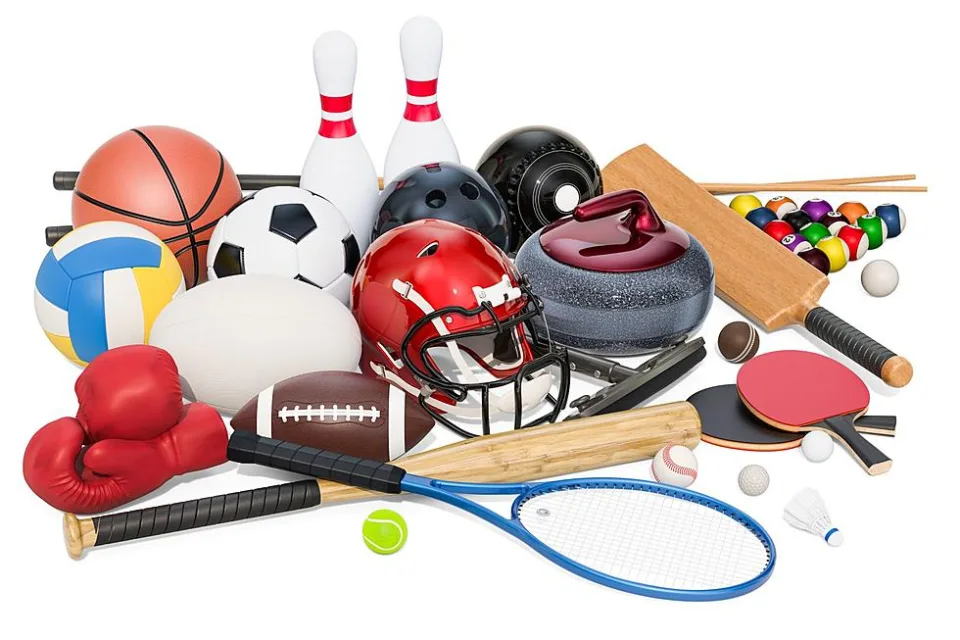
The Ultimate Guide to Choosing the Right Sports Equipment for Your Fitness Journey
Embarking on a fitness journey is an exciting endeavor, but the sheer volume of sports equipment available today can be overwhelming. Whether you are a beginner looking to improve your general health or an athlete aiming to enhance performance, selecting the right gear is crucial. The right equipment not only improves your efficiency but also plays a significant role in preventing injuries and keeping you motivated.
In this comprehensive guide, we will walk you through the essential considerations for selecting sports gear across various disciplines, helping you make informed decisions that align with your fitness goals.
Understanding Your Fitness Goals and Needs
Before you start browsing through online stores or visiting local shops, it is vital to define what you want to achieve. Fitness equipment is not one-size-fits-all; it is highly dependent on the type of activity you intend to pursue.
- Cardiovascular Training: Focus on gear that improves heart health and endurance, such as running shoes, jump ropes, or cycling accessories.
- Strength and Conditioning: Look for equipment that focuses on resistance, such as dumbbells, kettlebells, resistance bands, or weightlifting belts.
- Flexibility and Recovery: Consider yoga mats, foam rollers, and massage guns to aid in mobility and muscle recovery.
- Skill-Specific Sports: If you are into team sports like basketball, soccer, or tennis, your needs will revolve around specialized footwear, protective gear, and performance apparel.
Key Considerations When Buying Sports Equipment
Investing in sports gear is a commitment. To ensure your money is well-spent, keep these four pillars of quality in mind:
1. Quality and Durability
While budget is always a factor, remember that cheaper equipment often wears out quickly or lacks the structural integrity required for safety. Look for high-quality materials—such as reinforced steel for weights, breathable moisture-wicking fabrics for apparel, and high-density foam for mats—that can withstand the rigors of frequent use.
2. Ergonomics and Comfort
If your gear is uncomfortable, you won't use it. Ergonomics refers to how well the equipment fits your body mechanics. For instance, a running shoe must offer the right arch support for your foot type, while a yoga mat should provide enough cushioning to protect your joints during floor exercises.
3. Space and Storage
Before purchasing bulky equipment like treadmills or squat racks, measure your available space. Consider "collapsible" or "multi-functional" gear if you have limited room. Never underestimate the importance of a clutter-free workout environment for maintaining focus.
4. Safety Features
Safety should never be compromised. Always check for stability in machines, proper padding in helmets or protective guards, and reliable grip surfaces on handles or equipment. If you are buying used equipment, perform a thorough inspection for cracks, rust, or frayed cables.
Comparison Table: Selecting Gear by Activity
| Activity Type | Must-Have Equipment | Key Buying Factor | Skill Level |
|---|---|---|---|
| Running | Proper Running Shoes | Gait analysis & Cushioning | All levels |
| Strength Training | Dumbbells/Resistance Bands | Weight progression options | Beginner to Advanced |
| Yoga/Pilates | Non-slip Mat | Thickness & Material grip | Beginner |
| Cycling | Helmet & Padded Shorts | Safety rating & Comfort | Intermediate |
| Team Sports | Protective Pads/Cleats | Impact absorption | All levels |
How to Choose Apparel and Footwear
Clothing and footwear are the most personal pieces of sports equipment. They act as the interface between your body and the environment.
The Importance of Fabric Technology
Avoid cotton for high-intensity workouts. Cotton absorbs moisture, becomes heavy, and can cause chafing. Instead, look for synthetic blends—such as polyester and spandex—that offer moisture-wicking properties. These fabrics pull sweat away from the skin, keeping you cool and dry even during the most grueling sessions.
Footwear: The Foundation of Movement
Your feet are the foundation of every movement. Choosing the wrong shoe can lead to shin splints, plantar fasciitis, or joint pain.
- Know your pronation: Determine if you have neutral feet, overpronation, or supination.
- Match the surface: A trail running shoe has a different tread pattern than a road running shoe or a court shoe.
- Replace regularly: Most athletic shoes lose their shock-absorption capabilities after 300–500 miles of use.
Trends in Sports Equipment: What to Watch For
The sports industry is constantly evolving with technology. Staying aware of current trends can help you choose gear that remains relevant for years to come.
1. Smart Fitness Integration
Wearable technology, such as heart rate monitors and GPS-enabled watches, is now standard. Many pieces of equipment, from stationary bikes to rowing machines, now come with Bluetooth connectivity that syncs with fitness apps to track your progress in real-time.
2. Eco-Friendly Materials
There is a growing movement toward sustainable sports gear. Many manufacturers are now using recycled plastics, organic cotton, and biodegradable materials to create high-performance apparel and accessories without harming the planet.
3. Home-Gym Versatility
Post-pandemic, the demand for space-saving, home-friendly equipment has skyrocketed. Look for modular systems that allow you to expand your home gym over time rather than buying one massive machine that takes up an entire room.
Maintenance Tips to Extend the Life of Your Gear
Once you have invested in quality equipment, proper maintenance is the secret to longevity. Here is how to keep your gear in top shape:
- Clean after every use: Sweat is acidic and can degrade materials over time. Wipe down benches, machines, and mats with a mild disinfectant.
- Store properly: Keep equipment away from direct sunlight and moisture to prevent material breakdown and rust.
- Regular inspections: Tighten bolts on weight benches and check resistance bands for tiny tears before each workout.
- Launder correctly: Follow care labels on your performance apparel. Avoid fabric softeners, as they can clog the pores of moisture-wicking fabrics.
Common Pitfalls to Avoid When Shopping
Many beginners fall into the trap of over-buying. Here are a few mistakes to avoid:
- The "Aesthetic" Trap: Don't buy gear just because it looks good on social media. Functionality should always take precedence over style.
- Ignoring Progression: If you are just starting, don't buy the heaviest weights or the most advanced equipment. You need gear that grows with your skill level.
- Overlooking Reviews: Always read user reviews, but look for patterns. If multiple users mention the same flaw (e.g., "zipper breaks easily" or "size runs small"), take it seriously.
Conclusion: Start Small and Build Wisely
Choosing the right sports equipment is an investment in your health and longevity. By focusing on quality, understanding your specific fitness needs, and prioritizing comfort and safety, you can build a collection of gear that empowers you to reach your goals. Remember, the best piece of equipment is the one that you actually enjoy using consistently.
Start with the essentials, master your form, and gradually add specialized gear as your fitness journey progresses. With the right tools in hand, there is no limit to what you can achieve in your athletic pursuits.

