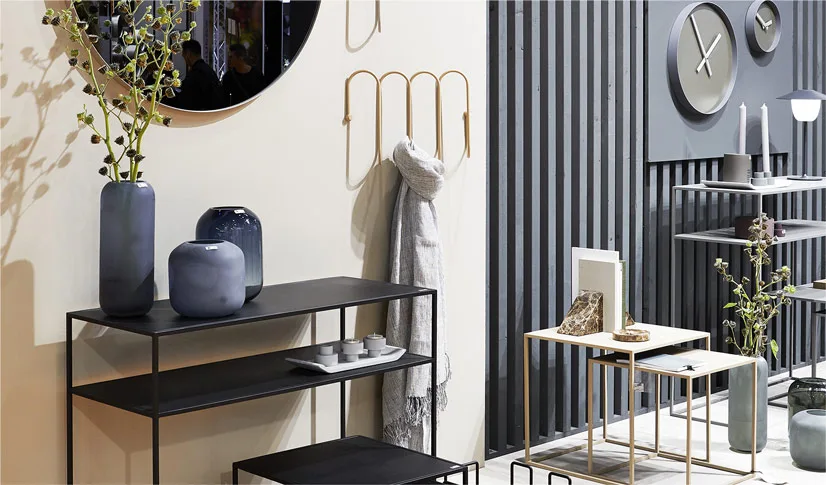
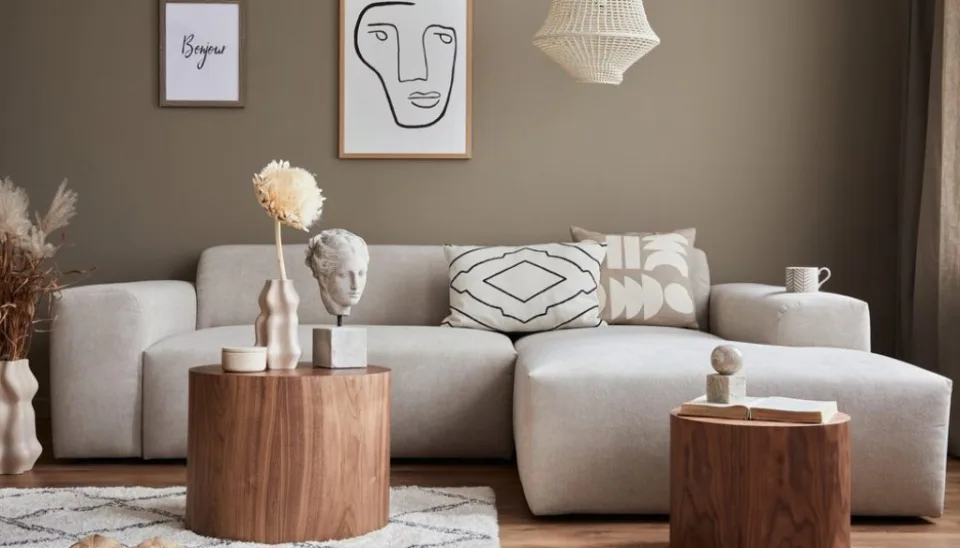
The Ultimate Guide to Elevating Your Living Space with Home Accessories
Your home is more than just a structure; it's a sanctuary, a reflection of your personality, and a space where memories are made. While the foundational elements like furniture and paint colors are crucial, it's the thoughtful selection of home accessories that truly breathes life into a room, transforming it from functional to fabulous. These often-overlooked details are the finishing touches that express your unique style, enhance comfort, and create an inviting atmosphere. Whether you're aiming for a minimalist chic, a cozy bohemian vibe, or a sophisticated modern look, the right home accessories are your secret weapon.
This comprehensive guide will walk you through everything you need to know about choosing, styling, and integrating home accessories into your living space. We'll explore various categories, offer practical tips for selection, delve into current trends, and provide actionable advice to help you curate a home that is both beautiful and deeply personal. Get ready to discover how the smallest additions can make the biggest impact.
Understanding the Power of Home Accessories
Before diving into specific types of accessories, it's essential to grasp their fundamental role in interior design. Home accessories are the elements that complement your larger furniture pieces and architectural features. They add personality, color, texture, and depth, preventing a room from feeling sterile or incomplete. Think of them as the jewelry for your home – they tie everything together and add that essential sparkle.
- Adding Personality and Style: Accessories are the most direct way to inject your personal taste into a space. From quirky art prints to elegant vases, they tell a story about who you are and what you love.
- Enhancing Comfort and Functionality: Beyond aesthetics, many accessories serve practical purposes. Throw pillows offer comfort, storage baskets keep clutter at bay, and ambient lighting creates a relaxing mood.
- Defining a Space: Accessories can help delineate different zones within an open-plan living area. A well-placed rug can anchor a seating area, while a console table can define an entryway.
- Introducing Color and Texture: Accessories are an excellent way to experiment with color and texture without committing to large, permanent changes. A vibrant throw blanket or a rough-hewn wooden bowl can instantly liven up a neutral palette.
- Creating Focal Points: A striking piece of art, a unique lamp, or a dramatic mirror can draw the eye and become a conversation starter, adding visual interest to a room.
Key Categories of Home Accessories
The world of home accessories is vast and varied. To navigate it effectively, it's helpful to break it down into key categories:
Textiles: The Soft Touch
Textiles are perhaps the most versatile and impactful category of home accessories. They add warmth, color, and comfort to any room.
- Throw Pillows: These are the workhorses of the textile world. They come in an endless array of colors, patterns, fabrics, and sizes, allowing you to easily update a sofa or armchair. Mix and match textures for added visual interest – think velvet with linen, or chunky knits with smooth cotton.
- Throws and Blankets: Drape a cozy knit throw over the back of a sofa or a soft fleece blanket at the foot of a bed. They add a layer of comfort and visual warmth, inviting relaxation.
- Rugs: Area rugs define spaces, add warmth underfoot, and introduce color and pattern. They can anchor a seating area, define a dining space, or add a touch of luxury to a bedroom. Consider the material (wool for durability, jute for natural texture, synthetic for easy care) and the pile height (low pile for high-traffic areas, high pile for plush comfort).
- Curtains and Drapes: While often considered part of the window treatment, curtains and drapes are also significant accessories. They control light, offer privacy, and contribute heavily to the room's overall style and color scheme.
Decorative Objects: The Personal Touches
These are the items that truly express your personality and add character to your shelves, tables, and mantels.
- Vases: From delicate ceramic pieces to bold glass creations, vases can stand alone as sculptural elements or hold fresh or dried flowers. Consider their size, shape, and color in relation to the space they will occupy.
- Candles and Candle Holders: Beyond their ambient glow, candles add fragrance and a sense of coziness. Candle holders range from minimalist metal designs to ornate crystal pieces, offering a decorative element even when unlit.
- Picture Frames and Artwork: Personal photos and curated art prints are essential for making a house feel like a home. Experiment with gallery walls, single statement pieces, or a collection of smaller frames.
- Sculptures and Figurines: These can add a touch of artistry and intrigue. Whether abstract or representational, they can be a conversation starter and a focal point.
- Bowls and Trays: Decorative bowls can hold anything from potpourri to keys, while trays are perfect for organizing items on coffee tables or ottomans, or for serving drinks.
Lighting: Setting the Mood
Lighting is crucial for both functionality and ambiance. Beyond overhead fixtures, accent lighting can dramatically transform a room.
- Table Lamps: These are versatile and can provide task lighting for reading or create a warm, inviting glow in the evening. The lampshade is as important as the base for style.
- Floor Lamps: Ideal for illuminating corners, reading nooks, or providing general ambient light in larger spaces.
- Accent Lights: Small, strategically placed lights can highlight artwork, architectural features, or plants.
- String Lights/Fairy Lights: These can add a whimsical and cozy touch, especially in bedrooms, patios, or around mirrors.
Storage Solutions: Stylish Organization
Functional accessories that also contribute to the aesthetic are invaluable.
- Baskets: Woven baskets, metal baskets, or fabric bins are perfect for storing everything from blankets and magazines to toys and toiletries. They add texture and can be a stylish addition to shelves or floors.
- Decorative Boxes: These can hide smaller items like remotes, stationery, or personal keepsakes while adding a decorative element.
- Ottomans with Storage: These multi-functional pieces offer extra seating, a footrest, and hidden storage.
Wall Decor: Beyond the Canvas
The walls are a blank canvas waiting for your personal touch.
- Mirrors: Mirrors are not only functional for last-minute checks but also serve to reflect light, making spaces feel larger and brighter. They come in a vast array of frame styles, from ornate to minimalist.
- Wall Hangings: This can include macrame, tapestries, woven wall art, or even decorative plates.
- Clocks: A stylish clock can be both a practical timekeeper and a significant decorative piece.
Tips for Choosing the Right Home Accessories
Selecting accessories can be overwhelming. Here are some practical tips to guide your choices:
1. Consider Your Existing Style and Color Palette
Your accessories should complement, not clash with, your existing decor. Look at the dominant colors and styles in your room. Are you aiming for a cohesive look, or do you want to introduce a pop of contrast?
- Cohesion: If your room has a dominant color scheme, choose accessories that incorporate those colors or complementary shades.
- Contrast: A bold accessory in a contrasting color can create a focal point and add excitement. For example, a vibrant teal pillow on a grey sofa.
- Texture Play: Mix textures to add depth. Combine smooth surfaces with rough ones, shiny with matte.
2. Scale and Proportion Matter
The size of your accessories should be in proportion to the furniture and the room itself. A tiny vase on a large coffee table will look lost, while an oversized lamp on a small bedside table will feel overwhelming.
- Rule of Thirds: When arranging multiple items, consider the rule of thirds. Grouping items in odd numbers (three or five) often creates a more visually appealing arrangement.
- Height Variation: Vary the heights of your accessories to create visual interest. A tall vase, a medium-sized book, and a small candle create a dynamic display.
3. Functionality Meets Form
While aesthetics are important, don't overlook the practical aspect of an accessory. A beautiful tray that is too small to be useful or a pillow that is too stiff to be comfortable won't serve you well in the long run.
- Multi-purpose items: Opt for items that serve more than one purpose, like storage ottomans or decorative bowls that can also hold keys.
- Durability: For high-traffic areas or items that will see a lot of use, prioritize durability and ease of cleaning.
4. Don't Be Afraid to Mix and Match
Eclecticism can be very appealing. Combining pieces from different styles or eras can create a unique and personal look. The key is to find common threads, whether it's a color, a material, or a general vibe.
- The "Rule of Three": When mixing styles, try to incorporate at least three elements that tie them together, such as a consistent color palette across different styles of objects.
- Balance: Ensure that the mix feels balanced. If you have a very modern piece, pair it with something softer or more traditional to create harmony.
5. Think About Lighting and Placement
Where you place your accessories and how they interact with light can significantly impact their appearance. Consider natural light and artificial lighting when deciding on placement.
- Highlighting: Use lighting to highlight your favorite accessories. A spotlight on a piece of art or a well-placed lamp can draw attention to it.
- Reflection: Shiny or metallic accessories can reflect light, making a space feel brighter.
Current Trends in Home Accessories
Staying aware of trends can inspire your choices, but remember to adapt them to your personal style rather than blindly following them.
Natural and Organic Materials
There's a growing appreciation for materials that connect us to nature. Think rattan, bamboo, jute, wood, stone, and natural fibers like linen and cotton. These materials bring warmth, texture, and a sense of calm to a space.
- Rattan and Wicker: Popular for furniture, but also seen in decorative baskets, trays, and lampshades.
- Natural Wood Tones: From light oak to rich walnut, wood accents are making a strong comeback.
- Ceramics and Terracotta: Earthy tones and unglazed finishes are trending for vases and decorative objects.
Biophilic Design Elements
This trend focuses on bringing the outdoors in. This includes incorporating plants, natural light, and natural materials to create a calming and restorative environment.
- Living Walls and Plants: A variety of indoor plants, from large statement pieces to small succulents, are a must.
- Botanical Prints: Artwork and textiles featuring floral and botanical motifs.
- Water Features: Small indoor fountains can add a soothing element.
Textural Variety
Adding tactile interest is key. Mixing smooth, rough, soft, and hard textures creates a more dynamic and engaging space.
- Chunky Knits: Throws, pillows, and even rugs in thick, textured weaves.
- Bouclé and Velvet: Luxurious and inviting fabrics for upholstery and decorative items.
- Woven Textures: Jute rugs, macrame wall hangings, and woven baskets.
Statement Pieces
Instead of many small items, a single, impactful accessory can make a stronger statement. This could be a large piece of art, an oversized mirror, or a unique sculptural lamp.
- Oversized Mirrors: Particularly those with interesting frames.
- Unique Sculptures: Pieces that are conversation starters.
- Bold Artwork: Large-scale paintings or prints.
Sustainable and Ethical Choices
Consumers are increasingly seeking out accessories made from recycled materials, sustainably sourced resources, or produced by artisans using ethical practices.
- Recycled Materials: Glass, metal, and plastic items made from recycled components.
- Handmade and Artisan Goods: Supporting local craftspeople and traditional techniques.
- Durable and Long-Lasting Items: Investing in quality pieces that won't need frequent replacement.
Creating a Curated Look: A Step-by-Step Approach
Let's put it all together. Here's a practical approach to curating your home accessories:
Step 1: Assess Your Space
Before buying anything, take stock of your current room. What is the existing color palette? What is the dominant style? What pieces of furniture do you have? What is missing? What is cluttered?
Step 2: Define Your Vision
What mood do you want to create? Cozy and inviting? Modern and sleek? Bohemian and eclectic? Having a clear vision will help you make consistent choices.
Step 3: Start with the Essentials
Begin with the accessories that offer both style and function. This might include a few well-chosen throw pillows for your sofa, a soft throw blanket, and perhaps a stylish rug to anchor the seating area.
Step 4: Layer in Decorative Objects
Once the foundational accessories are in place, start adding decorative items. Think about your shelves, coffee table, and mantelpiece. Group items in varying heights and textures. Don't be afraid to leave some empty space; it allows the chosen items to breathe.
Step 5: Incorporate Lighting
Add table lamps or floor lamps to create ambient lighting and highlight specific areas. Consider the style of the lamp and the shade to ensure it complements your decor.
Step 6: Add Wall Decor
Choose artwork, mirrors, or wall hangings that enhance your chosen style and color palette. Consider the scale of the wall and the overall composition of the room.
Step 7: Edit and Refine
Once you've added your initial selections, step back and evaluate. Does it feel balanced? Is it too cluttered? Are there any pieces that don't quite fit? Don't be afraid to remove items or rearrange them until you achieve the desired look.
Step 8: Rotate and Update
Home accessories are the easiest way to refresh your space seasonally or when your mood changes. Swap out throw pillows, add a festive centerpiece, or change out artwork to keep your home feeling dynamic and current.
Common Mistakes to Avoid
Even with the best intentions, it's easy to fall into common accessory pitfalls. Here's what to watch out for:
- Over-accessorizing: Too many items can make a space feel cluttered and chaotic, detracting from the beauty of individual pieces. Less can often be more.
- Under-accessorizing: A room with too few accessories can feel stark, unfinished, and impersonal.
- Ignoring Scale: Using accessories that are too large or too small for the space or furniture they are placed on.
- Clashing Styles: While mixing styles can work, it needs to be done thoughtfully. Randomly throwing together disparate items will likely result in a disjointed look.
- Forgetting Functionality: Choosing purely decorative items when a functional accessory would serve a better purpose (e.g., a beautiful but impractical tray).
- Not Considering Lighting: Placing accessories in dark corners or areas that don't receive adequate light, diminishing their impact.
- Buying Everything at Once: It's often better to build your collection of accessories over time, allowing you to find pieces you truly love.
Conclusion: The Art of Accessorizing
Home accessories are the unsung heroes of interior design. They are the elements that transform a house into a home, infusing it with personality, warmth, and style. By understanding the power of these decorative and functional pieces, exploring the diverse categories available, and applying thoughtful selection strategies, you can elevate your living space to new heights. Remember to consider your existing decor, the principles of scale and proportion, and the interplay of texture and color. Embrace current trends as inspiration, but always prioritize what resonates with your personal taste. With a little intention and creativity, you can curate a collection of home accessories that not only beautifies your surroundings but also makes your home a true reflection of you.