Choosing Your Next Ride: A Comprehensive Comparison of Popular Car Categories
The automotive landscape is a vast and exciting territory, offering a diverse range of vehicles to suit every lifestyle, budget, and driving need. For many, selecting a new car is a significant decision, often involving a blend of practical considerations and personal aspirations. This guide delves into a comparison of the most popular car categories, helping you navigate the options and make an informed choice. We'll explore the defining characteristics, advantages, disadvantages, and ideal use cases for each segment, empowering you to find the perfect match for your automotive journey.
Understanding the Core Car Categories
Before diving into specific comparisons, it's essential to understand the fundamental distinctions between the major car categories. These classifications are typically based on body style, size, intended purpose, and passenger capacity. While manufacturers often blur the lines with innovative designs, these core categories provide a solid framework for evaluation.
Sedans: The Timeless All-Rounders
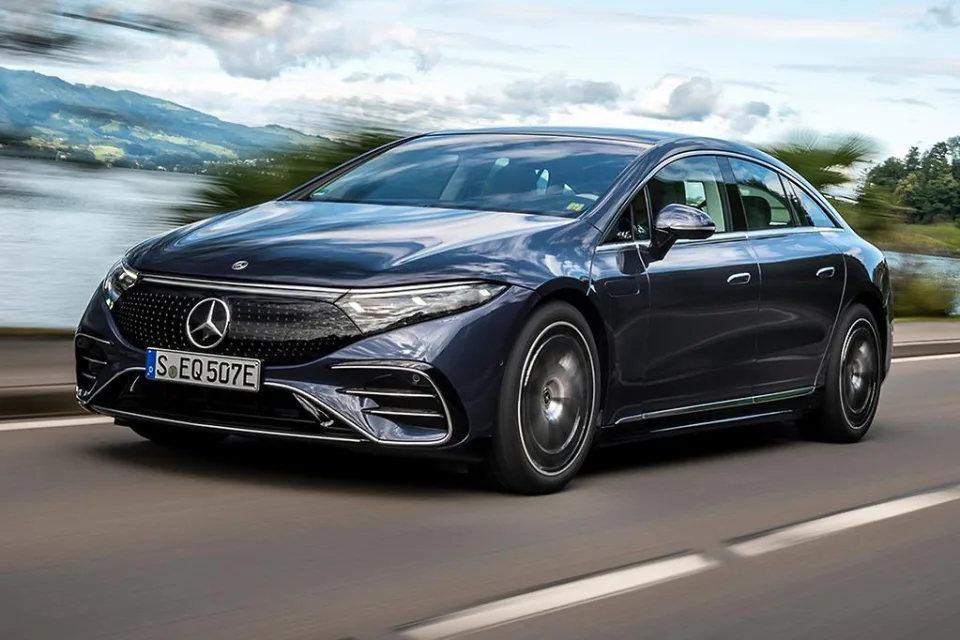
Sedans, often characterized by their three-box configuration (engine, passenger compartment, and trunk), have long been the backbone of personal transportation. They offer a balanced blend of comfort, fuel efficiency, and practicality, making them a perennial favorite for daily commuting and family use.
Key Features of Sedans:
- Four doors for easy access.
- Separate, enclosed trunk for cargo.
- Generally comfortable ride quality.
- Good fuel economy compared to larger vehicles.
- Available in various sizes, from compact to full-size.
Pros of Sedans:
- Fuel Efficiency: Typically offer better MPG than SUVs or trucks.
- Handling: Lower center of gravity often translates to more agile handling.
- Comfort: Designed for comfortable passenger transport.
- Cost-Effectiveness: Often more affordable to purchase and maintain.
- Security: Enclosed trunk provides secure storage for belongings.
Cons of Sedans:
- Limited Cargo Space: Trunk size can be restrictive for bulky items.
- Lower Driving Position: May not offer the commanding view some drivers prefer.
- Less Versatile for Outdoor Activities: Not ideal for hauling large gear or off-road adventures.
Ideal For:
- Commuters seeking fuel efficiency and comfort.
- Small families needing reliable daily transportation.
- Drivers who prioritize a smooth, car-like driving experience.
- Those looking for a cost-effective and practical vehicle.
SUVs (Sport Utility Vehicles): Versatility Redefined
SUVs have surged in popularity due to their blend of car-like driving dynamics and the practicality of a wagon or minivan. They offer higher ground clearance, more interior space, and often the option of all-wheel drive, making them a compelling choice for a wide range of needs.
Key Features of SUVs:
- Higher ride height and ground clearance.
- Spacious interior with flexible seating configurations.
- Often available with all-wheel drive (AWD) or four-wheel drive (4WD).
- Hatchback-style rear for easy cargo access.
- Range from compact crossovers to large, three-row SUVs.
Pros of SUVs:
- Versatility: Adaptable to various driving conditions and cargo needs.
- Passenger and Cargo Space: Ample room for families and gear.
- Commanding View: Higher seating position offers better visibility.
- All-Weather Capability: AWD/4WD options enhance traction in challenging conditions.
- Towing Capacity: Many models offer decent towing capabilities.
Cons of SUVs:
- Fuel Economy: Generally less fuel-efficient than sedans.
- Handling: Higher center of gravity can lead to more body roll in corners.
- Cost: Often more expensive to purchase and maintain than comparable sedans.
- Maneuverability: Larger SUVs can be more challenging to park and navigate in tight spaces.
Ideal For:
- Families needing ample space for passengers and cargo.
- Drivers living in areas with challenging weather conditions.
- Those who enjoy outdoor activities and need to transport gear.
- Individuals seeking a higher driving position and a sense of security.
Hatchbacks: Compact Powerhouses of Practicality
Hatchbacks offer the compact footprint of a small car with the added practicality of a rear hatch, providing a more versatile cargo area than a traditional sedan. They are a popular choice for urban dwellers and those who appreciate agility and efficient use of space.
Key Features of Hatchbacks:
- Rear door (hatch) that opens upwards.
- Integrated cargo area accessible from the passenger cabin.
- Compact exterior dimensions.
- Often based on sedan platforms, offering similar driving dynamics.
Pros of Hatchbacks:
- Cargo Versatility: More flexible than sedans for carrying larger items.
- Fuel Efficiency: Typically offer excellent MPG.
- Agility: Compact size makes them easy to maneuver and park.
- Affordability: Often among the most budget-friendly new car options.
- Sporty Feel: Many hatchbacks offer a more engaging driving experience.
Cons of Hatchbacks:
- Noise: Cargo area is not fully separated, which can lead to more road noise.
- Security: Items in the cargo area are more visible than in a sedan's trunk.
- Passenger Space: Rear passenger space can be tighter than in some sedans.
Ideal For:
- City drivers who need to navigate tight streets and parking.
- Individuals or couples who value cargo flexibility without the size of an SUV.
- Budget-conscious buyers seeking an efficient and practical vehicle.
- Those who appreciate a sporty and agile driving feel.
Trucks (Pickup Trucks): Built for Work and Adventure
Pickup trucks are synonymous with utility, capability, and ruggedness. Designed for hauling, towing, and tackling tough terrain, they are a staple for tradespeople, outdoor enthusiasts, and those who need a vehicle that can handle demanding tasks.
Key Features of Trucks:
- Open cargo bed at the rear.
- Body-on-frame construction for durability and towing/hauling strength.
- Available in various cab sizes (regular, extended, crew) and bed lengths.
- Often equipped with 4WD for off-road capability.
Pros of Trucks:
- Towing and Hauling Capacity: Unmatched for transporting heavy loads.
- Durability: Built to withstand tough conditions.
- Versatility: Can be used for work, recreation, and everyday transport.
- Off-Road Capability: Many models are designed for serious off-roading.
- Resale Value: Trucks often hold their value well.
Cons of Trucks:
- Fuel Economy: Generally the least fuel-efficient category.
- Ride Comfort: Can be less refined and more truck-like than other vehicles.
- Maneuverability: Large size makes them difficult to park and navigate in urban environments.
- Cost: Can be expensive to purchase, especially higher trims and larger engines.
- Passenger Space: Rear passenger comfort can be limited in smaller cab configurations.
Ideal For:
- Tradespeople and contractors needing to transport tools and materials.
- Outdoor enthusiasts who need to haul ATVs, boats, or camping gear.
- Drivers who frequently tow trailers or large loads.
- Those who prioritize ruggedness and capability above all else.
Minivans: The Ultimate Family Haulers
Minivans are purpose-built for families, prioritizing passenger comfort, space, and convenience. With their sliding doors, flexible seating, and ample cargo room, they are unmatched for transporting multiple children and all their associated gear.
Key Features of Minivans:
- Sliding rear doors for easy access, especially in tight parking spots.
- Three rows of seating, accommodating up to seven or eight passengers.
- Abundant interior space for passengers and cargo.
- Often feature family-friendly amenities like rear-seat entertainment systems.
- Front-wheel drive is standard, with some models offering AWD.
Pros of Minivans:
- Passenger Capacity: Excellent for large families.
- Cargo Space: Vast and highly configurable.
- Ease of Access: Sliding doors are a game-changer for families with young children.
- Comfort: Designed for long-haul comfort for all occupants.
- Safety Features: Typically equipped with a comprehensive suite of safety technologies.
Cons of Minivans:
- Fuel Economy: Can be less efficient than smaller vehicles.
- Driving Dynamics: Not known for sporty handling; more focused on comfort.
- Perception: Some buyers may perceive them as less stylish than SUVs.
- Size: Can be cumbersome to drive and park in urban areas.
Ideal For:
- Families with multiple children or frequently transport groups of people.
- Drivers who prioritize practicality, comfort, and ease of use for everyday family life.
- Those who need to carry a lot of gear for sports, activities, or travel.
Sports Cars & Performance Cars: Thrill Seekers' Choice
For those who prioritize driving dynamics, acceleration, and an exhilarating experience, sports cars and performance-oriented vehicles are the ultimate choice. These cars are engineered for speed, agility, and a direct connection between the driver and the road.
Key Features of Sports Cars:
- Typically two doors, with a focus on driver and one passenger.
- Low-slung profile and aerodynamic design.
- Powerful engines and performance-tuned suspension.
- Rear-wheel drive is common, often with performance-oriented AWD systems.
- Emphasis on handling, braking, and acceleration.
Pros of Sports Cars:
- Driving Experience: Unparalleled thrill and engagement.
- Performance: Exhilarating acceleration, sharp handling, and strong braking.
- Aesthetics: Often boast striking and attractive designs.
- Advanced Technology: Frequently feature cutting-edge automotive engineering.
Cons of Sports Cars:
- Practicality: Limited passenger and cargo space.
- Fuel Economy: Generally poor fuel efficiency.
- Cost: High purchase price and often expensive maintenance and insurance.
- Ride Comfort: Can have a firm ride, making them less suitable for daily commuting on rough roads.
- Accessibility: Low seating position can be challenging for some.
Ideal For:
- Enthusiast drivers who crave performance and a dynamic driving experience.
- Individuals or couples who don't require significant passenger or cargo space.
- Those who view their car as an extension of their passion for driving.
Comparison Table: Key Metrics Across Categories
To provide a clearer overview, here's a comparative table highlighting key metrics for each car category. Keep in mind that these are generalizations, and specific models within each category can vary significantly.
| Category | Typical Passenger Capacity | Typical Cargo Space (cu ft) | Typical Fuel Economy (MPG City/Hwy) | Typical Starting Price (USD) | Primary Use Case |
|---|---|---|---|---|---|
| Sedan | 4-5 | 12-18 | 25-40 | $20,000 - $40,000+ | Daily Commuting, Family Transport |
| SUV (Compact) | 5 | 20-30 | 22-35 | $25,000 - $45,000+ | Versatile Family Use, Light Off-Roading |
| SUV (Mid-size/Full-size) | 5-8 | 30-50+ | 18-30 | $30,000 - $60,000+ | Larger Families, Towing, All-Weather Capability |
| Hatchback | 4-5 | 15-25 | 28-45 | $18,000 - $35,000+ | Urban Driving, Versatile Small Car Use |
| Truck (Mid-size) | 3-5 | 40-60 | 18-25 | $25,000 - $45,000+ | Work, Light Towing/Hauling, Recreation |
| Truck (Full-size/Heavy Duty) | 3-6 | 60-100+ | 15-22 | $30,000 - $70,000+ | Heavy Towing/Hauling, Work, Off-Roading |
| Minivan | 7-8 | 30-50+ (with seats folded) | 19-28 | $30,000 - $50,000+ | Large Family Transport, Maximum Practicality |
| Sports Car | 2-4 | 5-15 | 18-30 | $30,000 - $100,000+ | Performance Driving, Enthusiast Use |
Emerging Trends and Considerations
The automotive industry is constantly evolving, with new technologies and trends shaping the way we choose and use our vehicles. Here are a few key considerations for today's car buyer:
Electric Vehicles (EVs) and Hybrids
The rise of electric and hybrid powertrains is a significant trend. EVs offer zero tailpipe emissions and lower running costs, while hybrids provide a bridge between traditional internal combustion engines and full electric power, improving fuel efficiency.
- EVs: Environmentally friendly, quiet operation, instant torque. Range anxiety and charging infrastructure are key considerations.
- Hybrids: Improved fuel economy over conventional cars, no range anxiety. More complex powertrain than traditional cars.
Connectivity and Infotainment
Modern cars are increasingly equipped with advanced infotainment systems, smartphone integration (Apple CarPlay, Android Auto), and driver-assistance technologies. These features enhance convenience, safety, and the overall driving experience.
Safety Technologies
Advanced driver-assistance systems (ADAS) are becoming standard, including features like adaptive cruise control, lane-keeping assist, automatic emergency braking, and blind-spot monitoring. These technologies contribute significantly to vehicle safety.
Sustainability and Fuel Efficiency
With growing environmental awareness, fuel efficiency and sustainable manufacturing practices are becoming more important to consumers. This influences the design and powertrain choices of new vehicles.
Making Your Final Decision
Choosing the right car category is a personal journey. To make an informed decision, consider the following:
- Assess Your Needs: How many passengers do you typically carry? What kind of cargo do you transport? What are your daily driving habits?
- Consider Your Budget: Factor in not only the purchase price but also ongoing costs like fuel, insurance, maintenance, and potential repairs.
- Evaluate Your Lifestyle: Do you live in a city or a rural area? Do you engage in outdoor activities? Do you need to tow or haul?
- Test Drive Extensively: Never buy a car without test driving it. Experience how it handles, how comfortable it is, and how well its features meet your expectations.
- Research Specific Models: Once you've narrowed down a category, research specific makes and models within that category. Read reviews, compare specifications, and look at reliability ratings.
By understanding the strengths and weaknesses of each popular car category and carefully considering your own requirements, you can confidently select a vehicle that will serve you well for years to come.
