The Ultimate Guide to Choosing the Right Toys for Every Child's Development
In the vibrant world of childhood, toys are far more than just playthings. They are powerful tools that shape young minds, foster creativity, and lay the foundation for crucial developmental milestones. As parents, guardians, and educators, the responsibility of selecting the perfect toys can feel immense. With an ever-expanding market offering everything from classic wooden blocks to cutting-edge interactive gadgets, navigating the choices can be a challenge. This comprehensive guide will delve into the diverse landscape of toys, offering insights into their developmental benefits, exploring popular categories, and providing practical tips to help you make informed decisions. Our focus remains firmly on the broad spectrum of the Toys category, empowering you to choose wisely without endorsing any specific brand or retailer.
Understanding the Developmental Power of Play
Play is the universal language of childhood, and toys are its vocabulary. Each type of toy, when chosen appropriately, contributes uniquely to a child's cognitive, physical, social, and emotional growth. Understanding these developmental areas is key to unlocking the true potential of playtime.
Cognitive Development: Building Brainpower
Toys that stimulate problem-solving, critical thinking, and imagination are paramount for cognitive development. These toys encourage children to experiment, learn cause and effect, and develop memory and concentration skills. Examples include puzzles, building blocks, educational board games, and simple science kits.
Physical Development: Gross and Fine Motor Skills
Active play is essential for developing both gross motor skills (large muscle movements like running, jumping, and climbing) and fine motor skills (smaller, more precise movements of the hands and fingers, like grasping and manipulating objects). Toys that promote physical activity include balls, ride-on toys, outdoor play equipment, and art supplies like crayons and playdough.
Social and Emotional Development: Learning to Connect and Cope
Toys that facilitate interaction, role-playing, and sharing are vital for social and emotional growth. Through play, children learn to communicate, cooperate, understand different perspectives, and manage their emotions. Dolls, action figures, play kitchens, and board games that require teamwork are excellent for this. Pretend play also allows children to explore different roles and scenarios, helping them process their feelings and build empathy.
Language and Literacy Development: Words and Worlds
Toys that encourage storytelling, imaginative dialogue, and the exploration of concepts can significantly boost language and literacy skills. Picture books, puppets, and toys that represent real-world objects or characters can spark conversations and introduce new vocabulary. Early writing tools and magnetic letters also play a role in pre-literacy development.
Popular Toy Categories: A Comparative Look
The toy market is vast, but many popular categories offer distinct benefits. Understanding these categories can help you tailor your choices to a child's age, interests, and developmental stage. We'll explore some of the most prevalent types, comparing their strengths and ideal applications.
1. Building and Construction Toys
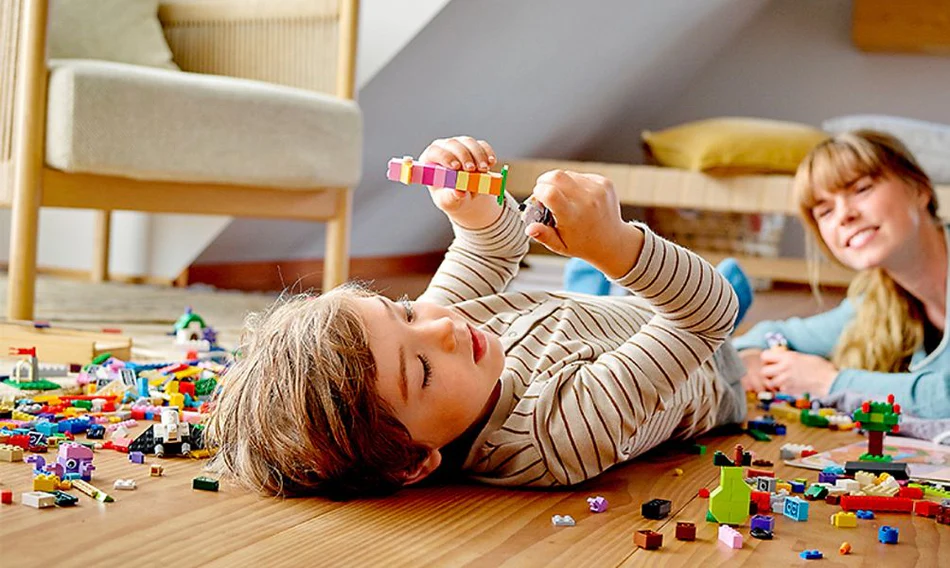
These toys are foundational for developing spatial reasoning, problem-solving skills, and fine motor control. They encourage creativity and allow children to bring their imaginative structures to life.
- Pros: Excellent for cognitive and fine motor skill development, promotes creativity and spatial awareness, versatile for various age groups.
- Cons: Can sometimes lead to frustration if pieces are too complex for the age group, some sets can be expensive.
- Best for: Children who enjoy hands-on activities, problem-solving, and imaginative play.
- Examples: Building blocks (e.g., wooden blocks, interlocking plastic bricks), magnetic tiles, construction sets with nuts and bolts.
2. Educational and STEM Toys
Designed to teach specific concepts in science, technology, engineering, and mathematics, these toys make learning engaging and fun. They foster curiosity, critical thinking, and a love for discovery.
- Pros: Directly supports academic learning, encourages problem-solving and logical thinking, can spark interest in future careers.
- Cons: Can sometimes feel too much like "work" if not presented playfully, some advanced kits require adult supervision.
- Best for: Children who are curious, enjoy puzzles, and have an aptitude for logical reasoning.
- Examples: Science experiment kits, coding robots, logic puzzles, math games, building kits with mechanical components.
3. Arts and Crafts Supplies
These toys provide an outlet for self-expression, creativity, and the development of fine motor skills. They allow children to explore different mediums and create unique pieces of art.
- Pros: Enhances creativity and self-expression, develops fine motor skills and hand-eye coordination, offers a sense of accomplishment.
- Cons: Can be messy, requires adult supervision for younger children, some materials can be costly.
- Best for: Children who enjoy being creative, expressing themselves visually, and working with their hands.
- Examples: Crayons, markers, paints, playdough, modeling clay, craft kits (e.g., bead kits, sticker mosaics), drawing pads.
4. Pretend Play and Role-Playing Toys
These toys are crucial for social, emotional, and language development. They allow children to step into different roles, explore social scenarios, and develop empathy and communication skills.
- Pros: Fosters imagination, social skills, emotional understanding, and language development, helps children process real-world situations.
- Cons: Can sometimes lead to disagreements among children if rules aren't established, may require space for imaginative scenarios.
- Best for: Children who enjoy imaginative scenarios, mimicking adults, and interacting with others.
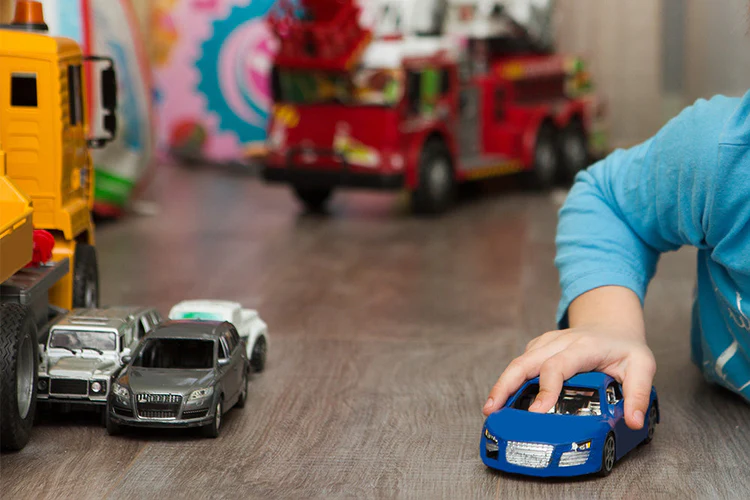
- Examples: Play kitchens, doctor kits, dollhouses, action figures, dress-up costumes, toy vehicles.
5. Outdoor and Active Play Toys
Essential for physical development, these toys encourage children to be active, develop gross motor skills, and enjoy the benefits of fresh air and exercise.
- Pros: Promotes physical health and coordination, develops gross motor skills, encourages exploration and connection with nature.
- Cons: Requires outdoor space and appropriate weather conditions, some items can be bulky and require storage.
- Best for: Energetic children who love to move, explore, and be outdoors.
- Examples: Balls, scooters, bicycles, ride-on toys, jump ropes, playground equipment, sand toys.
6. Puzzles and Games
These toys are excellent for cognitive development, problem-solving, and patience. They also offer opportunities for family interaction and friendly competition.
- Pros: Enhances problem-solving skills, improves memory and concentration, develops patience and perseverance, promotes social interaction.
- Cons: Can be frustrating if too difficult for the age group, some games require multiple players.
- Best for: Children who enjoy challenges, logical thinking, and focused activities.
- Examples: Jigsaw puzzles, logic puzzles, board games, card games, matching games.
Choosing Toys by Age and Stage: A Developmental Timeline
A toy that is perfect for a toddler might be too simple or too complex for a preschooler or a school-aged child. Understanding developmental milestones is key to selecting age-appropriate toys that will be both engaging and beneficial.
Infants (0-12 months)
Focus on sensory exploration and basic motor skill development. Toys should be safe, non-toxic, and free of small parts that could be a choking hazard.
- Key Developmental Focus: Sensory stimulation, grasping, reaching, tummy time, cause and effect.
- Recommended Toy Types: Soft rattles, textured balls, activity gyms, soft books, stacking rings, large soft blocks.
- Safety Considerations: Ensure toys are BPA-free, phthalate-free, and have no loose parts.
Toddlers (1-3 years)
Toddlers are exploring their independence and developing gross and fine motor skills. They enjoy simple pretend play and cause-and-effect activities.
- Key Developmental Focus: Gross and fine motor skills, language development, early problem-solving, pretend play, exploration.
- Recommended Toy Types: Push and pull toys, ride-on toys, simple puzzles (2-4 pieces), shape sorters, large building blocks, play kitchens, dolls, art supplies (chunky crayons, washable paint).
- Safety Considerations: Continue to avoid small parts, ensure durability, and supervise use of art supplies.
Preschoolers (3-5 years)
This age group is characterized by a burgeoning imagination, improved fine motor skills, and a greater capacity for social interaction and rule-based games.
- Key Developmental Focus: Imaginative play, social skills, fine motor control, early literacy and numeracy, problem-solving.
- Recommended Toy Types: Dress-up clothes, play-doh, more complex puzzles (12-30 pieces), building sets (e.g., LEGO DUPLO), board games with simple rules, art supplies, simple science kits, storytelling toys.
- Safety Considerations: Ensure materials are non-toxic, supervise use of small parts in building sets.
Early School Age (6-8 years)
Children in this stage are developing more complex problem-solving skills, logical thinking, and a stronger sense of independence. They enjoy challenges and learning new things.
- Key Developmental Focus: Cognitive skills, strategic thinking, fine motor refinement, reading and math skills, social interaction, creativity.
- Recommended Toy Types: More complex building sets (e.g., LEGO Classic), strategy board games, science kits, coding toys, art sets, chapter books, puzzles with more pieces, sports equipment.
- Safety Considerations: Ensure proper use of equipment, supervise experiments.
Late School Age (9-12 years)
This age group often enjoys more challenging activities, technology, and toys that foster independence and critical thinking. Social play becomes increasingly important.
- Key Developmental Focus: Advanced problem-solving, critical thinking, creativity, social engagement, hobbies, technology exploration.
- Recommended Toy Types: Advanced STEM kits, complex board games and strategy games, model building kits, art and craft kits for older children, electronics kits, hobby-related toys (e.g., telescopes, chemistry sets), sports equipment.
- Safety Considerations: Emphasize safe use of tools and technology, supervise complex projects.
Key Considerations When Buying Toys
Beyond age appropriateness and developmental benefits, several practical factors should influence your toy-buying decisions.
Safety First: The Non-Negotiable
This is the most crucial aspect. Always check for age recommendations, ensure toys are made from non-toxic materials, and inspect for small parts that could be a choking hazard for younger children. Look for safety certifications where applicable.
Durability and Longevity
Investing in well-made toys that can withstand regular play means they will last longer, providing more value and reducing waste. Consider materials and construction quality.
Open-Ended vs. Single-Purpose Toys
Open-ended toys, like blocks or art supplies, can be used in countless ways, fostering creativity and imagination. Single-purpose toys have a specific function (e.g., a toy that makes a specific sound). While both have their place, open-ended toys often offer more sustained engagement and developmental benefits.
Interests and Personality
The best toy is one that a child will actually play with! Observe their interests. Do they love animals? Are they fascinated by how things work? Do they enjoy quiet, focused activities or energetic movement? Tailor your choices to their unique personality.
Educational Value vs. Pure Fun
While educational toys are fantastic, remember that play itself is a powerful learning tool. Sometimes, the most beneficial toys are those that simply spark joy and allow for free exploration. A balance is often ideal.
The Role of Technology in Toys
Modern toys often incorporate technology, from interactive screens to coding capabilities. While these can offer unique learning opportunities and engagement, it's important to balance screen time with traditional, hands-on play. Look for tech toys that encourage active participation and problem-solving rather than passive consumption.
Making the Right Choice: A Practical Checklist
Before you make a purchase, consider this checklist:
- Age Appropriateness: Does the toy match the child's developmental stage?
- Safety Standards: Is it made from safe, non-toxic materials? Are there any choking hazards?
- Developmental Benefits: Does it support cognitive, physical, social, or emotional growth?
- Child's Interests: Will this toy genuinely appeal to the child?
- Durability: Will it withstand regular play?
- Open-Ended Potential: Does it encourage creativity and imagination?
- Ease of Use: Can the child use it independently (with appropriate supervision)?
- Value for Money: Does the toy offer long-term play value?
Conclusion: Investing in Play, Investing in the Future
Choosing toys is an art and a science. By understanding the developmental power of play, exploring the diverse categories available, and considering age-appropriateness and safety, you can make informed decisions that enrich a child's life. The right toys are not just items; they are catalysts for growth, learning, and cherished memories. Prioritize quality, safety, and the unique needs of each child, and you'll be well on your way to selecting toys that truly make a difference.