The Ultimate Guide to Choosing the Best Toys for Every Age and Developmental Stage
Finding the perfect toy is more than just a search for entertainment; it is an investment in a child’s cognitive, physical, and emotional development. With the toy industry constantly evolving, parents and gift-givers often find themselves overwhelmed by the sheer volume of options available. Whether you are looking for educational tools, screen-free alternatives, or the latest trending gadgets, understanding what makes a toy "the best" is essential for making informed purchasing decisions.
In this comprehensive guide, we will explore the best categories of toys, how to select items based on developmental milestones, and tips for navigating the modern toy market to ensure safety, durability, and long-lasting engagement.
Understanding Developmental Stages in Toy Selection
The most effective toys are those that meet a child exactly where they are in their developmental journey. A toy that is too simple will be ignored, while one that is too complex can lead to frustration. Here is how to categorize the best toys by age group:
Infants (0–12 Months): Sensory and Motor Skill Builders
At this stage, babies are learning about the world through their senses. The best toys for infants are those that encourage grasping, reaching, and tracking objects with their eyes. Look for high-contrast colors, soft textures, and safe, chewable materials.
- Soft activity mats: Promote tummy time and neck strength.
- Rattles and shakers: Introduce cause-and-effect concepts.
- Textured books: Encourage tactile exploration and early literacy.
Toddlers (1–3 Years): Exploratory and Imaginative Play
Toddlers are little explorers. They are developing fine motor skills and beginning to engage in pretend play. The best toys here are those that allow for open-ended manipulation.
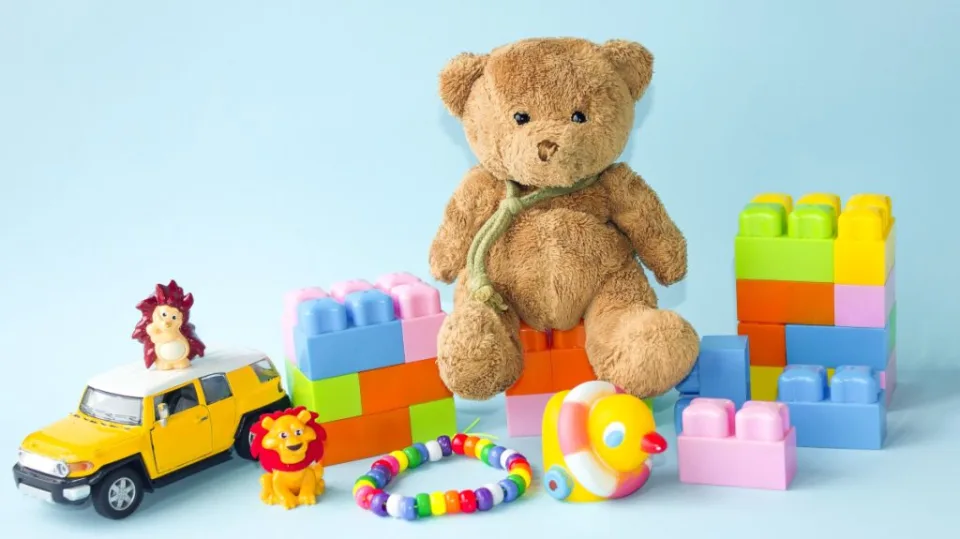
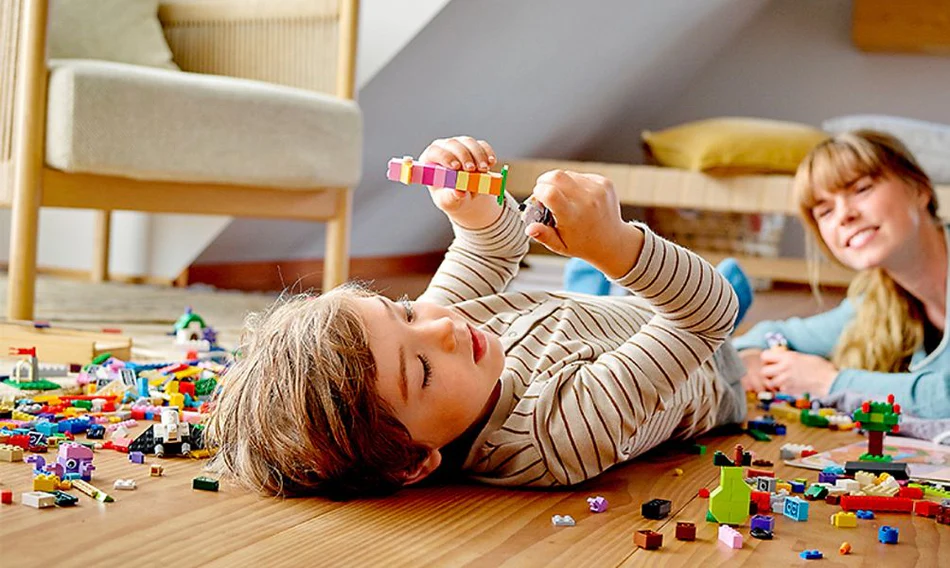
- Building blocks: Enhance spatial reasoning and hand-eye coordination.
- Push-and-pull toys: Support physical balance and walking confidence.
- Simple puzzles: Teach shape recognition and problem-solving.
Preschoolers (3–5 Years): Creative and Social Play
This is the golden age of imagination. Children begin to engage in cooperative play and complex storytelling. The best toys for this age group facilitate role-playing and creativity.
- Dress-up kits: Foster empathy and social role-playing.
- Art supplies: Encourage self-expression and fine motor control.
- Action figures and dolls: Allow children to act out social scenarios.
Top Toy Categories for Modern Families
When searching for the best toys, it is helpful to categorize them by the "type" of play they promote. This helps ensure a balanced playroom that covers all aspects of a child's growth.
| Category | Primary Benefit | Example Toys |
|---|---|---|
| STEM/STEAM | Logic, math, and scientific thinking | Coding robots, science kits, magnets |
| Open-Ended | Creativity and imagination | Wooden blocks, silk scarves, play dough |
| Active/Outdoor | Gross motor skills and physical health | Balance bikes, jump ropes, sports gear |
| Board Games | Social skills, patience, and strategy | Card games, classic strategy board games |
Tips for Buying the Best Toys Safely and Sustainably
Selecting the "best" toy isn't just about fun; it’s about safety and value. As a consumer, you should prioritize quality over quantity. Here are expert tips for your next shopping trip:
1. Prioritize Durability and Material Quality
The best toys are those that can withstand years of play. Look for solid wood, BPA-free plastics, and reinforced stitching on plush toys. High-quality materials not only last longer but are often safer for children who tend to put toys in their mouths.
2. The "Less is More" Philosophy
Over-stimulating a child with too many toys can actually hinder their creativity. Experts suggest a "toy rotation" system. By keeping only a few high-quality toys out at a time and storing the rest, you keep play fresh and engaging without the clutter.
3. Check for Safety Certifications
Always inspect packaging for safety seals. In the US, look for the ASTM (American Society for Testing and Materials) label. Ensure that toys for younger children do not have small parts that pose a choking hazard.
4. Focus on Open-Ended Play
The best toys are those that can be used in multiple ways. A plastic battery-operated toy that only does one thing (like flash lights) will be boring within a week. A set of high-quality wooden blocks, however, can become a castle, a car, a kitchen, or a mountain, providing years of utility.
Current Trends in the Toy Industry
The toy world is currently seeing a massive shift toward sustainability and digital-physical integration. Staying updated on these trends can help you choose toys that are both modern and beneficial.
Eco-Friendly and Sustainable Toys
Parents are increasingly demanding toys made from recycled plastics, sustainably sourced wood, and organic fabrics. Choosing these toys teaches children about environmental stewardship while providing a safe, chemical-free play experience.
The Rise of "Phygital" Play
Phygital (physical + digital) toys are becoming the new standard. These include interactive globes that connect to tablets, or coding kits that bring physical blocks to life on a screen. When chosen carefully, these toys bridge the gap between necessary screen time and hands-on learning.
Focus on Inclusive Play
The best modern toys represent the diverse world we live in. From dolls with different abilities to books that showcase various cultures and family structures, inclusive toys help build empathy and understanding in young children.
How to Evaluate a Toy Before You Buy
Before making a purchase, ask yourself these four questions to determine if the item is truly one of the "best" choices:
- Is it age-appropriate? Check the manufacturer’s suggested age range, but also use your own judgment based on the child's individual abilities.
- Does it require active participation? If the toy does all the work (like a screen-based video game), the child remains passive. The best toys require the child to do the thinking and the doing.
- Is it versatile? Can this toy grow with the child? For example, a set of nesting dolls is fun for a toddler to stack and fun for a preschooler to use in imaginative play.
- Is it well-constructed? Check reviews for complaints about parts breaking, batteries dying too quickly, or paint chipping.
Conclusion: Investing in Playtime
The "best" toy is ultimately the one that brings joy to the child while supporting their unique developmental path. By focusing on open-ended play, prioritizing high-quality materials, and considering the child's current interests and abilities, you can curate a collection of toys that provide endless entertainment and educational value.
Remember, the goal of play is not to achieve a specific outcome, but to explore, experiment, and learn. Whether it is a simple set of cardboard boxes or a sophisticated science kit, the best toys are the ones that foster a lifelong love of learning and discovery. Happy shopping, and may your toy selections lead to many hours of creative, meaningful play.