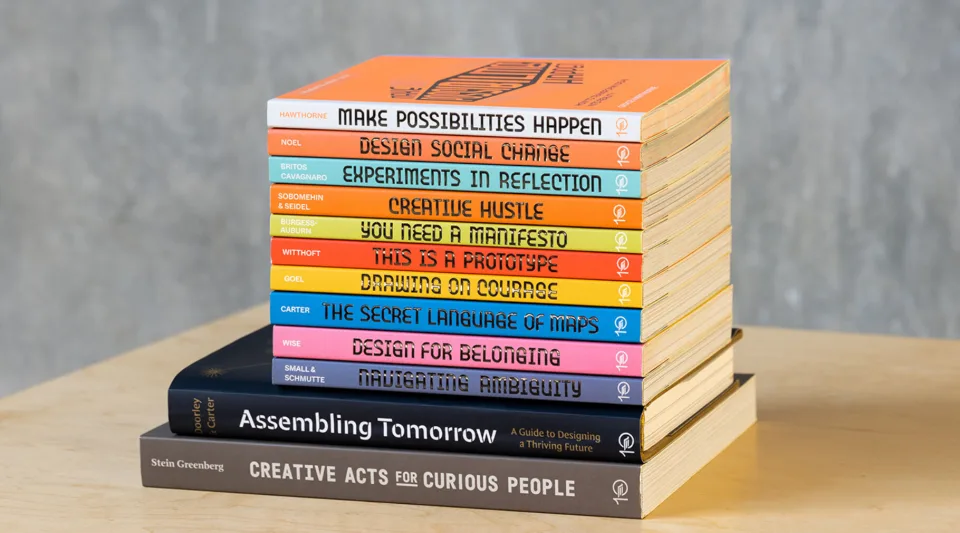
The Ultimate Guide to Discovering Your Next Favorite Read: Best Books for Every Reader
In a world saturated with digital distractions, the simple act of opening a book remains a profound and enriching experience. Whether you're a seasoned bibliophile seeking your next literary obsession or a curious newcomer dipping your toes into the vast ocean of stories, finding the "best" books can feel like a daunting, albeit exciting, quest. This comprehensive guide is designed to navigate you through the diverse landscape of literature, offering insights into trending genres, essential reading tips, and a curated selection of books that have captivated readers worldwide. We'll explore what makes a book truly stand out, how to identify titles that align with your personal tastes, and ultimately, how to make informed choices that lead to unforgettable reading journeys.
Understanding the "Best Books" Spectrum
The concept of "best books" is inherently subjective, a vibrant tapestry woven from individual preferences, cultural contexts, and evolving literary trends. What one reader hails as a masterpiece, another might find merely adequate. However, several overarching factors contribute to a book's widespread acclaim and enduring appeal:
- Compelling Narrative and Plot: A well-crafted story that grips the reader from the first page to the last, with a clear arc, engaging conflicts, and satisfying resolutions (or thought-provoking ambiguities).
- Rich Character Development: Believable, relatable, or fascinating characters that readers can connect with, empathize with, or even love to hate. Their journeys and transformations are central to the reading experience.
- Evocative Prose and Style: The author's mastery of language, their ability to paint vivid pictures with words, and their unique voice that makes the reading experience immersive and memorable.
- Thematic Depth and Resonance: Books that explore universal themes such as love, loss, courage, identity, and the human condition, prompting reflection and discussion long after the final page is turned.
- Originality and Innovation: Works that push boundaries, offer fresh perspectives, or introduce new storytelling techniques, leaving a lasting impact on the literary landscape.
- Critical Acclaim and Reader Reviews: While not the sole determinant, widespread positive reviews from critics and a strong consensus among readers often indicate a book's quality and impact.
When we talk about "best books," we're often referring to titles that excel in these areas, resonating with a broad audience and often becoming cultural touchstones. This guide aims to highlight books that embody these qualities across various genres and categories.
Navigating the Bestseller Lists: Trends and Insights
Bestseller lists, while not definitive pronouncements of literary merit, offer a fascinating snapshot of what's currently capturing the public's imagination. Observing these lists can reveal prevailing trends in reader interests and highlight books that are achieving significant commercial and popular success. Some common observations include:
- Dominance of Certain Genres: Thrillers, mysteries, romance, and fantasy often consistently appear on bestseller lists, indicating a strong and sustained demand for these genres.
- Impact of Social Media and BookTok: Platforms like TikTok have become powerful engines for book discovery, with certain titles experiencing meteoric rises in popularity driven by viral recommendations.
- Enduring Popularity of Established Authors: Renowned authors with a loyal fanbase often see their new releases immediately ascend to bestseller status.
- Emergence of New Voices: Bestseller lists also provide a platform for debut authors and emerging talents to gain significant traction and reach a wider audience.
- Non-Fiction's Broad Appeal: Self-help, biographies, and current affairs books frequently find their place on bestseller lists, reflecting a desire for knowledge, inspiration, and understanding of the world.
Understanding these trends can help you identify potential reads that are currently resonating with a large readership, offering a starting point for your own exploration.
Essential Tips for Discovering Your Next Favorite Book
Finding a book that truly speaks to you is a personal journey. Here are some practical tips to enhance your book discovery process:
1. Know Thyself: Understand Your Reading Preferences
Before diving into recommendations, take a moment to reflect on what you enjoy. Consider:
- Preferred Genres: Do you gravitate towards historical fiction, science fiction, contemporary romance, literary fiction, or perhaps something entirely different?
- Pacing and Style: Do you prefer fast-paced thrillers, introspective character studies, or lyrical prose?
- Themes and Topics: Are there particular subjects or themes that always pique your interest, such as social justice, philosophical questions, or tales of adventure?
- Mood: Are you looking for something lighthearted and escapist, thought-provoking and challenging, or emotionally resonant?
2. Leverage Curated Lists and Awards
Many reputable sources offer excellent book recommendations:
- Literary Awards: Pulitzer Prize, National Book Award, Booker Prize, Hugo Award, Nebula Award, Goodreads Choice Awards, etc., often highlight critically acclaimed and beloved books.
- "Best Of" Lists: Major publications (The New York Times, The Guardian, NPR, The Washington Post), literary magazines, and reputable book review sites regularly publish "best books of the year" or "best books for [genre]" lists.
- Library and Bookstore Recommendations: Librarians and booksellers are often passionate readers themselves and can offer personalized suggestions based on your tastes.
3. Embrace Online Book Communities and Platforms
The digital age has made it easier than ever to connect with fellow readers and discover new titles:
- Goodreads: A vast social cataloging website where you can track your reading, rate books, write reviews, and discover recommendations based on your existing ratings.
- StoryGraph: Similar to Goodreads, it offers personalized recommendations based on your mood, pace, and content preferences.
- BookTok and BookTube: Social media platforms where users share book reviews, recommendations, and discussions, often leading to viral trends.
- Online Forums and Subreddits: Communities dedicated to specific genres or general book discussions can be a goldmine for discovering hidden gems.
4. Explore Different Formats
Your reading experience can be enhanced by considering various formats:
- Physical Books: The tactile experience of holding a book, turning pages, and annotating can be deeply satisfying for many.
- E-books: Offer portability, adjustable font sizes, and instant access to a vast library.
- Audiobooks: Perfect for multitasking, commuting, or for those who enjoy listening to stories. Many acclaimed books are available in audiobook format, often narrated by talented voice actors.
5. Don't Be Afraid to Stray from the Path
While bestseller lists and popular trends are useful, sometimes the most rewarding reads are those you stumble upon unexpectedly. Browse sections of your local bookstore or library that you wouldn't typically visit. Pick up books with intriguing covers or titles that spark your curiosity.
Curated Selections: "Best Books" Across Popular Categories
To help you kickstart your literary adventure, here's a curated selection of highly-regarded books across several popular categories. These are not exhaustive, but rather a starting point to inspire your next read.
Best Books in Fiction
Fiction offers an endless universe of stories, from the deeply personal to the grandly epic. These titles have garnered significant acclaim for their storytelling, characters, and impact.
Literary Fiction
These novels are often characterized by their focus on character development, thematic depth, and artistic prose.
Notable Examples:
- "To Kill a Mockingbird" by Harper Lee: A timeless classic exploring themes of justice, prejudice, and childhood innocence in the American South.
- "One Hundred Years of Solitude" by Gabriel García Márquez: A sweeping saga of the Buendía family, blending magical realism with historical sweep.
- "Beloved" by Toni Morrison: A powerful and haunting exploration of the legacy of slavery and its psychological impact.
- "The Great Gatsby" by F. Scott Fitzgerald: A poignant critique of the American Dream and the Jazz Age.
- "Where the Crawdads Sing" by Delia Owens: A coming-of-age story set in the marshes of North Carolina, blending mystery and nature.
Contemporary Fiction
These books reflect the complexities and nuances of modern life, often dealing with relatable characters and current social issues.
Notable Examples:
- "Normal People" by Sally Rooney: An intimate and nuanced portrayal of a young couple's evolving relationship.
- "Eleanor Oliphant Is Completely Fine" by Gail Honeyman: A heartwarming story about loneliness, connection, and self-discovery.
- "Little Fires Everywhere" by Celeste Ng: Explores themes of motherhood, identity, and class in suburban America.
- "The Vanishing Half" by Brit Bennett: A compelling narrative about race, identity, and the choices that shape our lives.
Historical Fiction
These novels transport readers to different eras, often weaving fictional narratives with historical events and figures.
Notable Examples:
- "The Nightingale" by Kristin Hannah: A gripping story of two sisters in France during World War II.
- "The Book Thief" by Markus Zusak: Narrated by Death, this novel tells the story of a young girl in Nazi Germany.
- "Pillars of the Earth" by Ken Follett: An epic saga set in 12th-century England, centered around the construction of a cathedral.
Science Fiction & Fantasy
These genres explore imaginative worlds, futuristic technologies, and magical realms, often posing profound questions about humanity.
Notable Examples:
- "Dune" by Frank Herbert: A monumental work of science fiction exploring politics, religion, and ecology on a desert planet.
- "The Lord of the Rings" by J.R.R. Tolkien: The quintessential epic fantasy saga of good versus evil.
- "Project Hail Mary" by Andy Weir: A thrilling and scientifically grounded adventure about a lone astronaut saving Earth.
- "A Court of Thorns and Roses" by Sarah J. Maas: A popular fantasy series blending romance and adventure in a magical fae world.
Mystery & Thriller
These books are designed to keep readers on the edge of their seats with suspenseful plots and unexpected twists.
Notable Examples:
- "The Silent Patient" by Alex Michaelides: A psychological thriller with a shocking twist.
- "Gone Girl" by Gillian Flynn: A masterclass in unreliable narration and suspense.
- "The Girl with the Dragon Tattoo" by Stieg Larsson: The first in a gripping series featuring a hacker and a journalist.
Best Books in Non-Fiction
Non-fiction offers readers the opportunity to learn, grow, and gain a deeper understanding of the world and themselves.
Biographies & Memoirs
These personal accounts offer intimate glimpses into the lives of remarkable individuals.
Notable Examples:
- "Educated" by Tara Westover: A powerful memoir of a woman who overcomes a survivalist upbringing to pursue education.
- "Becoming" by Michelle Obama: The inspiring autobiography of the former First Lady of the United States.
- "Steve Jobs" by Walter Isaacson: A comprehensive and insightful biography of the Apple co-founder.
Self-Help & Personal Development
These books provide practical advice and strategies for improving various aspects of life.
Notable Examples:
- "Atomic Habits" by James Clear: A practical guide to building good habits and breaking bad ones.
- "The 7 Habits of Highly Effective People" by Stephen Covey: A timeless guide to personal and professional effectiveness.
- "Mindset: The New Psychology of Success" by Carol S. Dweck: Explores the power of a growth mindset.
History & Social Science
These books delve into significant historical events, societal structures, and human behavior.
Notable Examples:
- "Sapiens: A Brief History of Humankind" by Yuval Noah Harari: A sweeping overview of human history and evolution.
- "Thinking, Fast and Slow" by Daniel Kahneman: Explores the two systems that drive the way we think.
- "The Immortal Life of Henrietta Lacks" by Rebecca Skloot: A compelling account of medical ethics, race, and scientific discovery.
Best Books for Young Readers (and the Young at Heart)
Literature for younger audiences often possesses a unique magic, capable of sparking imagination and instilling lifelong values.
Children's Classics
Timeless tales that have enchanted generations.
Notable Examples:
- "Harry Potter" series by J.K. Rowling: A global phenomenon that has inspired millions to read.
- "The Chronicles of Narnia" by C.S. Lewis: A beloved series of fantasy novels for children.
- "Charlotte's Web" by E.B. White: A heartwarming story about friendship and loyalty.
Young Adult (YA) Fiction
These books often tackle themes relevant to teenagers, including identity, relationships, and societal issues.
Notable Examples:
- "The Hunger Games" by Suzanne Collins: A dystopian novel that has captivated a generation.
- "The Hate U Give" by Angie Thomas: A powerful and timely novel about race, justice, and activism.
- "The Fault in Our Stars" by John Green: A poignant and emotional story about love and loss.
The Enduring Value of Books
In conclusion, the pursuit of the "best books" is an ongoing and deeply personal adventure. It's about more than just finding a title; it's about discovering new worlds, understanding different perspectives, and connecting with the vast spectrum of human experience. Whether you're drawn to the escapism of fantasy, the intrigue of a mystery, the wisdom of a biography, or the timeless lessons in a children's classic, there is a book out there waiting to become your next favorite. By understanding your preferences, leveraging available resources, and embracing the joy of discovery, you can unlock a lifetime of enriching reading experiences. So, pick up a book, turn the page, and let the journey begin.
