The Ultimate Guide to Finding the Best Electronics in 2024
In today's rapidly evolving technological landscape, staying ahead of the curve with the latest and greatest electronics can feel like a full-time job. From groundbreaking smartphones and powerful laptops to immersive home entertainment systems and smart home devices that simplify our lives, the world of electronics offers endless possibilities. But with so many options flooding the market, how do you navigate the sea of specs, features, and price points to find the truly "best" electronics for your needs? This comprehensive guide is designed to equip you with the knowledge and strategies to make informed purchasing decisions, discover emerging trends, and ultimately, find the electronics that best enhance your digital life in 2024.
Understanding Your Needs: The Foundation of Smart Electronics Shopping
Before diving into product reviews and feature comparisons, the most crucial step in finding the best electronics is a thorough self-assessment of your needs and priorities. What problem are you trying to solve? What experience are you hoping to achieve? Without this foundational understanding, you risk being swayed by flashy marketing or impressive-sounding specifications that ultimately don't align with your actual usage.
Defining Your Primary Use Case
Consider how you intend to use the electronic device. Are you a student needing a portable laptop for note-taking and research? A creative professional requiring a powerful workstation for video editing or graphic design? A gamer seeking an immersive experience with high refresh rates and responsive controls? Or perhaps a casual user looking for a reliable smartphone for communication and social media?
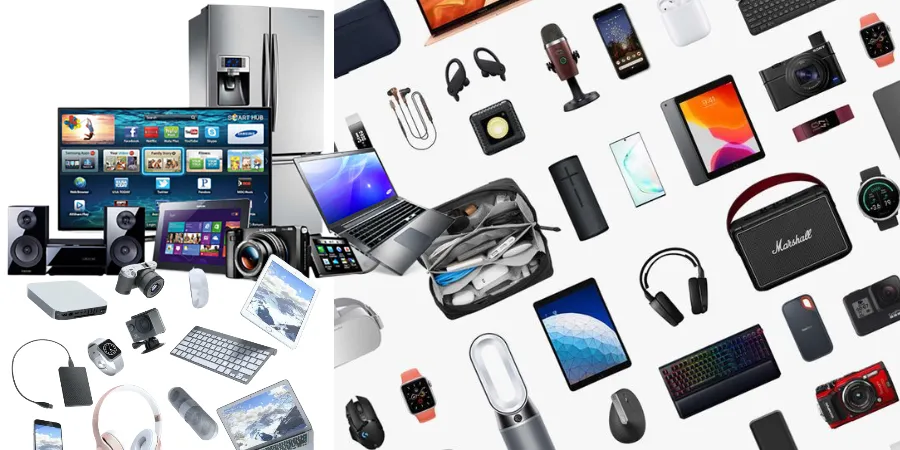
- Productivity: Laptops, tablets, monitors, keyboards, mice, external hard drives.
- Entertainment: TVs, soundbars, gaming consoles, streaming devices, headphones, speakers.
- Photography & Videography: Cameras, lenses, drones, action cameras, microphones.
- Smart Home: Smart speakers, smart displays, smart lights, security cameras, smart thermostats.
- Personal Audio: Wireless earbuds, headphones, portable Bluetooth speakers.
Setting a Realistic Budget
Electronics can range from budget-friendly essentials to high-end luxury items. Determine how much you are willing and able to spend. Remember that the "best" doesn't always mean the most expensive. Often, mid-range options offer an excellent balance of performance, features, and value for money. Factor in potential accessories or subscriptions that might be necessary for the device to function optimally.
Prioritizing Key Features
Once your use case is clear, identify the non-negotiable features. For a laptop, this might be battery life, screen size, or processing power. For a TV, it could be resolution (4K, 8K), refresh rate, or smart TV capabilities. For headphones, it might be noise cancellation, comfort, or audio quality.
Navigating the Vast Landscape of Electronics Categories
The electronics market is incredibly diverse. To help you narrow your search, let's explore some of the most popular and impactful categories:
Personal Computing: Laptops, Desktops, and Tablets
The backbone of many digital lives, personal computers continue to evolve. Laptops offer portability, while desktops provide raw power and upgradeability. Tablets bridge the gap, offering touch-screen convenience for media consumption and light productivity.
- Key Considerations: Processor (Intel Core i3/i5/i7/i9, AMD Ryzen 3/5/7/9), RAM (8GB, 16GB, 32GB+), Storage (SSD vs. HDD, capacity), Graphics Card (integrated vs. dedicated), Display Size & Resolution, Operating System (Windows, macOS, ChromeOS).
- Trends: Thin and light ultrabooks, powerful gaming laptops, versatile 2-in-1 convertibles, and the increasing dominance of SSDs for faster boot times and application loading.
Mobile Devices: Smartphones and Wearables
Smartphones are our primary connection to the digital world, and wearables are becoming increasingly integrated into our daily routines, offering convenience and health tracking.
- Key Considerations (Smartphones): Display size and technology (OLED, AMOLED), Camera system (megapixels, aperture, optical zoom), Battery life, Processor performance, Storage, Operating System (Android, iOS), 5G connectivity.
- Key Considerations (Wearables): Smartwatch vs. fitness tracker, Health metrics tracked (heart rate, ECG, blood oxygen), Battery life, Display, App ecosystem, Compatibility with your smartphone.
- Trends: Foldable phones, advanced camera capabilities, longer battery life, enhanced health monitoring features in wearables, and seamless integration between devices.
Home Entertainment: TVs, Audio, and Gaming
Transform your living space into an immersive entertainment hub with cutting-edge TVs, high-fidelity audio systems, and the latest gaming consoles.
- Key Considerations (TVs): Screen Size, Resolution (4K, 8K), Panel Type (OLED, QLED, LED), Refresh Rate, HDR support (Dolby Vision, HDR10+), Smart TV platform, Connectivity (HDMI ports, Wi-Fi).
- Key Considerations (Audio): Soundbar vs. surround sound system, Speaker configuration, Audio codecs supported (Dolby Atmos, DTS:X), Connectivity (Bluetooth, Wi-Fi, optical), Room acoustics.
- Key Considerations (Gaming): Console generation (PS5, Xbox Series X/S, Nintendo Switch), PC gaming components (GPU, CPU, monitor), VR headsets, Accessories (controllers, gaming chairs).
- Trends: Larger TV sizes, improved HDR performance, soundbars with immersive audio capabilities, the continued rise of cloud gaming, and the increasing power of next-generation consoles.
Smart Home Technology: Convenience and Connectivity
Make your home more efficient, secure, and comfortable with smart devices that can be controlled remotely or automated.
- Key Considerations: Compatibility with existing smart home ecosystems (Amazon Alexa, Google Assistant, Apple HomeKit), ease of setup and use, privacy and security features, energy efficiency, specific functionality (lighting, security, climate control).
- Trends: Matter standard for interoperability, AI-powered automation, advanced security features, energy-saving solutions, and the integration of smart technology into everyday appliances.
The "Best" Electronics: A Deep Dive into Key Buying Factors
When evaluating electronics, several core factors consistently determine their quality and suitability. Understanding these will empower you to make more discerning choices.
Performance and Specifications
This is where the technical details come into play. For processors, look at clock speeds and core counts. For RAM, more is generally better for multitasking. For storage, SSDs offer significantly faster speeds than traditional HDDs. For graphics, dedicated GPUs are essential for demanding tasks like gaming and video editing.
Example Table: Processor Tiers (General Guidance)
| Processor Tier | Typical Use Cases | Example Brands/Series |
|---|---|---|
| Entry-Level | Basic web browsing, email, word processing, light media consumption. | Intel Core i3, AMD Ryzen 3 |
| Mid-Range | Everyday productivity, moderate multitasking, casual gaming, light photo editing. | Intel Core i5, AMD Ryzen 5 |
| High-End | Demanding multitasking, professional creative work (video editing, graphic design), serious gaming. | Intel Core i7/i9, AMD Ryzen 7/9 |
Display Quality
The screen is your primary interface with many electronic devices. Factors like resolution, color accuracy, brightness, and refresh rate significantly impact the viewing experience.
- Resolution: Full HD (1080p), Quad HD (1440p), 4K (2160p), 8K (4320p). Higher resolution means sharper images.
- Panel Type: IPS (good color accuracy, wide viewing angles), OLED (perfect blacks, infinite contrast, vibrant colors), QLED (bright, vibrant colors, good contrast).
- Refresh Rate: Measured in Hertz (Hz), it indicates how many times the screen updates per second. Higher refresh rates (e.g., 120Hz) lead to smoother motion, especially crucial for gaming and fast-paced content.
- HDR (High Dynamic Range): Enhances contrast and color depth for a more realistic and vibrant image.
Build Quality and Durability
The materials used and the overall construction of an electronic device contribute to its longevity and user experience. Premium materials like aluminum and high-quality plastics often indicate better durability. Consider how the device will be handled and transported.
Battery Life
Especially important for portable devices like laptops, smartphones, and wireless headphones, battery life determines how long you can use a device before needing to recharge. Look for manufacturer claims and independent reviews for realistic estimates.
Connectivity and Ports
Ensure the device has the necessary ports and wireless connectivity options for your needs. This includes USB-A, USB-C, HDMI, Thunderbolt, Wi-Fi standards (Wi-Fi 6, Wi-Fi 6E), and Bluetooth versions.
User Interface and Software Experience
The operating system and software interface play a huge role in how intuitive and enjoyable a device is to use. Consider the ecosystem you are already invested in (e.g., Apple's iOS and macOS) and the ease of navigation.
Innovation and Future-Proofing
While it's impossible to predict the future perfectly, consider devices that incorporate emerging technologies or have a clear upgrade path. This can extend the lifespan of your investment.
Tips for Finding the Best Electronics Deals
Securing the best electronics often involves smart shopping strategies. Here's how to maximize your savings without compromising on quality:
Timing is Key: Sales Events and Holidays
Major sales events like Black Friday, Cyber Monday, Amazon Prime Day, and holiday sales are prime opportunities to find significant discounts on electronics. Keep an eye on these periods throughout the year.
Compare Prices Across Retailers
Never settle for the first price you see. Utilize price comparison websites and check major online retailers, as well as reputable brick-and-mortar stores. Prices can fluctuate daily.
Look for Refurbished or Open-Box Deals
Many reputable retailers offer certified refurbished or open-box items at a substantial discount. These products have often been returned, inspected, repaired (if necessary), and are usually covered by a warranty, offering excellent value.
Sign Up for Newsletters and Alerts
Many electronics brands and retailers offer exclusive discounts or early access to sales for their newsletter subscribers. Set up price alerts for specific products you're interested in.
Consider Older Models
When a new generation of a product is released, the previous generation often sees a price drop. If the latest features aren't critical for your needs, purchasing a slightly older model can be a cost-effective choice.
Emerging Trends in Electronics for 2024 and Beyond
The electronics industry is in constant flux. Staying informed about upcoming trends can help you make forward-thinking purchases.
Artificial Intelligence (AI) Integration
AI is no longer a futuristic concept; it's being integrated into everyday electronics. From AI-powered camera enhancements on smartphones to intelligent assistants in smart home devices and AI-driven performance optimization in laptops, AI is making devices smarter and more intuitive.
Sustainability and Eco-Friendly Design
Consumers are increasingly demanding electronics that are produced and designed with sustainability in mind. This includes using recycled materials, improving energy efficiency, and designing for repairability and recyclability.
Enhanced Connectivity: Wi-Fi 7 and Beyond
The rollout of Wi-Fi 6E is already underway, offering faster speeds and lower latency. Wi-Fi 7 is on the horizon, promising even more significant improvements, which will be crucial for bandwidth-intensive applications like high-resolution streaming and cloud gaming.
Augmented Reality (AR) and Virtual Reality (VR) Advancements
While still evolving, AR and VR technologies are becoming more accessible and sophisticated. Expect to see more immersive gaming experiences, new applications in education and professional training, and potentially the rise of AR glasses as a mainstream device.
Personalized User Experiences
Electronics are becoming more adept at learning user preferences and adapting their functionality accordingly. This ranges from personalized content recommendations to adaptive performance settings that optimize for individual usage patterns.
Making the Final Decision: Reviews and Expert Opinions
Once you've narrowed down your options, it's time to consult reliable sources for validation.
Read Independent Reviews
Look for reviews from reputable tech publications and websites that conduct thorough testing and provide unbiased comparisons. Pay attention to both professional reviews and user feedback, but be discerning with user reviews, as they can sometimes be subjective.
Watch Video Reviews
Video reviews can offer a visual demonstration of a product's features, build quality, and performance, which can be invaluable for making a decision.
Consult Forums and Communities
Online forums and communities dedicated to specific types of electronics can provide real-world insights from users who have hands-on experience with the products.
Consider Long-Term Value
Think about the lifespan of the product and its potential for future updates or compatibility. Investing in a slightly more expensive but well-built and future-proof device can often save you money in the long run.
By following this comprehensive guide, you'll be well-equipped to navigate the exciting world of electronics and find the best products that meet your specific needs, budget, and lifestyle in 2024. Happy shopping!