Navigating the Ever-Evolving World of Electronics: A Comprehensive Comparison Guide
The realm of electronics is a dynamic landscape, constantly reshaped by innovation and consumer demand. From the smartphones in our pockets to the smart home devices that automate our lives, electronics have become indispensable. However, with a plethora of options available, making informed purchasing decisions can be a daunting task. This comprehensive guide aims to demystify the electronics market by comparing popular product categories, emerging trends, and essential buying tips, empowering you to make the best choices for your needs.
Understanding the Core Categories of Consumer Electronics
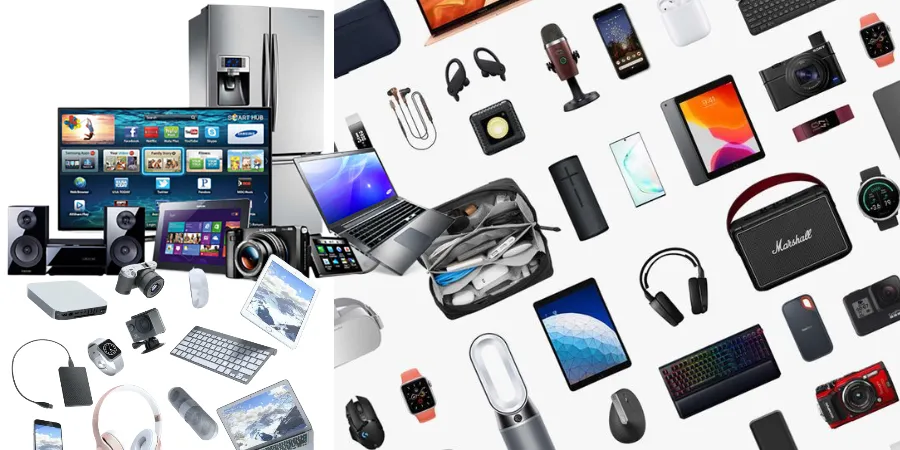
The electronics industry is vast, but we can broadly categorize popular consumer electronics into several key areas. Understanding these distinctions is the first step in navigating your purchasing journey.
Personal Computing Devices
These are the workhorses of our digital lives, enabling productivity, entertainment, and communication. The primary contenders in this category are laptops and desktops.
Laptops: Portability Meets Power
Laptops have revolutionized how and where we work and play. Their integrated design, encompassing a screen, keyboard, and trackpad, offers unparalleled flexibility.
- Pros: Highly portable, self-contained, suitable for on-the-go use, versatile for various tasks from work to entertainment.
- Cons: Generally more expensive than desktops for equivalent performance, limited upgradeability, screen size and keyboard can be compromises for some users.
- Key Considerations: Processor (Intel Core i3/i5/i7/i9, AMD Ryzen 3/5/7/9), RAM (8GB minimum for general use, 16GB+ for demanding tasks), Storage (SSD is highly recommended for speed), Screen Size and Resolution, Battery Life, Graphics Card (for gaming or creative work).
Desktops: Power and Customization Unleashed
Desktops remain a dominant force for users who prioritize raw power, extensive customization, and a comfortable, stationary workspace. They offer a more ergonomic setup and greater potential for future upgrades.
- Pros: Superior performance for the price, extensive upgradeability and repairability, better ergonomics with larger monitors and full-sized keyboards, often better cooling for sustained performance.
- Cons: Not portable, requires separate peripherals (monitor, keyboard, mouse), takes up more space.
- Key Considerations: Similar to laptops, but with a greater emphasis on the power supply unit (PSU), motherboard capabilities, and case size for airflow and component compatibility.
Mobile Communication and Entertainment Devices
These devices are our constant companions, connecting us to the world and providing endless entertainment options.
Smartphones: The Pocket-Sized Powerhouses
Smartphones have evolved from simple communication tools to sophisticated mini-computers. They are the central hub for many people's digital lives.
- Pros: Ultimate portability, vast app ecosystem, high-quality cameras, seamless integration with other services, constant connectivity.
- Cons: Shorter lifespan compared to other electronics, high replacement cost, potential for distraction, battery life can be a concern.
- Key Considerations: Operating System (iOS vs. Android), Processor, RAM, Camera Quality, Screen Technology (OLED vs. LCD), Battery Capacity, Storage, Durability, 5G Connectivity.
Tablets: The Versatile Mid-Ground
Tablets bridge the gap between smartphones and laptops, offering a larger screen for media consumption and light productivity tasks, all in a portable form factor.
- Pros: Larger screen than smartphones for better viewing and light productivity, more portable than laptops, long battery life, excellent for media consumption and casual gaming.
- Cons: Limited multitasking capabilities compared to laptops, can be overkill for simple tasks, app optimization can vary.
- Key Considerations: Screen Size and Resolution, Processor, RAM, Storage, Operating System (iPadOS vs. Android), Stylus Support (for creative work), Cellular Connectivity.
Home Entertainment Systems
These devices are designed to bring immersive entertainment experiences into our living spaces.
Televisions: The Centerpiece of the Living Room
Modern televisions are more than just displays; they are smart hubs for streaming, gaming, and more.
- Pros: Immersive viewing experience, large screen sizes available, smart features for streaming and apps, central to family entertainment.
- Cons: Can be expensive, require dedicated space, picture quality can vary significantly by technology and price.
- Key Considerations: Screen Size, Resolution (4K, 8K), Display Technology (OLED, QLED, LED), Refresh Rate, HDR Support (HDR10, Dolby Vision), Smart TV Platform, Sound Quality (or need for a soundbar).
Audio Systems: From Headphones to Home Theaters
The quality of audio significantly impacts the overall entertainment experience.
- Headphones: Offer personal, immersive listening. Options include over-ear, on-ear, and in-ear (earbuds), with features like noise cancellation and wireless connectivity.
- Soundbars: A simpler alternative to full home theater systems, offering improved TV audio in a compact package.
- Home Theater Systems: Provide the most immersive audio experience with multiple speakers and a receiver, ideal for movie buffs and audiophiles.
- Key Considerations: Sound Quality (frequency response, clarity), Connectivity (Bluetooth, Wi-Fi, wired), Comfort (for headphones), Noise Cancellation, Surround Sound Capabilities (for home theater).
Smart Home Devices: Automating and Enhancing Daily Life
The smart home revolution is transforming how we interact with our living spaces, offering convenience, security, and energy efficiency.
Smart Speakers and Displays: Voice-Activated Assistants
These devices, powered by virtual assistants, can play music, answer questions, control other smart devices, and much more, all through voice commands.
- Pros: Hands-free control, convenient access to information and entertainment, central hub for smart home automation, can provide visual information on displays.
- Cons: Privacy concerns, reliance on internet connectivity, voice recognition can sometimes be imperfect.
- Key Considerations: Virtual Assistant (Amazon Alexa, Google Assistant, Apple Siri), Sound Quality, Screen Size (for displays), Ecosystem Integration, Privacy Features.
Smart Lighting and Thermostats: Efficiency and Ambiance
These devices allow for remote control and automation of your home's lighting and temperature, leading to energy savings and enhanced comfort.
- Pros: Energy efficiency, customizable ambiance, remote control for convenience and security, potential for cost savings on utility bills.
- Cons: Initial setup can be complex, requires compatible home infrastructure, reliance on Wi-Fi.
- Key Considerations: Compatibility with existing systems, ease of use, scheduling and automation features, energy monitoring capabilities.
Smart Security Systems: Peace of Mind
From smart doorbells to security cameras and smart locks, these devices enhance home security and provide remote monitoring capabilities.
- Pros: Enhanced security, remote monitoring, ability to deter intruders, convenience of remote access.
- Cons: Potential for false alarms, subscription fees for some services, privacy concerns regarding surveillance.
- Key Considerations: Camera resolution and field of view, motion detection capabilities, two-way audio, night vision, integration with other smart home devices, data storage options (local vs. cloud).
Emerging Trends Shaping the Electronics Landscape
The electronics industry is not static; it's a constant evolution driven by technological advancements and changing consumer preferences. Staying abreast of these trends can help you make future-proof purchasing decisions.
Artificial Intelligence (AI) and Machine Learning (ML) Integration
AI and ML are no longer confined to research labs; they are increasingly embedded in consumer electronics. This translates to smarter devices that learn your habits, personalize experiences, and offer more intuitive interactions.
- Examples: AI-powered camera features on smartphones that optimize settings, smart assistants that understand context, personalized content recommendations on streaming platforms, predictive text and auto-correction.
- Impact: Enhanced user experience, increased efficiency, more personalized and adaptive devices.
The Internet of Things (IoT) and Interconnectivity
The IoT refers to the network of physical devices embedded with sensors, software, and other technologies that enable them to collect and exchange data. This is the backbone of the smart home and beyond.
- Examples: Smart refrigerators that track inventory, wearable fitness trackers that monitor health metrics, smart thermostats that adjust based on occupancy, connected cars that communicate with infrastructure.
- Impact: Greater automation, improved efficiency, enhanced data collection and analysis, new possibilities for remote control and monitoring.
Sustainability and Eco-Friendly Electronics
With growing environmental awareness, consumers are increasingly seeking electronics that are energy-efficient, made with sustainable materials, and designed for longevity and recyclability.
- Examples: Devices with lower energy consumption ratings, products made from recycled plastics or metals, modular designs that allow for easier repairs and upgrades, manufacturers offering take-back and recycling programs.
- Impact: Reduced environmental footprint, longer product lifecycles, a shift towards more responsible manufacturing and consumption.
Augmented Reality (AR) and Virtual Reality (VR)
While still developing, AR and VR technologies are poised to revolutionize entertainment, education, and even professional applications. AR overlays digital information onto the real world, while VR creates fully immersive digital environments.
- Examples: AR apps for gaming and navigation, VR headsets for immersive gaming and virtual tours, AR glasses for industrial applications and training.
- Impact: New forms of entertainment and interaction, enhanced learning experiences, transformative potential for various industries.
Essential Tips for Smart Electronics Purchases
Making a well-informed purchase in the electronics market requires more than just looking at specifications. Here are some key tips to guide you:
1. Define Your Needs and Budget
Before diving into product comparisons, clearly identify what you need the electronic device for. Are you a gamer, a student, a professional, or someone looking for basic entertainment? Once you've established your primary use cases, set a realistic budget. This will help narrow down your options significantly.
2. Research and Read Reviews
Once you have a few potential products in mind, dive deep into research. Read professional reviews from reputable tech websites and, crucially, user reviews. User reviews offer practical insights into real-world performance, durability, and common issues.
3. Compare Specifications and Features
Understand the key specifications relevant to the product category. For example, for a laptop, focus on processor, RAM, storage, and graphics. For a TV, look at screen size, resolution, and display technology. Don't get swayed by marketing jargon; focus on what truly matters for your intended use.
4. Consider Future-Proofing
While it's impossible to predict the future entirely, consider purchasing devices that are reasonably future-proof. For example, opting for a device with more RAM than you currently need or one that supports the latest connectivity standards can extend its useful lifespan.
5. Check for Compatibility
Ensure that the new electronic device will work seamlessly with your existing ecosystem. For instance, if you're buying a smart home device, verify its compatibility with your preferred smart assistant (e.g., Alexa, Google Assistant). Similarly, check if a new gaming console supports your existing games or if a new monitor is compatible with your computer's graphics card.
6. Understand Warranty and Return Policies
Electronics can be expensive, and issues can arise. Always check the warranty period offered by the manufacturer and the return policy of the retailer. A good warranty can save you significant costs and hassle in case of defects.
7. Look for Deals and Discounts (But Don't Compromise on Quality)
Electronics often go on sale, especially during holiday seasons or special promotional events. Keep an eye out for discounts, but be wary of deals that seem too good to be true. Prioritize quality and reliability over a slightly lower price if it means compromising on essential features or durability.
Comparison Table: Key Electronics Categories at a Glance
This table provides a high-level overview of popular electronics categories, highlighting their primary use, portability, and typical price range. Note that price ranges are approximate and can vary significantly based on brand, features, and specific models.
| Category | Primary Use | Portability | Typical Price Range (USD) | Key Considerations |
|---|---|---|---|---|
| Laptops | Productivity, Entertainment, Communication | High | $500 - $3000+ | Processor, RAM, Storage, Screen Size, Battery Life, Graphics |
| Desktops | Productivity, Gaming, Creative Work | Low | $600 - $4000+ | CPU, GPU, RAM, Storage, Motherboard, PSU, Cooling |
| Smartphones | Communication, Entertainment, Productivity, Photography | Very High | $300 - $1500+ | OS, Camera, Processor, RAM, Screen, Battery |
| Tablets | Media Consumption, Light Productivity, Reading | High | $200 - $1000+ | Screen Size, OS, Processor, Storage, Stylus Support |
| Televisions | Entertainment, Media Streaming | Low (Fixed Installation) | $300 - $5000+ | Screen Size, Resolution, Display Tech, Refresh Rate, HDR |
| Smart Speakers | Audio Playback, Voice Assistant, Smart Home Control | Medium | $50 - $300 | Voice Assistant, Sound Quality, Ecosystem Integration |
| Smart Home Security | Home Security, Monitoring, Access Control | Varies (Cameras, Doorbells) | $50 - $500+ (per device/system) | Camera Quality, Connectivity, Features, Subscription Costs |
Conclusion
The world of electronics offers an incredible array of tools and technologies to enhance our lives. By understanding the core categories, staying informed about emerging trends, and employing smart purchasing strategies, you can navigate this complex market with confidence. Whether you're seeking a powerful new laptop, an immersive home theater system, or the convenience of a smart home, a well-researched decision will ensure you get the most value and enjoyment from your electronic investments.