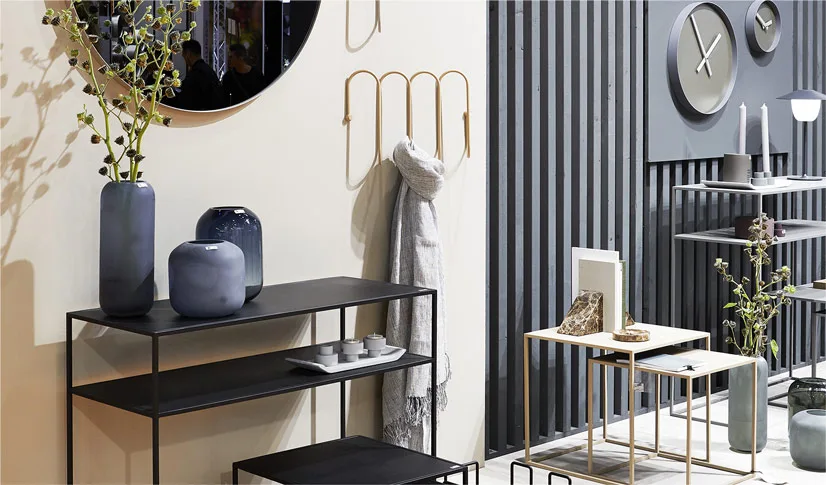
Elevating Your Living Space: A Comprehensive Comparison of Popular Home Accessories
Your home is more than just a structure; it's a sanctuary, a reflection of your personality, and a space where memories are made. The right home accessories can transform a functional dwelling into a truly inviting and stylish haven. From adding a touch of warmth with textiles to enhancing ambiance with lighting, the world of home accessories offers endless possibilities. This article delves into a comparative analysis of popular home accessory categories, providing insights to help you make informed decisions and curate a living space that perfectly suits your needs and aesthetic.
The Art of Ambiance: Lighting Fixtures vs. Decorative Lighting
Lighting is arguably one of the most impactful elements in interior design. It not only serves a functional purpose but also sets the mood and highlights architectural features. When considering lighting accessories, a key distinction lies between primary lighting fixtures and decorative lighting solutions.
Lighting Fixtures: The Foundation of Illumination
Lighting fixtures are the workhorses of your home's illumination system. They provide the general light needed for everyday activities. This category encompasses a wide range of products:
- Ceiling Lights: Including chandeliers, pendant lights, flush mounts, and track lighting, these are essential for illuminating entire rooms.
- Wall Sconces: Often used in hallways, staircases, or as accent lighting in living rooms and bedrooms.
- Table Lamps: Provide task lighting for reading or ambient light for specific areas.
- Floor Lamps: Offer broader illumination and can serve as statement pieces in a room.
Pros of Lighting Fixtures:
- Essential for functional illumination.
- Can be statement pieces that define a room's style.
- Offer a wide range of brightness and coverage.
- Many modern fixtures are energy-efficient (e.g., LED).
Cons of Lighting Fixtures:
- Installation can be complex and may require professional help.
- Higher initial cost compared to decorative lighting.
- Limited flexibility in placement once installed.
Decorative Lighting: Adding Sparkle and Mood
Decorative lighting focuses on creating visual interest, adding warmth, and enhancing the overall ambiance. These accessories are often more about style and mood than primary illumination.
- String Lights (Fairy Lights): Versatile for creating a cozy atmosphere indoors or outdoors.
- LED Strip Lights: Ideal for under-cabinet lighting, accentuating furniture, or creating unique backlighting effects.
- Lanterns: Can be used with candles (real or LED) to cast a soft, warm glow.
- Novelty Lights: Shaped lights that add a playful or thematic touch.
Pros of Decorative Lighting:
- Highly versatile and easy to reposition.
- Affordable and accessible for quick ambiance upgrades.
- Great for creating specific moods and accentuating features.
- Many options are battery-operated, offering placement freedom.
Cons of Decorative Lighting:
- Generally not sufficient for primary room illumination.
- Can require frequent battery changes (if applicable).
- Quality can vary significantly, impacting durability and appearance.
Comparison: Lighting Fixtures vs. Decorative Lighting
The choice between focusing on lighting fixtures or decorative lighting depends on your priorities. For foundational illumination and a strong design statement, invest in quality lighting fixtures. To add layers of warmth, personality, and mood, decorative lighting is your go-to. An effective strategy often involves a combination of both, using fixtures for general light and decorative elements to enhance the atmosphere.
| Feature | Lighting Fixtures | Decorative Lighting |
|---|---|---|
| Primary Function | General illumination, task lighting | Ambiance creation, accentuation |
| Installation | Often requires professional installation | Plug-and-play, battery-operated, easy placement |
| Cost | Higher initial investment | Generally more affordable |
| Flexibility | Limited once installed | High, easily repositioned |
| Impact | Defines room's overall brightness and style | Adds warmth, mood, and visual interest |
Comfort and Style: Throw Pillows vs. Blankets & Throws
Textiles are the unsung heroes of home comfort and style. They add texture, color, and a sense of coziness that can transform a room. Two of the most popular textile accessories are throw pillows and blankets/throws.
Throw Pillows: Accentuate and Support
Throw pillows are small, decorative cushions that add pops of color, pattern, and texture to sofas, chairs, and beds. They serve both aesthetic and functional purposes.
- Decorative Function: They are excellent for introducing new color palettes, patterns, or design themes into a room without a major overhaul.
- Comfort Function: They provide extra support for lounging and can enhance the overall comfort of seating arrangements.
Pros of Throw Pillows:
- Easy to change seasonally or to update a room's look.
- Relatively inexpensive way to add personality.
- Available in a vast array of materials, sizes, shapes, and designs.
- Can be used to tie together different elements in a room's decor.
Cons of Throw Pillows:
- Can clutter a space if too many are used.
- May require frequent fluffing to maintain their shape.
- Covers can be prone to staining and require cleaning.
Blankets & Throws: Embrace Warmth and Texture
Blankets and throws are larger textile pieces designed to provide warmth and add a layer of comfort and style. They are perfect for snuggling up on the couch or adding a decorative touch to a bed or armchair.
- Warmth and Comfort: Their primary purpose is to keep you warm and cozy.
- Textural Element: They introduce rich textures, from chunky knits to smooth velvets, enhancing the tactile experience of a room.
- Visual Layering: Draped over furniture, they add depth and visual interest.
Pros of Blankets & Throws:
- Instantly add a sense of coziness and relaxation.
- Can hide minor imperfections on furniture.
- Available in a wide range of materials (wool, cotton, fleece, faux fur) and patterns.
- Offer a more substantial visual impact than individual pillows.
Cons of Blankets & Throws:
- Can be bulkier and take up more storage space.
- Some materials may require special cleaning instructions.
- Can attract pet hair and dust.
Comparison: Throw Pillows vs. Blankets & Throws
While both throw pillows and blankets/throws contribute to comfort and style, they serve slightly different roles. Throw pillows are excellent for adding quick bursts of color and pattern and offer adaptable comfort. Blankets and throws provide a more encompassing sense of warmth and introduce significant textural elements. For a layered, inviting look, combining both is often the most effective approach. Consider the scale of your furniture and room when deciding on the quantity and size of each.
| Feature | Throw Pillows | Blankets & Throws |
|---|---|---|
| Primary Function | Accentuation, added comfort, color/pattern pops | Warmth, coziness, textural layering |
| Scale | Smaller, individual items | Larger, enveloping pieces |
| Versatility | Easy to rearrange and swap out | Draped over furniture, folded on beds/chairs |
| Visual Impact | Adds detail and focal points | Creates a sense of depth and comfort |
| Material Variety | Wide range of fabrics, fills, and embellishments | Focus on warmth and texture (knits, fleece, wool) |
Defining Spaces: Rugs vs. Curtains & Drapes
Rugs and curtains/drapes are often overlooked as crucial home accessories, yet they play a significant role in defining spaces, controlling light, and adding aesthetic appeal. They are instrumental in creating distinct zones within an open-plan layout or adding character to individual rooms.
Rugs: Grounding Your Space
Rugs are floor coverings that can anchor furniture, define areas, and add warmth, texture, and color to a room. They are incredibly versatile and can dramatically change the feel of a space.
- Zoning: In open-plan living, rugs can delineate distinct areas like the living room, dining area, or reading nook.
- Comfort: They provide a soft surface underfoot, making rooms feel more comfortable and inviting.
- Aesthetics: Rugs can introduce patterns, colors, and textures that complement or contrast with existing decor.
- Acoustics: They can help absorb sound, reducing echo and improving the room's acoustics.
Pros of Rugs:
- Can instantly transform the look and feel of a room.
- Offer a wide range of styles, from minimalist to bold patterns.
- Provide comfort and warmth underfoot.
- Can protect hardwood or laminate flooring from wear and tear.
Cons of Rugs:
- Can be a significant investment, especially larger or higher-quality rugs.
- Require regular vacuuming and occasional deep cleaning.
- Can be a tripping hazard if not properly placed or if they have high pile.
- May not be suitable for very high-traffic areas if durability is a concern.
Curtains & Drapes: Framing Views and Controlling Light
Curtains and drapes are fabric window treatments that serve multiple purposes, from controlling natural light and privacy to adding a decorative element and enhancing insulation.
- Light Control: They can block out harsh sunlight, create a softer diffused light, or provide complete darkness for sleeping.
- Privacy: They offer a sense of seclusion from the outside world.
- Aesthetics: Curtains add softness, color, pattern, and texture to a room, framing windows and drawing the eye.
- Insulation: Heavier drapes can provide an extra layer of insulation, helping to regulate room temperature.
Pros of Curtains & Drapes:
- Enhance privacy and light control effectively.
- Add a touch of elegance and sophistication.
- Available in a vast array of fabrics, colors, and patterns.
- Can help improve a room's acoustics by absorbing sound.
Cons of Curtains & Drapes:
- Installation can be more involved, requiring rods and hardware.
- Can be expensive, especially for custom or high-end fabrics.
- Require regular cleaning to prevent dust and allergens from accumulating.
- May not be suitable for very humid environments where mold can be an issue.
Comparison: Rugs vs. Curtains & Drapes
Rugs and curtains/drapes are both essential for creating a finished and comfortable living space, but they address different aspects of a room. Rugs ground the space, define areas, and add underfoot comfort and floor-level visual interest. Curtains and drapes frame the windows, control light and privacy, and add vertical softness and style. For a truly cohesive look, consider how your rug and curtain choices will complement each other in terms of color, pattern, and texture. A large patterned rug might pair well with solid, complementary curtains, or vice versa.
| Feature | Rugs | Curtains & Drapes |
|---|---|---|
| Primary Function | Grounding space, defining zones, comfort underfoot | Light control, privacy, framing windows |
| Placement | On the floor | At windows |
| Impact on Room | Adds warmth, texture, color at floor level | Adds softness, color, texture at window level; controls light |
| Maintenance | Vacuuming, occasional deep cleaning | Dusting, washing/dry cleaning |
| Cost Factor | Can be a significant investment, especially large/high-quality | Can be expensive, especially custom or premium fabrics |
Functional Elegance: Wall Art vs. Decorative Mirrors
Decorative elements that adorn your walls can significantly impact the personality and perceived spaciousness of your home. Wall art and decorative mirrors are two popular choices, each offering unique benefits.
Wall Art: Expressing Personality and Adding Visual Interest
Wall art encompasses a wide range of decorative items intended to be displayed on walls, including paintings, prints, photographs, tapestries, and sculptures.
- Personal Expression: It's a direct way to showcase your tastes, interests, and experiences.
- Focal Point: A striking piece of art can serve as the focal point of a room, drawing attention and setting the tone.
- Color and Texture: Art can introduce vibrant colors, subtle hues, and interesting textures to a blank wall.
- Conversation Starter: Unique or meaningful art pieces can spark discussions and add character.
Pros of Wall Art:
- Highly personal and expressive.
- Available in virtually every style, size, and price point.
- Can be easily rearranged or swapped out to refresh a space.
- Adds depth and dimension to walls.
Cons of Wall Art:
- Can be expensive, especially original pieces.
- Choosing the right piece can be challenging for some.
- Requires careful consideration of placement and scale.
Decorative Mirrors: Enhancing Light and Perceived Space
Decorative mirrors are more than just functional for checking your reflection; they are powerful design tools that can manipulate light and create the illusion of more space.
- Light Reflection: Mirrors bounce natural and artificial light around a room, making it feel brighter and more open.
- Illusion of Space: Strategically placed mirrors can make small rooms appear larger and more expansive.
- Depth and Dimension: They add a layer of visual interest and can create interesting reflections.
- Style Accent: Mirrors come in a multitude of frame styles, from ornate to minimalist, adding a decorative touch.
Pros of Decorative Mirrors:
- Can make a room feel significantly brighter and larger.
- Versatile and can be used in almost any room.
- Frames offer a wide range of decorative possibilities.
- Relatively easy to clean and maintain.
Cons of Decorative Mirrors:
- Can create glare if placed opposite bright light sources.
- Reflections can sometimes be distracting or unflattering.
- Heavy mirrors require secure mounting for safety.
Comparison: Wall Art vs. Decorative Mirrors
Both wall art and decorative mirrors enhance a room's visual appeal, but they achieve this through different means. Wall art is primarily about personal expression, color, and creating a visual narrative. Decorative mirrors are about manipulating light, creating the illusion of space, and adding a reflective, often elegant, element. For a balanced approach, consider using both. A large mirror can amplify the impact of a carefully chosen piece of art by reflecting it and the surrounding light, making the space feel more dynamic and open.
| Feature | Wall Art | Decorative Mirrors |
|---|---|---|
| Primary Function | Personal expression, visual interest, color, focal point | Light enhancement, illusion of space, reflective element |
| Impact on Light | Absorbs or reflects light depending on finish | Actively reflects and amplifies light |
| Impact on Space | Adds depth and dimension | Creates illusion of greater size and openness |
| Content | Images, textures, patterns, objects | Reflections of the room and its contents |
| Style Contribution | Reflects personal taste and theme | Adds elegance, modernity, or classic charm through the frame |
Conclusion: Curating Your Perfect Home Accessories
The journey of decorating your home is an ongoing process of refinement and personalization. By understanding the distinct roles and benefits of various home accessories, you can make more strategic choices that elevate your living space. Whether you're aiming to create a cozy ambiance with layered textiles, define functional zones with rugs and curtains, or add personality and light with wall art and mirrors, the key lies in thoughtful selection and harmonious integration. Don't be afraid to mix and match, experiment with different textures and colors, and most importantly, choose items that resonate with you and make your house truly feel like a home.