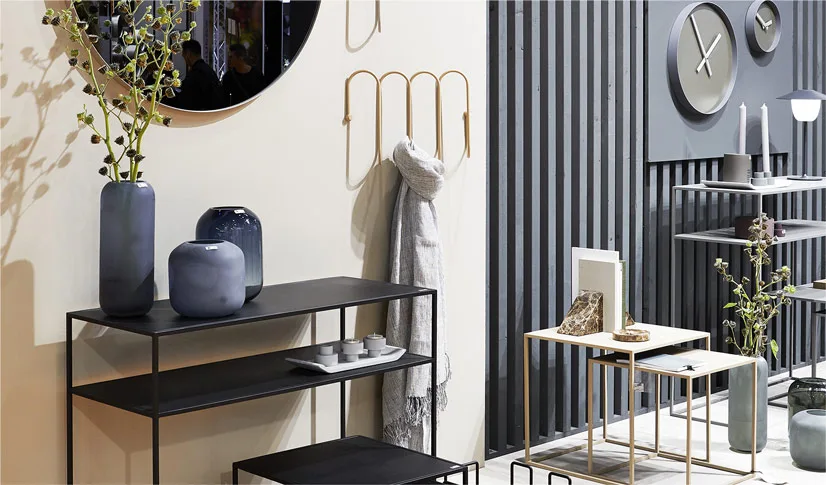
The Ultimate Guide to Elevating Your Living Space with Home Accessories
Your home is more than just a structure; it's a sanctuary, a reflection of your personality, and a place where memories are made. While the foundation of any comfortable and stylish home lies in its furniture and layout, it's the thoughtful selection of home accessories that truly breathes life into a space. These often-overlooked elements are the finishing touches that transform a house into a home, adding warmth, character, and functionality. From the smallest decorative trinkets to the most practical organizational tools, home accessories play a crucial role in defining your aesthetic and enhancing your daily living experience.
This comprehensive guide will delve deep into the world of home accessories, exploring their significance, offering practical tips for selection, highlighting current trends, and providing a roadmap for making informed purchasing decisions. Whether you're looking to refresh your current decor, embark on a complete home makeover, or simply add a touch of personality to a specific room, this guide is designed to empower you with the knowledge to curate a collection of home accessories that perfectly suits your style and needs.
Understanding the Power of Home Accessories
Before we dive into specific categories and trends, it's essential to grasp the profound impact that well-chosen home accessories can have on your living environment. They are the unsung heroes of interior design, capable of:
- Enhancing Aesthetics: Accessories are the primary tools for injecting color, texture, pattern, and visual interest into a room. They can break up monochromatic schemes, add pops of vibrancy, or introduce subtle, sophisticated details.
- Reflecting Personality: Your accessories are a direct window into your tastes, hobbies, and experiences. Whether it's a collection of travel souvenirs, a beloved piece of art, or a quirky lamp, they tell your unique story.
- Improving Functionality: Beyond their decorative appeal, many accessories serve practical purposes. Think of stylish storage solutions, functional lighting, or comfortable throws that also add warmth.
- Creating Ambiance: Lighting, scents, and tactile elements like rugs and cushions contribute significantly to the mood and atmosphere of a room. Accessories are key to crafting the desired ambiance, whether it's cozy and inviting or sleek and modern.
- Defining Style: The collective impact of your accessories helps to solidify and communicate your chosen interior design style, from minimalist and Scandinavian to bohemian and industrial.
Key Categories of Home Accessories
The realm of home accessories is vast and diverse. To make the selection process more manageable, it's helpful to categorize them. Here are some of the most prominent categories you'll encounter:
Decorative Accents
These are the pieces that primarily serve to enhance the visual appeal of a space. They are often the first things people notice and can be used to create focal points or add subtle touches of interest.
- Vases and Planters: Whether holding fresh blooms or lush greenery, vases and planters add a touch of nature and organic beauty. They come in a myriad of materials, shapes, and sizes to complement any decor.
- Sculptures and Figurines: From abstract art pieces to charming animal figurines, these items add a sculptural element and can inject personality and whimsy into a room.
- Wall Art and Mirrors: Paintings, prints, photographs, and decorative mirrors are essential for adding character and depth to walls. Mirrors, in particular, can also make a space feel larger and brighter by reflecting light.
- Candles and Candle Holders: Beyond their ambient lighting capabilities, candles and their holders are decorative statements. They can add warmth, fragrance, and a touch of elegance.
- Decorative Trays and Bowls: These are perfect for corralling smaller items on coffee tables, consoles, or shelves, while also serving as attractive decorative pieces themselves.
Textiles and Soft Furnishings
These accessories introduce comfort, texture, and color, significantly impacting the overall feel of a room. They are particularly effective in creating a cozy and inviting atmosphere.
- Cushions and Throws: The easiest way to add color, pattern, and comfort to sofas, chairs, and beds. They can be mixed and matched to create layered looks.
- Rugs and Carpets: A well-chosen rug can anchor a room, define zones, add warmth underfoot, and introduce pattern or texture.
- Curtains and Blinds: While functional for light control and privacy, curtains and blinds are also major decorative elements that can frame windows and add softness or drama to a space.
- Table Linens: Tablecloths, placemats, and napkins can instantly elevate a dining experience and add a touch of elegance or casual charm to your table setting.
Lighting Solutions
Lighting is a critical component of interior design, and accessories play a vital role in achieving the desired illumination and ambiance.
- Table Lamps and Floor Lamps: These provide task lighting, accent lighting, and can also serve as decorative pieces themselves.
- Sconces and Pendant Lights: Wall-mounted sconces and hanging pendant lights can add a stylish focal point and provide ambient or task lighting.
- String Lights and Fairy Lights: These offer a whimsical and cozy glow, perfect for creating a magical atmosphere in bedrooms, living rooms, or outdoor spaces.
Storage and Organization
Keeping your home tidy and clutter-free is essential for a peaceful living environment. Many stylish accessories can help you achieve this.
- Baskets and Bins: Versatile for storing everything from blankets and toys to magazines and toiletries. They come in various materials like wicker, fabric, and metal.
- Decorative Boxes: Ideal for stashing away smaller items like remote controls, stationery, or jewelry, while also adding a decorative touch to shelves and surfaces.
- Shelving Units and Wall Shelves: Provide both display space for decorative items and practical storage for books, plants, and other essentials.
- Drawer Organizers and Desk Accessories: Keep workspaces and drawers tidy and functional with specialized organizers.
Functional and Practical Accessories
These are the items that enhance the usability of your home without compromising on style.
- Coasters and Trivets: Protect your furniture surfaces from spills and heat while adding a small decorative detail.
- Servingware: From elegant platters to casual bowls, servingware is essential for entertaining and can also be displayed as decorative pieces.
- Doormats: The first impression of your home, doormats can be both functional and stylish.
- Kitchen Gadgets and Utensils: While primarily functional, many kitchen accessories now come in attractive designs that can complement your kitchen decor.
Tips for Selecting the Perfect Home Accessories
Choosing the right accessories can feel overwhelming with so many options available. Here are some practical tips to guide your selection process:
1. Define Your Style
Before you start shopping, have a clear understanding of your overall interior design style. Are you drawn to minimalist, modern, bohemian, traditional, or eclectic aesthetics? Your accessories should complement and enhance this chosen style.
2. Consider Scale and Proportion
The size of your accessories should be in proportion to the space they occupy and the furniture they are placed with. A tiny vase on a large coffee table will look lost, while an oversized sculpture in a small corner can overwhelm the space.
3. Think About Color Palette
Accessories are a fantastic way to introduce color. Decide whether you want your accessories to blend in with your existing color scheme, provide a pop of contrasting color, or introduce a completely new accent color. Aim for a cohesive color palette throughout the room.
4. Embrace Texture and Material
Varying textures adds depth and visual interest to a room. Mix smooth, rough, soft, and hard materials. For example, combine a plush velvet cushion with a woven basket and a sleek metal lamp.
5. Don't Forget Functionality
While aesthetics are important, many accessories also serve a practical purpose. Choose items that not only look good but also solve a problem or enhance the usability of your space. A beautiful storage basket is both decorative and functional.
6. Create Focal Points
Use accessories to draw attention to specific areas. A striking piece of wall art above a fireplace, a vibrant arrangement of vases on a console table, or a statement floor lamp can all serve as focal points.
7. Layering is Key
Layering accessories creates a sense of depth and personality. This can involve placing smaller decorative items on top of larger ones, or combining different types of accessories, such as a tray with a candle and a small plant.
8. Less Can Be More
While it's tempting to fill every surface, sometimes a few well-chosen, impactful accessories are more effective than an abundance of smaller, less significant items. Avoid clutter, which can make a space feel chaotic.
9. Consider Lighting's Role
Think about how your accessories will interact with light. A reflective mirror can bounce light around a room, while a textured lampshade can create interesting shadow patterns.
10. Personalize Your Space
Incorporate items that have personal meaning to you. These could be souvenirs from travels, handmade items, or pieces that reflect your hobbies and interests. These personal touches make your home truly unique.
Current Trends in Home Accessories
The world of interior design is constantly evolving, and home accessories are at the forefront of these trends. Staying updated can help you infuse your home with a contemporary feel.
1. Natural and Organic Materials
There's a growing appreciation for materials sourced from nature. Expect to see more accessories made from rattan, bamboo, wood, jute, linen, and ceramics. These materials bring warmth, texture, and a sense of calm.
2. Biophilic Design Elements
Bringing the outdoors in continues to be a strong trend. This includes an abundance of houseplants, botanical prints, and accessories in earthy tones and organic shapes that mimic natural forms.
3. Sustainable and Eco-Friendly Choices
Consumers are increasingly conscious of their environmental impact. This translates to a demand for accessories made from recycled materials, sustainably sourced resources, and those produced by ethical brands.
4. Statement Lighting
Lighting fixtures are no longer just functional; they are becoming major design statements. Think sculptural pendant lights, unique table lamps with artistic bases, and fixtures in bold shapes and finishes.
5. Textured Neutrals
While bold colors are always an option, there's a resurgence in sophisticated neutral palettes enhanced by rich textures. Think chunky knits, boucle fabrics, ribbed ceramics, and natural stone elements in shades of cream, beige, and grey.
6. Vintage and Retro Revival
A blend of vintage finds and retro-inspired pieces is adding character and a sense of history to modern homes. This can include antique mirrors, mid-century modern inspired decor, or artisanal craft pieces.
7. Bold Patterns and Colors
For those who love to make a statement, bold patterns and vibrant colors are making a comeback, especially in cushions, throws, and wall art. Geometric prints, abstract designs, and jewel tones are popular choices.
8. Smart Home Integration
As technology becomes more integrated into our lives, so too does it extend to home accessories. This includes smart lighting, voice-controlled speakers with stylish designs, and other connected devices that enhance convenience.
A Practical Guide to Purchasing Home Accessories
Now that you have a better understanding of the categories, selection tips, and trends, let's outline a practical approach to purchasing home accessories.
Step 1: Assess Your Needs and Wants
Walk through each room in your home and identify areas that need improvement. Are you lacking adequate lighting? Do you need more storage? Is a particular surface looking bare? Make a list of your priorities.
Step 2: Set a Budget
Home accessories can range from very affordable to quite expensive. Determine how much you're willing to spend overall and for individual items. This will help you narrow down your options.
Step 3: Measure Your Space
Before buying any accessory, especially larger items like rugs or floor lamps, measure the space where it will be placed. This will prevent you from purchasing something that is too big or too small.
Step 4: Browse and Gather Inspiration
Explore various sources for inspiration:
- Online Retailers: Websites dedicated to home decor offer a vast selection and often have helpful filters.
- Interior Design Magazines and Blogs: These publications showcase the latest trends and stylish arrangements.
- Social Media Platforms (Pinterest, Instagram): Visual platforms are excellent for discovering new ideas and aesthetics.
- Home Decor Stores: Visiting physical stores allows you to see and feel the quality of items firsthand.
Step 5: Compare Quality and Price
Don't always opt for the cheapest option. Consider the materials, craftsmanship, and durability of an item. Sometimes, investing a little more in a quality piece will save you money in the long run.
Step 6: Read Reviews
If purchasing online, always read customer reviews. They can provide valuable insights into the product's quality, accuracy of description, and customer satisfaction.
Step 7: Consider Versatility
Can an accessory serve multiple purposes? For example, a decorative bench can provide seating and storage. Versatile items offer more value and flexibility.
Step 8: Don't Be Afraid to Mix and Match
While cohesion is important, don't be afraid to introduce a few unique pieces that stand out. This adds personality and prevents your decor from looking too uniform.
Step 9: Purchase Gradually
You don't need to buy all your accessories at once. Start with the essentials and gradually add more pieces over time as you discover what you truly love and what works best in your space.
A Table of Popular Home Accessory Choices by Room
To further illustrate how accessories can be tailored to specific areas of your home, consider this table:
| Room | Key Decorative Accents | Essential Textiles | Functional Lighting | Smart Storage Solutions |
|---|---|---|---|---|
| Living Room | Cushions, throws, decorative vases, wall art, mirrors, coffee table trays, candles. | Area rug, sofa cushions, throws, decorative curtains. | Floor lamp, table lamps, accent lighting. | Decorative baskets for blankets, stylish storage boxes for remotes. |
| Bedroom | Decorative pillows, bedside lamps, wall art, small decorative objects, jewelry boxes. | Area rug (optional), decorative throw at the foot of the bed, blackout curtains. | Bedside lamps, vanity lighting, ambient lighting. | Drawer organizers, decorative boxes for accessories, stylish hampers. |
| Kitchen | Decorative canisters, utensil holders, small plants, wall art, decorative bowls. | Tablecloths, placemats, kitchen towels, oven mitts. | Task lighting under cabinets, pendant lights over island. | Spice racks, drawer organizers, utensil caddies, decorative storage jars. |
| Bathroom | Decorative soap dispensers, small plants, wall art, decorative trays for toiletries. | Bath mats, decorative towels. | Vanity lighting, ambient lighting. | Shower caddies, drawer organizers, decorative bins for toiletries. |
| Home Office | Desk accessories, decorative paperweights, small plants, inspiring wall art. | Comfortable chair cushions, desk mat. | Desk lamp, ambient lighting. | Desk organizers, file holders, cable management solutions, shelving units. |
Conclusion: The Art of Accessorizing
Home accessories are the essential ingredients that transform a house into a personalized and inviting sanctuary. They are the brushstrokes that add color, texture, and life to your living spaces. By understanding the power of these elements, exploring the diverse categories available, applying thoughtful selection tips, and staying aware of current trends, you can curate a collection of home accessories that truly elevates your home.
Remember that accessorizing is an ongoing journey, not a destination. It’s about continually refining your space, expressing your evolving style, and creating a home that feels both beautiful and functional. So, embrace the art of accessorizing, and let your home tell your unique story, one thoughtful detail at a time.