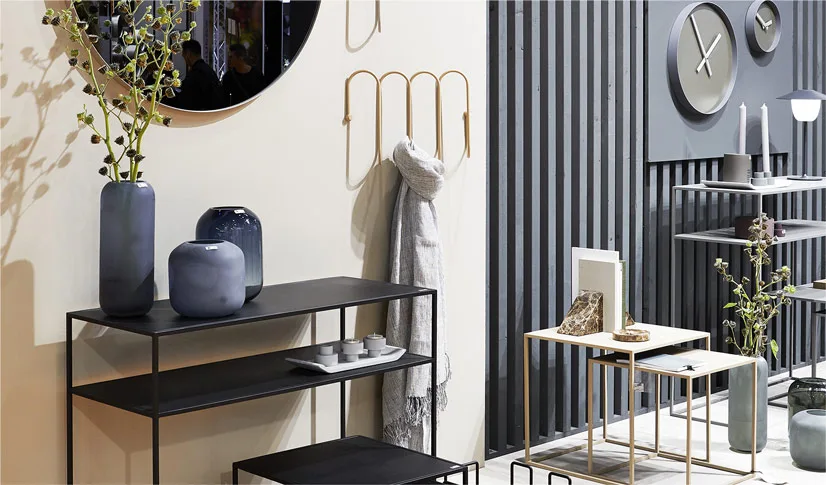
Home Accessories Comparison: Minimalism vs. Maximalism for Your Living Space
Designing a home is a deeply personal journey, yet many homeowners find themselves stuck at a stylistic crossroads: should they embrace the clean, airy lines of Minimalism or the vibrant, layered richness of Maximalism? When selecting home accessories, these two philosophies dictate not just the choice of objects, but how they interact with your living environment. Understanding the nuances of each approach can help you curate a space that feels intentional, comfortable, and uniquely yours.
In this guide, we explore the core differences between Minimalist and Maximalist home accessories, helping you decide which design language speaks to your lifestyle and aesthetic preferences.
Understanding Minimalism in Home Accessories
Minimalism is rooted in the philosophy of "less is more." It focuses on functionality, clean lines, and a neutral color palette. In a minimalist home, every accessory serves a purpose or provides significant aesthetic value without cluttering the visual field.
Core Principles of Minimalist Decor
- Functionality First: Accessories are often chosen for their utility—think sleek ceramic vases, functional wall clocks, or sculptural lighting fixtures.
- Negative Space: The "empty" space is considered just as important as the object itself. It allows the room to breathe.
- Quality over Quantity: Investing in one high-quality, statement piece is preferred over collecting several smaller, lower-quality items.
- Neutral Tones: The palette usually sticks to whites, grays, beiges, and soft earth tones to create a calming atmosphere.
When styling a minimalist room, the goal is to create a sanctuary of calm. You might choose a single oversized abstract painting rather than a gallery wall, or a solitary, well-crafted wooden bowl on a coffee table rather than a collection of trinkets.
Understanding Maximalism in Home Accessories
Maximalism is the art of "more is more." It is a bold, expressive style that celebrates personality, history, and color. Maximalist homes feel alive, curated, and deeply reflective of the inhabitant’s life experiences and travels.
Core Principles of Maximalist Decor
- Layering: The secret to maximalism is depth. It involves mixing textures, patterns, and eras within a single room.
- Personal Expression: Collections of vintage finds, travel souvenirs, and eclectic artwork are the stars of the show.
- Bold Color Palettes: Maximalism embraces high-contrast colors, jewel tones, and unexpected combinations that evoke energy.
- Visual Interest: There is rarely a dull corner. Every surface is an opportunity to display something meaningful.
In a maximalist home, the accessories tell a story. You might see a velvet armchair draped with a patterned throw, surrounded by bookshelves overflowing with art objects, plants, and framed photos of various sizes.
Side-by-Side Comparison: Minimalism vs. Maximalism
To help you visualize how these two styles impact your home environment, we have broken down the key differences in how they treat various home accessory categories.
| Category | Minimalist Approach | Maximalist Approach |
|---|---|---|
| Wall Decor | Single large-scale art or empty wall space. | Gallery walls with eclectic frames and mixed media. |
| Textiles | Solid colors, natural fibers (linen, wool). | Bold prints, fringe, velvet, and layered rugs. |
| Storage | Hidden, integrated, and streamlined. | Open shelving displaying curated collections. |
| Lighting | Architectural, geometric, and subtle. | Ornate chandeliers, colorful lamps, and varied sources. |
| Plants | One large statement plant in a simple pot. | An "indoor jungle" with varied foliage and hanging pots. |
Choosing the Right Style for Your Home
Deciding between these two styles isn't just about what looks good in a magazine; it’s about how you function in your space. Here are a few factors to consider before you start purchasing your next round of home accessories.
Assess Your Lifestyle
If you have a busy household with children or pets, minimalism can be a practical choice because it is easier to clean and keep organized. Conversely, if you are a collector or someone who finds inspiration in vibrant surroundings, maximalism offers a creative outlet that keeps your home feeling dynamic.
Consider Your Mental Well-being
Some people find peace in the visual silence of a minimalist room, where the mind can rest without distraction. Others find minimalism cold or sterile and feel more "at home" when surrounded by the warmth and visual stimulation of maximalist decor.
The Middle Ground: "Warm Minimalism" and "Curated Maximalism"
You don't have to choose a strict side. Many modern interiors occupy a middle ground. "Warm Minimalism" introduces the soft textures and organic shapes of maximalism into a minimalist structure, while "Curated Maximalism" applies a sense of order and color-coordination to the busy nature of maximalist decor.
Tips for Blending Styles
- The 80/20 Rule: If you love minimalism but want more personality, keep 80% of your space clean and neutral, then use the remaining 20% for bold, maximalist accessories.
- Focus on Color Unity: You can have many objects (maximalist) but keep them in a unified color family (minimalist) to maintain visual harmony.
- Texture over Pattern: If you find patterns overwhelming, achieve a maximalist feel through texture—mix chunky knits, smooth leather, and rough stone—without adding busy prints.
How to Shop for Home Accessories Like a Pro
Regardless of which style you lean toward, the process of sourcing home accessories should be strategic. Avoid impulse buys that don't serve a purpose or fit your aesthetic.
1. Define Your Palette Before Buying
Before heading to a store or browsing online, pick a color palette. For minimalists, this might be monochromatic (e.g., shades of gray). For maximalists, choose three primary colors and two accent colors to ensure your collection doesn't look chaotic.
2. Evaluate the Scale
One of the most common mistakes in home decor is choosing accessories that are too small. Whether you are buying a rug, a vase, or a piece of wall art, ensure it is scaled correctly for your furniture. A tiny frame on a large wall looks lost, while a massive floor lamp might overwhelm a small studio apartment.
3. Prioritize Materials
Home accessories are often the tactile elements of a room. Natural materials like wood, stone, glass, and metal age better than synthetic alternatives. Investing in high-quality materials ensures your accessories remain relevant even as your style evolves over the years.
4. Shop Your Own Home
Before purchasing new items, look at what you already own. Sometimes, moving a vase from the bedroom to the living room or grouping previously scattered items on a tray can create an entirely new look without spending a dime.
The Future of Home Accessories: Sustainability and Intentionality
As design trends evolve, there is a growing movement toward sustainable home accessories. Regardless of whether you prefer the minimalist or maximalist path, the most important trend today is intentionality. This means choosing items that are ethically sourced, durable, and meaningful.
Minimalism naturally aligns with sustainability by reducing the volume of goods purchased. Maximalism, when done right, aligns with sustainability by encouraging the use of vintage, antique, and upcycled items, keeping pre-loved objects out of landfills.
Conclusion: Crafting Your Personal Haven
Ultimately, the best home accessories are those that bring you joy. Whether you find that joy in the quiet, orderly beauty of a minimalist vase or the vibrant, storied layers of a maximalist bookshelf, your home should be a reflection of your personality.
Don't be afraid to experiment. Design is not a permanent state; it is an evolving process. Start by identifying your core preference, invest in pieces that resonate with you, and remember that the most successful homes are those that prioritize the comfort and happiness of the people who live within them. By understanding these two primary design philosophies, you are now better equipped to curate a living space that is not only stylish but also deeply personal.
