The Ultimate Guide to Choosing the Perfect Home Accessories
Transforming your house into a home is an art form, and the right home accessories are your most valuable tools. Beyond mere decoration, these carefully selected items imbue your living space with personality, comfort, and functionality. Whether you're looking to refresh a tired room, add a touch of luxury, or simply make your daily life more convenient, understanding how to choose and style home accessories is key. This comprehensive guide will walk you through everything you need to know, from understanding the role of accessories to selecting the best pieces for your unique style and needs.
Understanding the Power of Home Accessories
Home accessories are the finishing touches that elevate a house from a mere structure to a welcoming and personalized sanctuary. They are the elements that tell your story, reflect your tastes, and create the atmosphere you desire. Unlike large furniture pieces that dictate the overall style of a room, accessories offer flexibility and allow for more frequent updates and experimentation. They are the unsung heroes of interior design, capable of:
- Adding Personality and Character: From quirky figurines to meaningful artwork, accessories inject your unique spirit into your decor.
- Enhancing Comfort and Coziness: Soft throws, plush cushions, and ambient lighting create inviting spaces that encourage relaxation.
- Improving Functionality: Smart storage solutions, stylish organizers, and practical everyday items contribute to a well-ordered and efficient home.
- Defining Style and Theme: Accessories can reinforce a particular aesthetic, whether it's minimalist, bohemian, modern, or rustic.
- Creating Focal Points: A striking piece of art, a statement vase, or an eye-catching lamp can draw the eye and become a conversation starter.
- Bringing in Color and Texture: Accessories are an easy way to introduce pops of color, introduce varied textures, and add visual interest without a complete overhaul.
Key Categories of Home Accessories
The world of home accessories is vast and varied. To navigate it effectively, it's helpful to break it down into key categories. Each category offers unique opportunities to enhance your living space:
Decorative Accessories
These are the pieces that primarily serve an aesthetic purpose, adding visual appeal and personality to your rooms.
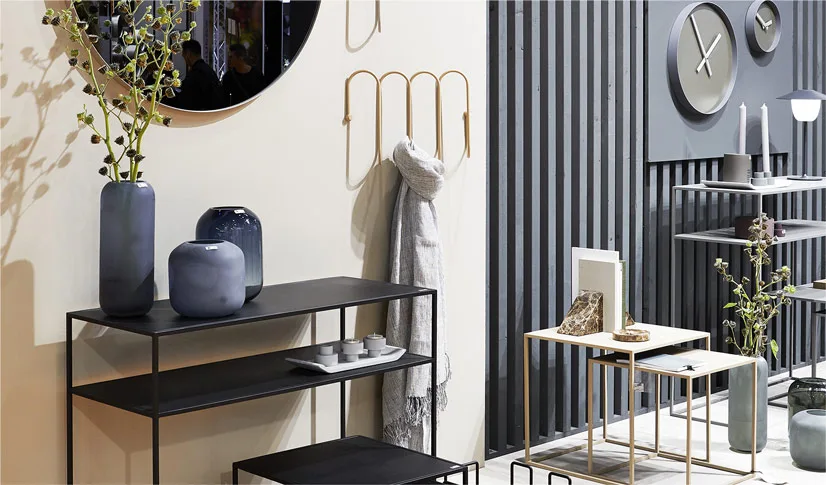
- Artwork and Wall Decor: Paintings, prints, photographs, wall sculptures, mirrors, and tapestries.
- Vases and Planters: Whether holding fresh flowers or standing alone, these add shape, color, and life.
- Sculptures and Figurines: Small decorative objects that can add a touch of whimsy or sophistication.
- Candles and Candle Holders: Provide ambiance, fragrance, and a warm glow.
- Decorative Trays and Bowls: Functional yet beautiful, perfect for corralling small items or as standalone decor.
- Ornaments and Knick-Knacks: Small items collected over time that hold personal meaning.
Textile Accessories
Textiles add softness, warmth, color, and texture, instantly making a space feel more inviting and lived-in.
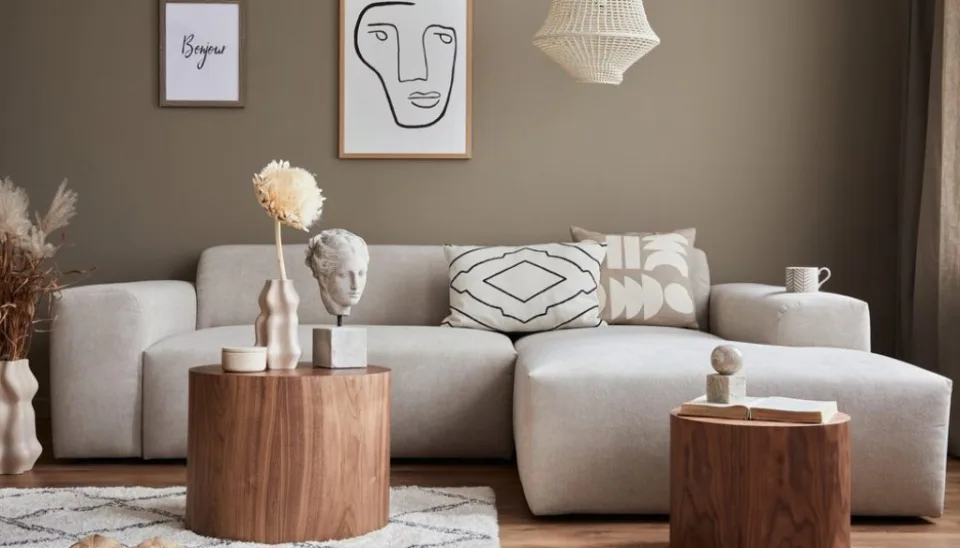
- Cushions and Throws: Essential for comfort on sofas and beds, offering endless possibilities for color and pattern coordination.
- Rugs and Mats: Define spaces, add warmth underfoot, and introduce pattern and texture.
- Curtains and Blinds: Control light, enhance privacy, and contribute significantly to the room's overall style.
- Table Linens: Tablecloths, placemats, and napkins can elevate everyday dining or special occasions.
Functional Accessories
These accessories are designed to serve a practical purpose, making your home more organized and efficient, while still being stylish.
- Lighting: Table lamps, floor lamps, pendant lights, and accent lighting. Crucial for setting mood and functionality.
- Storage Solutions: Baskets, decorative boxes, shelves, and wall organizers.
- Kitchenware and Serveware: Stylish utensils, cutting boards, serving platters, and drinkware.
- Home Fragrance: Diffusers, reed diffusers, and potpourri.
- Clocks: A functional timepiece that can also be a statement piece.
- Coasters and Placemats: Protect surfaces while adding a decorative touch.
Greenery and Natural Elements
Bringing the outdoors in can significantly enhance the atmosphere of your home.
- Potted Plants: Add life, color, and improve air quality.
- Faux Plants: A low-maintenance alternative for those without a green thumb.
- Dried Flowers and Botanicals: Offer a natural, long-lasting decorative element.
Choosing Home Accessories That Align with Your Style
The most beautiful home accessories are those that resonate with your personal style and the overall aesthetic of your home. Here's how to ensure your choices are cohesive and impactful:
Identify Your Core Style
Before you start shopping, take some time to define your interior design style. Are you drawn to the clean lines of modern design, the warmth of bohemian decor, the rustic charm of farmhouse style, or the understated elegance of minimalist interiors?
- Modern: Sleek lines, neutral palettes, geometric shapes, metal and glass.
- Minimalist: Simplicity, functionality, uncluttered spaces, neutral colors, natural materials.
- Bohemian (Boho): Eclectic mix of patterns, textures, vibrant colors, natural materials, vintage finds.
- Farmhouse: Rustic charm, natural materials like wood and metal, vintage elements, cozy and inviting.
- Mid-Century Modern: Organic shapes, clean lines, a blend of natural and man-made materials, often with a pop of color.
- Industrial: Raw materials like brick, metal, and concrete, exposed elements, utilitarian feel.
Consider Your Color Palette
Your home's color scheme is a crucial factor. Accessories can either complement your existing colors or introduce new ones.
- Monochromatic: Using variations of a single color. Accessories can add subtle depth and texture.
- Analogous: Using colors that are next to each other on the color wheel. Accessories can blend seamlessly or add a slightly different hue.
- Complementary: Using colors opposite each other on the color wheel. Accessories can create bold contrasts and vibrant focal points.
- Triadic: Using three colors evenly spaced on the color wheel. Accessories can be used to introduce these colors in balanced proportions.
Think About Texture and Material
Texture adds depth and interest to a room. Mix and match different materials to create a richer visual and tactile experience.
- Natural Materials: Wood, rattan, jute, cotton, linen, wool, stone.
- Man-Made Materials: Metal (brass, chrome, iron), glass, ceramic, acrylic, velvet.
For example, a plush velvet cushion on a linen sofa, or a rough-hewn wooden bowl on a sleek glass coffee table, creates a pleasing contrast.
Scale and Proportion are Key
The size of your accessories should be appropriate for the space they occupy and the furniture they are placed on or near.
- Large Rooms: Can accommodate larger statement pieces like oversized floor lamps, large-scale artwork, or substantial decorative bowls.
- Small Spaces: Benefit from smaller, more delicate items. Avoid cluttering with too many small pieces; instead, opt for one or two well-chosen, appropriately sized accessories.
- Coffee Tables: A tray with a few curated items (a book, a candle, a small plant) works better than a single large object or too many small ones.
- Shelving: Vary the heights and sizes of your accessories to create visual interest.
Functionality Meets Aesthetics
Don't shy away from accessories that serve a dual purpose. A beautiful ceramic pitcher can hold flowers or serve drinks. A stylish storage basket can hide clutter while adding a decorative element. Prioritize items that are both beautiful and useful.
Tips for Styling Home Accessories Effectively
Once you've chosen your accessories, the next step is arranging them in a way that enhances your space. Here are some expert tips:
The Rule of Three (and Odd Numbers)
Groupings of three or five items often create a more visually appealing and balanced arrangement than even numbers. This principle applies to placing decorative objects on shelves, mantels, or coffee tables.
Create Visual Interest with Height Variation
Mix tall items with shorter ones to prevent a display from looking flat. Think about placing a tall vase next to a stack of books, or a floor lamp behind a smaller side table.
Consider the Flow of the Room
Accessories should guide the eye and enhance the natural pathways within a room. Ensure that decorative items don't obstruct movement or create visual clutter that feels overwhelming.
Don't Forget Negative Space
Negative space, or the empty areas around your accessories, is just as important as the items themselves. Allowing items to breathe prevents a cluttered look and allows each piece to be appreciated.
Layering is Your Friend
Layering involves placing items in front of, behind, or on top of each other. For example, place a decorative box on a tray, then put a small plant on top of the box. This adds depth and dimension.
The Power of a Statement Piece
Every room can benefit from at least one "wow" factor accessory. This could be a striking piece of art, an unusually shaped lamp, or a large, sculptural vase. Let this piece be a focal point and build your arrangement around it.
Think About Lighting
How will your accessories be lit? Consider ambient lighting from lamps, accent lighting to highlight artwork, or natural light that plays on the textures and finishes of your items. Candles also play a significant role in creating mood.
Curate, Don't Collect Indiscriminately
It's tempting to buy every pretty thing you see, but a curated collection of items that you truly love and that fit your style will always look better than a room filled with random purchases.
Shopping for Home Accessories: What to Look For
When you're out shopping, keep these considerations in mind to make informed purchasing decisions:
Quality Over Quantity
Invest in well-made pieces that will stand the test of time. A few high-quality accessories will have a greater impact than many cheap, poorly made items.
Versatility
Consider how an accessory might be used in different rooms or for different purposes. A neutral-colored throw, for instance, can work in almost any setting.
Timelessness vs. Trends
While it's fun to incorporate trendy items, balance them with timeless pieces. Trendy accessories can be updated more easily if your taste changes, while classic pieces form the foundation of your decor.
Budgeting for Accessories
Home accessories can range from very affordable to quite expensive. Set a budget for yourself and prioritize where you want to spend more (e.g., a quality rug or a statement lamp) and where you can save (e.g., decorative bowls or candles).
Consider the "Feel" of the Item
When possible, touch and feel the items. Does the material feel good? Is the craftsmanship evident? This is especially important for textiles and decorative objects.
Common Mistakes to Avoid When Choosing Home Accessories
Even with the best intentions, it's easy to make a few missteps. Be mindful of these common pitfalls:
- Over-Accessorizing: Too many items can make a space feel cluttered and chaotic. Less is often more.
- Under-Accessorizing: A room that lacks accessories can feel sterile and unfinished.
- Ignoring Scale: Using accessories that are too large or too small for the space.
- Clashing Styles: Mixing too many disparate styles without a unifying element.
- Forgetting Functionality: Focusing solely on aesthetics and overlooking practical needs.
- Not Considering Lighting: Placing beautiful items in dark corners where they won't be seen.
- Buying on Impulse: Purchasing items without considering how they fit into your overall decor.
Trends in Home Accessories to Watch
The world of home decor is always evolving. Staying aware of current trends can inspire your choices, but remember to adapt them to your personal style.
Biophilic Design
This trend emphasizes bringing nature indoors, with an increased focus on plants, natural materials, and earthy tones. Expect to see more natural wood, stone, rattan, and plenty of greenery.
Sustainable and Eco-Friendly Materials
Consumers are increasingly seeking out accessories made from recycled, upcycled, or sustainably sourced materials. Look for items made from bamboo, recycled glass, organic cotton, and reclaimed wood.
Textural Play
Mixing and layering different textures remains a strong trend. Think chunky knits, boucle fabrics, ribbed ceramics, and woven elements.
Statement Lighting
Lighting fixtures are becoming more sculptural and artistic, serving as both functional elements and statement pieces of art. Pendant lights, unique table lamps, and sculptural floor lamps are popular.
Warm Neutrals and Earthy Tones
While bold colors have their place, there's a growing appreciation for warm neutrals like beige, cream, terracotta, and muted greens and browns, creating a sense of calm and grounding.
Vintage and Artisan Finds
There's a renewed interest in unique, handcrafted, and vintage items that tell a story and add character to a home, moving away from mass-produced uniformity.
Conclusion: Crafting Your Perfect Home
Choosing and styling home accessories is a rewarding journey that allows you to infuse your living space with your unique personality and create an environment that is both beautiful and functional. By understanding the role of accessories, identifying your personal style, considering scale and proportion, and paying attention to texture and color, you can transform any house into a true home. Don't be afraid to experiment, mix and match, and most importantly, select pieces that bring you joy. Your home accessories are the threads that weave together the fabric of your personal sanctuary, so choose them wisely and let them tell your story.