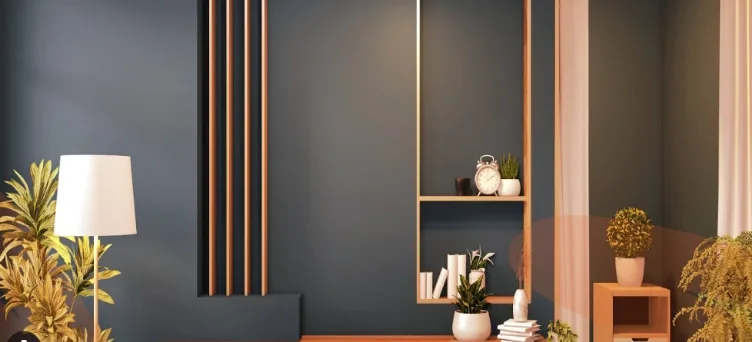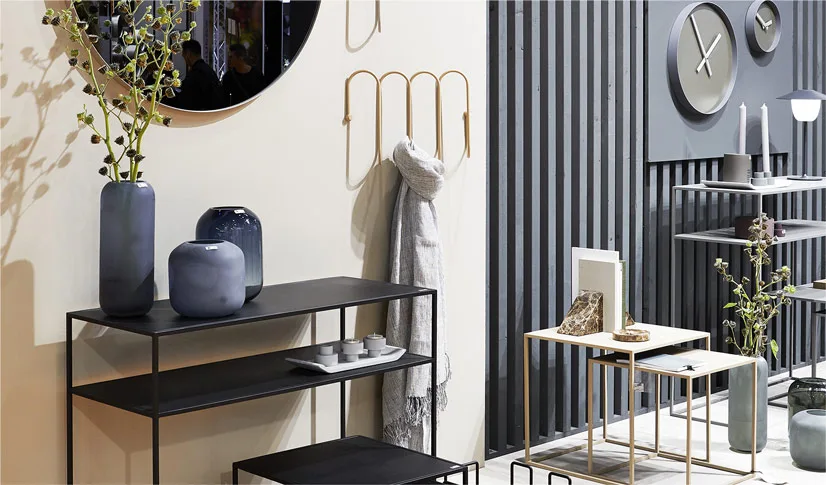
Elevating Your Living Space: A Comprehensive Guide to Choosing the Best Home Accessories
The difference between a house that feels like a temporary shelter and a home that reflects your personality lies in the details. Home accessories are the finishing touches that transform a space, adding texture, color, and functionality. However, with the vast array of decor items available, homeowners often find themselves at a crossroads: should you prioritize minimalist functionality, or lean into maximalist aesthetic expression? This guide explores the most popular categories of home accessories, comparing different styles and materials to help you make informed decisions for your interior design journey.
Understanding the Role of Home Accessories in Interior Design
Home accessories are the jewelry of your living space. They are the items that don't necessarily serve a primary structural purpose but significantly impact the atmosphere and utility of a room. Whether it is a decorative vase, a plush throw blanket, or a strategically placed mirror, these items dictate the "vibe" of your home.
When selecting accessories, it is essential to consider the balance between form and function. Are you looking for pieces that serve a purpose, such as storage baskets or task lighting, or are you looking for purely decorative elements that tell a story about your personal taste? Understanding this distinction is the first step in curating a cohesive home environment.
Comparison: Decorative Accents vs. Functional Decor
To navigate the world of home accessories, it is helpful to categorize them into two main buckets: Decorative Accents and Functional Decor. Choosing between these depends largely on your lifestyle and the specific needs of your space.
| Feature | Decorative Accents | Functional Decor |
|---|---|---|
| Primary Goal | Aesthetic appeal and personality | Utility and organization |
| Examples | Sculptures, wall art, vases | Storage bins, lamps, coat racks |
| Best For | Focal points in living rooms | High-traffic areas like entryways |
| Maintenance | Dusting and occasional cleaning | Regular use and wear-and-tear care |
The Case for Decorative Accents
Decorative accents are essential for creating a "lived-in" feel. They allow you to introduce seasonal trends without committing to expensive furniture pieces. For example, changing the color palette of your throw pillows or swapping out coffee table books can drastically change the mood of a room from winter-cozy to summer-breezy. The advantage here is flexibility; you can refresh your home's look on a budget.
The Case for Functional Decor
Functional decor, on the other hand, is the unsung hero of home organization. These items, such as decorative woven baskets or stylish wall-mounted hooks, prove that utility does not have to be ugly. In smaller homes or apartments, functional decor is a necessity. It helps clear clutter while maintaining a polished appearance, proving that you don't have to sacrifice style for efficiency.
Material Matters: Comparing Natural vs. Synthetic Accessories
Another common comparison in home accessories is the choice of material. The texture of your decor plays a massive role in how a room feels to the touch and how it interacts with light.
Natural Materials (Wood, Stone, Rattan, Linen)
Natural materials bring warmth and organic texture to a home. They are often timeless and age beautifully. Rattan and wicker, for instance, add a relaxed, bohemian vibe, while marble and stone accents provide a sense of permanence and luxury. The downside is that natural materials often require more care and are typically higher in price point.
Synthetic Materials (Acrylic, Metal, Polyester)
Synthetic materials are the kings of durability and modern aesthetic. Acrylic accessories (like "ghost" chairs or clear organizers) are perfect for small spaces because they are transparent and don't visually clutter a room. Metal accents, such as brass or matte black finishes, offer a sleek, industrial, or contemporary edge. These items are generally easier to clean and highly resistant to daily wear.
Strategic Placement: Where Accessories Matter Most
Even the most expensive home accessories can look cluttered if they aren't placed correctly. The secret to professional interior design is "curated restraint."
- The Living Room: Focus on the "Rule of Three." Group accessories in odd numbers to create visual interest. A tray on the coffee table containing a candle, a small plant, and a decorative object is a classic, balanced arrangement.
- The Bedroom: Prioritize comfort and soft textures. Layering textiles like throw blankets and pillows creates a sanctuary-like atmosphere. Keep hard, decorative objects to a minimum here to maintain a calming environment.
- The Entryway: This area should prioritize function. Use wall-mounted organizers, a mirror for last-minute checks, and a durable rug to catch dirt. Accessories here should serve a purpose as you enter and exit your home.
Current Trends in Home Accessories
Home decor trends evolve, but some themes remain consistent. Currently, the industry is seeing a shift toward "Biophilic Design"—the incorporation of nature into the home. This means more indoor plants, planters made of terracotta, and accessories that mimic natural shapes and patterns.
Another major trend is the rise of "Artisanal/Handcrafted" goods. Homeowners are moving away from mass-produced plastic items and gravitating toward ceramics, hand-woven textiles, and items with a story. This shift not only supports craftsmanship but also ensures that your home feels unique rather than like a showroom catalog.
Tips for Buying Home Accessories on a Budget
You do not need to break the bank to elevate your home. Here are some professional tips for sourcing high-quality accessories:
- Focus on Textures, Not Just Colors: If you have a neutral sofa, a textured wool throw or a velvet pillow can make the piece look much more expensive than it is.
- Look for Multi-Purpose Items: A beautiful wooden bowl can hold keys in the entryway, fruit in the kitchen, or mail in the office.
- Don't Rush: The biggest mistake homeowners make is buying everything at once. Buy one or two pieces at a time and see how they fit into your daily life before adding more.
- Second-Hand Treasures: Thrift stores and vintage markets are excellent places to find unique vases, brass candlesticks, and picture frames that add character to a modern home.
The Impact of Lighting Accessories
Lighting is often overlooked as a category of home accessories, but it is arguably the most important. A well-chosen lamp acts as a piece of sculpture during the day and a source of ambiance at night. When comparing lighting options, consider the difference between "task lighting" (focused light for reading) and "ambient lighting" (soft light for mood).
Adding a table lamp with a warm-toned bulb or a floor lamp with an interesting architectural shape can instantly upgrade the feel of a living room. If you are struggling with a dark corner, a mirror placed strategically opposite a window or lamp will reflect light and make the room appear significantly larger.
Final Thoughts on Curating Your Space
Ultimately, home accessories are an expression of your identity. Whether you prefer the clean lines of modern Scandinavian design or the eclectic warmth of a maximalist space, the key is to choose items that you genuinely love. Avoid buying decor simply because it is trending; instead, look for pieces that bring you joy and improve the functionality of your home.
By balancing decorative accents with functional decor, choosing materials that suit your lifestyle, and paying attention to placement, you can create a home that is both beautiful and highly livable. Remember, your home is a work in progress—don't be afraid to experiment, swap things around, and let your space evolve alongside you.