The Ultimate Guide to Choosing Home Accessories: Elevating Your Living Space
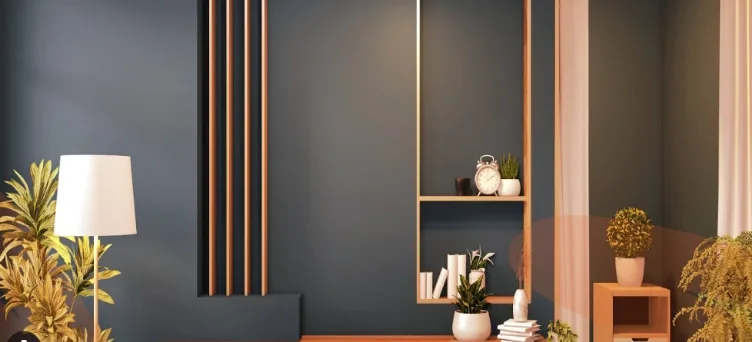
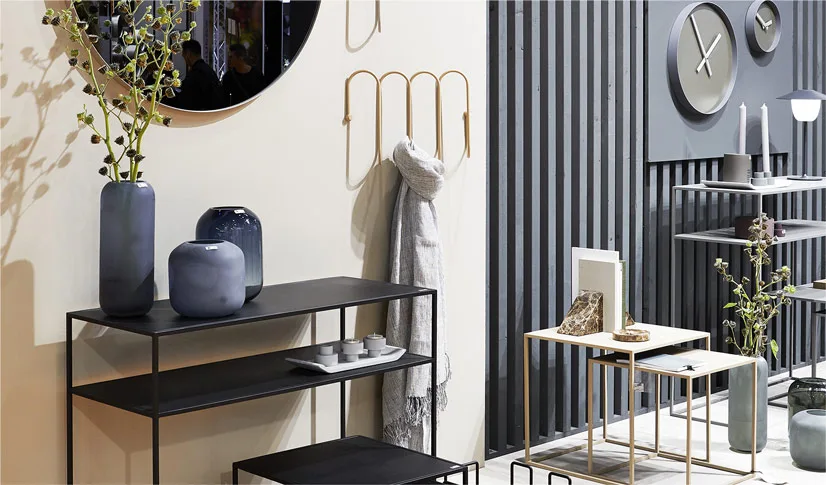
Your home is a reflection of your personality, a sanctuary where comfort meets style. While furniture provides the foundation of your living space, it is the home accessories that truly breathe life into a room. Whether you are looking to refresh a tired corner or completely transform your interior aesthetic, mastering the art of selecting home accessories is the secret to a professional-looking home.
In this comprehensive guide, we will explore everything you need to know about navigating the world of home accessories. From understanding design principles to choosing the right materials and textures, this guide will empower you to make informed decisions that enhance your living environment.
Understanding the Role of Home Accessories in Interior Design
Home accessories, often referred to as "home decor" or "soft furnishings," are the decorative elements that add character, warmth, and functionality to your space. Unlike structural furniture, these items are versatile and can be easily swapped out to reflect changing seasons, trends, or personal moods.
The primary role of accessories is to act as the "jewelry" of a room. Just as a necklace or a watch can elevate an outfit, a well-placed throw pillow, a statement vase, or an intriguing piece of wall art can tie a room’s color palette together and create a sense of harmony. Without these finishing touches, even the most expensive furniture can feel cold and uninviting.
Core Categories of Home Accessories
To navigate the market effectively, it helps to categorize home accessories based on their function and aesthetic impact. Below is a breakdown of the essential categories you should consider when styling your home:
| Category | Examples | Purpose |
|---|---|---|
| Textiles | Throw pillows, blankets, rugs, curtains | Adds texture, warmth, and comfort. |
| Lighting | Table lamps, floor lamps, decorative candles | Creates ambiance and defines mood. |
| Wall Decor | Framed art, mirrors, wall hangings | Adds personality and visual height. |
| Objects & Accents | Vases, sculptures, trays, books | Provides focal points and shelf styling. |
| Botanicals | Potted plants, dried flowers, vases | Brings life and organic movement. |
Tips for Selecting the Perfect Accessories
Choosing accessories can be overwhelming given the vast array of options available. Follow these expert tips to curate a collection that feels intentional and cohesive.
1. Follow the Rule of Three
In interior design, the "rule of three" is a classic principle. When grouping accessories—such as candles on a coffee table or decorative objects on a bookshelf—grouping items in odd numbers, particularly three, creates a more visually appealing and balanced display. This works because the human eye is naturally drawn to odd numbers, which prevent a display from looking too symmetrical or stiff.
2. Focus on Texture and Material Contrast
A room can feel flat if all your accessories are made of the same material. To add depth, introduce a variety of textures. For instance, if you have a sleek leather sofa, balance it with a chunky knit wool throw or soft velvet pillows. If you have a rustic wooden coffee table, contrast it with a smooth ceramic vase or metallic accents. The interplay between different surfaces creates sensory interest.
3. Consider Scale and Proportion
One of the most common mistakes in home styling is using accessories that are too small for the space. A tiny picture frame on a large, empty wall will look lost, while an oversized floor lamp might overwhelm a small reading nook. Before purchasing, measure your space and visualize the scale of the object. When in doubt, go slightly larger rather than smaller; bold, oversized pieces often make a stronger design statement.
4. Maintain a Consistent Color Palette
You don't need to stick to one color, but your accessories should share a common thread. Choose a base color and one or two accent colors to guide your selections. This creates a cohesive "flow" from one room to another. If you prefer a neutral home, focus on variations of tone—such as cream, beige, and taupe—and use texture to provide the necessary visual interest.
Trending Styles in Home Accessories
Home accessory trends evolve, but some styles remain timeless while others offer a fresh perspective. Here are the current trends shaping modern homes:
- Biophilic Design: Bringing the outdoors in remains a top priority. This includes the use of natural materials like rattan, jute, and stone, paired with an abundance of indoor plants.
- Sustainable Minimalism: Focuses on high-quality, long-lasting pieces made from recycled or sustainable materials. The emphasis is on "less but better."
- Sculptural Shapes: Move away from strictly functional designs. Think curvy, organic-shaped vases, abstract sculptures, and lamps that look like art pieces.
- Vintage and Heirloom Finds: Mixing modern furniture with vintage or antique accessories adds a layer of history and soul to a room.
How to Shop for Home Accessories Like a Pro
Shopping for home accessories is an investment in your well-being and the comfort of your living space. Use this guide to ensure you buy pieces that stand the test of time.
Define Your Style Before You Buy
Before heading to a store or browsing online, identify your interior style. Are you drawn to the clean lines of Mid-Century Modern? The cozy vibes of Scandi-style? Or perhaps the eclectic mix of Bohemian decor? Having a clear style identity will help you filter out items that don't fit your overall vision, preventing impulse buys that end up in a closet.
Quality Over Quantity
It is tempting to fill a room with inexpensive, mass-produced items, but this often leads to a cluttered look. Instead, invest in a few high-quality "anchor" pieces—such as a large, beautiful rug or a high-end lamp—and supplement them with more affordable decorative accents. Quality items often have better craftsmanship, superior materials, and a timeless appeal.
Check the Versatility
Ask yourself: "Can this piece move to another room if I get tired of it here?" The best accessories are versatile. A beautiful ceramic tray can serve as a centerpiece on a dining table, a catch-all for keys in the entryway, or a base for candles on a coffee table. Versatile pieces offer better value and allow you to refresh your space without spending more money.
Lighting is Everything
Never underestimate the power of lighting accessories. Table lamps and floor lamps are not just for visibility; they are essential for creating "layers" of light. Avoid relying solely on overhead lighting, which can be harsh. Use lamps to create warm, intimate pools of light that highlight your favorite accessories and make your home feel inviting after sunset.
Common Mistakes to Avoid
Even with the best intentions, it is easy to fall into traps that can disrupt the flow of your room. Avoid these common pitfalls:
- Over-cluttering: Every surface does not need to be covered. Negative space (the empty areas) is just as important as the accessories themselves. Give your items "room to breathe."
- Matching Everything: Avoid "matchy-matchy" sets. If you buy a lamp, a side table, and a mirror that all look exactly the same, your room will lack personality. Mix and match styles and eras for a more curated, authentic feel.
- Ignoring Functionality: While accessories are decorative, they should also serve a purpose. A beautiful bowl can store fruit; a soft blanket provides warmth. Ensure your decor enhances your lifestyle rather than just taking up space.
- Forgetting About Height: If all your accessories are the same height, the room will look flat. Use items of varying heights—a tall vase, a medium-sized candle, and a low stack of books—to create a dynamic visual landscape.
Conclusion: Crafting Your Personal Sanctuary
Home accessories are the ultimate tool for personal expression. They allow you to transform a house into a home, imbuing it with your history, your taste, and your comfort. By focusing on quality, texture, scale, and balance, you can create a space that is not only beautiful but also deeply personal.
Remember that interior design is a journey, not a destination. Your home should evolve as you do. Don't be afraid to experiment, swap items between rooms, and occasionally clear the slate to start fresh. With the tips provided in this guide, you are well-equipped to select home accessories that will elevate your living space for years to come.
Start small, stay intentional, and enjoy the process of making your home a place that truly inspires you.