The Ultimate Guide to Choosing the Perfect Home Accessories
Your home is more than just a structure; it's a sanctuary, a reflection of your personality, and a space where memories are made. While the foundational elements like furniture and paint colors set the stage, it's the carefully curated home accessories that truly bring a space to life, infusing it with warmth, style, and functionality. From the subtle elegance of decorative objects to the practical necessity of lighting, home accessories play a pivotal role in defining the ambiance and character of any room. This comprehensive guide will equip you with the knowledge and inspiration to navigate the vast world of home accessories, ensuring you make choices that not only enhance your living space but also resonate with your personal aesthetic and lifestyle.
Understanding the Power of Home Accessories
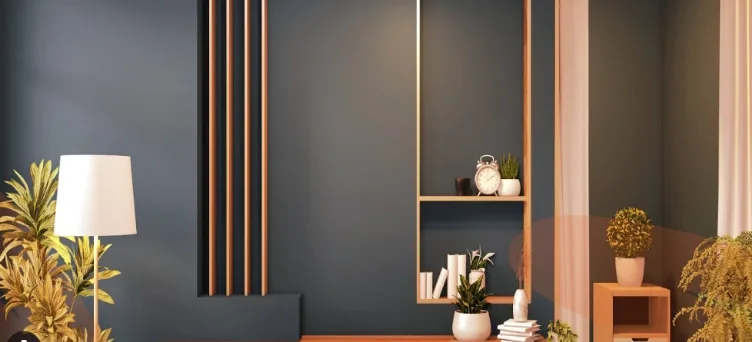
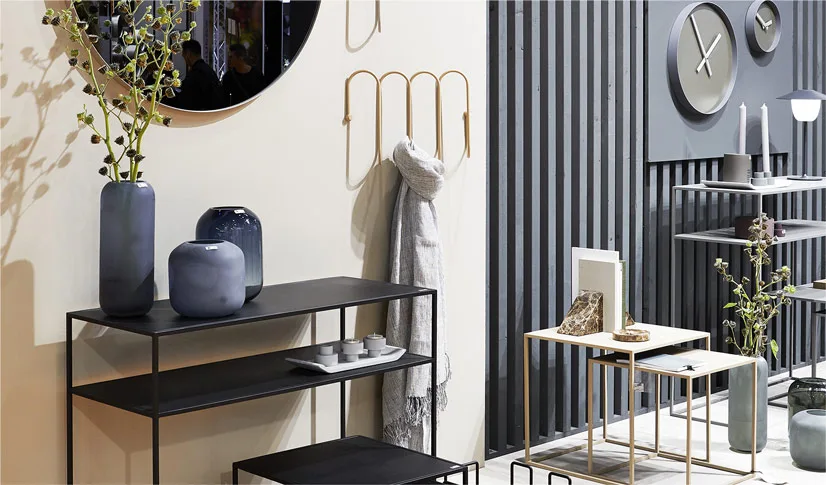
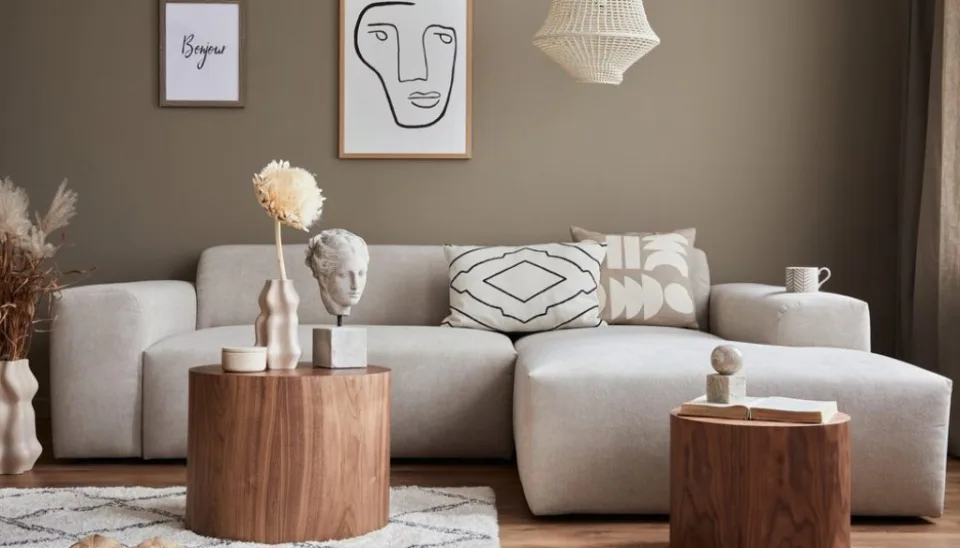
Home accessories are the finishing touches that elevate a house into a home. They are the elements that add personality, texture, color, and visual interest, transforming a blank canvas into a lived-in, inviting environment. Unlike large furniture pieces, accessories offer a more accessible and often more affordable way to experiment with trends, update your decor, and express your individuality. They can be swapped out seasonally, rearranged to create new focal points, or used to tie together disparate design elements. The right accessories can:
- Enhance Aesthetics: They add visual appeal, breaking up monotony and creating points of interest.
- Inject Personality: They allow you to showcase your hobbies, travels, and personal tastes.
- Improve Functionality: Many accessories serve practical purposes, from providing light to organizing clutter.
- Create Ambiance: Lighting, textiles, and scents can dramatically alter the mood of a room.
- Define Style: Accessories are key in communicating your chosen interior design style, whether it's minimalist, bohemian, modern, or traditional.
Key Categories of Home Accessories
The world of home accessories is vast and diverse. To make informed decisions, it's helpful to break them down into key categories. Each category offers unique opportunities to enhance your home:
Decorative Accents
These are the pieces that primarily serve an aesthetic purpose, adding visual flair and personality to your space. They are often the first things people notice and can be used to tell a story about your interests and experiences.
- Vases and Planters: Whether holding fresh blooms, faux greenery, or standing alone as sculptural pieces, vases and planters add a touch of nature and color. Consider materials like ceramic, glass, metal, or terracotta to complement your decor.
- Sculptures and Figurines: From abstract art pieces to whimsical animal figurines, these add a sense of artistry and character. Choose pieces that resonate with your style and the overall theme of the room.
- Picture Frames and Wall Art: Personal photographs, prints, or original artwork can transform blank walls into captivating displays. Mix and match frame styles and sizes for a dynamic gallery wall.
- Candles and Candle Holders: Beyond their practical use for creating ambiance, candles and their holders are decorative elements that add warmth and sophistication.
- Trays and Decorative Bowls: These are not only stylish but also functional for corralling small items on coffee tables, consoles, or dressers.
Textiles and Soft Furnishings
Textiles are essential for adding comfort, warmth, texture, and color to a room. They soften hard lines, absorb sound, and create a cozy atmosphere.
- Cushions and Throws: These are perhaps the most versatile accessories. They can instantly update the look of a sofa or armchair, add a pop of color, or provide extra comfort. Consider varying textures, patterns, and sizes for a layered look.
- Rugs: A well-chosen rug can anchor a room, define zones, add warmth underfoot, and introduce color and pattern. From plush shag rugs to natural fiber options like jute or sisal, the material and design are crucial.
- Curtains and Blinds: Beyond their functional role in controlling light and privacy, curtains and blinds are significant design elements that can add drama, softness, or a sense of elegance to a window.
- Table Linens: Tablecloths, placemats, and runners can elevate dining experiences and protect surfaces. They are a great way to introduce seasonal themes or add a touch of formality.
Lighting
Lighting is a fundamental aspect of interior design, influencing mood, highlighting features, and ensuring functionality. It's not just about illumination; it's about creating atmosphere.
- Table Lamps: Perfect for bedside tables, console tables, or reading nooks, table lamps provide task lighting and add a decorative element.
- Floor Lamps: Ideal for illuminating larger areas, providing ambient light, or serving as reading lights next to a sofa or armchair.
- Pendant Lights and Chandeliers: These statement pieces can become focal points in a room, offering both general illumination and significant decorative impact, especially in dining rooms, entryways, or kitchens.
- Accent Lighting: Think spotlights for artwork or under-cabinet lighting in kitchens to highlight specific features.
Functional and Organizational Accessories
These accessories strike a balance between style and utility, helping to keep your home tidy and organized while still looking good.
- Storage Baskets and Bins: Stylish containers for blankets, toys, magazines, or everyday clutter. Woven baskets, metal bins, or fabric boxes can add texture and visual interest.
- Wall Shelving: Beyond storage, shelves can be used to display decorative items, books, and plants, creating vertical interest.
- Coasters and Trivets: Essential for protecting surfaces from spills and heat, these can also be decorative accents.
- Key Holders and Mail Sorters: Practical items for entryways that help maintain order.
Home Fragrance
The scent of your home significantly contributes to its overall atmosphere and how it makes you feel. It’s an often-overlooked, yet powerful, accessory.
- Scented Candles: Offer both visual appeal and aromatic benefits.
- Diffusers (Reed or Electric): Provide a continuous and subtle release of fragrance.
- Room Sprays: Allow for instant scent enhancement when needed.
Tips for Choosing and Styling Home Accessories
Selecting the right accessories is only half the battle; styling them effectively is what truly makes a difference. Here are some tips to guide you:
1. Define Your Style and Color Palette
Before you start shopping, have a clear idea of your overall interior design style and the color palette you want to achieve. This will prevent impulse buys and ensure your accessories complement your existing decor.
- Consider your existing furniture and color scheme: Accessories should enhance, not clash.
- Think about the mood you want to create: Warm and cozy, cool and serene, vibrant and energetic?
- Draw inspiration from magazines, Pinterest, or showrooms: Identify common themes and elements you like.
2. Scale and Proportion Matter
The size of your accessories should be in proportion to the room and the furniture they are placed on or near. An oversized vase on a small side table can look awkward, just as tiny decorative items can get lost in a large space.
- Rule of thumb: For shelves or tabletops, aim for a mix of heights and sizes to create visual interest.
- Avoid overcrowding: Too many small items can look cluttered. It's often better to have a few well-chosen, impactful pieces.
- Consider negative space: Allow room for accessories to breathe and be appreciated.
3. The Power of Grouping (The Rule of Three)
Arranging accessories in odd numbers, particularly threes, is a classic design principle that creates a visually pleasing and balanced composition. This applies to decorative objects on shelves, coffee tables, or mantels.
- Vary height, texture, and material: A group of three items might include a tall vase, a medium-sized book, and a small decorative object.
- Create a focal point: Groupings can draw the eye and add depth to a vignette.
4. Texture and Material Diversity
Mixing different textures and materials adds depth and richness to your decor. This is where textiles, natural elements, and varied finishes come into play.
- Combine smooth with rough: A sleek ceramic vase alongside a chunky knit throw.
- Incorporate natural elements: Wood, rattan, stone, and plants bring organic warmth.
- Vary finishes: Matte, glossy, metallic, and brushed surfaces can create visual interest.
5. Functionality Meets Form
Don't shy away from accessories that serve a purpose. Many functional items can be beautiful and contribute to your overall aesthetic.
- Stylish storage: Baskets, decorative boxes, and attractive trays can hide clutter.
- Beautiful lighting: Lamps and pendants are both functional and decorative.
- Artful organization: Decorative hooks, stylish key holders, and elegant desk accessories.
6. Don't Forget Lighting
Layering your lighting is crucial for creating a well-rounded and inviting atmosphere. Combine ambient, task, and accent lighting to suit different needs and moods.
- Ambient lighting: Provides general illumination (e.g., ceiling fixtures, floor lamps).
- Task lighting: Focused light for specific activities (e.g., reading lamps, under-cabinet lights).
- Accent lighting: Highlights features (e.g., spotlights on artwork).
7. Seasonal Swaps and Personal Touches
Home accessories are perfect for refreshing your space with the changing seasons or to reflect current trends. They also provide an excellent opportunity to display personal items that hold meaning for you.
- Seasonal decor: Swap out throws, cushions, and decorative items to reflect holidays or seasons (e.g., warm tones for autumn, pastels for spring).
- Personal mementos: Display souvenirs from travels, family heirlooms, or artwork created by loved ones.
- Plants and flowers: Bring life and color into your home with fresh or artificial greenery.
Navigating Trends in Home Accessories
While timeless pieces are a wise investment, staying aware of current trends can help you keep your home feeling fresh and contemporary. However, it's important to incorporate trends thoughtfully and in a way that aligns with your personal style.
Current Trends to Consider:
| Trend | Description | How to Incorporate |
|---|---|---|
| Biophilic Design | Bringing the outdoors in through natural materials, plants, and organic shapes. | Use natural wood accents, woven baskets, plenty of houseplants, and nature-inspired artwork. |
| Textural Layers | Emphasis on tactile materials like bouclé, velvet, chunky knits, and rattan. | Incorporate textured cushions, throws, rugs, and decorative objects made from these materials. |
| Warm Neutrals and Earth Tones | A move away from cool grays towards warmer beiges, creams, terracotta, and muted greens. | Choose accessories in these color palettes for a cozy and grounding effect. |
| Statement Lighting | Unique, sculptural, and often oversized lighting fixtures that act as art pieces. | Invest in a striking pendant light, chandelier, or floor lamp as a focal point. |
| Sustainable and Eco-Friendly Materials | A growing demand for accessories made from recycled, upcycled, or sustainably sourced materials. | Look for items made from bamboo, recycled glass, reclaimed wood, or organic cotton. |
| Maximalism with Personality | A playful embrace of color, pattern, and curated collections, moving away from strict minimalism. | Mix and match patterns, display your collections proudly, and don't be afraid of bold colors. |
Where to Find Home Accessories
The beauty of home accessories is their availability across a wide range of retailers and price points. You can find fantastic pieces at:
- Department Stores: Offer a broad selection of styles and brands, often with good sales.
- Home Decor Boutiques: Provide curated collections and unique finds.
- Online Retailers: Offer immense variety, convenience, and often competitive pricing.
- Vintage and Antique Shops: Excellent for finding one-of-a-kind pieces with character and history.
- DIY and Craft Stores: For those who enjoy a personal touch, these stores offer materials for creating your own accessories.
- Artisan Markets and Fairs: Support local artists and find unique, handcrafted items.
Conclusion: The Art of Accessorizing
Home accessories are the unsung heroes of interior design. They are the details that transform a house into a home, injecting personality, warmth, and style. By understanding the different categories of accessories, applying thoughtful styling principles, and staying mindful of scale, proportion, and texture, you can curate a space that is both beautiful and functional. Whether you're drawn to minimalist elegance, bohemian charm, or modern sophistication, the right home accessories will help you create a living environment that truly reflects who you are and the life you live. So, embrace the art of accessorizing and let your home tell your unique story.