The Ultimate Guide to Choosing the Perfect Home Accessories
Transforming a house into a warm, inviting, and stylish home is an art form, and at its heart lies the careful selection of home accessories. These often-overlooked elements are the unsung heroes of interior design, capable of breathing life into a space, reflecting your personality, and enhancing functionality. From the subtle elegance of decorative throws to the practical charm of storage solutions, home accessories are where personality meets purpose. This comprehensive guide will walk you through everything you need to know to choose the perfect home accessories, ensuring your living spaces are not just beautiful but also deeply personal and comfortable.
Understanding the Power of Home Accessories
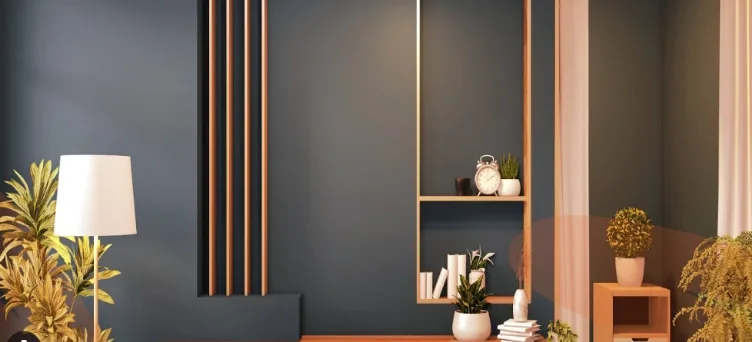
Before diving into the specifics of selection, it's crucial to grasp the fundamental role home accessories play. They are more than just decorative items; they are the finishing touches that complete a room's aesthetic and contribute to its overall atmosphere. Think of them as the jewelry for your home – they add sparkle, character, and a sense of completion.
Defining Home Accessories
Home accessories encompass a wide array of items that are not structural or essential for the basic function of a room but significantly contribute to its style, comfort, and organization. This category includes:
- Decorative Items: Vases, sculptures, picture frames, candles, decorative bowls, wall art, mirrors.
- Textiles: Cushions, throws, rugs, curtains, tablecloths, placemats.
- Functional Decor: Storage baskets, decorative trays, lighting fixtures (lamps, string lights), clocks, coasters.
- Greenery: Potted plants, artificial plants, floral arrangements.
The Impact on Ambiance and Style
The right accessories can:
- Enhance Aesthetics: They add color, texture, pattern, and visual interest, breaking up monotony and creating focal points.
- Reflect Personality: Your choice of accessories is a direct expression of your tastes, hobbies, and experiences. They tell a story about who you are.
- Improve Comfort: Soft textiles like cushions and throws invite relaxation and add a cozy feel. Functional accessories can also improve ease of living.
- Define a Style: Whether you lean towards minimalist, bohemian, modern, or traditional, accessories are key to solidifying and communicating your chosen interior design style.
- Create Balance: Accessories help to balance the scale and proportion of a room, filling empty spaces and tying together different design elements.
Key Considerations When Selecting Home Accessories
Choosing home accessories isn't a random act of purchasing; it requires thoughtful consideration of several factors to ensure they complement your existing decor and meet your needs.
1. Define Your Interior Design Style
This is the foundational step. Before buying anything, have a clear understanding of the overall aesthetic you're aiming for. Are you drawn to:
- Modern: Clean lines, minimalist approach, neutral color palettes, often with metallic accents.
- Minimalist: Emphasis on simplicity, functionality, and uncluttered spaces. "Less is more."
- Bohemian (Boho): Eclectic mix of patterns, textures, colors, and global influences. Free-spirited and relaxed.
- Farmhouse: Rustic charm, natural materials, vintage elements, cozy and welcoming.
- Scandinavian: Light, airy, functional, natural materials, neutral colors with pops of color.
- Industrial: Raw materials like metal, wood, exposed brick, and concrete. Often urban and edgy.
- Traditional: Classic patterns, rich colors, ornate details, and elegant furnishings.
Once your style is defined, choose accessories that align with its core principles. For example, a minimalist home might benefit from a single, striking ceramic vase, while a bohemian space could embrace a collection of colorful, patterned cushions.
2. Color Palette and Harmony
Accessories are a fantastic way to introduce or enhance your room's color scheme. Consider:
- Complementary Colors: Colors opposite each other on the color wheel create high contrast and vibrancy.
- Analogous Colors: Colors next to each other on the color wheel create a harmonious and serene feel.
- Monochromatic Scheme: Using different shades and tints of a single color for a sophisticated look.
- Accent Colors: Using accessories to introduce pops of bright, contrasting colors against a neutral backdrop.
Ensure your chosen accessories don't clash with your existing wall colors, furniture, or larger decor pieces. They should either blend in seamlessly or provide a deliberate and pleasing contrast.
3. Texture and Material
Texture adds depth and visual interest, preventing a room from feeling flat. Mix and match materials to create a rich sensory experience:
- Soft Textures: Velvet, wool, faux fur, knit fabrics (cushions, throws, rugs).
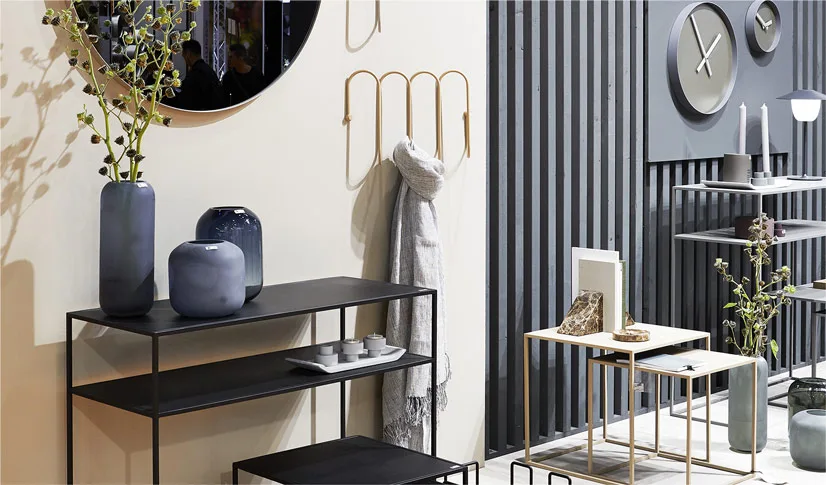
- Smooth Textures: Glass, polished metal, ceramic, marble (vases, decorative trays, tabletops).
- Natural Textures: Wood, rattan, jute, linen, stone (baskets, furniture accents, plant pots).
- Rough Textures: Concrete, distressed wood, woven natural fibers (planters, decorative objects).
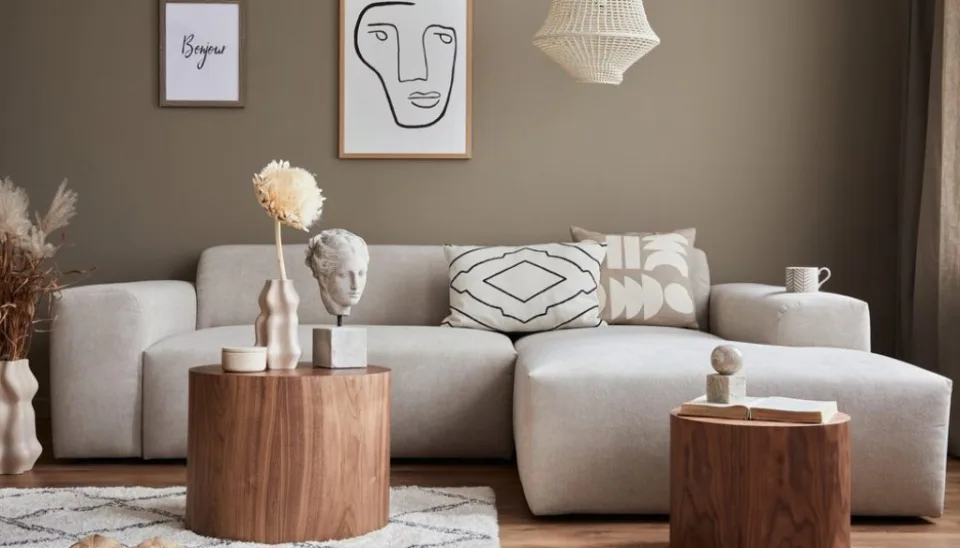
A well-accessorized room will often feature a variety of textures, creating a more inviting and dynamic space. For instance, pairing a smooth glass vase with a chunky knit throw on a sofa adds tactile contrast.
4. Scale and Proportion
The size of your accessories should be appropriate for the space they occupy and the furniture they are placed on or near. Overly large accessories can overwhelm a small room, while tiny items can get lost in a large space.
- For Large Spaces: Consider larger statement pieces like oversized floor vases, substantial wall art, or a bold area rug.
- For Small Spaces: Opt for more delicate items, smaller decorative objects, and strategically placed mirrors to create an illusion of space.
- On Furniture: A coffee table can hold a decorative tray with a few curated items, a stack of books, and a small plant. Avoid overcrowding.
Think about the visual weight of an item. A substantial piece of furniture might need a larger accessory to balance it, while a delicate chair might be best complemented by a smaller, more refined accent.
5. Functionality and Purpose
While aesthetics are paramount, many home accessories also serve a practical purpose. Consider how an item will be used:
- Storage: Baskets, decorative boxes, trays, and shelving units can help organize clutter while adding style.
- Comfort: Cushions and throws are essential for making seating areas more comfortable and inviting.
- Lighting: Table lamps, floor lamps, and string lights can create mood, provide task lighting, and add decorative flair.
- Serving: Decorative trays can be used for serving drinks or displaying remotes and other small items.
Choosing accessories that are both beautiful and functional maximizes their value and contributes to a well-ordered home.
6. Personalization and Storytelling
Your home should be a reflection of you. Don't be afraid to incorporate items that have personal meaning:
- Travel Souvenirs: Items collected from your travels can add unique character and spark conversations.
- Family Heirlooms: Vintage pieces or items passed down through generations add a sense of history and sentimentality.
- Hobby-Related Items: If you love to read, display beautiful books. If you're an artist, showcase your work or art supplies.
- Handmade Items: Supporting artisans or creating your own pieces adds a unique, personal touch.
These items transform a decorated space into a lived-in, cherished home.
Popular Categories of Home Accessories and How to Choose Them
Let's delve into some specific types of home accessories and provide tips for selecting the best ones for your space.
Decorative Throws and Cushions
These are perhaps the most accessible and impactful accessories for adding comfort and style to living rooms and bedrooms.
- Material: Consider the season and desired feel. Wool and faux fur are cozy for winter, while linen and cotton are breathable for summer.
- Color & Pattern: Use them to introduce your accent colors or to add visual interest with bold patterns. A plain sofa can be instantly transformed by vibrant, patterned cushions.
- Texture: Mix textures for a layered look. Combine smooth silk cushions with chunky knit throws.
- Quantity: Don't overdo it. A few well-chosen cushions and a throw can make a sofa look inviting without appearing cluttered.
Area Rugs
Rugs define spaces, add warmth, absorb sound, and introduce color and pattern.
- Size: The rug should be proportionate to the furniture arrangement. In a living room, at least the front legs of your sofa and chairs should rest on the rug. In a dining room, the rug should be large enough to keep all chairs on it, even when pulled out.
- Material: Wool is durable and luxurious. Natural fibers like jute and sisal offer a casual, earthy feel. Synthetic fibers can be more budget-friendly and easier to clean.
- Pattern & Color: A patterned rug can be a statement piece, while a solid color rug can ground a room with busy furniture.
- Pile Height: Low-pile rugs are easier to clean and good for high-traffic areas. High-pile rugs are softer and more luxurious.
Wall Art and Mirrors
These elements draw the eye, add personality, and can make a room feel larger and brighter.
- Scale: The art should be appropriately sized for the wall and the furniture below it. A common rule is that the bottom of the frame should be at eye level (around 57-60 inches from the floor).
- Style: Choose art that reflects your personal taste and complements your decor. This could be abstract paintings, photography, prints, or even tapestries.
- Mirrors: They are excellent for reflecting light and creating an illusion of space, especially in smaller rooms or hallways. Consider decorative frames that match your style.
- Gallery Walls: A curated collection of smaller pieces can create a dynamic focal point. Ensure a cohesive theme or color palette.
Vases and Decorative Objects
These are the details that add character and finish a vignette.
- Material: Ceramic, glass, metal, wood, and stone all offer different aesthetics.
- Placement: Group items in odd numbers (e.g., three vases of varying heights) for a more visually appealing arrangement.
- Function: A vase can hold fresh flowers, dried arrangements, or stand alone as a sculptural piece.
- Consider the Silhouette: The shape of the object is as important as its material and color.
Lighting Fixtures (Lamps, String Lights)
Beyond general illumination, accent lighting adds ambiance and highlights specific areas or objects.
- Task Lighting: Reading lamps next to a chair or desk.
- Ambient Lighting: Table lamps and floor lamps to create a warm glow.
- Accent Lighting: Spotlights to highlight artwork.
- Decorative Lighting: String lights can add a whimsical or cozy touch to bedrooms, patios, or living spaces.
- Style: Choose lamps with shades and bases that complement your decor.
Storage Solutions (Baskets, Trays, Boxes)
These items are essential for maintaining a tidy home without sacrificing style.
- Material: Woven baskets (rattan, seagrass) add natural texture. Metal or acrylic trays offer a modern look. Wooden boxes can provide a rustic or classic feel.
- Function: Use baskets for blankets, magazines, toys, or plants. Trays are great for organizing remotes, keys, or displaying decorative items on coffee tables or consoles.
- Placement: Integrate them seamlessly into your decor. A stylish basket can sit beside a sofa or in a corner.
Trends in Home Accessories
Staying abreast of current trends can inspire your choices, but remember to adapt them to your personal style rather than blindly following them.
Sustainability and Natural Materials
There's a growing emphasis on eco-friendly materials and sustainable practices. Look for accessories made from:
- Recycled glass
- Bamboo and rattan
- Organic cotton and linen
- Reclaimed wood
- Natural stones
Biophilic Design Elements
Bringing the outdoors in is a significant trend. This involves incorporating:
- Indoor plants (real or high-quality artificial)
- Botanical prints and patterns
- Natural textures like wood and stone
- Colors inspired by nature (greens, blues, earthy tones)
Textural Richness
Layering textures continues to be popular, creating spaces that are visually engaging and inviting to touch. Think chunky knits, bouclé fabrics, ribbed ceramics, and woven natural fibers.
Personalized and Artisanal Pieces
A move away from mass-produced items towards unique, handcrafted, or vintage pieces that tell a story and add individuality to a home.
Bold Colors and Patterns
While neutrals remain a staple, there's also a resurgence of bold color palettes and eye-catching patterns, especially in textiles and accent pieces, to inject personality and energy into spaces.
Tips for Styling and Arranging Home Accessories
Once you've chosen your accessories, how you arrange them is key to creating a cohesive and appealing look.
The Rule of Three
Groupings of three items are often more visually appealing and balanced than pairs or single items. This can be three vases, three decorative objects on a tray, or three framed photos.
Vary Heights and Shapes
Avoid placing items of the same height or shape next to each other. Mix tall and short, round and square, to create visual interest and rhythm.
Create Vignettes
A vignette is a small, curated arrangement of decorative items, often on a surface like a coffee table, console table, or mantelpiece. Combine a few items that relate to each other in theme, color, or style.
Consider Negative Space
Don't feel the need to fill every surface. Empty space, or negative space, allows your chosen accessories to stand out and prevents a room from looking cluttered.
Layering
Layering adds depth and dimension. For example, place a smaller decorative object on top of a stack of books, or arrange cushions of different sizes and textures on a sofa.
Balance and Symmetry (or Asymmetry)
While perfect symmetry can feel formal, a sense of balance is crucial. This can be achieved through symmetrical arrangements (e.g., two identical lamps on either side of a sofa) or asymmetrical balance, where different objects of similar visual weight are placed on opposite sides.
Function First, Then Form
When arranging functional items like remotes or coasters, try to integrate them stylishly. A decorative tray can corral remotes, and stylish coasters can be left out on a coffee table.
Where to Find Quality Home Accessories
The market for home accessories is vast, offering options for every budget and style. Explore:
Online Retailers
Offer unparalleled variety and convenience. Many have excellent filtering options by style, color, material, and price.
Department Stores
Often feature curated collections and can provide a good overview of current trends.
Specialty Boutiques
Ideal for finding unique, artisanal, or niche-style accessories.
Vintage and Antique Shops
A treasure trove for one-of-a-kind pieces with history and character.
Home Decor Shows and Markets
Great for discovering local artisans and unique finds.
Conclusion
Home accessories are the soul of your interior design. They are the elements that allow you to express your individuality, enhance comfort, and bring a sense of completeness to your living spaces. By understanding your style, considering color, texture, scale, and functionality, and by thoughtfully arranging your chosen pieces, you can transform any house into a personalized sanctuary. Embrace the power of these details, and let your home tell your unique story.