The Ultimate Guide to Choosing the Perfect Toys
Navigating the vast and ever-evolving world of toys can be a delightful yet daunting task for parents, grandparents, and gift-givers alike. With countless options available, from classic wooden blocks to cutting-edge interactive gadgets, how do you ensure you're selecting the right toy that will not only entertain but also foster development, spark creativity, and provide lasting enjoyment? This comprehensive guide is designed to equip you with the knowledge and insights needed to make informed decisions, ensuring every toy you choose is a valuable addition to a child's playtime and learning journey.
Understanding the Importance of Play and Toys
Before diving into the specifics of toy selection, it's crucial to understand why play is so fundamental to a child's growth. Play is not merely a pastime; it's the primary way children learn about themselves, others, and the world around them. Through play, children develop essential cognitive, social, emotional, and physical skills. Toys act as the tools that facilitate this crucial developmental process. They provide opportunities for exploration, experimentation, problem-solving, and imagination. The right toy can:
- Stimulate cognitive development by encouraging critical thinking, memory, and problem-solving.
- Enhance fine and gross motor skills through manipulation, building, and active play.
- Foster creativity and imagination by providing open-ended play possibilities.
- Promote social and emotional development through cooperative play, role-playing, and learning to share.
- Introduce basic concepts in STEM (Science, Technology, Engineering, and Mathematics) in an engaging and accessible way.
- Build language and communication skills through storytelling and imaginative scenarios.
Therefore, choosing toys is an investment in a child's development. It's about selecting items that align with their developmental stage, interests, and learning potential.
Key Factors to Consider When Buying Toys
When embarking on your toy-buying mission, several key factors should guide your decision-making process. These considerations will help you filter through the noise and select toys that offer the most value.
Age Appropriateness
This is arguably the most critical factor. Toys are designed with specific age groups in mind, considering their developmental milestones, cognitive abilities, and safety needs. A toy that is too advanced can be frustrating, while one that is too simple may not hold their interest. Conversely, toys with small parts can pose a choking hazard for younger children. Always check the age recommendations on the packaging, but also use your understanding of the individual child's development.
Developmental Benefits
Think beyond just entertainment. What skills can this toy help the child develop? Consider toys that encourage:
- Cognitive Skills: Puzzles, building blocks, educational games, logic toys.
- Motor Skills: Balls, ride-on toys, art supplies, construction sets.
- Creativity & Imagination: Dress-up clothes, play kitchens, art supplies, open-ended building materials.
- Social & Emotional Skills: Board games, cooperative play sets, dolls, puppets.
- STEM Learning: Science kits, coding toys, building robots, nature exploration tools.
Safety First
Safety should never be compromised. Look for toys that are:
- Made from non-toxic materials.
- Free from sharp edges or small, detachable parts that could be a choking hazard for younger children.
- Durable and well-constructed to withstand play.
- Compliant with relevant safety standards (e.g., ASTM F963 in the US, EN 71 in Europe).
- For electronic toys, ensure they have appropriate battery compartments and warning labels.
Durability and Longevity
A good toy is one that can be played with repeatedly and lasts. Consider toys made from sturdy materials like wood, metal, or high-quality plastic. Open-ended toys, which can be used in multiple ways, often have a longer lifespan and greater replay value than single-purpose toys.
Child's Interests and Personality
The most engaging toys are those that align with a child's current passions and interests. Does the child love animals, dinosaurs, superheroes, art, or science? Tailoring your choice to their specific likes will significantly increase the chances of the toy being a hit and being used frequently.
Open-Ended vs. Closed-Ended Toys
This distinction is crucial for fostering creativity:
- Open-Ended Toys: These have no prescribed way to be used and can be adapted to various imaginative scenarios. Examples include building blocks, art supplies, dolls, and playdough. They encourage problem-solving and original thinking.
- Closed-Ended Toys: These have a specific purpose or a single way to be played with, often with a defined outcome. Examples include electronic games with specific objectives or puzzles with only one correct solution. While they have their place, a good toy collection should lean towards open-ended options.
Materials and Sustainability
In an era of increasing environmental awareness, consider the materials used. Toys made from sustainable, eco-friendly materials like wood from responsibly managed forests, recycled plastics, or organic cotton are becoming more popular and are a great choice for environmentally conscious consumers.
Toy Categories and What to Look For
The toy market is incredibly diverse. Understanding different categories can help you pinpoint the right type of toy for a specific need or interest.
Building and Construction Toys
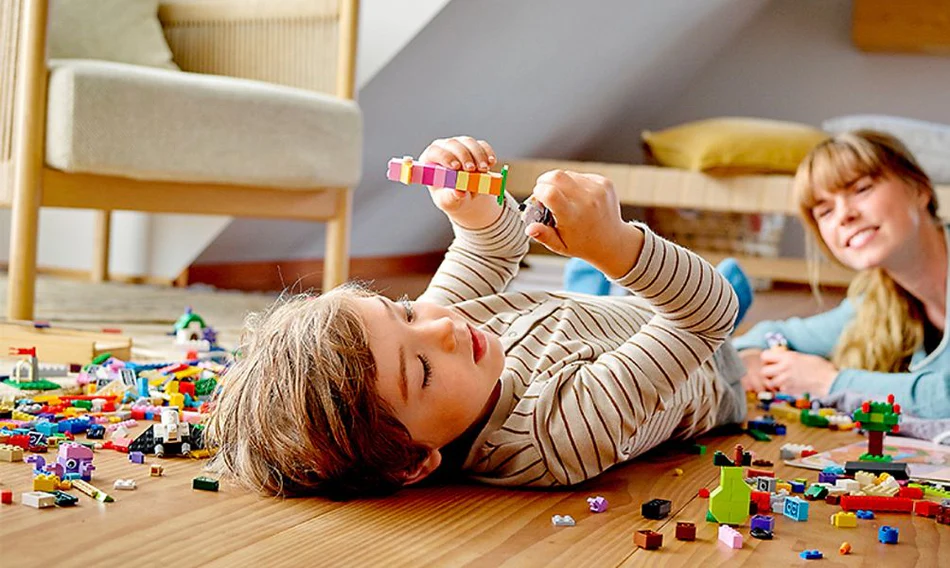
These are foundational toys that promote fine motor skills, spatial reasoning, problem-solving, and creativity. They are excellent for children of all ages.
- For Toddlers (1-3 years): Large, easy-to-handle blocks like Duplo, Mega Bloks, or magnetic tiles that connect easily. Focus on shape recognition and basic stacking.
- For Preschoolers (3-5 years): Smaller blocks like LEGO Classic or LEGO Juniors, wooden planks, or more complex magnetic building systems. Encourage imaginative building and following simple instructions.
- For School-Aged Children (6+ years): Advanced LEGO sets (Technic, Creator), K'Nex, Erector sets, or model-building kits. These challenge problem-solving, engineering concepts, and attention to detail.
Educational Toys and Games
These toys are designed to teach specific concepts, from letters and numbers to science and history, in an engaging way.
- Early Learning (0-3 years): Shape sorters, stacking rings, interactive books, simple puzzles with large pieces.
- Preschool & Early Elementary (3-7 years): Alphabet and number games, basic science kits (magnets, simple experiments), geography puzzles, coding toys for beginners.
- Older Children (7+ years): More complex science kits (chemistry, electronics, robotics), logic puzzles, strategy board games, coding platforms, telescopes, microscopes.
Art and Craft Supplies
Essential for fostering creativity, self-expression, and fine motor skills. Provide a variety of materials to allow for diverse artistic exploration.
- For Toddlers: Washable crayons, chunky markers, large paper, playdough, finger paints.
- For Preschoolers: Colored pencils, safety scissors, construction paper, glue sticks, modeling clay, paint sets, stencils.
- For School-Aged Children: Sketchpads, watercolors, acrylic paints, advanced craft kits (jewelry making, pottery, origami), drawing pencils, chalk pastels.
Pretend Play and Role-Playing Toys
These toys allow children to explore different roles, develop social skills, and exercise their imagination.
- Kitchen Sets and Food: Encourage imaginative cooking, sharing, and understanding of daily routines.
- Dollhouses and Figures: Facilitate storytelling, empathy, and understanding of family dynamics.
- Dress-Up Clothes and Accessories: Allow children to embody different characters and explore identities.
- Doctor Kits, Tool Sets, and Firefighter Gear: Help children understand professions and practice caring or problem-solving scenarios.
Outdoor and Active Play Toys
Crucial for physical development, coordination, and encouraging children to be active and explore the outdoors.
- Balls: Various sizes and types for kicking, throwing, and catching.
- Ride-On Toys: Scooters, tricycles, balance bikes for developing balance and coordination.
- Sports Equipment: T-ball sets, junior tennis rackets, basketball hoops.
- Play Structures: Swings, slides, climbing frames (ensure safe installation and supervision).
- Nature Exploration Tools: Magnifying glasses, bug nets, binoculars.
Puzzles and Games
Excellent for developing problem-solving, critical thinking, logic, and patience.
- Jigsaw Puzzles: Varying piece counts based on age and skill level.
- Board Games: From simple matching games for preschoolers to complex strategy games for older children and families. Look for games that encourage cooperation or strategic thinking.
- Logic Puzzles: Sudoku, crosswords, mazes, and specialized logic game sets.
Tips for Smart Toy Shopping
Beyond understanding categories, employing smart shopping strategies can ensure you get the best value and the most appropriate toys.
Read Reviews
Before making a purchase, especially for more expensive or specialized toys, read reviews from other parents and educators. They can offer valuable insights into durability, play value, and potential issues.
Consider the "Toy Rotation" Method
Instead of overwhelming a child with too many toys at once, consider a toy rotation system. Store some toys away and rotate them in and out every few weeks or months. This keeps toys feeling fresh and exciting, encouraging children to re-engage with items they might have previously overlooked.
Prioritize Quality Over Quantity
It's better to have a few high-quality, durable, and engaging toys than a large collection of cheap, easily broken items that offer little developmental value. Investing in well-made toys often means they will last longer and be more enjoyable.
Look for Versatility
Toys that can be used in multiple ways offer greater play value and encourage more creativity. For example, a set of wooden blocks can become a castle, a car, or a robot, depending on the child's imagination.
Don't Forget the Classics
While new technologies emerge, classic toys like building blocks, dolls, art supplies, and simple balls have stood the test of time for a reason. They offer timeless developmental benefits and can be enjoyed by generations.
Involve the Child (When Appropriate)
For older children, involving them in the selection process can be a great way to ensure they get something they truly want and will use. This also teaches them about making choices and considering their needs.
Check for Sales and Discounts
Toy stores and online retailers often have sales, especially around holidays. Keep an eye out for discounts to make your budget go further.
The Role of Technology in Modern Toys
Technology has undeniably transformed the toy landscape, introducing interactive, educational, and engaging digital experiences. However, it's important to approach tech toys with a balanced perspective.
Benefits of Tech Toys:
- Enhanced Engagement: Interactive features, sounds, and lights can capture a child's attention.
- STEM Learning: Many tech toys are designed to introduce coding, robotics, and other STEM concepts in a fun way.
- Personalized Learning: Some apps and toys adapt to a child's learning pace.
- Accessibility: Tech can offer new ways for children with disabilities to play and learn.
Considerations for Tech Toys:
- Screen Time Balance: Ensure tech toys complement, rather than replace, traditional play and outdoor activities.
- Durability and Updates: Some tech toys can be fragile, and software updates are sometimes necessary.
- Privacy and Security: Be mindful of toys that collect data or require internet connectivity.
- Cost: Tech toys can often be more expensive.
- Age Appropriateness: Ensure the technology and content are suitable for the child's age.
When choosing tech toys, look for those that encourage active participation, problem-solving, and creativity, rather than passive consumption of content.
A Sample Toy Wishlist Based on Age and Development
To illustrate, here's a sample of toys that might be suitable for different age groups, focusing on developmental benefits and variety. This is a general guide, and individual children will vary.
| Age Group | Cognitive Development | Motor Skills | Creativity & Imagination | Social & Emotional | STEM Focus |
|---|---|---|---|---|---|
| 0-12 Months | Sensory balls, soft books, rattles, shape sorters (simple) | Grasping toys, soft blocks, activity gyms | Soft dolls, textured toys | Interaction with caregivers through play | Basic cause-and-effect toys |
| 1-3 Years | Stacking rings, nesting cups, simple puzzles (2-4 pieces), chunky vehicles | Large blocks (Duplo, Mega Bloks), push cars, large crayons | Play kitchen accessories, dolls, toy animals, playdough (supervised) | Parallel play, sharing (with guidance), simple role-playing | Simple building toys, toys that make sounds when a button is pressed |
| 3-5 Years | Puzzles (8-24 pieces), memory games, matching games, early reading books | LEGO/smaller building blocks, scissors, paint, riding toys (tricycle) | Dress-up clothes, play tents, art supplies, action figures, dollhouses | Cooperative play, imaginative scenarios, understanding emotions | Simple science kits (magnets, color mixing), basic coding toys (e.g., Code-a-pillar) |
| 6-8 Years | More complex puzzles (50-100 pieces), strategy board games, logic puzzles | Advanced building sets (LEGO, K'Nex), art kits, juggling balls | Detailed craft kits, building robots, storytelling games, dioramas | Team games, understanding rules, empathy through role-play | Science experiment kits (crystals, circuits), beginner robotics, coding apps |
| 9+ Years | Complex strategy games, advanced logic puzzles, trivia games, model kits | Advanced construction sets, remote-control vehicles, sports equipment | Advanced art supplies, coding platforms, DIY kits, stop-motion animation kits | Teamwork in games, leadership in play, understanding complex social dynamics | Robotics kits, chemistry sets, electronics kits, telescopes, microscopes |
Conclusion: The Gift of Play
Choosing toys is more than just selecting an item to fill a space; it's about selecting an opportunity for growth, learning, and joy. By considering age appropriateness, developmental benefits, safety, and the child's individual interests, you can make thoughtful selections that contribute positively to their development. Remember that the most valuable toys are often those that encourage imagination, creativity, and active engagement. The gift of play is truly a gift that keeps on giving, shaping a child's formative years in profound and lasting ways.