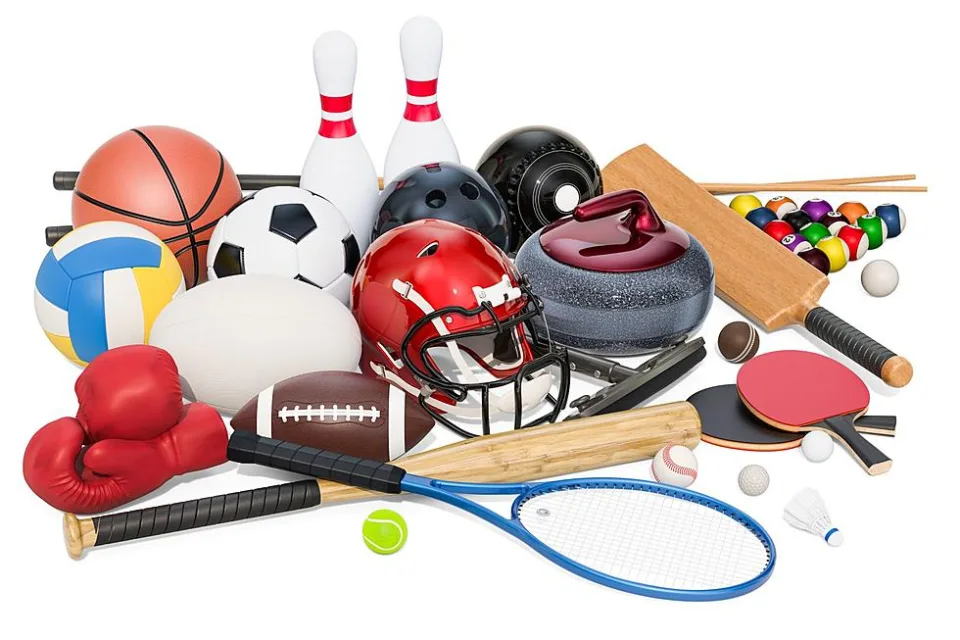
The Ultimate Guide to Choosing the Right Sports Gear for Your Fitness Journey
Embarking on a new fitness journey is an exhilarating experience, but it often comes with a daunting task: choosing the right sports gear. Whether you are a weekend warrior, a budding athlete, or someone looking to improve your overall health, having the correct equipment is the foundation of performance, safety, and long-term commitment. In this comprehensive guide, we will walk you through the essential considerations for selecting high-quality sports gear across various disciplines, helping you make informed decisions that align with your goals.
Understanding Your Sport-Specific Needs
Before you start browsing through catalogs or walking down the aisles of a sporting goods store, you must define the specific requirements of your chosen activity. Sports gear is rarely "one size fits all." A shoe designed for trail running provides vastly different support than one engineered for a hardwood basketball court.
To begin, categorize your needs into three primary buckets: Protection, Performance, and Comfort.
- Protection: Does your sport involve high-impact collisions or potential falls? If so, helmets, padding, and joint supports are non-negotiable.
- Performance: Do you need lightweight materials to increase speed, or do you need specialized grip for traction and control?
- Comfort: How long will you be using this gear? Ergonomics, breathability, and fit are critical for activities lasting longer than an hour.
The Anatomy of Quality Footwear
Footwear is the most critical investment for almost every athlete. Regardless of whether you are into running, tennis, or cross-training, the wrong shoe can lead to chronic injuries like plantar fasciitis, shin splints, or knee pain.
Key Features to Look For
- Cushioning: High-impact sports (like running) require substantial midsole cushioning to absorb shock. Low-impact sports (like weightlifting) require a firm, flat sole for stability.
- Stability and Support: If you overpronate (your feet roll inward), you need shoes with medial support. Neutral runners require different arch support.
- Traction: Check the outsole pattern. Deep lugs are essential for trail running, while herringbone patterns are standard for indoor court sports to prevent slipping.
Choosing Performance Apparel: Beyond Aesthetics
Modern sports apparel is a feat of textile engineering. Gone are the days when cotton was the standard; today, moisture-wicking synthetic blends and natural fibers like merino wool dominate the market. When selecting workout clothing, prioritize functionality over trends.
| Material Type | Best For | Key Benefit |
|---|---|---|
| Synthetic (Polyester/Spandex) | High-intensity interval training | Moisture-wicking & elasticity |
| Merino Wool | Outdoor activities/Hiking | Temperature regulation & odor resistance |
| Compression Fabric | Recovery & muscle support | Blood flow & reduced muscle fatigue |
| Cotton Blends | Low-intensity/Yoga | Softness & casual comfort |
Selecting Sports Equipment: Durability vs. Weight
When purchasing equipment—such as rackets, bats, golf clubs, or gym accessories—you are often balancing the trade-off between durability and weight. Lighter equipment usually allows for faster reaction times and less fatigue, but it may sacrifice structural integrity.
Tips for Evaluating Hard Goods
- Material Composition: Carbon fiber is lightweight and rigid, ideal for high-performance cycling or racket sports. Aluminum is more durable and budget-friendly but heavier.
- Adjustability: If you are a beginner, look for gear that offers adjustability. For example, adjustable weights or rackets with customizable grip sizes allow you to grow into your gear.
- Maintenance Requirements: Consider how much upkeep the item needs. Leather gear requires conditioning, while high-tech synthetic gear might require specific wash cycles to maintain its properties.
The Importance of Proper Sizing and Fit
Buying gear that doesn't fit properly is a common mistake that leads to discomfort and injury. Many athletes assume they know their size, but sizing can vary significantly between different manufacturers and specific sport-related ergonomic needs.
How to Ensure the Perfect Fit
- Measure in the Afternoon: Your feet swell throughout the day; always try on shoes in the late afternoon to ensure they don't become too tight during a workout.
- The "Two-Finger" Rule: For protective gear like helmets or braces, ensure you can fit no more than two fingers between the gear and your body to ensure a snug, secure fit.
- Range of Motion Test: When trying on activewear, perform a few squats or overhead reaches. If the clothing pulls, bunches, or restricts your movement, it is not the right size or cut for your activity.
Budgeting for Your Sports Journey
It is easy to get carried away with high-end, professional-grade gear. However, beginners rarely need the top-of-the-line equipment used by Olympians. A better strategy is to invest in high-quality items for the "contact points"—the parts of your body that touch the equipment—and save on secondary accessories.
For instance, if you are a cyclist, invest heavily in a high-quality saddle and padded shorts, but you can afford to be more economical with your water bottle cage or bike computer. By prioritizing your budget, you ensure that your money goes toward comfort and injury prevention rather than marginal performance gains you may not yet be able to utilize.
Future-Proofing Your Gear: Trends to Watch
The sports industry is evolving rapidly. Staying aware of current trends can help you make "future-proof" purchases. Currently, the industry is moving toward sustainability and smart technology.
Eco-Friendly Materials
Many manufacturers are now using recycled plastics and organic fibers. Choosing these not only helps the environment but often supports brands that are investing in innovative, long-lasting fabric technologies.
Wearable Integration
Modern gear is increasingly designed to integrate with wearables. Look for apparel with dedicated pockets for tracking devices or compression gear that features conductive fibers for heart rate monitoring. While not essential, these features can provide data-driven insights that accelerate your progress.
Conclusion: The Best Gear is the Gear You Use
Ultimately, the best sports gear is the equipment that makes you feel confident, protected, and excited to move. Do not feel pressured to buy everything at once. Start with the essentials, focus on quality over quantity, and listen to your body as you increase the intensity of your training. By following these guidelines, you will build a collection of gear that supports your fitness journey for years to come, helping you achieve your personal best, one session at a time.
