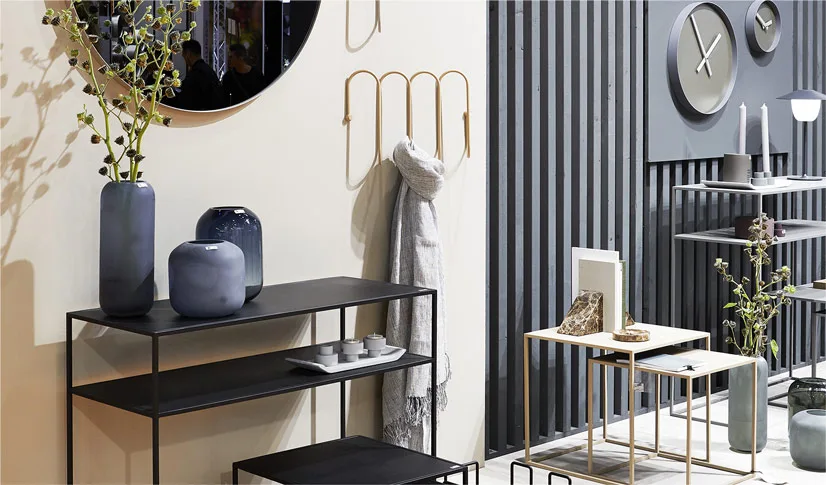
The Ultimate Guide to Curating the Best Home Accessories for Your Space
Transforming a house into a home is an art form, and at the heart of this transformation lies the thoughtful selection and placement of home accessories. These are the elements that inject personality, comfort, and style into your living spaces, turning them from mere structures into reflections of your unique taste and lifestyle. Unlike large furniture pieces that define a room's function, home accessories are the details – the finishing touches that elevate the everyday and create an inviting atmosphere. From cozy throws that beckon you to relax to striking wall art that sparks conversation, the right accessories can dramatically impact how a space feels and functions.
In this comprehensive guide, we'll delve deep into the world of home accessories, exploring the latest trends, timeless classics, and practical tips for choosing pieces that not only look good but also enhance your living experience. Whether you're looking to refresh a single room or embark on a complete home makeover, understanding the power of accessories is key. We'll cover everything from lighting and textiles to decorative objects and functional essentials, empowering you to make informed decisions and create a home that truly resonates with you.
Understanding the Role of Home Accessories in Interior Design
Home accessories are far more than just decorative items; they are crucial components of successful interior design. They act as the bridge between the structural elements of a room and the desired aesthetic. Think of them as the jewelry for your home – they add sparkle, personality, and complete the overall look. Their role can be categorized into several key areas:
- Enhancing Aesthetics: Accessories are the primary tools for introducing color, texture, pattern, and visual interest into a space. A plain sofa can be completely reimagined with a collection of vibrant throw pillows and a luxurious blanket.
- Adding Personality and Story: Unique finds, travel souvenirs, and family heirlooms that are displayed as accessories tell a story and make a home feel personal and lived-in.
- Improving Functionality: Many accessories serve practical purposes. Decorative baskets can organize clutter, stylish lamps provide essential lighting, and elegant trays can consolidate everyday items.
- Creating Ambiance: Lighting accessories, such as table lamps, floor lamps, and string lights, play a vital role in setting the mood and creating a desired atmosphere, from cozy and intimate to bright and energizing.
- Defining Style: The choice of accessories is a strong indicator of a home's overall style, whether it's minimalist, bohemian, modern, or traditional.
Without accessories, a room can feel sterile, unfinished, and impersonal. They are the elements that breathe life into a space, making it comfortable, welcoming, and truly yours.
Top Categories of Home Accessories to Consider
The realm of home accessories is vast and varied, offering endless possibilities for personalization. To help you navigate this exciting landscape, we've broken down the key categories that form the backbone of any well-accessorized home:
1. Textiles: The Soft Touches
Textiles are arguably the most impactful category of home accessories, instantly adding warmth, comfort, and color. They are versatile and can be easily updated to reflect changing seasons or trends.
- Throw Pillows: These are the workhorses of textile accessories. They come in an infinite array of sizes, shapes, colors, patterns, and textures, allowing for endless mixing and matching. Use them on sofas, armchairs, beds, and even floors for added seating.
- Throws and Blankets: Beyond their cozy function, throws add a layer of texture and visual appeal. Drape them over the back of a sofa, fold them neatly at the foot of a bed, or keep one on hand for chilly evenings. Materials range from soft cotton and wool to luxurious cashmere and faux fur.
- Rugs: While larger rugs can be considered foundational pieces, smaller accent rugs, runners, and doormats also fall under the accessory umbrella. They define zones, add color and pattern, and protect floors.
- Curtains and Drapes: These window treatments not only control light and privacy but also contribute significantly to a room's style and atmosphere.
2. Lighting: Setting the Mood
Lighting is essential for both function and ambiance. Beyond overhead fixtures, decorative lighting accessories are key to creating a layered and inviting glow.
- Table Lamps: Perfect for bedside tables, console tables, and living room end tables, table lamps provide task lighting and add a decorative element.
- Floor Lamps: These are excellent for illuminating reading nooks, providing ambient light in living areas, and adding vertical interest to a room.
- Accent Lights: Think string lights, fairy lights, or small spotlights that can highlight artwork or create a whimsical atmosphere.
- Candles and Candle Holders: The soft flicker of candles creates an intimate and relaxing ambiance. Decorative candle holders can also serve as standalone decorative pieces.
3. Decorative Objects: Personalizing Your Space
These are the items that truly express your personality and interests. They are chosen for their aesthetic appeal and the stories they tell.
- Vases: Whether holding fresh flowers or standing alone, vases in various materials, shapes, and sizes add elegance and can be a focal point.
- Sculptures and Figurines: From abstract art pieces to charming animal figurines, these add dimension and character.
- Picture Frames: Displaying cherished photos or artwork in stylish frames personalizes your space and creates a sense of history.
- Bowls and Trays: Decorative bowls can hold potpourri, decorative orbs, or simply stand alone. Trays are excellent for organizing and displaying smaller items on coffee tables or consoles.
- Mirrors: Beyond their functional use, mirrors can make a space feel larger and brighter by reflecting light. Decorative frames add a stylistic touch.
4. Storage Solutions: Stylish Organization
Organization is key to a serene home, and many storage accessories are designed to be both practical and aesthetically pleasing.
- Baskets: Woven, metal, or fabric baskets are perfect for storing blankets, magazines, toys, or even as planters.
- Decorative Boxes: These can hide clutter on shelves or tables while adding a touch of elegance.
- Ottomans with Storage: These multi-functional pieces provide extra seating and a hidden space for blankets, books, or remotes.
5. Wall Decor: Elevating Your Walls
Walls are a blank canvas, and wall decor accessories are your opportunity to make a statement.
- Wall Art: Paintings, prints, photographs, and tapestries can transform a room's atmosphere and reflect your artistic tastes.
- Wall Shelves: These provide display space for smaller decorative items, books, and plants.
- Clocks: A stylish clock can be both a functional timepiece and a striking decorative element.
Current Trends in Home Accessories
Staying abreast of current trends can help you make choices that feel fresh and contemporary. However, remember that timeless pieces will always hold their value. Here are some of the most prominent trends in home accessories:
- Biophilic Design Elements: Incorporating natural elements is a huge trend. Think of ceramic vases with organic shapes, planters made from natural materials like terracotta and rattan, and an abundance of houseplants.
- Textural Play: Layering different textures is key. Bouclé, velvet, chunky knits, woven materials, and natural fibers like jute and rattan are popular for adding depth and warmth.
- Earthy and Natural Color Palettes: Warm neutrals, muted greens, terracotta tones, and sandy beiges are dominating. These colors create a calming and grounded atmosphere.
- Vintage and Retro Finds: There's a growing appreciation for unique, vintage pieces that add character and a sense of history. Think antique mirrors, retro lamps, and artisanal ceramics.
- Sustainable and Eco-Friendly Materials: Consumers are increasingly seeking accessories made from recycled, upcycled, or sustainably sourced materials. This includes bamboo, recycled glass, and organic cotton.
- Statement Lighting: Lighting fixtures are becoming more sculptural and artistic, serving as focal points in a room. This includes oversized pendant lights, unique table lamps, and intricate floor lamps.
- Personalized Touches: Mass-produced items are being supplemented with custom-made or artisanal pieces that reflect individual stories and preferences.
Tips for Selecting the Best Home Accessories
Choosing the right accessories can be overwhelming, but by following a few key principles, you can curate a collection that enhances your home beautifully.
1. Consider Your Existing Style and Color Palette
Before you buy anything, take stock of your current decor. What is your dominant style (modern, bohemian, traditional, minimalist)? What are your primary color schemes? Accessories should complement, not clash with, your existing foundation. If your room is neutral, accessories are your opportunity to introduce pops of color. If you have a bold color scheme, choose accessories that either echo or provide a grounding contrast.
2. Focus on Quality Over Quantity
It's better to have a few well-chosen, high-quality accessories than a multitude of cheap, disposable items. Invest in pieces that are well-made, durable, and possess timeless appeal. These pieces will not only look better but also last longer, saving you money and reducing waste in the long run.
3. Think About Scale and Proportion
The size of your accessories should be appropriate for the space they occupy. A tiny vase on a large coffee table will look lost, while an oversized sculpture in a small nook can feel overwhelming. Measure your space and consider the visual weight of the item. For example, a large mirror can make a small room feel more expansive.
4. Layer Textures and Materials
Creating visual interest often comes down to layering. Mix soft textiles like velvet or faux fur with harder materials like metal or ceramic. Combine smooth surfaces with rougher textures. This interplay adds depth and sophistication to your decor.
5. Don't Forget Functionality
While aesthetics are important, accessories should also serve a purpose. A beautiful tray can organize remotes and coasters on a coffee table. Stylish baskets can hide everyday clutter. Consider how an accessory will integrate into your daily life.
6. Create Focal Points
Use accessories to draw the eye. A striking piece of art, a unique lamp, or a collection of decorative objects arranged thoughtfully can create a focal point that anchors a room. Aim for one or two strong focal points per space to avoid visual clutter.
7. Embrace Imperfection and Personalization
The most charming homes are often those that feel lived-in and personal. Don't be afraid to display items that have sentimental value, even if they don't perfectly align with the latest trends. Vintage finds, travel souvenirs, and handmade items tell your story.
8. Consider Lighting's Impact
Accessories are crucial for layered lighting. Ensure you have a mix of ambient, task, and accent lighting. A stylish table lamp can provide reading light and add a decorative touch, while a floor lamp can illuminate a dark corner.
Curating Your Perfect Collection: A Step-by-Step Approach
Transforming your home with accessories is a journey, not a destination. Here’s a structured approach to help you build a cohesive and stylish collection:
Step 1: Assess Your Space and Needs
Walk through each room and identify areas that feel bare or lack personality. What is the primary function of the room? What kind of atmosphere do you want to create? Note down any specific needs, such as more lighting, better organization, or a desire for more color.
Step 2: Define Your Style and Color Palette
If you haven't already, solidify your interior design style and preferred color palette. Gather inspiration from magazines, Pinterest, or design blogs. This will serve as your guiding principle when selecting accessories.
Step 3: Prioritize Key Categories
Based on your assessment, decide which accessory categories are most important for each room. For a living room, you might prioritize throw pillows, a decorative tray, and a floor lamp. For a bedroom, focus on bedding textiles, bedside lamps, and decorative accents.
Step 4: Start with Larger, Statement Pieces
Begin with accessories that will have the most impact. This could be a large piece of wall art, a statement rug, or a unique lamp. These pieces can then inform your choices for smaller accessories.
Step 5: Layer in Smaller Details
Once your statement pieces are in place, start adding smaller items. This is where you can play with textures, colors, and personal touches. Arrange books on shelves, add decorative bowls to coffee tables, and scatter throw pillows for comfort and style.
Step 6: Group and Arrange Thoughtfully
Don't just place items randomly. Group similar items together (e.g., a collection of vases) or create vignettes on surfaces like coffee tables and console tables. The rule of three is often effective for arranging decorative objects.
Step 7: Evaluate and Refine
Step back and look at your space. Does it feel balanced? Is there too much or too little? Don't be afraid to move things around, swap items between rooms, or even put something away if it doesn't feel right. Accessorizing is an ongoing process.
Popular Home Accessories and Their Impact
To illustrate the power of accessories, let's look at a few examples of popular items and how they can transform a space:
| Accessory Type | Typical Materials | Impact on Space | Best Placed In |
|---|---|---|---|
| Throw Pillows | Cotton, Linen, Velvet, Polyester, Faux Fur | Adds color, texture, comfort, and personality. Can change a room's mood seasonally. | Living Rooms, Bedrooms, Family Rooms, Window Seats |
| Decorative Vases | Ceramic, Glass, Metal, Terracotta, Porcelain | Adds elegance, a touch of nature (with flowers), and can be a standalone sculptural element. | Entryways, Living Rooms, Dining Rooms, Bedrooms, Shelving Units |
| Table Lamps | Ceramic, Metal, Wood, Glass, Resin | Provides essential task and ambient lighting, adds a decorative element, and can introduce color or texture. | Bedside Tables, End Tables, Console Tables, Desks |
| Woven Baskets | Rattan, Wicker, Seagrass, Jute, Bamboo | Offers stylish and natural storage solutions, adds texture and a bohemian or coastal feel. | Living Rooms, Bedrooms, Bathrooms, Entryways, Playrooms |
| Wall Mirrors | Glass (with various frame materials like Metal, Wood, Resin) | Reflects light, makes spaces feel larger and brighter, and adds a decorative focal point. | Entryways, Living Rooms, Dining Rooms, Hallways, Bedrooms |
Conclusion: Your Home, Your Masterpiece
Home accessories are the unsung heroes of interior design. They are the elements that allow you to inject your personality, enhance comfort, and elevate the overall aesthetic of your living spaces. By understanding the different categories, staying aware of trends, and applying thoughtful selection principles, you can curate a collection of accessories that transforms your house into a true home. Remember that the best home accessories are not necessarily the most expensive or the trendiest, but rather those that resonate with you, serve a purpose, and contribute to a feeling of warmth, comfort, and personal style. Embrace the process of accessorizing as an opportunity to express yourself and create a space that you love coming back to, day after day.
