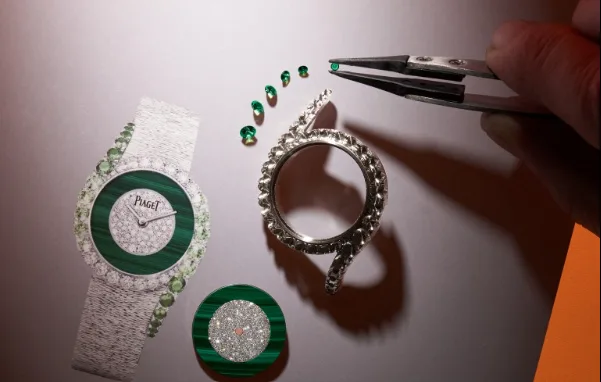
The Ultimate Guide to Choosing Your Perfect Jewelry & Watches: A Comparative Analysis
Introduction: Navigating the Dazzling World of Jewelry & Watches
The realm of jewelry and watches is a captivating universe, offering a dazzling array of choices to express personal style, mark significant milestones, and invest in enduring beauty. From the subtle gleam of a delicate necklace to the bold statement of a designer timepiece, these accessories are more than mere adornments; they are extensions of our identity, cherished heirlooms, and symbols of love and achievement. However, with such a vast and diverse market, making the right choice can sometimes feel overwhelming. This comprehensive guide aims to demystify the selection process by offering a comparative analysis of popular jewelry and watch categories, equipping you with the knowledge to make informed decisions that resonate with your individual needs and preferences.
Whether you're a seasoned collector seeking to expand your repertoire, a first-time buyer embarking on a special purchase, or simply looking to understand the nuances of different materials and styles, this article will delve into the key considerations. We'll explore the intrinsic qualities, aesthetic appeal, practicalities, and investment potential of various jewelry types and watch mechanisms. By understanding the strengths and weaknesses of each option, you can confidently navigate the glittering landscape and find pieces that not only capture your eye but also stand the test of time.
Understanding Your Needs: The Foundation of Smart Choices
Before diving into specific product comparisons, it's crucial to establish a clear understanding of your personal needs and the intended purpose of your jewelry or watch. This foundational step will significantly streamline your decision-making process and ensure you invest in pieces that truly fulfill your desires.
Defining Your Style: Classic, Modern, Minimalist, or Bold?
Your personal style is the most significant determinant in choosing jewelry and watches. Consider the following:
- Classic: Timeless designs, often featuring traditional metals like gold and silver, and precious gemstones. Think simple solitaire rings, pearl necklaces, and elegant dress watches.
- Modern: Contemporary aesthetics, often incorporating geometric shapes, innovative materials, and unique settings. This can include abstract designs, mixed metals, and avant-garde watch faces.
- Minimalist: Understated elegance, focusing on clean lines, subtle details, and a less-is-more philosophy. Delicate chains, small stud earrings, and slim-profile watches often fall into this category.
- Bold: Statement pieces designed to make a strong impression. This could involve large, eye-catching gemstones, chunky metalwork, vibrant colors, and oversized watches with intricate complications.
Occasion and Lifestyle: Everyday Wear vs. Special Events
The context in which you'll wear your jewelry or watch is paramount:
- Everyday Wear: Durability and comfort are key. Consider materials that can withstand daily activities, such as hypoallergenic metals and scratch-resistant watch crystals. Simpler designs are often more practical.
- Special Occasions: This is where you can indulge in more elaborate and luxurious pieces. Think intricate craftsmanship, precious gemstones, and sophisticated timepieces that complement formal attire.
- Workplace Appropriateness: Consider the dress code and culture of your professional environment. Some workplaces may favor more understated and professional jewelry, while others allow for greater personal expression.
Budget Considerations: Setting Realistic Expectations
Jewelry and watches span a wide price spectrum. Establishing a budget upfront will help you narrow down your options and avoid overspending. Consider the following factors that influence cost:
- Materials: Precious metals (gold, platinum, silver) and gemstones (diamonds, sapphires, emeralds) are generally more expensive than base metals and semi-precious stones.
- Craftsmanship: Intricate designs, hand-finished details, and renowned artisan work will command higher prices.
- Brand Reputation: Established jewelry houses and watch manufacturers often have premium pricing due to their heritage, quality, and marketing.
- Complications (Watches): Advanced watch functions like chronographs, moon phases, and perpetual calendars add significant cost.
Jewelry Comparison: Unveiling the Beauty of Different Materials and Styles
The world of jewelry offers an incredible diversity of materials and designs, each with its unique charm and characteristics. Understanding these differences is key to selecting pieces that align with your aesthetic preferences, budget, and intended use.
Precious Metals: Gold, Platinum, and Silver
These are the cornerstones of fine jewelry, each offering distinct qualities:
Gold: The Everlasting Favorite
Gold is prized for its radiant luster, malleability, and inherent value. Its color can vary significantly depending on the alloy used:
- Yellow Gold: The classic choice, offering a warm and rich hue. Its purity is measured in karats (K), with 24K being pure gold, and 18K (75% gold) and 14K (58.3% gold) being common for jewelry due to their increased durability.
- White Gold: Created by alloying gold with white metals like palladium or nickel, then often rhodium-plated for a bright, silvery finish. It offers a modern alternative to yellow gold.
- Rose Gold: Achieved by alloying gold with copper, resulting in a warm, pinkish hue. It has gained significant popularity for its romantic and contemporary appeal.
Pros: Highly desirable, retains value, available in various colors, hypoallergenic (in higher karats).
Cons: Can be scratched or dented, higher karat gold is softer and less durable for everyday wear.
Platinum: The Ultimate Luxury
Platinum is a naturally white, dense, and incredibly durable precious metal. It is typically used in its purest form (95% platinum) for jewelry, making it exceptionally resistant to tarnish and wear.
Pros: Extremely durable, hypoallergenic, naturally white (no plating needed), retains its luster, holds gemstones securely.
Cons: Significantly more expensive than gold, heavier, can develop a patina over time (which some find desirable).
Silver: Accessible Elegance
Silver is a beautiful and more affordable precious metal. Sterling silver (92.5% silver) is the most common form used in jewelry, alloyed with copper for durability.
Pros: Affordable, bright and lustrous, versatile for various designs, easy to work with.
Cons: Prone to tarnishing (requires regular cleaning), softer than gold and platinum, can be scratched more easily.
Gemstones: Adding Sparkle and Color
Gemstones are the heart of many jewelry pieces, adding color, brilliance, and personality. The "big four" are particularly sought after:
| Gemstone | Color | Hardness (Mohs Scale) | Common Uses | Considerations |
|---|---|---|---|---|
| Diamond | Colorless (most common), various fancy colors | 10 | Engagement rings, earrings, pendants, watches | "The 4 Cs" (Carat, Cut, Color, Clarity) significantly impact price and beauty. Extremely durable. |
| Sapphire | Blue (most iconic), pink, yellow, green, etc. | 9 | Engagement rings, necklaces, earrings | Excellent durability, rich color variety. Blue sapphires are highly prized. |
| Ruby | Red | 9 | Engagement rings, pendants, statement pieces | Symbol of passion and love. Vibrant red is most valuable. Good durability. |
| Emerald | Green | 7.5-8 | Rings, earrings, pendants | Known for its rich green hue, but often has inclusions that require careful handling. |
Beyond these, a vast array of semi-precious gemstones offer stunning color and affordability, including amethyst, topaz, garnet, aquamarine, and many more. When choosing gemstones, consider their durability, color saturation, clarity, and how they complement your skin tone and personal style.
Types of Jewelry: A Comparative Look
| Jewelry Type | Key Features | Best For | Considerations |
|---|---|---|---|
| Necklaces | Pendants, chains (various styles), chokers, statement pieces | Adding a focal point to an outfit, expressing personal style, gifts | Chain length and thickness, pendant size and material, clasp security. |
| Earrings | Studs, hoops, dangles, chandeliers, climbers | Framing the face, adding sparkle, everyday wear to special occasions | Earring back type (post, hook, screw-back), material, weight, and comfort. |
| Rings | Band rings, solitaire, halo, three-stone, statement rings | Fashion, commitment (engagement/wedding), stacking, collecting | Sizing, metal type, gemstone setting security, comfort for daily wear. |
| Bracelets | Cuffs, bangles, link bracelets, charm bracelets, tennis bracelets | Adding a touch of elegance to the wrist, layering, personal expression | Size and adjustability, clasp type, material, and design. |
| Brooches/Pins | Decorative pins, often with gemstones or intricate designs | Adding a unique accent to clothing, hats, or bags | Secure clasp, weight, and how it attaches to fabric. |
Watch Comparison: Mechanisms, Styles, and Functionality
Watches are more than timekeeping devices; they are intricate mechanical marvels, fashion statements, and sometimes, valuable investments. Understanding the different types of watch movements and styles is essential for making an informed purchase.
Watch Movements: The Heart of the Timepiece
The movement dictates how a watch operates. The two primary categories are:
Mechanical Movements: The Art of Horology
These watches are powered by a wound spring and a complex series of gears, wheels, and levers. They represent a significant achievement in engineering and craftsmanship.
- Manual-Wind: Requires the wearer to manually wind the crown regularly to keep the watch running. Offers a direct connection to the watch's mechanics.
- Automatic (Self-Winding): Winds itself using the motion of the wearer's wrist. A rotor inside the watch spins with movement, tightening the mainspring.
Pros: No battery required, intricate craftsmanship, often considered more prestigious and collectible, can be passed down through generations.
Cons: Less accurate than quartz movements, require regular servicing, can be more expensive, sensitive to shocks and magnetism.
Quartz Movements: Precision and Convenience
These watches use a battery to send an electric current through a quartz crystal, causing it to vibrate at a precise frequency. This vibration is then used to power the watch's hands.
Pros: Highly accurate, low maintenance (battery replacement every few years), generally more affordable, robust and less susceptible to shocks.
Cons: Requires battery replacement, not as mechanically complex or prestigious as mechanical movements, may not hold value as well as high-end mechanical watches.
Watch Styles: Function Meets Fashion
The style of a watch is determined by its design, materials, and intended purpose:
| Watch Style | Key Features | Best For | Considerations |
|---|---|---|---|
| Dress Watches | Slim profiles, minimalist dials, leather straps or elegant metal bracelets, often no complications beyond time and date | Formal occasions, business attire, classic elegance | Dial legibility, case size relative to wrist, strap material and comfort. |
| Sports Watches | Durable construction, water resistance, often rotating bezels, luminous hands/markers, robust straps (rubber, nylon, steel) | Active lifestyles, diving, swimming, everyday wear | Water resistance rating (ATM or meters), bezel functionality, strap material durability. |
| Dive Watches | High water resistance (typically 200m+), unidirectional rotating bezel for tracking dive time, excellent legibility in low light | Scuba diving, water sports, or for a rugged, utilitarian look | ISO 6425 certification (for true dive watches), bezel action, helium escape valve (for saturation diving). |
| Pilot/Aviator Watches | Large, legible dials, often with multiple subdials (chronograph), high contrast markings, sometimes GMT function | Aviation enthusiasts, travelers, or for a vintage-inspired aesthetic | Dial layout and clarity, specific complications like GMT or chronograph functionality. |
| Chronographs | Stopwatch functionality with subdials and pushers on the case | Timing events, racing, or for a sporty, functional look | Ease of use of chronograph functions, accuracy of the stopwatch, dial clutter. |
| Smartwatches | Digital displays, connectivity to smartphones, fitness tracking, app integration | Tech-savvy individuals, fitness enthusiasts, those seeking convenience and connectivity | Battery life, operating system compatibility, available apps, display clarity, health tracking accuracy. |
Materials and Durability: Choosing for Longevity
The materials used in watch construction significantly impact their durability, aesthetics, and price:
- Case Materials: Stainless steel is common for its durability and affordability. Titanium offers a lighter, stronger, and hypoallergenic alternative. Precious metals like gold and platinum are used for luxury watches. Ceramic is scratch-resistant and hypoallergenic.
- Watch Crystals:
- Acrylic (Plexiglass): Inexpensive, shatter-resistant, but scratches easily and can yellow over time.
- Mineral Glass: More scratch-resistant than acrylic but can shatter if impacted.
- Sapphire Crystal: The most durable and scratch-resistant option, offering excellent clarity. It's the preferred choice for high-quality watches.
- Straps and Bracelets: Leather offers classic elegance but can wear out over time. Stainless steel bracelets are durable and versatile. Rubber and silicone straps are ideal for sports and water activities. Nylon (NATO straps) are durable and affordable.
Making Your Final Decision: Tips for a Successful Purchase
With a better understanding of the various jewelry and watch categories, you're well on your way to making a confident and satisfying purchase. Here are some final tips to guide your decision-making process:
Prioritize Quality Over Quantity
It's often better to invest in one high-quality piece that you truly love and will wear for years than to accumulate several less impressive items. Look for good craftsmanship, reputable materials, and a design that stands the test of time.
Consider Resale Value (If Applicable)
If you're purchasing jewelry or watches as an investment, research brands and materials known for holding their value. Diamonds with excellent cut, color, and clarity, as well as certain iconic watch models from established manufacturers, tend to perform better in the resale market.
Try Before You Buy
Whenever possible, try on jewelry and watches before purchasing. This allows you to assess how they look and feel on your skin, check for comfort, and gauge their true size and presence. For watches, ensure the strap or bracelet fits comfortably and the case size is proportionate to your wrist.
Read Reviews and Seek Expert Opinions
Before making a significant purchase, read online reviews from other buyers and consult with knowledgeable jewelers or watch experts. Their insights can provide valuable information about a product's performance, durability, and overall satisfaction.
Understand Warranties and Return Policies
Always inquire about the warranty offered by the manufacturer or retailer. A good warranty provides peace of mind and protection against manufacturing defects. Familiarize yourself with the return or exchange policy in case the item doesn't meet your expectations.
Conclusion: Your Personal Expression in Jewelry & Watches
The journey through the world of jewelry and watches is a personal one, filled with opportunities for self-expression, celebration, and the creation of lasting memories. By understanding the nuances of different materials, mechanisms, styles, and functionalities, you can move beyond mere aesthetics and make choices that are both beautiful and practical. Whether you're drawn to the timeless elegance of a gold pendant, the intricate engineering of a mechanical watch, or the vibrant sparkle of a gemstone, the key lies in aligning your selections with your individual style, lifestyle, and aspirations.
This comparative guide has aimed to illuminate the diverse landscape of jewelry and watches, empowering you to navigate this dazzling market with confidence. Remember that the most valuable piece is not always the most expensive, but rather the one that brings you joy, complements your unique personality, and becomes a cherished part of your story for years to come.

