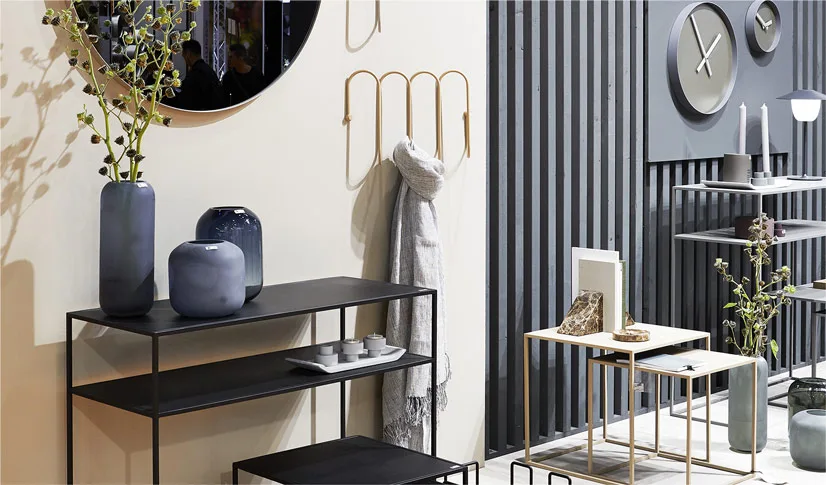
Choosing the Perfect Home Accessories: A Comprehensive Comparison Guide
Elevating your living space goes beyond furniture and paint colors. The true magic often lies in the details – the carefully selected home accessories that infuse personality, comfort, and style into your abode. From functional items that streamline your daily life to decorative pieces that spark joy, the world of home accessories is vast and exciting. However, navigating this landscape can be overwhelming. This comprehensive comparison guide will help you make informed decisions by exploring popular categories of home accessories, their unique benefits, and considerations for choosing the best fit for your home.
The Art of Accessorizing: Why Home Accessories Matter
Home accessories are the unsung heroes of interior design. They are the finishing touches that transform a house into a home, reflecting your personal taste and creating an inviting atmosphere. Beyond aesthetics, accessories play a crucial role in:
- Enhancing Functionality: Many accessories are designed to solve practical problems, from organizing clutter to providing ambient lighting.
- Adding Personality and Style: They are your canvas to express individuality, whether you lean towards minimalist chic, bohemian warmth, or modern sophistication.
- Creating Ambiance: Lighting, textiles, and decorative objects can significantly impact the mood and feel of a room.
- Completing the Look: Accessories tie together the elements of a room, making it feel cohesive and thoughtfully curated.
- Budget-Friendly Updates: Unlike major renovations, accessories offer a way to refresh your space without breaking the bank.
Comparing Popular Home Accessory Categories
To simplify your decision-making process, we'll delve into a comparison of several key home accessory categories, examining their characteristics, typical uses, and what to look for when making your selection.
1. Decorative Accents: The Sparkle and Shine
Decorative accents are the pieces that add visual interest and personality to your rooms. They are primarily chosen for their aesthetic appeal and their ability to complement your existing decor.
Sub-categories and Comparisons:
| Category | Key Characteristics | Typical Uses | Pros | Cons | Best For |
|---|---|---|---|---|---|
| Vases & Planters | Available in myriad materials (ceramic, glass, metal, concrete), shapes, sizes, and colors. Can be used with or without floral arrangements. | Displaying flowers, housing plants, standalone decorative pieces on shelves, tables, or mantels. | Versatile, add life and color, can be a focal point. | Can be fragile, require maintenance if used with live plants. | Living rooms, dining rooms, entryways, bedrooms. |
| Sculptures & Figurines | Often made of metal, wood, resin, or stone. Can range from abstract to representational. | Adding a touch of art, creating a conversation starter, filling empty spaces on shelves or surfaces. | Unique artistic expression, can be timeless. | Subjective taste, can be expensive, may appear cluttered if overused. | Living rooms, studies, offices, display cabinets. |
| Candles & Candle Holders | Candles offer scent and ambiance; holders provide a decorative element and safety. Materials include wax, glass, metal, wood. | Creating a cozy atmosphere, adding a soft glow, scent diffusion, decorative accents. | Enhance mood, add warmth and fragrance, holders are often stylish. | Fire hazard if not supervised, can be messy, scent preference is personal. | Living rooms, bedrooms, bathrooms, dining rooms. |
| Wall Art (Prints, Paintings, Tapestries) | Diverse styles, sizes, and mediums. Can be framed or unframed. | Adorning blank walls, defining a room's theme, adding color and texture. | Transform a room's look, express personal style, can be a significant statement piece. | Requires wall space, can be expensive, choosing the right size and style is crucial. | Living rooms, bedrooms, hallways, dining rooms. |
Tips for Choosing Decorative Accents:
- Consider Scale: Ensure the size of the accent piece is proportionate to the furniture and the room. A tiny vase on a large coffee table will look lost.
- Color Palette: Select accents that either complement or contrast harmoniously with your existing color scheme.
- Material Mix: Combine different textures and materials (e.g., glass, metal, wood) to add depth and interest.
- Focal Point: Decide if you want the accent to be a subtle addition or a bold statement piece.
- Less is More: Avoid clutter. A few well-chosen pieces are often more impactful than many small items.
2. Textiles: Softness, Warmth, and Texture
Textiles are essential for adding comfort, warmth, and visual appeal to any room. They introduce color, pattern, and tactile elements that make a space feel more lived-in and inviting.
Sub-categories and Comparisons:
| Category | Key Characteristics | Typical Uses | Pros | Cons | Best For |
|---|---|---|---|---|---|
| Throw Pillows | Varying in size, shape, fabric (cotton, linen, velvet, faux fur), and embellishments (embroidery, tassels). | Adding comfort to sofas and chairs, injecting color and pattern, creating a cozy feel. | Easy to change out for seasonal updates, affordable way to refresh decor, provide comfort. | Can get dirty easily, require regular fluffing, can contribute to clutter if too many are used. | Living rooms, bedrooms, window seats, accent chairs. |
| Throws & Blankets | Made from materials like wool, cotton, fleece, cashmere, or faux fur. Available in various weights and textures. | Providing warmth and coziness, layering on beds and sofas, adding a touch of luxury. | Enhance comfort, add visual texture and depth, practical for cooler evenings. | Can be bulky, require washing, may shed depending on material. | Living rooms, bedrooms, reading nooks. |
| Rugs & Carpets | Available in natural fibers (wool, jute, sisal) or synthetic materials (polypropylene, nylon). Come in a vast array of sizes, patterns, and colors. | Defining zones in open-plan spaces, adding warmth and sound insulation, protecting floors, adding a decorative element. | Anchor a room, add color and pattern, improve acoustics, can be a statement piece. | Can be expensive, require regular vacuuming and occasional professional cleaning, can be heavy to move. | Living rooms, dining rooms, bedrooms, entryways. |
| Curtains & Drapes | Made from various fabrics, offering different levels of light filtration and privacy. | Controlling light and privacy, adding softness and color to windows, enhancing insulation. | Improve room aesthetics, manage natural light, provide privacy, can help with energy efficiency. | Can be costly, require proper installation, fabric choice impacts maintenance and light control. | Living rooms, bedrooms, dining rooms, any room with windows. |
Tips for Choosing Textiles:
- Consider Durability: For high-traffic areas, opt for durable and easy-to-clean fabrics.
- Texture Play: Mix different textures to create a more visually rich and inviting space.
- Pattern Power: Use patterns to add personality, but ensure they don't overwhelm the room.
- Color Coordination: Ensure the colors of your textiles harmonize with your overall color scheme.
- Layering: Combine different textiles (e.g., a rug, throw pillows, and a blanket) to create depth and comfort.
3. Functional Accessories: Style Meets Utility
These are the accessories that serve a purpose while also contributing to your home's aesthetic. They help organize, illuminate, and enhance the everyday functionality of your living space.
Sub-categories and Comparisons:
| Category | Key Characteristics | Typical Uses | Pros | Cons | Best For |
|---|---|---|---|---|---|
| Lighting Fixtures (Table Lamps, Floor Lamps, Accent Lights) | Offer ambient, task, or accent lighting. Available in diverse styles, materials, and bulb types. | Providing illumination, creating mood, highlighting architectural features or decor. | Enhance ambiance, improve functionality, add decorative elements. | Require electricity, bulb replacement, can be a significant investment. | All rooms, especially living rooms, bedrooms, studies. |
| Storage Solutions (Baskets, Trays, Decorative Boxes) | Designed to hold and conceal items. Made from materials like wicker, wood, metal, fabric. | Organizing clutter, storing everyday items, adding decorative touches to shelves and surfaces. | Keep spaces tidy, reduce visual clutter, add texture and style. | Can become repositories for unused items if not managed, aesthetics vary widely. | Living rooms, bedrooms, bathrooms, entryways, kitchens. |
| Mirrors | Reflective surfaces that can be decorative or functional. Available in various shapes, sizes, and frame styles. | Making spaces appear larger and brighter, reflecting light, serving as a decorative element. | Enhance light and space, add a stylish focal point, functional for quick checks. | Can be heavy, require secure mounting, cleaning is essential to maintain reflectivity. | Entryways, living rooms, dining rooms, bedrooms. |
| Clocks | From minimalist wall clocks to ornate mantelpiece timepieces. | Telling time, adding a decorative element to walls or surfaces. | Practical necessity, can be a stylish design statement. | Can be distracting if too large or loud, style needs to match decor. | Living rooms, kitchens, studies, hallways. |
Tips for Choosing Functional Accessories:
- Prioritize Need: First, identify what functional need the accessory will serve.
- Style Integration: Ensure the functional piece complements your existing decor.
- Material Choice: Select materials that are durable and suit the intended use and environment.
- Placement Matters: Consider where the accessory will be placed and how it will impact the flow and usability of the space.
- Multi-functionality: Look for items that serve more than one purpose, such as a decorative tray that also corrals remotes.
4. Greenery and Nature-Inspired Accessories
Bringing the outdoors in is a timeless trend that adds life, color, and a sense of calm to any home. Plants and nature-inspired elements can significantly impact the atmosphere of a room.
Sub-categories and Comparisons:
| Category | Key Characteristics | Typical Uses | Pros | Cons | Best For |
|---|---|---|---|---|---|
| Live Plants | Require light, water, and care. Offer air purification and natural beauty. | Adding life, color, and oxygen to rooms, improving air quality, creating a biophilic design. | Aesthetically pleasing, improve air quality, promote well-being. | Require ongoing care, can attract pests, may not survive in low-light conditions. | All rooms, especially those with natural light. |
| Artificial Plants & Flowers | Require no maintenance, offer consistent appearance. Available in realistic or stylized designs. | Adding greenery or floral accents without the commitment of live plants. | Low maintenance, always look fresh, suitable for any light condition. | Can sometimes look artificial, lack the air-purifying benefits of live plants. | Low-light areas, busy households, spaces where live plants are difficult to maintain. |
| Nature-Inspired Art & Decor | Items featuring botanical prints, landscapes, or natural materials like wood, stone, or shells. | Bringing the essence of nature indoors through visual elements. | Adds a natural, calming aesthetic, doesn't require maintenance. | Less impactful than live greenery in terms of air quality and vibrancy. | All rooms, especially those aiming for a tranquil or organic feel. |
Tips for Choosing Greenery and Nature-Inspired Accessories:
- Assess Light Conditions: Choose live plants that suit the available natural light in the room.
- Consider Maintenance: Be realistic about the time and effort you can commit to caring for live plants.
- Vary Scale and Placement: Use a mix of large floor plants, smaller tabletop plants, and hanging plants to create visual interest.
- Complementary Pots/Planters: Select containers that enhance the beauty of the plant and fit your decor.
- Natural Materials: Incorporate elements like wood, rattan, or stone in other accessories to reinforce the nature theme.
Making the Final Decision: Key Considerations for All Home Accessories
Regardless of the category you're exploring, several overarching principles will guide you toward the best home accessory choices for your space:
- Your Personal Style: This is paramount. Your home should reflect who you are. Don't follow trends blindly if they don't resonate with you.
- Room Functionality: How is the room used? An accessory that works in a formal living room might not be suitable for a child's playroom.
- Existing Decor: Accessories should complement, not clash with, your existing furniture, color palette, and architectural style.
- Budget: Home accessories range from budget-friendly finds to high-end investments. Set a budget for each category or for your overall accessorizing project.
- Quality and Durability: For functional items and those that will see frequent use, prioritize quality. Well-made accessories will last longer and look better.
- Scale and Proportion: Ensure that the size of your accessories is appropriate for the space they will occupy.
- Cohesion: Aim for a sense of flow and connection between accessories throughout your home. This doesn't mean everything has to match, but there should be a unifying element, whether it's a color, material, or style.
- The "Wow" Factor: Sometimes, an accessory can be the element that truly elevates a room. Don't be afraid to choose a piece that makes a statement.
Conclusion: The Power of Thoughtful Accessorizing
Home accessories are more than just decorative items; they are the elements that breathe life, personality, and functionality into your living spaces. By understanding the different categories available and considering key factors like personal style, room function, and budget, you can make informed choices that transform your house into a truly comfortable and stylish home. Whether you're drawn to the warmth of textiles, the artistic flair of decorative accents, the practicality of functional pieces, or the serenity of natural elements, the right home accessories will undoubtedly enhance your everyday living experience.