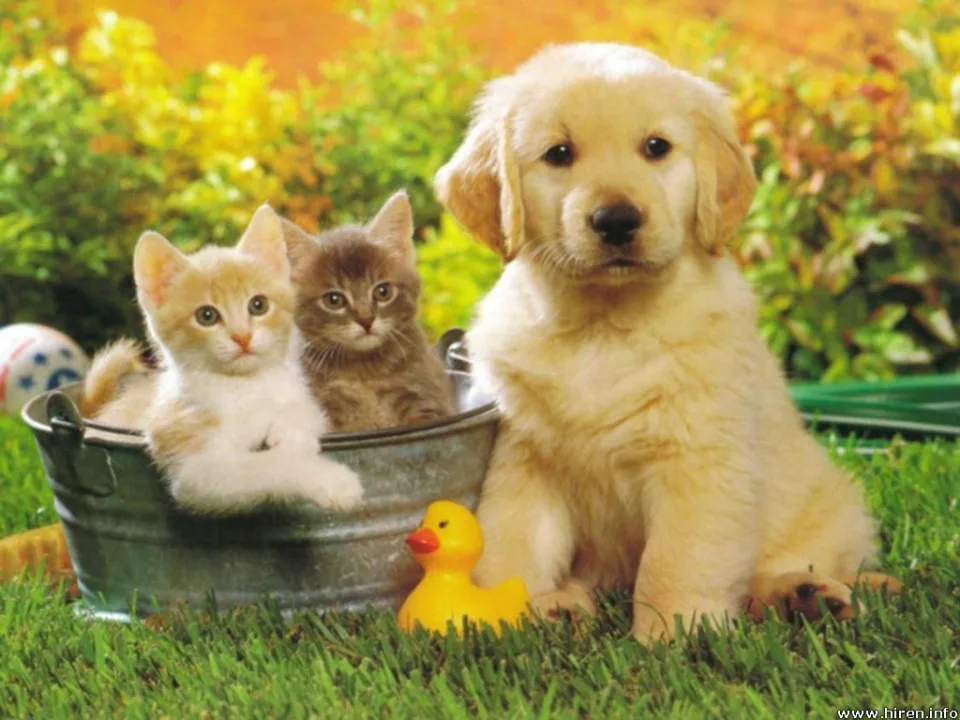
Choosing the Right Pet: A Comprehensive Comparison of Popular Companions
Welcoming a pet into your life is a deeply rewarding experience, offering companionship, joy, and a unique bond. However, the decision of which pet to choose is a significant one, with various species and breeds presenting distinct needs, temperaments, and care requirements. This comprehensive guide aims to equip potential pet owners with the knowledge to make an informed decision by comparing some of the most popular pet categories. We'll delve into their characteristics, care demands, and suitability for different lifestyles, helping you find the perfect furry, feathered, or scaly friend.
Dogs: The Loyal and Energetic Companions
Dogs have long been hailed as "man's best friend," and for good reason. Their unwavering loyalty, playful nature, and eagerness to please make them incredibly popular pets. However, dog ownership is a significant commitment, requiring substantial time, effort, and financial resources.
Breeds and Temperaments
The diversity within the canine species is vast, with hundreds of breeds, each possessing unique traits. Generally, dogs can be categorized by their size, energy levels, and temperament:
- Small Breeds (e.g., Yorkshire Terrier, Chihuahua, Poodle): Often suited for apartment living due to their size. They can be energetic and vocal, requiring consistent training.
- Medium Breeds (e.g., Beagle, Border Collie, Cocker Spaniel): Possess a good balance of energy and adaptability. Many are intelligent and require mental stimulation.
- Large Breeds (e.g., Labrador Retriever, German Shepherd, Golden Retriever): Typically require more space, exercise, and food. They are often gentle giants, but their size demands responsible ownership and training.
- Giant Breeds (e.g., Great Dane, Mastiff, Saint Bernard): Require significant space and specialized care. Their lifespan is often shorter, and they can be prone to certain health issues.
Care Requirements
Owning a dog involves a multifaceted approach to care:
- Exercise: Most dogs need daily physical activity, ranging from short walks to vigorous runs, depending on their breed and energy level.
- Training: Socialization and obedience training are crucial from a young age to ensure a well-behaved companion.
- Grooming: Coat types vary widely, from short and low-maintenance to long and demanding. Regular brushing, bathing, and professional grooming may be necessary.
- Diet: High-quality dog food formulated for their age, size, and activity level is essential.
- Veterinary Care: Routine check-ups, vaccinations, parasite prevention, and prompt attention to any health concerns are vital.
Suitability
Dogs are best suited for individuals or families who:
- Have ample time for exercise, training, and companionship.
- Can provide a safe and stimulating environment, ideally with outdoor space.
- Are prepared for the financial commitment of food, veterinary care, grooming, and potential training classes.
- Are looking for an active, engaged, and loyal member of the family.
Cats: Independent Yet Affectionate Companions
Cats offer a different kind of companionship, often characterized by their independence, grace, and quiet affection. They are a popular choice for those with busy schedules or smaller living spaces.
Breeds and Temperaments
While breed distinctions are less pronounced in cats than in dogs, certain traits are more common:
- Playful and Energetic (e.g., Siamese, Abyssinian): These breeds often remain kitten-like well into adulthood, requiring plenty of toys and interaction.
- Calm and Affectionate (e.g., Ragdoll, Persian): Known for their laid-back personalities and love for cuddling.
- Independent and Reserved (e.g., British Shorthair, Russian Blue): Content with their own company but still appreciate gentle affection.
Regardless of breed, individual personality plays a significant role in a cat's temperament. Many cats are naturally curious, clean, and enjoy routine.
Care Requirements
Cat care is generally less demanding than dog care, but still requires dedication:
- Litter Box Maintenance: Daily scooping and regular full litter changes are essential for hygiene and to prevent accidents.
- Grooming: Most cats are meticulous self-groomers. Long-haired breeds may require regular brushing to prevent matting.
- Diet: High-quality cat food, whether wet or dry, is crucial. Ensure fresh water is always available.
- Enrichment: Provide scratching posts, climbing trees, and interactive toys to satisfy their natural instincts and prevent boredom.
- Veterinary Care: Regular check-ups, vaccinations, and parasite control are necessary. Spaying or neutering is highly recommended.
Suitability
Cats are ideal for:
- Individuals or families with busy schedules who may not have time for daily walks.
- Those living in apartments or smaller homes.
- People who appreciate a more independent yet affectionate pet.
- Owners who value cleanliness and a relatively low-maintenance grooming routine.
Small Animals: Pocket-Sized Pets with Big Personalities
Small animals, including hamsters, guinea pigs, rabbits, and gerbils, offer the joy of pet ownership in a more compact package. They are often popular choices for children under adult supervision or for individuals seeking less demanding pets.
Types and Characteristics
| Pet Type | Average Lifespan | Social Needs | Dietary Needs | Housing Needs |
|---|---|---|---|---|
| Hamsters | 2-3 years | Solitary (most species) | Seeds, grains, some fruits/vegetables | Spacious cage with bedding, wheels, and hiding places |
| Guinea Pigs | 5-7 years | Social (need companions) | Hay, pellets, fresh vegetables (Vitamin C essential) | Large, single-level cage with bedding and hiding places |
| Rabbits | 8-12 years | Social (can be kept in pairs) | Hay (primary), pellets, fresh vegetables | Large hutch or enclosure, free-roam time encouraged |
| Gerbils | 2-4 years | Social (need companions) | Seeds, grains, some fruits/vegetables | Deep bedding for burrowing, secure tank or cage |
Care Requirements
While generally less demanding than dogs or cats, small animals still require specific care:
- Housing: Appropriate-sized cages or enclosures with proper ventilation, bedding, and enrichment items like tunnels and chew toys are crucial.
- Diet: A balanced diet tailored to the specific species is vital. For example, guinea pigs and rabbits require constant access to hay for digestion.
- Handling: Gentle and consistent handling is necessary to build trust and prevent fear or stress.
- Cleanliness: Regular cage cleaning is essential to maintain a healthy environment and prevent odor.
- Veterinary Care: While not always as readily available as for dogs and cats, specialized exotic pet veterinarians are important for check-ups and health issues.
Suitability
Small animals are suitable for:
- Families with children (with strict adult supervision and guidance).
- Individuals seeking a lower-maintenance pet than a dog or cat.
- Those with limited living space.
- People interested in observing unique behaviors like burrowing or foraging.
Birds: Colorful and Intelligent Companions
Birds can be incredibly rewarding pets, known for their intelligence, vocalizations, and vibrant personalities. They offer a different kind of interaction and can become deeply bonded with their owners.
Popular Choices and Traits
- Parakeets (Budgies): Small, energetic, and highly social. Can learn to talk and are relatively easy to care for.
- Cockatiels: Medium-sized birds known for their gentle nature and distinctive crest. Can learn to whistle and mimic sounds.
- Parrots (e.g., African Grey, Amazon, Macaw): Larger, highly intelligent, and long-lived. Require significant social interaction, mental stimulation, and specialized care. Can develop extensive vocabularies.
- Finches and Canaries: Smaller, often kept in groups. Primarily enjoyed for their singing and visual appeal rather than direct interaction.
Care Requirements
Bird ownership involves specific considerations:
- Housing: A spacious cage that allows for flight and stretching is paramount. Perches of varying diameters and safe toys are essential for physical and mental well-being.
- Diet: A balanced diet typically includes high-quality pellets, fresh fruits, vegetables, and occasional seeds (in moderation for some species).
- Socialization: Many birds, especially larger parrots, require daily interaction and mental stimulation to prevent behavioral issues like feather plucking.
- Hygiene: Regular cage cleaning and bathing opportunities are important for their health.
- Veterinary Care: Finding an avian veterinarian is crucial for routine check-ups, health monitoring, and addressing any illness.
Suitability
Birds are a good fit for:
- Individuals or families with time for daily interaction and training.
- Those who appreciate vocalizations and the potential for learning.
- People prepared for the commitment of specialized diets and veterinary care.
- Owners who understand that birds are intelligent creatures requiring mental stimulation.
Fish: Tranquil and Visually Appealing Aquatic Companions
Aquariums can bring a sense of calm and beauty to any home. Fish offer a unique, low-interaction pet experience, focusing on observation and the creation of a thriving aquatic environment.
Types of Aquariums and Fish
- Freshwater Aquariums: The most common type, offering a wide variety of fish species. Examples include:
- Betta Fish: Solitary and visually striking, suitable for smaller tanks (with proper filtration and heating).
- Goldfish: Popular but require larger tanks than often assumed to thrive.
- Tetras, Guppies, Danios: Small, schooling fish that add movement and color to a community tank.
- Saltwater Aquariums: More complex and expensive to set up and maintain, but offer a dazzling array of marine life, including corals and more exotic fish.
Care Requirements
Fishkeeping requires a different skill set than caring for mammals or birds:
- Tank Setup: Proper filtration, heating (for tropical fish), lighting, and substrate are essential. The nitrogen cycle must be established before adding fish.
- Water Quality: Regular water testing for ammonia, nitrite, nitrate, and pH is crucial. Partial water changes are necessary to maintain a healthy environment.
- Diet: High-quality fish food appropriate for the species is important. Overfeeding is a common mistake that can lead to poor water quality.
- Tank Mates: Researching compatibility between fish species is vital to avoid aggression or stress.
- Maintenance: Regular cleaning of the tank, filters, and decorations.
Suitability
Fish are ideal for:
- Individuals seeking a visually appealing and calming pet.
- Those with limited time for direct interaction.
- People who enjoy creating and maintaining intricate ecosystems.
- Individuals who are patient and meticulous with maintenance.
Reptiles and Amphibians: Unique and Fascinating Cold-Blooded Companions
Reptiles and amphibians offer a unique window into a different branch of the animal kingdom. They are often fascinating to observe but require very specific environmental conditions.
Popular Choices and Their Needs
| Pet Type | Average Lifespan | Environmental Needs | Dietary Needs | Handling Considerations |
|---|---|---|---|---|
| Leopard Geckos | 10-20 years | Warm, dry terrarium with hiding spots, specific temperature gradient | Insects (crickets, mealworms), calcium supplements | Docile, can be handled gently |
| Bearded Dragons | 8-15 years | Large terrarium with basking spot, UV-B lighting, specific temperature gradient | Insects, leafy greens, some fruits | Generally docile, enjoy interaction |
| Corn Snakes | 15-20 years | Secure terrarium with temperature gradient, hiding spots | Rodents (frozen/thawed), fed periodically | Docile, easy to handle, good for beginners |
| Frogs (e.g., Pacman Frog, Tree Frogs) | 5-15 years (species dependent) | Specific humidity and temperature, terrarium with water features (depending on species) | Insects, worms | Sensitive skin, handling should be minimal and with wet hands |
Care Requirements
Reptile and amphibian care is highly specialized:
- Enclosure: Creating the correct environment is paramount, including precise temperature gradients, humidity levels, and appropriate substrates.
- Lighting: Many reptiles require specific UV-B lighting to synthesize Vitamin D3, essential for calcium metabolism.
- Diet: Often involves live insects, specialized pelleted diets, or frozen/thawed rodents, depending on the species.
- Handling: While some are amenable to handling, others are best left for observation due to stress or fragility. Always research specific handling protocols.
- Veterinary Care: Finding a qualified exotic veterinarian is essential for proper diagnosis and treatment.
Suitability
Reptiles and amphibians are best for:
- Individuals who are fascinated by these unique creatures and are willing to invest in specialized equipment.
- Those who can commit to maintaining precise environmental conditions.
- People who understand that these pets are often for observation rather than extensive interaction.
- Owners who are meticulous about hygiene due to potential zoonotic diseases.
Making Your Final Decision
Choosing a pet is a deeply personal journey. Consider the following factors when making your decision:
- Your Lifestyle: Are you active and outdoorsy, or do you prefer a more sedentary lifestyle? How much time can you realistically dedicate to a pet each day?
- Living Situation: Do you live in a small apartment or a house with a yard? Are there any breed or pet restrictions in your building?
- Time Commitment: Some pets require more daily attention, training, and exercise than others.
- Financial Resources: Factor in the costs of food, veterinary care, grooming, supplies, and potential emergency expenses.
- Family Dynamics: Do you have young children or other pets? Their safety and well-being are paramount.
- Allergies: Consider potential allergies within your household.
- Your Expectations: What do you hope to gain from pet ownership? Companionship, a training partner, a quiet observer?
By carefully evaluating your circumstances and understanding the needs of different pet categories, you can make a choice that leads to a long, happy, and fulfilling relationship with your new companion.