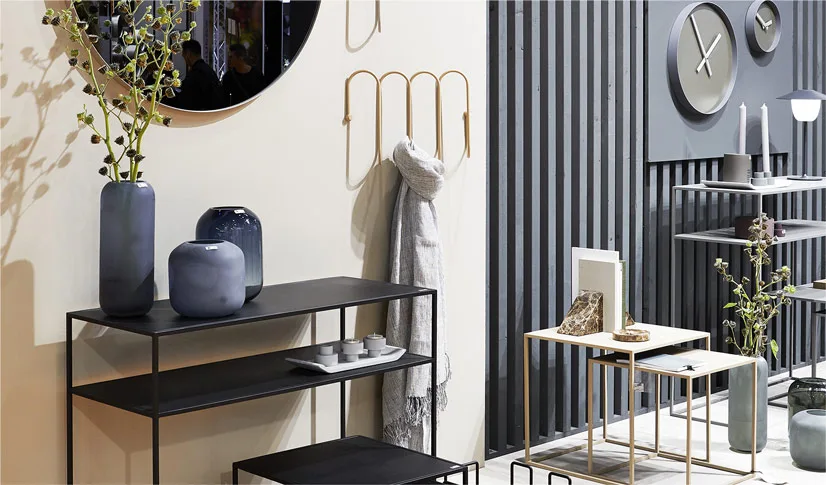
The Ultimate Guide to the Best Home Accessories: Elevate Your Living Space
Transforming your house into a warm, inviting, and stylish home is a journey, and the right home accessories are the essential companions on this path. Far more than mere decorations, these carefully chosen items inject personality, functionality, and comfort into every corner of your dwelling. Whether you're aiming for a minimalist sanctuary, a cozy bohemian retreat, or a sleek modern abode, the world of home accessories offers an endless array of possibilities to reflect your unique taste and enhance your daily life. This comprehensive guide will delve into the most coveted and impactful home accessories, offering insights, tips, and inspiration to help you curate a living space that truly feels like yours.
Understanding the Power of Home Accessories
Before we dive into specific product categories, it's crucial to understand why home accessories hold such significant sway in interior design. They are the finishing touches that tie a room together, adding layers of texture, color, and interest. Accessories can:
- Enhance Aesthetics: They provide the visual appeal that makes a space feel complete and curated. Think of a perfectly placed throw pillow on a sofa or a striking piece of wall art.
- Boost Functionality: Many accessories serve practical purposes, from storage solutions to lighting. A stylish tray can organize your coffee table, while a decorative lamp can provide essential ambient light.
- Inject Personality: Your choice of accessories is a direct reflection of your personality, hobbies, and travels. Souvenirs, books, and unique decorative items tell your story.
- Create Ambiance: Lighting, scents, and soft textiles all contribute to the mood and atmosphere of a room, making it more relaxing, energizing, or romantic.
- Define a Style: Specific types of accessories are strongly associated with particular interior design styles. For instance, macrame plant hangers are quintessential bohemian, while geometric metal sculptures lean towards modern.
Essential Home Accessories for Every Room
Let's explore some of the best home accessories that can make a significant difference across various rooms in your house. We'll focus on categories that offer both style and substance.
Living Room Essentials
The living room is often the heart of the home, a place for relaxation, entertainment, and gathering. The right accessories can elevate this central space.
1. Decorative Pillows and Throws
These are perhaps the most versatile and impactful accessories. They offer instant comfort, a pop of color, and a way to update your sofa or armchair with the changing seasons or your evolving style. Look for a variety of textures – from plush velvet and chunky knits to crisp linen and smooth cotton – to add depth and visual interest.
- Consider: Mixing and matching patterns, colors, and textures for a layered look.
- Tips: Ensure pillow sizes complement your furniture. A mix of square and lumbar pillows often works well. Throws can be casually draped or neatly folded for a more structured feel.
2. Area Rugs
An area rug defines a space, adds warmth underfoot, and can anchor your furniture arrangement. It also plays a crucial role in acoustics, helping to dampen sound. Whether you prefer a bold geometric pattern, a subtle natural fiber weave, or a plush shag, a rug can dramatically change the feel of your living room.
- Consider: The size of your room and furniture layout. The rug should be large enough to accommodate at least the front legs of your main seating pieces.
- Tips: Natural materials like jute, sisal, or wool offer a timeless and durable option. For high-traffic areas, choose rugs with stain-resistant properties.
3. Coffee Tables and Side Tables
Beyond their functional role for holding drinks and remotes, coffee and side tables are prime real estate for showcasing decorative items. Choose materials and shapes that complement your existing furniture – think sleek metal and glass for modern spaces, or warm wood for a more traditional or rustic feel.
- Consider: The height of your sofa and armchairs when selecting coffee tables.
- Tips: Use trays to corral smaller items like remotes, coasters, and decorative objects, keeping the surface tidy.
4. Wall Art and Mirrors
Empty walls can make a room feel unfinished. Wall art, whether it's paintings, prints, photographs, or sculptures, adds personality and focal points. Mirrors, on the other hand, can make a space feel larger and brighter by reflecting light.
- Consider: The scale of your walls and furniture. A gallery wall can be a dynamic way to display a collection of smaller pieces.
- Tips: Hang art at eye level (typically 57-60 inches from the floor to the center of the artwork). Consider the color palette of your room when choosing art.
5. Lighting (Table Lamps and Floor Lamps)
Layered lighting is key to creating a comfortable and inviting atmosphere. Table lamps and floor lamps provide ambient and task lighting, adding warmth and style. Look for designs that complement your decor, from minimalist metal designs to ornate ceramic bases.
- Consider: The overall brightness needed for the room and the style of the lamp shade.
- Tips: Use dimmer switches where possible to control the mood. Consider the height of floor lamps to ensure they provide adequate light for reading or general illumination.
Bedroom Retreats
Your bedroom should be a sanctuary for rest and rejuvenation. Accessories here focus on comfort, tranquility, and personal expression.
1. Bedding and Linens
High-quality bedding is paramount for a good night's sleep. Beyond comfort, your duvet covers, sheets, and pillowcases are major visual elements in your bedroom. Consider natural fabrics like cotton, linen, or bamboo for breathability and softness.
- Consider: Thread count for sheets, but also the weave and material for overall feel.
- Tips: Layering different textures and shades can create a luxurious and inviting bed. Don't forget decorative shams and accent pillows.
2. Decorative Trays and Organizers
Keep your nightstand and dresser clutter-free with stylish trays and organizers. These can hold jewelry, keys, perfumes, or reading glasses, adding a touch of order and elegance.
- Consider: Materials like wood, metal, or ceramic that match your bedroom's aesthetic.
- Tips: A tray on your bed can create a cozy breakfast-in-bed experience.
3. Scented Candles and Diffusers
Aromatherapy can significantly enhance the relaxing ambiance of a bedroom. Choose calming scents like lavender, chamomile, or sandalwood to promote sleep and tranquility.
- Consider: The size of the room when choosing the strength of the scent.
- Tips: Always practice fire safety with candles. Reed diffusers offer a flameless alternative.
4. Plants and Greenery
Bringing nature indoors can purify the air and add a sense of calm. Small potted plants or a larger floor plant can liven up any corner of the bedroom.
- Consider: Plants that thrive in low-light conditions if your bedroom doesn't get much sun.
- Tips: Ensure pots have drainage to prevent root rot.
Kitchen and Dining Delights
These areas are about both functionality and creating an inviting atmosphere for meals and gatherings.
1. Serveware and Utensils
Elevate your dining experience with beautiful serveware, platters, and unique utensils. Whether you're hosting a dinner party or enjoying a quiet meal, the right pieces can make a difference.
- Consider: Materials like ceramic, wood, or stainless steel.
- Tips: Invest in a few versatile pieces that can be dressed up or down.
2. Table Linens
Tablecloths, placemats, and napkins add a touch of elegance and protection to your dining table. They can also introduce color and pattern to your dining space.
- Consider: Easy-to-clean fabrics for everyday use and more formal options for special occasions.
- Tips: Coordinate napkin rings with your tableware for a cohesive look.
3. Kitchen Storage Solutions
Beyond basic cabinets, decorative canisters, spice racks, and utensil holders can add both style and organization to your kitchen countertops and pantry.
- Consider: Matching sets for a unified look.
- Tips: Labeling canisters can be both practical and aesthetically pleasing.
4. Barware Accessories
For those who enjoy entertaining, stylish barware, including cocktail shakers, ice buckets, and unique glassware, can be both functional and decorative.
- Consider: The types of drinks you most commonly serve.
- Tips: A dedicated bar cart can be a stylish and convenient addition.
Bathroom Bliss
Even small spaces like bathrooms can be transformed with thoughtful accessory choices.
1. Towels and Bath Mats
Luxurious, absorbent towels and plush bath mats can turn a utilitarian space into a spa-like retreat. Opt for high-quality materials and colors that complement your bathroom's tile and decor.
- Consider: GSM (grams per square meter) for towel thickness and absorbency.
- Tips: Rolling towels can create a boutique hotel feel.
2. Soap Dispensers and Toothbrush Holders
Ditch the plastic bottles for elegant dispensers and holders made from ceramic, glass, or brushed metal. These small changes can make a big impact on the overall aesthetic.
- Consider: Wall-mounted options to save counter space.
- Tips: Coordinate these items with other bathroom hardware for a cohesive look.
3. Shower Curtains and Bath Accessories
A stylish shower curtain can be a focal point in the bathroom. Complement it with matching bath accessories like waste bins and tissue box covers.
- Consider: Waterproof and mildew-resistant materials.
- Tips: Consider a liner for added protection and ease of cleaning.
4. Decorative Trays and Baskets
Use these to organize toiletries, store spare toilet paper, or display decorative items like small plants or candles.
- Consider: Materials that can withstand moisture, such as wicker or treated wood.
- Tips: Baskets can also be used to conceal less attractive items.
Current Trends in Home Accessories
Staying abreast of trends can help you make informed choices, but remember to always prioritize pieces that resonate with your personal style and will stand the test of time.
1. Biophilic Design Elements
The integration of nature into interior spaces continues to be a dominant trend. This translates to an increased use of natural materials, organic shapes, and, of course, plenty of houseplants.
- Examples: Rattan furniture, wooden accents, stone-look ceramics, and a variety of indoor plants in stylish planters.
2. Sustainable and Eco-Friendly Materials
Conscious consumerism is on the rise, leading to a demand for home accessories made from recycled, upcycled, or sustainably sourced materials. This includes bamboo, recycled glass, organic cotton, and reclaimed wood.
- Look for: Certifications and transparency from brands regarding their material sourcing and production processes.
3. Textured Neutrals
While bold colors are always an option, there's a strong movement towards creating calming and sophisticated spaces using a palette of neutral tones but with an emphasis on texture. Think boucle fabrics, ribbed ceramics, and woven natural fibers.
- Key elements: Layering different shades of beige, cream, grey, and white with varied textures.
4. Statement Lighting
Lighting fixtures are no longer just functional; they are becoming major decorative statements. Oversized pendant lights, sculptural floor lamps, and unique table lamps are used to define spaces and add personality.
- Consider: Materials like brass, black metal, and frosted glass for a modern yet warm feel.
5. Personalization and Craftsmanship
In an age of mass production, there's a growing appreciation for handmade, artisanal, and personalized items. This could include custom-made ceramics, hand-knotted rugs, or unique art pieces that tell a story.
- Benefits: These items add a unique character and a sense of connection to your home.
Tips for Shopping for Home Accessories
Navigating the vast world of home accessories can be exciting. Here are some tips to help you make smart and satisfying purchases:
1. Define Your Style
Before you start browsing, have a clear idea of the aesthetic you want to achieve. Are you drawn to modern, minimalist, bohemian, Scandinavian, or traditional styles? Understanding your preferences will help you narrow down your choices and avoid impulse buys that don't fit.
2. Consider Functionality First
While aesthetics are important, don't overlook the practical purpose of an accessory. A beautiful vase is lovely, but if it's too small to hold your favorite flowers, its appeal diminishes. Think about how an item will be used and if it will genuinely enhance your daily life.
3. Measure Your Space
This is a critical step that is often overlooked. Before buying a rug, artwork, or even a decorative planter, measure the intended space. This will prevent you from purchasing items that are too large or too small, which can throw off the balance of your room.
4. Don't Be Afraid to Mix and Match
While cohesion is important, a room that is too perfectly matched can sometimes feel sterile. Experiment with combining different materials, textures, and even subtle patterns. The key is to create a curated, lived-in feel rather than a showroom look.
5. Invest in Quality Pieces
It's often better to invest in a few high-quality, timeless pieces rather than accumulating many inexpensive items that may not last. Quality accessories can elevate your space and provide lasting enjoyment.
6. Shop Around and Compare
Don't settle for the first thing you see. Explore different retailers, both online and in-store, to compare prices, styles, and quality. Read reviews to get insights from other shoppers.
7. Think About Scale and Proportion
The size of your accessories should be in proportion to the furniture and the room itself. A tiny piece of art on a vast wall will look lost, just as an oversized lamp on a small side table can overwhelm the space.
8. Embrace the Unexpected
Sometimes, the most memorable accessories are those that are a bit quirky or unexpected. Don't be afraid to incorporate items that spark joy or have sentimental value, even if they don't perfectly align with a rigid design rule.
Conclusion: Curating Your Perfect Home
The journey of decorating your home is an ongoing and deeply personal one. Home accessories are the brushstrokes that bring your vision to life, adding layers of comfort, style, and personality to your living spaces. By understanding the impact of each element, exploring the diverse range of options available, staying mindful of current trends, and shopping strategically, you can curate a home that not only looks beautiful but also feels truly yours. From the soft embrace of decorative pillows to the statement of a striking piece of wall art, each accessory plays a vital role in creating a sanctuary that you'll love to come home to, day after day.