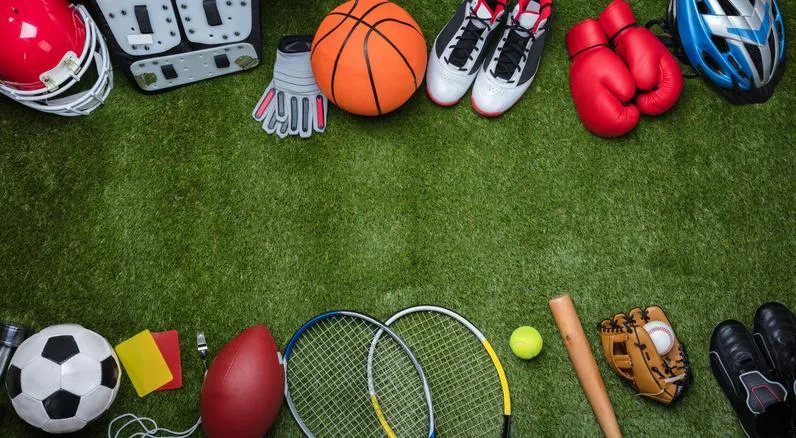
The Ultimate Buyer's Guide to Choosing the Right Sports Gear
The world of sports offers an incredible array of activities, from the adrenaline-pumping thrill of team games to the serene focus of individual pursuits. Whether you're a seasoned athlete looking to upgrade your equipment or a complete beginner stepping onto the field for the first time, selecting the right sports gear is paramount. It's not just about comfort; it's about performance, safety, and ultimately, enjoyment. This comprehensive guide will walk you through the essential considerations when choosing sports products, ensuring you make informed decisions that enhance your athletic journey.
Understanding Your Needs: The Foundation of Smart Shopping
Before diving into specific product categories, the most crucial step is to thoroughly understand your personal needs and the demands of the sport you're engaging in. This foundational understanding will prevent impulse buys and ensure your investment serves you well.
1. Define Your Sport and Skill Level
The type of sport is the primary determinant of the gear you'll require. Are you a runner, a swimmer, a cyclist, a basketball player, a hiker, or a yogi? Each discipline has unique equipment needs.
- Beginner: If you're new to a sport, focus on essential, versatile, and durable gear. You don't need the most advanced or specialized equipment right away. Look for good value and comfort.
- Intermediate: As you progress, you'll develop a better understanding of what features enhance your performance. You might consider gear with specific technologies or improved materials.
- Advanced/Professional: At this level, fine-tuning equipment for maximum performance, specific conditions, and personal biomechanics becomes critical. You'll likely be looking for lightweight, highly responsive, and specialized gear.
2. Consider Your Playing Environment
Where will you be practicing or competing? This significantly impacts your gear choices.
- Indoor vs. Outdoor: Outdoor gear often needs to be more durable, weather-resistant, and provide UV protection. Indoor gear might prioritize breathability and specific surface traction.
- Terrain: For activities like running or cycling, the terrain (road, trail, track) dictates the type of footwear and equipment needed.
- Climate: Extreme heat, cold, or rain will require specific apparel and protective gear.
3. Assess Your Physical Characteristics and Preferences
Your body type, any existing injuries, and personal preferences play a vital role in comfort and effectiveness.
- Fit: This is non-negotiable. Gear that doesn't fit properly can lead to discomfort, reduced performance, and injuries.
- Support: Consider your arch type for footwear, or the level of support needed for joints.
- Weight and Size: Lighter gear can be advantageous for some sports, while others may benefit from more robust construction.
- Aesthetics: While function comes first, personal style can also be a factor in your motivation and enjoyment.
Key Sports Gear Categories and Buying Considerations
Now, let's delve into specific product categories commonly found in the sports niche, outlining what to look for in each.
Footwear: The Foundation of Movement
Athletic footwear is arguably the most critical piece of gear for many sports. The right shoes provide support, cushioning, traction, and protection.
Running Shoes
- Cushioning: Varies from minimal to maximal. Choose based on your preference and the distance you run.
- Support: Neutral shoes for neutral pronators, stability shoes for overpronators, and motion control shoes for severe overpronators.
- Tread: Road shoes have smoother soles for pavement, while trail shoes have aggressive lugs for grip on uneven surfaces.
- Drop: The heel-to-toe drop can influence your running form.
Training Shoes (Cross-Trainers)
Designed for a variety of gym activities, offering a balance of stability for lifting and cushioning for cardio. They generally have a flatter sole than running shoes.
Sport-Specific Shoes
Basketball shoes offer ankle support, tennis shoes provide lateral stability, and soccer cleats are designed for traction on grass. Always opt for shoes designed for your specific sport.
Hiking Boots
- Ankle Support: Low-cut for light trails, mid-cut for more support, and high-cut for rugged terrain and heavy loads.
- Waterproofing: Essential for wet conditions. Look for materials like Gore-Tex.
- Traction: Deep lugs for grip on various surfaces.
- Durability: Often made with leather or robust synthetic materials.
Apparel: Comfort, Performance, and Protection
Sports apparel is designed to enhance comfort, regulate body temperature, wick away moisture, and protect you from the elements.
Moisture-Wicking Fabrics
Look for synthetic materials like polyester, nylon, or specialized blends that pull sweat away from your skin, keeping you dry and preventing chafing. Avoid cotton, which absorbs moisture and becomes heavy.
Layering System
For variable weather conditions, a layering approach is key:
- Base Layer: Wicks moisture away from the skin.
- Mid Layer: Provides insulation (e.g., fleece, down).
- Outer Layer: Protects against wind and rain (e.g., waterproof/windproof jacket).
Compression Wear
Can aid in muscle recovery, improve blood circulation, and provide support. It's popular for running, cycling, and weightlifting.
Protective Gear
Depending on the sport, this can include helmets, pads (knee, elbow, shin), mouthguards, and gloves. Prioritize safety and ensure gear meets relevant standards.
Equipment: Tools of the Trade
This category is vast and sport-dependent, encompassing everything from balls and rackets to weights and yoga mats.
Strength Training Equipment
- Dumbbells/Kettlebells: Essential for free weight training. Consider adjustable options for space-saving.
- Resistance Bands: Versatile, portable, and offer a full-body workout.
- Weight Machines: Offer guided movements for specific muscle groups, often found in gyms.
- Barbells and Plates: For heavier lifting.
Cardio Equipment
- Treadmills: Popular for running and walking indoors. Look for motor power, cushioning, and features like incline.
- Elliptical Trainers: Low-impact cardio that works upper and lower body.
- Stationary Bikes: Offer various types (upright, recumbent, spin) for cardiovascular fitness.
- Rowing Machines: Provide a full-body, low-impact workout.
Sports-Specific Equipment
This includes items like:
- Balls: Basketballs, soccer balls, tennis balls, etc. Consider size, weight, and material.
- Rackets/Paddles: Tennis rackets, badminton rackets, pickleball paddles. Material, weight, and balance are key.
- Bags: Duffel bags, backpacks, specialized sports bags for carrying gear.
- Protective Gear: Helmets, pads, gloves, mouthguards.
Yoga and Pilates Equipment
- Yoga Mats: Thickness, grip, and material (PVC, TPE, natural rubber) are important for comfort and stability.
- Blocks and Straps: Aid in achieving poses and improving flexibility.
- Foam Rollers: For myofascial release and muscle recovery.
Accessories: The Finishing Touches
Accessories can significantly enhance your experience and performance.
Hydration
- Water Bottles: Reusable bottles are eco-friendly. Consider insulated options for keeping drinks cold or hot.
- Hydration Packs: Ideal for endurance activities like running and cycling, allowing for hands-free drinking.
Safety and Visibility
- Reflective Gear: Essential for outdoor activities in low-light conditions.
- Headlamps/Lights: For running or cycling at dawn, dusk, or night.
Fitness Trackers and Smartwatches
Monitor heart rate, track distance, calories burned, and analyze performance metrics. Choose based on the sports you participate in and the data you want to track.
Sports Nutrition and Supplements
While not strictly "gear," proper nutrition is vital for athletic performance and recovery. This includes pre-workout fuels, post-workout recovery drinks, and supplements like protein powder or electrolytes. Always consult with a healthcare professional or registered dietitian before starting any new supplement regimen.
Trends in Sports Gear
The sports industry is constantly evolving, driven by technological advancements and changing consumer preferences.
Sustainability and Eco-Friendly Materials
There's a growing demand for sports products made from recycled materials, organic fabrics, and sustainable production processes. Many brands are actively working to reduce their environmental footprint.
Smart Technology Integration
Wearable technology continues to advance, offering more sophisticated data analysis for athletes. Smart apparel that monitors biometrics and smart equipment that provides real-time feedback are becoming more common.
Personalization and Customization
Athletes are increasingly seeking gear that can be tailored to their specific needs and preferences, from custom-fit shoes to personalized training plans integrated with their equipment.
Minimalism and Versatility
For some, the trend is towards simpler, more minimalist gear that can serve multiple purposes, reducing the need for excessive equipment.
Tips for Buying Sports Gear Online vs. In-Store
Both online and in-store shopping have their advantages when it comes to purchasing sports gear.
In-Store Shopping
- Pros: Ability to try on items (especially footwear and apparel), get expert advice from sales associates, immediate purchase.
- Cons: Limited selection compared to online, potentially higher prices, less convenient for some.
Online Shopping
- Pros: Wider selection, competitive pricing, convenience of shopping from home, access to customer reviews.
- Cons: Cannot try items on before purchase, potential for shipping delays or costs, need to be aware of return policies.
Recommendation: For critical items like shoes, it's often best to try them on in-store to ensure a proper fit, even if you ultimately purchase them online for a better price. For accessories or items where fit is less critical, online shopping can be very efficient.
Maintaining Your Sports Gear for Longevity
Investing in quality sports gear is only half the battle. Proper maintenance will extend the life of your equipment and ensure it continues to perform optimally.
- Clean Regularly: Wash apparel after each use to remove sweat and bacteria. Clean shoes to prevent odor and material degradation.
- Store Properly: Keep gear in a dry, well-ventilated area. Avoid leaving items in damp bags or direct sunlight.
- Follow Manufacturer Instructions: Pay attention to care labels on apparel and specific maintenance guidelines for equipment.
- Inspect for Wear and Tear: Regularly check for damage, loose stitching, worn-out soles, or malfunctioning parts. Address issues promptly to prevent further damage or injury.
- Service Equipment: For items like bicycles or treadmills, periodic professional servicing can ensure they remain in good working order.
Making the Smart Choice for Your Athletic Journey
Choosing the right sports gear is an investment in your health, performance, and overall enjoyment of physical activity. By understanding your needs, researching specific product categories, staying informed about trends, and considering where you shop, you can make confident purchasing decisions. Remember that comfort, safety, and functionality should always be your top priorities. Happy training!