The Ultimate Guide to Choosing Home Accessories: Elevating Your Living Space
Your home is more than just a place to live; it is a reflection of your personality, your tastes, and your lifestyle. While furniture provides the foundation of a room, it is the home accessories that truly breathe life into a space. From decorative cushions and statement mirrors to curated art pieces and functional storage solutions, the right accessories can transform a dull room into a sanctuary of style and comfort.
However, navigating the vast world of home decor can be overwhelming. Without a clear strategy, it is easy to end up with a cluttered, mismatched space. This comprehensive guide will walk you through the art of selecting home accessories, helping you curate a home that feels cohesive, intentional, and uniquely yours.
Understanding the Role of Home Accessories
Home accessories serve two primary purposes: aesthetic enhancement and functional utility. Before you start shopping, it is essential to understand how these elements interact with your existing decor.
- Aesthetic Value: Accessories introduce color, texture, and pattern into a room. They allow you to experiment with trends without committing to expensive furniture pieces.
- Functional Utility: Many accessories, such as baskets, trays, and lighting, serve a purpose while adding beauty. They help organize your life while keeping your space visually appealing.
- Personal Expression: This is where your personality shines. Whether you love minimalist Scandinavian design or eclectic bohemian vibes, accessories are the tools you use to tell your story.
The Golden Rules of Decorating with Accessories
To avoid the "clutter trap," follow these professional interior design principles when selecting and arranging your home accessories.
1. The Rule of Three
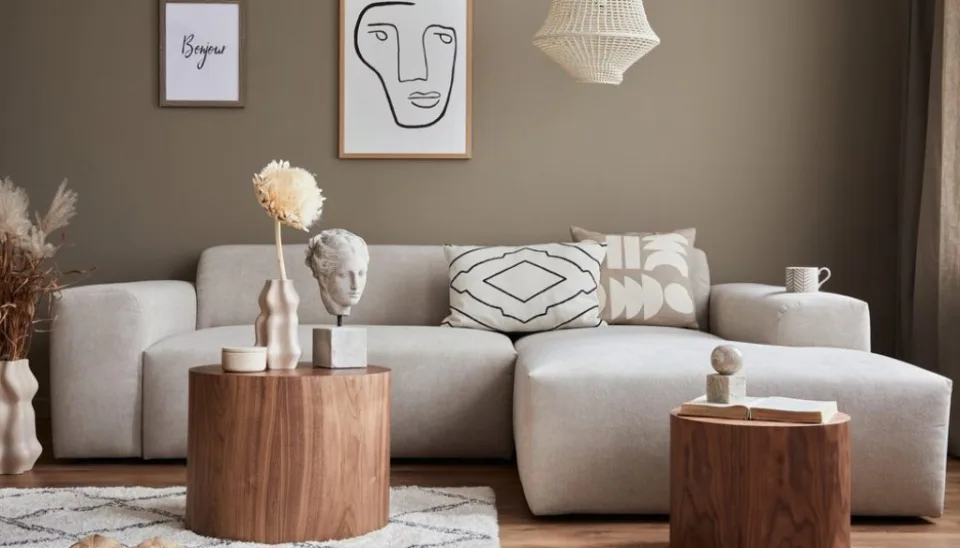
In design, odd numbers are more visually appealing than even numbers. Grouping items in threes creates a balanced and natural look. When styling a coffee table or a mantelpiece, try mixing objects of different heights, shapes, and textures to create a dynamic focal point.
2. Balancing Scale and Proportion
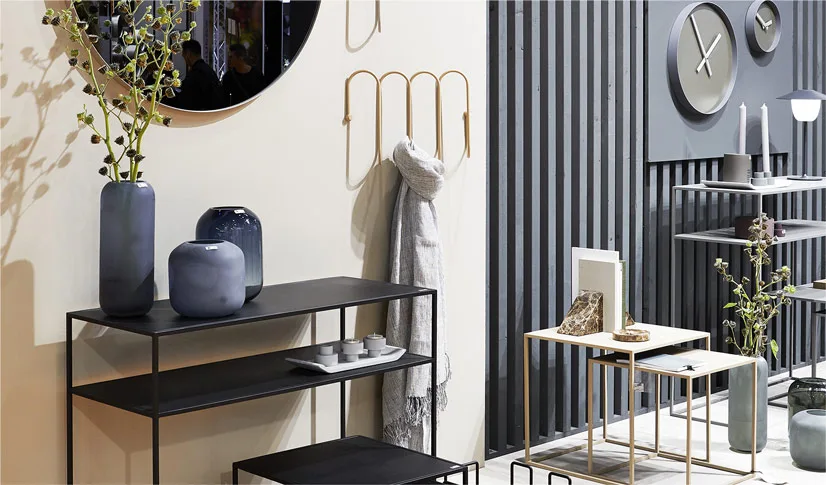
A common mistake is using too many small accessories, which makes a room look cluttered. Instead, mix small, medium, and large items. A large statement piece, such as a floor-standing vase or an oversized wall mirror, acts as an anchor for the room, while smaller pieces provide the necessary detail.
3. Texture is Everything
If your room feels flat, it is likely lacking texture. Home accessories are the perfect way to introduce variety. Think about combining different materials: a smooth ceramic vase next to a rough wooden bowl, or a plush velvet throw blanket draped over a sleek leather sofa. These contrasts create depth and warmth.
Essential Home Accessories for Every Room
Not every room requires the same type of decor. Here is a breakdown of how to approach accessories in the most important areas of your home.
| Room | Must-Have Accessories | Design Goal |
|---|---|---|
| Living Room | Throw pillows, rugs, coffee table books, candles | Comfort and conversation |
| Bedroom | Textured bedding, bedside lamps, wall art | Relaxation and tranquility |
| Kitchen | Decorative jars, wooden boards, stylish fruit bowls | Functional beauty |
| Bathroom | Matching towel sets, vanity trays, indoor plants | Spa-like atmosphere |
How to Choose the Right Color Palette
One of the biggest challenges in buying home accessories is color coordination. If you are unsure where to start, consider these three professional approaches:
The Monochromatic Approach
Choose one base color and use various shades, tints, and textures of that color throughout the room. This creates a sophisticated, calm, and cohesive look that is very easy to manage.
The 60-30-10 Rule
This is a classic interior design ratio. Use your primary color for 60% of the room (usually walls or large furniture), a secondary color for 30% (curtains or accent chairs), and a bold accent color for the final 10% (small accessories like pillows, candles, and vases).
The Neutral Foundation
If you prefer a neutral base, use your accessories to inject color. This is the most cost-effective way to refresh your home. By keeping your furniture neutral, you can swap out colorful rugs, throw pillows, and art pieces as the seasons change or as your personal style evolves.
Identifying Quality vs. Trend-Driven Items
When shopping for home accessories, it is important to distinguish between items that are worth a long-term investment and those that are better kept as budget-friendly, trend-based purchases.
Investment Pieces
These are items that you will likely keep for years. Look for high-quality materials such as solid wood, natural stone, heavy-duty glass, or high-end textiles. Examples include:
- Large mirrors with high-quality frames.
- Hand-woven area rugs.
- Solid metal lighting fixtures.
- Curated original artwork or high-quality prints.
Trend-Driven Pieces
Trends come and go quickly. It is perfectly fine to embrace current fads, but do so with lower-cost items. Examples include:
- Seasonal throw pillow covers.
- Small decorative figurines or trendy ceramics.
- Mass-produced wall art that matches a fleeting color trend.
The Impact of Lighting Accessories
Lighting is often overlooked, but it is perhaps the most important "accessory" in any home. The right lighting can make a small room feel larger and a cold room feel cozy.
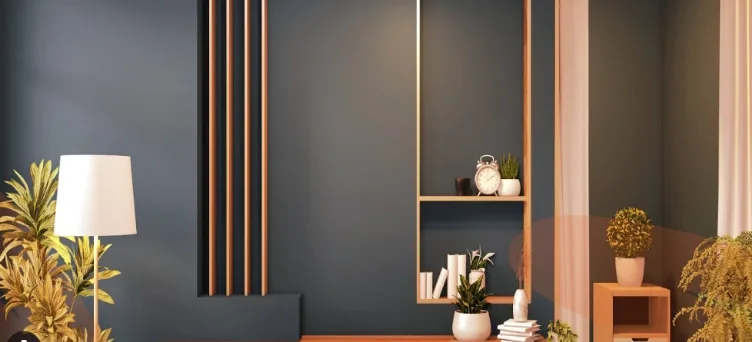
Avoid relying solely on overhead "big light." Instead, layer your lighting. Use table lamps to create pools of warm light, floor lamps to highlight corners, and decorative lanterns or string lights to add ambiance. When choosing lamp bases and shades, treat them as sculptural elements that add to the room’s aesthetic even when they are turned off.
Incorporating Nature into Your Home
Biophilic design—the practice of connecting with nature—is a major trend in home accessories. Plants, stones, and natural woods add organic shapes and life to an indoor environment.
- Indoor Plants: Choose plants that suit your light conditions. Use decorative planters that match your room’s color scheme to tie the look together.
- Natural Materials: Look for accessories made from jute, rattan, bamboo, or wool. These materials introduce tactile warmth that synthetic materials simply cannot replicate.
- Botanical Art: If you don't have a green thumb, use botanical prints or pressed flowers in frames to achieve the same visual connection to nature.
Shopping Tips: Navigating the Market
When you are out shopping for home accessories, keep these practical tips in mind to ensure you make the right choices:
- Measure First: Never buy a large accessory (like a rug or a floor mirror) without measuring your space. A rug that is too small can make a room look disjointed, while a mirror that is too large can overwhelm a wall.
- Check the Quality: Look for seams on textiles, check the stability of lamp bases, and inspect ceramics for hairline cracks. Even if an item is affordable, it should still be well-made.
- Bring a Mood Board: Create a digital or physical mood board of your room. When you see an item you like, compare it to your mood board to see if it truly fits the vision you are trying to achieve.
- Don't Buy Everything at Once: A home should evolve. If you buy everything on the same day, your home will look like a showroom catalog rather than a curated space. Buy items that you truly love over time.
Conclusion: Creating a Space That Feels Like "Home"
Ultimately, the best home accessories are the ones that make you happy. While rules and guidelines are helpful, your home should be a reflection of your own journey. Don't be afraid to mix vintage finds with modern pieces, or to display items that have sentimental value alongside store-bought decor.
By focusing on quality, balancing your textures, and keeping your color palette in mind, you can curate a space that is not only beautiful but also deeply personal. Start small, take your time, and enjoy the process of transforming your living space into a true home.