The Ultimate Guide to Choosing the Perfect Home Accessories
Your home is more than just a structure; it's a sanctuary, a reflection of your personality, and a space where memories are made. While the foundational elements like furniture and paint colors are crucial, it's the carefully curated home accessories that truly elevate a house into a warm, inviting, and stylish haven. These are the finishing touches, the elements that inject character, comfort, and functionality into every room. From the subtle elegance of decorative pillows to the practical charm of organizational solutions, home accessories play a pivotal role in shaping the ambiance and usability of your living space.
Navigating the vast world of home accessories can be both exciting and overwhelming. With an endless array of options, styles, and trends, how do you ensure you're making choices that not only look good but also serve a purpose and stand the test of time? This comprehensive guide is designed to equip you with the knowledge and insights needed to confidently select home accessories that perfectly complement your existing decor, enhance your lifestyle, and transform your house into a home you truly love.
Understanding the Power of Home Accessories
Before diving into the specifics of choosing individual items, it's essential to grasp the overarching impact of home accessories. They are not mere afterthoughts; they are strategic tools that can:
- Define Your Style: Accessories are the easiest and most affordable way to inject your personal style into a room. Whether you lean towards minimalist chic, bohemian warmth, modern industrial, or classic traditional, the right accessories will speak volumes about your aesthetic preferences.
- Enhance Functionality: Beyond their decorative appeal, many home accessories serve practical purposes. Think about the convenience of a stylish tray for corralling remotes, the coziness provided by plush throws, or the organization offered by decorative baskets.
- Create Ambiance: Lighting, textiles, and decorative objects all contribute to the mood of a room. Soft throws and warm lighting can create a cozy atmosphere, while vibrant art and bold accents can inject energy and personality.
- Add Personality and Story: Unique finds, inherited pieces, or souvenirs from travels can tell a story and make your home feel more personal and lived-in. These are the items that spark conversation and create a sense of individuality.
- Balance and Harmony: Accessories can be used to tie together different elements of a room, bridging color palettes, softening hard lines, or adding visual interest to otherwise plain spaces.
Key Categories of Home Accessories to Consider
The term "home accessories" is broad, encompassing a wide range of items. To make the selection process more manageable, let's break them down into key categories:
Textiles: The Soft Touch of Comfort and Style
Textiles are arguably the most impactful category of home accessories, offering both comfort and a significant visual contribution to a room's design. They are excellent for adding color, pattern, texture, and a sense of warmth.
- Decorative Pillows: These are the workhorses of textile accessories. They can instantly update the look of a sofa, armchair, or bed. Consider varying sizes, shapes, textures (velvet, linen, faux fur), and patterns to create visual interest.
- Throws and Blankets: Beyond their primary function of providing warmth, throws draped over furniture add a layer of texture and color. Opt for materials like chunky knits, soft wool, or lightweight cotton depending on the season and desired aesthetic.
- Rugs and Mats: While larger rugs can be considered furniture, smaller accent rugs and doormats are definitely accessories. They define spaces, add warmth underfoot, and introduce patterns and colors to the floor.
- Curtains and Drapes: These not only control light and privacy but also act as large visual elements. The fabric, color, and pattern of your curtains can dramatically alter the feel of a room.
Decorative Objects: Personalizing Your Space
These are the items that truly showcase your personality and interests. They add character, focal points, and a sense of curated style.
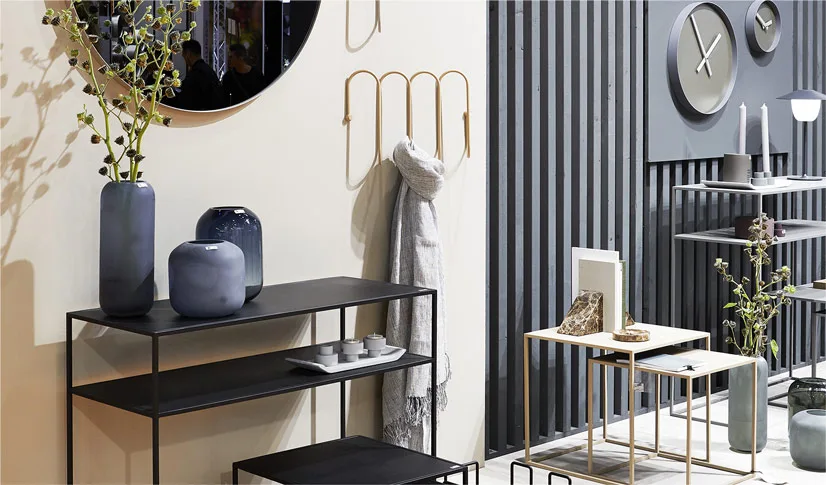
- Vases and Planters: Whether holding fresh flowers, dried botanicals, or simply standing alone, vases and planters add an organic touch and sculptural element. They come in a vast array of materials, from ceramic and glass to metal and wood.
- Candles and Candle Holders: Beyond their ability to create ambiance with light and fragrance, candles and their holders are decorative statements. Consider the style of the holder – modern, rustic, vintage – to match your decor.
- Sculptures and Figurines: Small sculptures or decorative figurines can add a touch of art and personality to shelves, mantels, or side tables. Choose pieces that resonate with you.
- Photo Frames: Displaying cherished memories is a fundamental way to personalize a home. Mix and match frame styles, sizes, and finishes for a dynamic gallery wall or a few well-placed individual frames.
- Wall Art: While larger pieces can be central to a room's design, smaller prints, framed photographs, or decorative wall hangings also fall into the accessory category. They add color, texture, and visual interest to blank walls.
Functional Accessories: Style Meets Utility
These accessories are designed to be both beautiful and practical, making everyday living more organized and efficient.
- Trays: A well-chosen tray is incredibly versatile. Use it on a coffee table to corral remotes and coasters, on an ottoman as a makeshift table, or on a dresser to organize jewelry. Materials range from wood and metal to mirrored surfaces.
- Baskets and Storage Solutions: Decorative baskets are a stylish way to hide clutter. Use them for blankets, magazines, toys, or even as stylish planters. Woven materials, metal wire, and felt are popular choices.
- Coasters: Protect your furniture while adding a small touch of style. Coasters come in countless materials like stone, wood, ceramic, and cork, offering an easy way to introduce subtle patterns or colors.
- Bookends: For the avid reader, stylish bookends can keep your shelves tidy and add a decorative element. They can be minimalist, whimsical, or artistic.
- Decorative Boxes: These are perfect for stashing small items like keys, mail, or personal trinkets, keeping surfaces neat while adding a decorative touch.
Lighting Accessories: Setting the Mood
While lamps are often considered furniture, smaller lighting accessories and the way you use them can significantly impact a room's atmosphere.
- Lamp Shades: Replacing a standard lamp shade with one in a different color, texture, or pattern can instantly refresh a lamp and influence the light quality.
- String Lights: Fairy lights or string lights can add a whimsical and cozy glow to bedrooms, living rooms, or outdoor spaces.
- Lanterns: Decorative lanterns, whether for indoor or outdoor use, cast beautiful patterns of light and add a touch of ambiance.
Tips for Choosing the Right Home Accessories
Now that you understand the different categories, let's delve into the art of selection. Here are some key tips to guide your choices:
1. Consider Your Existing Decor and Style
The most crucial rule is to ensure your accessories complement your existing decor. Don't buy something just because it's trendy if it clashes with your furniture, color palette, or overall style.
- Color Palette: If your room has a neutral base, accessories are your chance to introduce pops of color. If your room is already vibrant, choose accessories that either echo existing colors or provide a grounding neutral contrast.
- Material and Texture: Mix and match materials to add depth. For example, pair smooth ceramic vases with rough-hewn wooden bowls, or soft velvet pillows with a woven rug.
- Scale and Proportion: Ensure the size of your accessories is appropriate for the space. A tiny vase on a large coffee table will look lost, while an oversized sculpture on a small side table will feel overwhelming.
2. Functionality First, Then Form
While aesthetics are important, don't overlook the practical purpose of an accessory. A beautiful tray that doesn't fit your needs is less useful than a slightly plainer one that does.
- Assess Your Needs: What problems are you trying to solve? Do you need more organization? More comfort? A way to display items?
- Prioritize Usefulness: Choose items that will genuinely enhance your daily life. A stylish storage basket is great, but if it's too small to hold what you need, it defeats the purpose.
3. Create Focal Points and Visual Interest
Accessories are perfect for drawing the eye and adding points of interest to a room.
- The Rule of Three: Grouping items in odd numbers (typically three) often creates a more visually appealing arrangement than even numbers.
- Vary Heights: Combine items of different heights to create a dynamic display. For instance, on a shelf, place a tall vase, a medium-sized bookend, and a small decorative object.
- Strategic Placement: Place accessories where they will be noticed – on coffee tables, mantels, console tables, or strategically on shelves.
4. Don't Be Afraid to Mix and Match
A curated look often comes from a blend of different styles, eras, and origins.
- Vintage and Modern: Combine a sleek modern sofa with a vintage Persian rug and antique decorative boxes for a layered, eclectic look.
- High and Low: Mix high-end designer pieces with more affordable finds. The key is to ensure they work together cohesively.
- Personal Touches: Incorporate items that have sentimental value, like inherited pieces or souvenirs from travels. These add a unique story to your home.
5. Consider Lighting's Role
Accessories can enhance or detract from the lighting in a room.
- Reflective Surfaces: Mirrors and metallic accessories can bounce light around, making a room feel brighter and larger.
- Warmth and Ambiance: Candles and soft lighting accessories create a cozy and inviting atmosphere.
- Shadow Play: Consider how the shapes of your decorative objects will cast shadows, especially when lit by ambient or accent lighting.
6. Think Seasonally and Trend-Aware (But Not a Slave to Trends)
While it's good to be aware of current trends, focus on timeless pieces that you'll love for years to come.
- Seasonal Updates: Easily update your decor for different seasons with accessories. Think richer textures and deeper colors for autumn, or lighter, brighter elements for spring and summer.
- Invest in Classics: Opt for timeless designs and quality materials for your core accessories. You can then add trendier pieces as accents that are easier to replace.
Current Trends in Home Accessories
Staying informed about current trends can inspire your choices, but remember to adapt them to your personal style. Here are a few popular trends:
- Biophilic Design: Incorporating elements of nature, such as plants, natural materials (wood, stone, rattan), and earthy color palettes. This trend brings a sense of calm and well-being into the home.
- Textural Richness: A focus on tactile surfaces, with an emphasis on materials like boucle, velvet, chunky knits, woven textures, and faux fur. This adds depth and a cozy feel.
- Sustainable and Eco-Friendly Materials: A growing demand for accessories made from recycled, upcycled, or sustainably sourced materials. This includes natural fibers, reclaimed wood, and recycled glass.
- Bold Colors and Patterns: While neutrals remain popular, there's a resurgence of vibrant colors and eye-catching patterns in cushions, rugs, and decorative objects, adding personality and energy.
- Artisanal and Handmade: A renewed appreciation for unique, handcrafted items that tell a story and showcase craftsmanship. This includes ceramics, hand-blown glass, and macrame.
- Curated Vintage Finds: The hunt for unique vintage and antique pieces continues, adding character and a sense of history to modern interiors.
How to Style Your Home Accessories Effectively
Simply acquiring beautiful accessories isn't enough; how you arrange and style them is key to achieving a polished look.
- Shelf Styling: When styling shelves, vary the heights and types of objects. Leave some empty space to avoid a cluttered look. Mix books with decorative items.
- Coffee Table Vignettes: Create a small curated display on your coffee table. A tray can anchor this arrangement, holding items like a stack of books, a candle, and a small plant or decorative object.
- Gallery Walls: For a more impactful statement, create a gallery wall using a mix of art, photos, and even small decorative objects. Ensure a cohesive theme or color palette.
- Layering Textures: In a living room, layer a throw over a sofa, add decorative pillows, and place a textured rug underneath. This creates a rich and inviting feel.
- Consider the "Negative Space": Don't feel the need to fill every surface. Empty space, or negative space, is important for allowing your accessories to breathe and be appreciated.
A Practical Checklist for Buying Home Accessories
To make your shopping experience more efficient and ensure you're making smart choices, use this checklist:
| Consideration | Questions to Ask Yourself | Notes |
|---|---|---|
| Style Compatibility | Does this item match my existing decor style (modern, rustic, bohemian, etc.)? | |
| Color Palette | Does the color complement or contrast effectively with my room's existing colors? | |
| Material and Texture | What material is it made of? Does it add desirable texture? | |
| Scale and Proportion | Is the size appropriate for the intended space? Will it look too big or too small? | |
| Functionality | Does it serve a practical purpose? How will it enhance my daily life? | |
| Durability and Quality | Is it well-made? Will it last? What is the material quality? | |
| Budget | Does it fit within my allocated budget for this item or category? | |
| Uniqueness and Personality | Does it reflect my personal taste? Does it add character to the space? | |
| Versatility | Can it be used in multiple ways or in different rooms? | |
| Trend Relevance (Optional) | Is this a fleeting trend, or a piece with lasting appeal? |
Conclusion: The Art of Accessorizing Your Home
Choosing home accessories is a journey of personal expression and thoughtful design. By understanding the power of these elements, exploring the diverse categories available, and applying practical tips for selection and styling, you can transform your living space into a more comfortable, functional, and aesthetically pleasing environment. Remember that your home accessories are not just decorative items; they are the storytellers of your home, the enhancers of your lifestyle, and the final touches that make a house truly feel like yours. Embrace the process, have fun experimenting, and enjoy creating a home that you love to live in.
