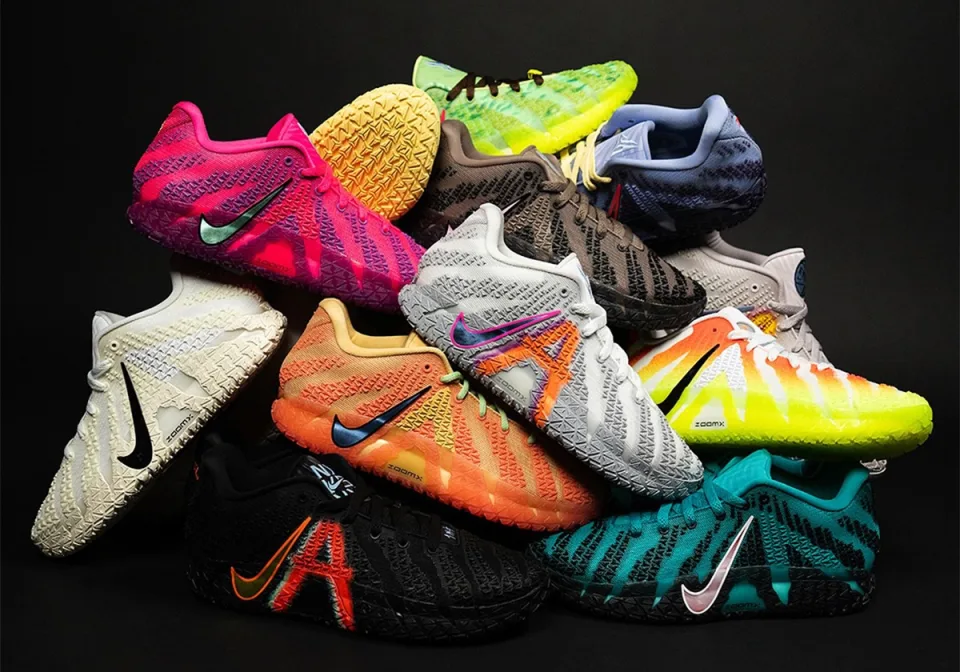
The Ultimate Guide to Choosing the Perfect Pair of Shoes: A Comprehensive Comparison
In the vast and ever-evolving world of footwear, selecting the ideal pair of shoes can feel like navigating a labyrinth. From athletic performance to everyday comfort and sophisticated style, the choices are endless, and each type of shoe serves a distinct purpose. This guide delves into a comprehensive comparison of popular shoe categories, offering insights to help you make informed decisions for every occasion and need. Whether you're a seasoned shoe enthusiast or a novice looking for practical advice, understanding the nuances between different types of footwear is crucial for both your comfort and your style.
Understanding Your Footwear Needs: A Foundational Step
Before diving into specific shoe comparisons, it's essential to identify your primary needs. Are you prioritizing athletic performance, seeking all-day comfort for a demanding job, or looking to elevate your fashion statement? Your lifestyle, activities, and personal preferences will heavily influence the best shoe choices for you. Consider factors such as:
- Activity Level: Are you an athlete, a daily walker, or someone who spends most of their time sitting?
- Environment: Will you be wearing these shoes primarily indoors, outdoors, in wet or dry conditions?
- Comfort Requirements: Do you need significant cushioning, arch support, or a wide fit?
- Style Preferences: Are you aiming for casual, formal, sporty, or a blend of styles?
- Durability and Maintenance: How long do you expect the shoes to last, and how much effort are you willing to put into their care?
By clarifying these aspects, you can narrow down the vast array of options and focus on the shoe categories that best align with your individual requirements.
Athletic Footwear: Performance Meets Precision
Athletic shoes are engineered for specific sports and activities, offering specialized support, cushioning, and traction. The key to choosing the right athletic shoe lies in matching its design to the demands of your chosen sport.
Running Shoes: The Foundation of Speed and Endurance
Running shoes are designed to absorb impact, provide stability, and propel you forward. They vary significantly based on running style, terrain, and individual biomechanics.
Key Features and Considerations:
- Cushioning: The amount and type of cushioning impact shock absorption and energy return. Neutral runners might prefer more responsive cushioning, while heavier runners or those with joint issues may benefit from maximalist cushioning.
- Support/Stability: Shoes are categorized as neutral, stability, or motion control. Neutral shoes offer flexibility and cushioning for runners with a neutral gait. Stability shoes incorporate features to help control mild overpronation (inward rolling of the foot). Motion control shoes are for severe overpronation.
- Drop: The heel-to-toe drop refers to the difference in height between the heel and the forefoot. Lower drops encourage a more natural foot strike, while higher drops can offer more heel cushioning.
- Outsole: The tread pattern and rubber compound determine grip and durability on different surfaces (road, trail).
Comparison: Road vs. Trail Running Shoes
While both are designed for running, their construction differs significantly:
| Feature | Road Running Shoes | Trail Running Shoes |
|---|---|---|
| Outsole | Smoother, flatter, with less aggressive lugs for grip on pavement. | Deeper, more aggressive lugs for superior traction on uneven, muddy, or rocky terrain. |
| Upper | Lightweight, breathable mesh for ventilation. | More durable materials, often with reinforced toe caps and water-resistant treatments to protect against debris and elements. |
| Midsole | Focus on cushioning and shock absorption for hard surfaces. | Often includes a rock plate for protection against sharp objects underfoot. Cushioning may be tuned for responsiveness on varied terrain. |
| Flexibility | Generally more flexible for a smoother stride on consistent surfaces. | Can be less flexible to provide more stability and protection on unpredictable terrain. |
Training Shoes (Cross-Trainers): Versatility for Varied Workouts
Training shoes are designed for a wide range of activities, including weightlifting, cardio, and general gym workouts. They offer a balance of support, stability, and flexibility.
Key Features and Considerations:
- Flat, Stable Sole: Provides a solid base for lifting weights and performing lateral movements.
- Lateral Support: Features that help secure the foot during side-to-side movements.
- Moderate Cushioning: Enough to absorb impact during cardio but not so much that it compromises stability for lifting.
- Durability: Built to withstand the rigors of various training routines.
Comparison: Training Shoes vs. Running Shoes
The fundamental difference lies in their primary purpose:
- Training Shoes: Emphasize stability and lateral support for a variety of gym activities.
- Running Shoes: Prioritize cushioning and forward propulsion for linear running motion. Using running shoes for weightlifting can lead to instability and increased risk of injury.
Court Shoes: Agility and Support for Dynamic Sports
Sports like tennis, basketball, and volleyball require shoes that offer excellent grip, ankle support, and the ability to make quick, multidirectional movements.
Key Features and Considerations:
- Non-Marking Outsole: Crucial for indoor courts to prevent scuff marks.
- Lateral Support: Reinforced sides and lacing systems to keep the foot secure during side-to-side actions.
- Ankle Support: Higher-cut options are available for sports that involve significant jumping and quick stops.
- Durability: Built to withstand the constant friction and stress of court play.
Casual Footwear: Comfort and Style for Everyday Life
Casual shoes are designed for comfort, style, and everyday wear. They bridge the gap between athletic performance and formal attire, offering a wide spectrum of designs.
Sneakers/Athleisure Shoes: The Modern Staple
Once purely for athletic use, sneakers have evolved into a dominant force in casual fashion. They offer a blend of comfort, style, and versatility.
Key Features and Considerations:
- Cushioning: Varies from minimal to substantial, depending on the design and intended use.
- Materials: Often made from canvas, leather, mesh, or synthetic materials, influencing breathability and durability.
- Style: Range from minimalist low-tops to chunky high-tops, with countless colorways and design variations.
- Versatility: Can be paired with jeans, shorts, athleisure wear, and even some casual dresses or skirts.
Comparison: Lifestyle Sneakers vs. Performance Sneakers
While visually similar, their underlying construction differs:
| Feature | Lifestyle Sneakers (Athleisure) | Performance Sneakers (Original Athletic Purpose) |
|---|---|---|
| Cushioning & Support | Primarily focused on comfort and aesthetics; may lack specialized support for intense activity. | Engineered with specific cushioning technologies and support structures for a particular sport. |
| Durability | Materials may be chosen for style and comfort over extreme durability. | Built to withstand the stresses and strains of athletic performance. |
| Outsole | Often designed for everyday traction and durability on various surfaces. | Tailored for specific sports – e.g., grippy for courts, durable for roads. |
| Weight | Can sometimes be heavier due to design elements and materials. | Often designed to be lightweight for optimal performance. |
Loafers and Moccasins: Effortless Elegance
These slip-on shoes are known for their comfort and sophisticated yet relaxed aesthetic. They are a popular choice for smart-casual and business-casual settings.
Key Features and Considerations:
- Slip-on Design: Easy to wear and remove.
- Materials: Typically crafted from soft leather or suede, offering a comfortable and pliable fit.
- Construction: Moccasins are characterized by their distinctive stitching around the vamp. Loafers often feature a saddle or strap across the vamp.
- Versatility: Can be dressed up with chinos or dress pants, or down with jeans.
Comparison: Penny Loafers vs. Driving Moccasins
While both are slip-ons, they have distinct origins and uses:
- Penny Loafers: Traditionally feature a strap with a cut-out across the vamp, historically used to hold a penny. They offer a more formal, classic look suitable for business-casual and smart-casual outfits.
- Driving Moccasins: Characterized by a flexible sole and often a rubber-nubbed outsole that extends up the heel. They were originally designed for comfort and grip while driving, offering a more relaxed and casual vibe.
Boots: From Practicality to Fashion Statement
Boots encompass a vast category, ranging from rugged work boots to sleek fashion boots. Their primary function can be protection, warmth, or style.
Key Features and Considerations:
- Height: From ankle boots to knee-high or even thigh-high.
- Materials: Leather, suede, synthetic materials, rubber.
- Closure: Laces, zippers, buckles, or slip-on.
- Sole: Varies from thin dress soles to thick, lugged soles for traction and durability.
Comparison: Work Boots vs. Fashion Boots
The purpose dictates the design:
| Feature | Work Boots | Fashion Boots |
|---|---|---|
| Durability & Protection | Built for heavy-duty use, often with reinforced toes (steel or composite), puncture-resistant soles, and waterproof materials. | Focus on aesthetics and comfort; may offer some weather resistance but generally less robust protection. |
| Sole & Traction | Thick, lugged outsoles for maximum grip on varied and often slippery surfaces. | Soles vary widely, from thin dress soles to moderate treads, designed for style and everyday traction. |
| Comfort | Engineered for long hours of wear, with good support and cushioning, though they can be stiff initially. | Comfort is important, but the design prioritizes visual appeal. |
| Style | Rugged, utilitarian aesthetic. | Highly varied, from sleek and minimalist to embellished and trendy. |
Dress Shoes: Polishing Your Formal and Business Attire
Dress shoes are designed to complement formal and business attire, exuding sophistication and professionalism.
Oxfords: The Epitome of Formal Footwear
Oxfords are characterized by their closed lacing system, where the shoelace eyelets are attached underneath the vamp. This design contributes to a sleek and formal appearance.
Key Features and Considerations:
- Lacing System: Closed lacing is the defining feature.
- Toe Cap: Can be plain-toed, cap-toed, wing-tipped, or have other decorative perforations.
- Sole: Typically leather, though rubber soles are also common for added durability and grip.
- Occasion: Suitable for business meetings, formal events, and weddings.
Derbies (Bluchers): A Versatile Business-Casual Option
Derbies feature an open lacing system, where the shoelace eyelets are attached on top of the vamp. This offers a slightly more relaxed feel than Oxfords.
Key Features and Considerations:
- Lacing System: Open lacing provides more adjustability and a slightly less formal look.
- Versatility: Can be worn with suits, but also pairs well with blazers and chinos for business-casual settings.
- Style Variations: Similar to Oxfords, they come in various toe cap styles and finishes.
Comparison: Oxfords vs. Derbies
The primary distinction lies in the lacing system and its impact on formality:
| Feature | Oxfords | Derbies (Bluchers) |
|---|---|---|
| Lacing System | Closed lacing (eyelets underneath the vamp) – more formal. | Open lacing (eyelets on top of the vamp) – less formal, more adjustable. |
| Formality Level | Highest level of formality, ideal for the most formal occasions. | Versatile, suitable for business, business-casual, and even some smart-casual events. |
| Silhouette | Generally sleeker and more streamlined. | Can appear slightly bulkier due to the open lacing. |
| Best For | Black tie events, formal business suits, weddings. | Everyday business wear, suits, blazers with trousers. |
Monk Straps: A Distinctive Statement
Monk straps replace laces with one or more buckles and straps across the vamp. They offer a stylish alternative to traditional lace-ups.
Key Features and Considerations:
- Buckles and Straps: Single, double, or even triple monk straps are common.
- Formality: Generally considered less formal than Oxfords but more formal than loafers. Double monk straps are the most popular and versatile.
- Style: Can range from sleek and polished to more rugged with broguing.
Specialty Footwear: Addressing Niche Needs
Beyond the broad categories, certain shoes are designed for very specific purposes or environments.
Waterproof and Outdoor Shoes: Prepared for the Elements
These shoes are built to withstand wet conditions, provide traction on slippery surfaces, and offer protection from the elements.
Key Features and Considerations:
- Waterproofing: Gore-Tex or similar membranes are common.
- Traction: Aggressive lug patterns on the outsole for grip on mud, snow, and rocks.
- Durability: Robust materials to resist abrasion and wear.
- Insulation: Some options include insulation for cold-weather performance.
Comparison: Hiking Boots vs. Waterproof Casual Shoes
The primary difference is the level of support and ruggedness:
- Hiking Boots: Offer superior ankle support, stiffer soles for stability on uneven terrain, and robust protection for long treks.
- Waterproof Casual Shoes: Designed for everyday wear in wet conditions, prioritizing comfort and style over the extreme support and durability of hiking boots.
Making the Final Decision: Tips for Buying Shoes
Regardless of the category, a few universal tips can help you find the perfect pair:
- Try Them On: Always try shoes on before purchasing. Wear the type of socks you would typically wear with them.
- Shop Later in the Day: Your feet tend to swell throughout the day, so shopping in the afternoon or evening ensures a more accurate fit.
- Check for Fit: Ensure there's about a thumb's width of space between your longest toe and the end of the shoe. The heel should not slip excessively.
- Consider Your Arch Type: Different arch types (high, normal, flat) benefit from different types of support.
- Read Reviews: Online reviews can provide valuable insights into comfort, durability, and sizing.
- Don't Rely Solely on Size: Shoe sizing can vary significantly between brands and even models within the same brand. Focus on how the shoe feels.
- Inspect for Quality: Look for even stitching, well-attached soles, and quality materials.
Choosing the right shoes is an investment in your comfort, health, and personal style. By understanding the distinct characteristics and purposes of various footwear categories, you can confidently select pairs that will serve you well, whether you're conquering a mountain trail, navigating a busy workday, or simply enjoying a leisurely stroll.