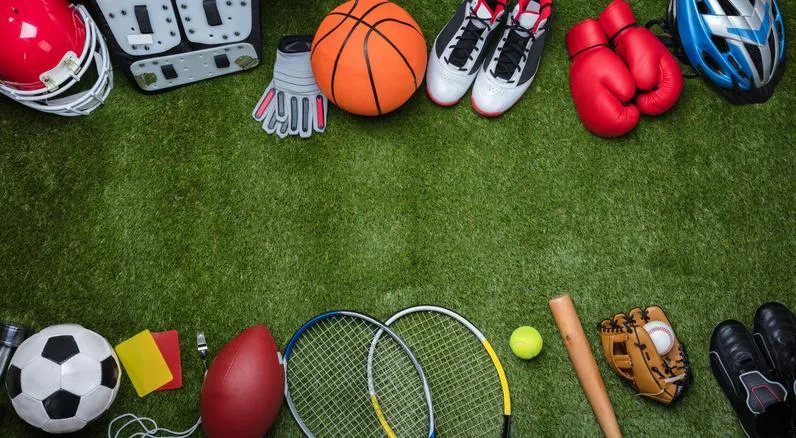
The Ultimate Guide to Finding the Best Sports Gear and Experiences
In the dynamic world of sports, staying ahead of the curve isn't just about athletic prowess; it's also about having the right equipment, understanding emerging trends, and making informed decisions. Whether you're a seasoned athlete, a weekend warrior, or a passionate fan, this comprehensive guide will equip you with the knowledge to discover the best sports products, optimize your training, and embrace the ever-evolving landscape of athletic pursuits. We'll delve into a wide array of categories, offering actionable tips, insightful advice, and a roadmap to navigating the vast market of sports-related offerings.
Unveiling the Best Sports Products: A Comprehensive Breakdown
The foundation of any successful sporting endeavor lies in the quality of your gear. From the shoes on your feet to the technology that tracks your performance, the right products can significantly impact your comfort, efficiency, and enjoyment. This section explores some of the most sought-after sports product categories, providing guidance on what to look for and how to make the best choices.
Footwear: The Cornerstone of Athletic Performance
Your feet are your primary connection to the ground, and the right footwear is paramount. The type of sport you engage in will dictate the specific demands placed on your shoes. Here's a look at some key categories:
- Running Shoes: Designed for shock absorption, cushioning, and propulsion. Key considerations include pronation control (neutral, overpronation, supination), terrain (road vs. trail), and desired level of cushioning. Look for breathable materials and a secure fit.
- Training Shoes: Versatile for gym workouts, cross-training, and lighter cardio. They offer a balance of stability, flexibility, and support for a variety of movements.
- Court Shoes: Essential for sports like basketball, tennis, and volleyball. These shoes provide excellent lateral support, traction for quick pivots, and ankle stability to prevent injuries.
- Cleats: Crucial for field sports such as soccer, football, and baseball. The type and configuration of cleats vary significantly based on the sport and playing surface to maximize grip and agility.
- Hiking Boots: Built for rugged terrain, offering ankle support, waterproofing, and aggressive outsoles for superior traction.
Tips for Choosing the Best Footwear:
- Know Your Foot Type: Understand your arch height and pronation.
- Consider the Surface: Different surfaces require different sole designs.
- Prioritize Fit: Ensure a snug but not constricting fit. Allow for toe room.
- Read Reviews: User feedback can provide valuable insights into durability and performance.
- Try Before You Buy: If possible, try on shoes at the end of the day when your feet are slightly swollen.
Apparel: Comfort, Performance, and Style
Sports apparel has evolved far beyond basic cotton. Modern athletic wear is engineered to enhance performance, manage moisture, and provide optimal comfort.
- Moisture-Wicking Fabrics: These synthetic materials draw sweat away from your skin, keeping you dry and preventing chafing. Look for terms like "dri-fit," "climalite," or "AEROREADY."
- Compression Gear: Tight-fitting apparel designed to improve blood circulation, reduce muscle fatigue, and aid in recovery.
- Layering Systems: For outdoor activities, a layering approach is key. Base layers wick moisture, mid-layers provide insulation, and outer layers offer protection from the elements.
- Sport-Specific Designs: Apparel tailored for specific sports often incorporates features like reinforced seams, ventilation panels, or ergonomic cuts for freedom of movement.
Tips for Choosing the Best Apparel:
- Understand the Climate: Choose materials appropriate for the weather conditions.
- Focus on Breathability: Essential for preventing overheating during intense activity.
- Consider Durability: Look for well-constructed garments that can withstand repeated use and washing.
- Embrace Versatility: Some pieces can be used across multiple sports or activities.
Fitness Trackers and Smartwatches: Your Personal Performance Coach
Technology has become an indispensable tool for athletes of all levels. Fitness trackers and smartwatches offer invaluable insights into your workouts and overall health.
- Activity Tracking: Monitors steps, distance, calories burned, and active minutes.
- Heart Rate Monitoring: Provides real-time data on your cardiovascular exertion, crucial for training intensity.
- GPS Tracking: Essential for runners, cyclists, and hikers to map routes and track pace.
- Sleep Tracking: Analyzes sleep patterns to help you understand recovery and optimize rest.
- Workout Modes: Dedicated modes for various sports offer tailored metrics and analysis.
- Smart Features: Notifications, music control, and contactless payments add convenience.
Tips for Choosing the Best Fitness Tracker/Smartwatch:
- Define Your Needs: What metrics are most important to you?
- Battery Life: Consider how often you're willing to charge.
- Durability and Water Resistance: Essential for active lifestyles.
- App Ecosystem: Ensure compatibility with your preferred fitness apps.
- Display Readability: Important for checking stats during workouts.
Strength Training Equipment: Building Power and Resilience
For those focused on building strength and muscle, the right equipment is crucial.
- Dumbbells and Kettlebells: Versatile for a wide range of exercises, offering progressive overload options.
- Resistance Bands: Portable and affordable, providing variable resistance for strength and rehabilitation.
- Weight Machines: Offer guided movements and targeted muscle engagement, often found in commercial gyms.
- Barbells and Weight Plates: The cornerstone of compound lifts like squats, deadlifts, and bench presses.
- Gym Flooring: Protects your floor and equipment, and provides a stable surface.
Tips for Choosing the Best Strength Training Equipment:
- Space Availability: Assess how much space you have for equipment.
- Budget: Equipment costs can vary significantly.
- Training Goals: Tailor your choices to your specific strength objectives.
- Safety Features: Look for equipment with built-in safety mechanisms.
Recovery Tools: Enhancing Performance Through Restoration
Recovery is as vital as training itself. The right tools can accelerate muscle repair, reduce soreness, and prevent injuries.
- Foam Rollers: Used for self-myofascial release to alleviate muscle tightness and improve flexibility.
- Massage Guns: Provide percussive therapy to target deep muscle tissue, promoting blood flow and reducing soreness.
- Compression Boots: Apply pneumatic pressure to limbs, aiding in lymphatic drainage and reducing swelling.
- Epsom Salts: For soothing baths that can help relax muscles and reduce inflammation.
Tips for Choosing the Best Recovery Tools:
- Identify Your Recovery Needs: Are you dealing with general soreness or specific tight spots?
- Ease of Use: Some tools require more practice than others.
- Portability: Consider if you need tools for travel or on-the-go use.
Navigating the Latest Sports Trends: Staying Ahead of the Game
The sports world is in constant flux, with new disciplines, training methodologies, and technological advancements emerging regularly. Staying informed about these trends can help you discover new passions, optimize your training, and connect with the broader sports community.
The Rise of Functional Fitness
Functional fitness emphasizes movements that mimic everyday activities, focusing on core strength, balance, and coordination. This approach is gaining traction for its ability to improve overall physical readiness and reduce the risk of injury in daily life and sports.
The Growth of Outdoor and Adventure Sports
With an increasing emphasis on well-being and connection with nature, outdoor and adventure sports are booming. Activities like trail running, mountain biking, rock climbing, and paddleboarding offer a unique blend of physical challenge and natural immersion.
Personalized Training and Data-Driven Performance
The integration of technology has led to a surge in personalized training programs. Athletes are leveraging data from wearables and specialized apps to tailor their workouts, monitor progress, and fine-tune their performance with unprecedented precision.
Mindfulness and Mental Training in Sports
Beyond physical conditioning, the importance of mental fortitude is gaining recognition. Techniques like mindfulness, visualization, and meditation are being incorporated into training regimens to enhance focus, manage pressure, and improve resilience under stress.
The Evolution of Esports
While not traditional physical sports, esports have exploded in popularity, offering a competitive arena for video game enthusiasts. This trend highlights the evolving definition of athletic competition and the rise of digital sportsmanship.
Buying Guides: Making Informed Decisions in the Sports Niche
With a plethora of options available, making informed purchasing decisions can be daunting. This section provides practical advice to help you navigate the buying process for various sports-related items.
Understanding Product Specifications and Features
Before making a purchase, take the time to understand the technical specifications and unique features of a product. For example, when buying a tent, consider its waterproof rating, pole material, and capacity. For a bicycle, understand frame materials, gear ratios, and suspension types.
The Importance of Reviews and Expert Opinions
Don't underestimate the power of user reviews and expert opinions. Websites, forums, and specialized publications often provide in-depth reviews and comparisons that can highlight the pros and cons of different products. Look for reviews from individuals with similar needs and experience levels.
Considering Durability and Longevity
Investing in high-quality, durable sports gear can save you money in the long run. While initial costs might be higher, well-made products will withstand the rigors of training and use, requiring fewer replacements.
Budgeting for Sports Equipment
Set a realistic budget before you start shopping. Prioritize essential items and consider starting with more affordable options if you're new to a sport. As your commitment and skill level grow, you can then invest in higher-end equipment.
Where to Find the Best Deals and Value
Finding the best value often involves a combination of research and strategic shopping.
| Shopping Strategy | Benefits | Considerations |
|---|---|---|
| Seasonal Sales: | Significant discounts on previous season's models. | Limited selection of sizes and colors. |
| Outlet Stores: | Discounted prices on branded items. | May have minor imperfections or be last season's stock. |
| Online Marketplaces: | Wide variety of options, competitive pricing, user reviews. | Risk of counterfeit products, need to verify seller reputation. |
| Price Comparison Websites: | Easily compare prices across multiple retailers. | May not always include all retailers or the most up-to-date pricing. |
| Used Gear Market: | Highly affordable, sustainable option. | Requires careful inspection for wear and tear, potential for hidden damage. |
Tips for Maximizing Your Sports Experience
Beyond acquiring the best gear and staying abreast of trends, several fundamental tips can elevate your overall sports experience.
Set Realistic Goals and Track Your Progress
Having clear, achievable goals provides direction and motivation. Regularly track your progress to see how far you've come and to identify areas for improvement. This could involve logging workouts, monitoring personal bests, or simply noting how you feel after each session.
Prioritize Proper Warm-up and Cool-down
Never underestimate the importance of a thorough warm-up before any physical activity and a dedicated cool-down afterward. A warm-up prepares your muscles and cardiovascular system for exertion, reducing the risk of injury. A cool-down helps your body gradually return to its resting state, aiding in recovery.
Listen to Your Body and Prevent Overtraining
Your body sends signals when it needs rest. Pushing yourself too hard for too long can lead to burnout, injury, and decreased performance. Learn to recognize the signs of fatigue and overtraining, and don't be afraid to take rest days when necessary.
Stay Hydrated and Nourished
Proper hydration and nutrition are the cornerstones of athletic performance and recovery. Ensure you're drinking enough water throughout the day, especially before, during, and after exercise. Fuel your body with a balanced diet rich in whole foods.
Find a Training Partner or Join a Community
Having a training partner can provide accountability, motivation, and a sense of camaraderie. Joining a sports club, team, or online community can also offer valuable support, shared experiences, and opportunities to learn from others.
Embrace the Journey and Enjoy the Process
Ultimately, the most rewarding aspect of sports is the journey itself. Celebrate your achievements, learn from your setbacks, and most importantly, enjoy the physical and mental benefits that come from an active lifestyle. The pursuit of being your best self in sports is a continuous and fulfilling endeavor.